Executive Overview
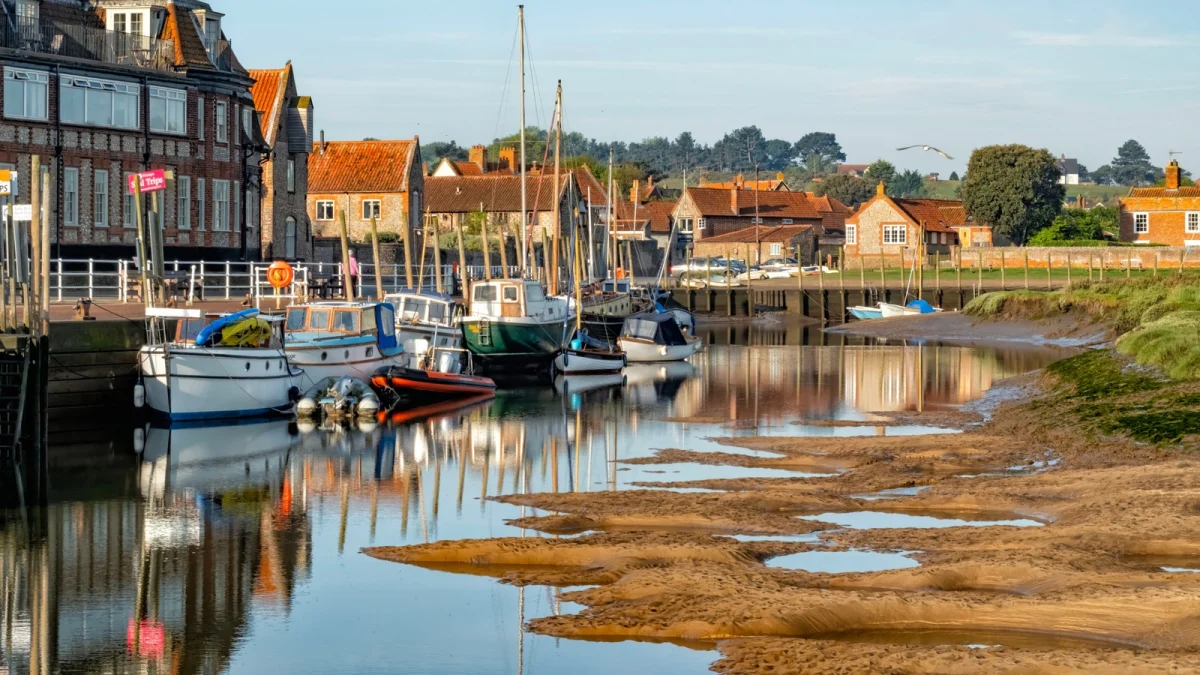
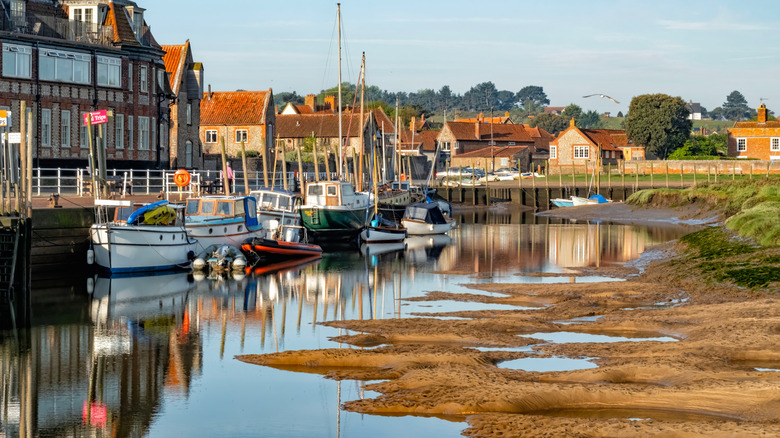
Tucked away within the sweeping canvas of the North Norfolk National Landscape—an officially designated Area of Outstanding National Beauty (AONB)—lies the historic English village of Blakeney. Characterized by its timeless maritime heritage, serpentine streets, and far-reaching vistas across tidal salt marshes toward the North Sea, Blakeney has steadily cemented its reputation as one of the finest seaside destinations in the United Kingdom. Recognized by premier travel publications such as Condé Nast Traveller, the village serves as an idyllic enclave for travelers seeking a slower, more deliberate pace of life steeped in authentic British coastal culture.
Beyond its picturesque streetscapes, Blakeney is defined by its unique vernacular architecture—predominantly constructed from traditional Norfolk flint—and its proximity to some of the country’s most ecologically significant nature reserves. From the expansive golden sands of nearby Holkham and Wells-next-the-Sea to the internationally renowned gray seal colony residing at Blakeney Point, this corner of East Anglia bridges the gap between rugged wilderness and refined pastoral charm. This comprehensive report explores the architectural legacy, ecological significance, tourism dynamics, and future preservation outlook of Blakeney and its surrounding coastal sanctuaries.
Detailed Chronology & Historical Evolution
The history of Blakeney is inextricably linked to the sea, evolving from a bustling medieval port into a quiet, protected haven for nature and leisure. Understanding the village requires looking back through centuries of maritime trade, monastic influence, and architectural endurance.

The Medieval Maritime Epoch (12th to 15th Centuries)
During the Middle Ages, Blakeney—then frequently referred to as Snitterley—was a thriving commercial port. It played a pivotal role in the importation of goods from continental Europe, particularly wine, timber, and salt, while exporting agricultural produce. The wealth generated during this period funded the construction of some of the village’s most enduring landmarks.
Among these is the Blakeney Guildhall, erected in the 15th century. Constructed using a meticulous combination of local Norfolk flint and red brick, the Guildhall once served as a communal meeting space and trading storehouse. Today, managed by English Heritage, it stands as a monument to the village’s medieval mercantile prosperity. Similarly, the construction of the monumental Church of St. Nicholas during the 13th and 14th centuries underscored the economic and spiritual importance of the settlement. Perched high above the surrounding marshlands, the church’s soaring tower was historically used as a navigational landmark for ships navigating the treacherous local channels.
The Shift to Conservation and Tourism (19th to 20th Centuries)
As maritime technology advanced and larger vessels required deeper drafts than Blakeney’s shallow harbor could provide, commercial shipping gradually declined. The bustling port transformed into a quiet fishing and crabbing community.
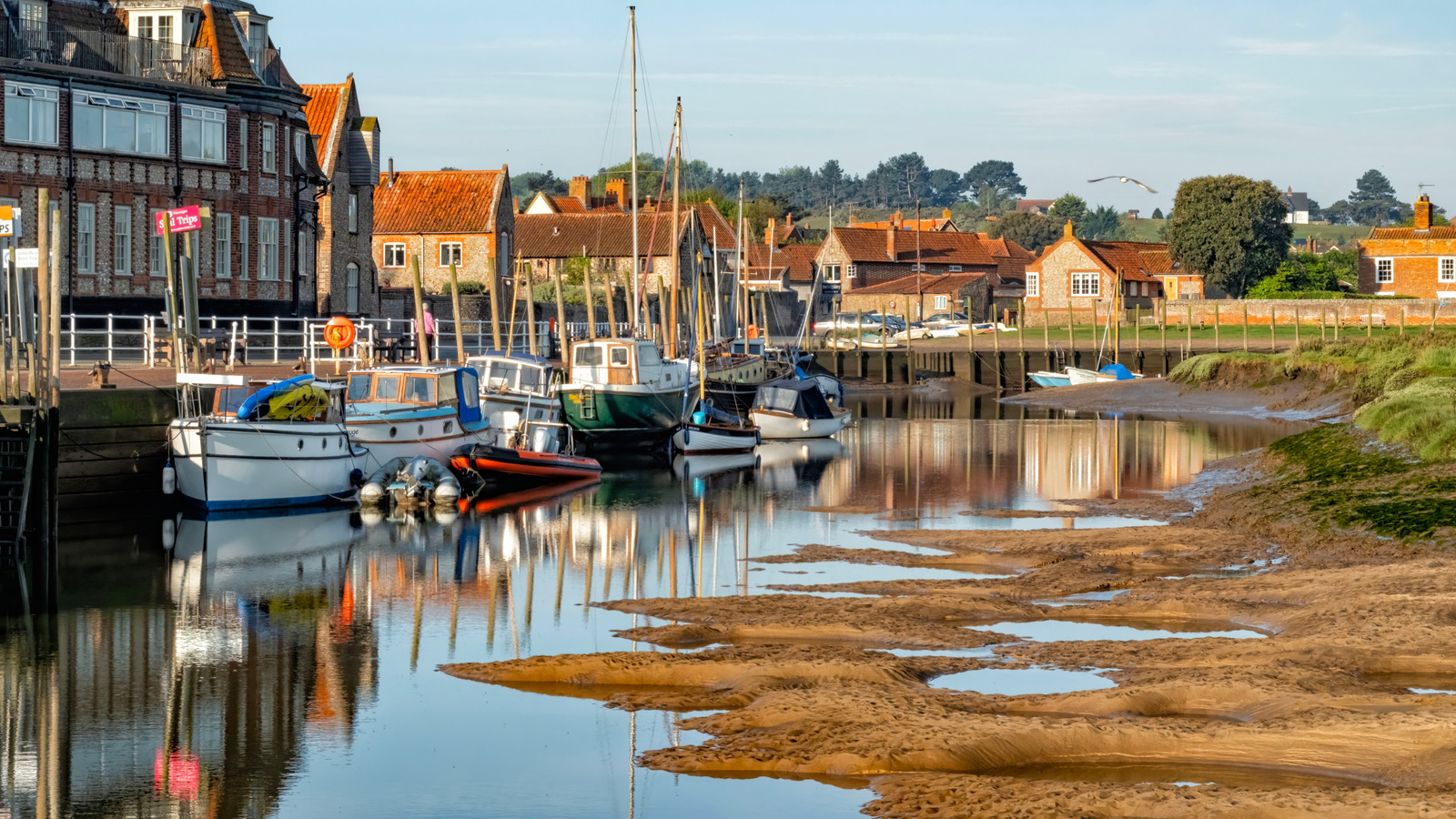
By the mid-to-late 20th century, the ecological value of the North Norfolk coastline began to supersede its industrial utility. The establishment of the Blakeney National Nature Reserve, now managed by the National Trust, marked a definitive turning point. The focus shifted away from extraction and trade toward preservation, scientific observation, and sustainable tourism. Historic flint cottages that once housed fishermen and merchants were meticulously preserved, maintaining the architectural integrity of the village while welcoming a new wave of travelers and second-home owners.

Modern Era: Recognition and Sustainable Growth
In recent decades, Blakeney has transitioned into a premier destination for high-end domestic tourism and ecological exploration. The implementation of strict planning controls within the North Norfolk National Landscape has protected the village from overdevelopment. Today, Blakeney balances its living heritage with modern environmental stewardship, ensuring that the fragile balance between human visitors and wildlife habitats remains intact.
Architectural Heritage: The Art of Norfolk Flint
One of the most striking visual characteristics of Blakeney is its uniform and deeply historic architectural palette. The predominant building material throughout the village is Norfolk flint, an indigenous mineral harvested from the chalk beds of the region.
The Craft of Flint Masonry
Working with flint requires exceptional skill. Because raw flint nodes are irregular, hard, and prone to unpredictable fracturing, local masons developed specialized techniques to knap (break or shape) the stones into flat, dark faces that could be laid flush against mortar. This labor-intensive craft gives Blakeney’s cottages, boundary walls, and civic buildings a distinctive dark-gray sheen, punctuated by red brick dressings—a style quintessentially unique to East Anglia.
Key Architectural Landmarks
- St. Nicholas Church: Domination of the village skyline is achieved by this magnificent ecclesiastical structure. The church features two towers, including a 100-foot main tower that houses a beacon turret once used as a coastal lighthouse. Visitors who ascend the 136 stone steps are rewarded with panoramic views stretching across the Blakeney salt marshes, out to Blakeney Point, and as far west as the coastal town of Wells-next-the-Sea.
- Blakeney Guildhall: A rare survival of medieval civic architecture, the Guildhall features an impressive undercroft and timber-framed upper story. It offers visitors a tangible link to the days when merchants negotiated the price of imported wine and cloth within its shadow.
- Traditional Flint Cottages: The residential lanes of Blakeney, such as High Street and Westgate Street, are lined with low-slung cottages featuring pantile roofs and manicured cottage gardens. Many of these historic structures have been carefully converted into boutique guesthouses, tearooms, and holiday homes, retaining their 18th- and 19th-century charm.
Ecological Significance & Wildlife Metrics
While Blakeney’s village streets offer historic charm, its true ecological crown jewel lies just offshore at Blakeney Point and the surrounding National Nature Reserve. This dynamic 4-mile-long shingle spit creates a sheltered haven for an astonishing array of marine mammals and avifauna.
The Blakeney Point Gray Seal Colony
Blakeney Point is home to England’s largest resident gray seal (Halichoerus grypus) colony, alongside a significant population of smaller harbor (common) seals (Phoca vitulina).
- Population Metrics: During peak breeding seasons (November through January), the reserve experiences an extraordinary biological event. Up to 9,000 seal pups are born annually along the sandy stretches of the spit. At low tide, observers can frequently witness upward of 500 adult seals resting lazily on the sandbanks.
- Marine Behavior: When the tide rises, the seals transition into the water to hunt for fish and crustaceans. Known for their inquisitive nature, they frequently approach excursion boats, providing exceptional wildlife-viewing opportunities for visitors.
- Conservation Protocols: To protect the seals during vulnerable periods—particularly the pupping season—access to certain parts of Blakeney Point is strictly regulated by the National Trust, balancing public engagement with wildlife welfare.
Avian Biodiversity
Beyond its marine mammals, the Blakeney salt marshes and shingle ridge serve as critical staging posts for migratory and nesting birds.
- Summer Species: Visitors can spot nesting colonies of sandwich terns (Thalasseus sandvicensis), little terns (Sternula albifrons), oystercatchers, and ringed plovers utilizing the sand dunes and shingle banks for breeding.
- Winter Migration: As the weather cools, the acoustic landscape transforms with the arrival of thousands of migratory geese, waders, and wildfowl seeking refuge in the sheltered estuarine waters.
- Rarities: Birdwatchers frequenting the adjacent Cley Marshes Nature Reserve regularly report sightings of bitterns (Botaurus stellaris), marsh harriers (Circus aeruginosus), and various rare migratory vagrants.
Supporting Context: The Surrounding Coastal Landscape
While Blakeney itself is defined by its tidal creeks and marshland rather than traditional sandy shores, it serves as an ideal basecamp for exploring some of the finest beaches in the United Kingdom.
Holkham Beach and National Nature Reserve
Located approximately 10 miles west of Blakeney, Holkham Beach is frequently cited as one of the best coastal stretches in the British Isles.
- Geography: Characterized by over two miles of pristine, powder-soft golden sand, the beach is backed by an expansive system of rolling sand dunes and a whispering pine forest.
- Cultural and Ecological Highlights: Accessible via a scenic wooden boardwalk through the pine canopy, Holkham is celebrated for its natural tranquility. In the summer months, visitors may witness the British Army’s Household Cavalry Mounted Regiment exercising their horses along the shoreline. The dunes also support delicate ecosystems populated by coastal flora and ground-nesting birds.
Wells-next-the-Sea
Positioned 9 miles west of Blakeney, Wells-next-the-Sea offers a quintessential British seaside experience.
- Features: An extension of the Holkham sand system, the beach at Wells is famous for its colorful, pastel-hued beach huts perched on stilts along the edge of the pine woods. The area provides family-friendly amenities, including the Wells Beach Café, shallow paddling waters, and traditional crabbing opportunities off the picturesque harbor quay.
Cley Beach and the Eastern Coast
Just 2.5 miles east of Blakeney lies Cley Beach. In contrast to the sweeping sands of Holkham, Cley offers a dramatic, shelving pebble beach where local fishermen still launch small wooden vessels. While less suited for sunbathing, it provides a wild, windswept setting for invigorating coastal walks. Further down the coast, travelers can explore the Victorian pier at Cromer—renowned for its locally caught Cromer crabs—and the vibrant family amusements of Great Yarmouth.
Official Statements & Conservation Perspectives
Managing a heavily visited Area of Outstanding National Beauty requires continuous collaboration between conservation charities, local government bodies, and commercial operators.
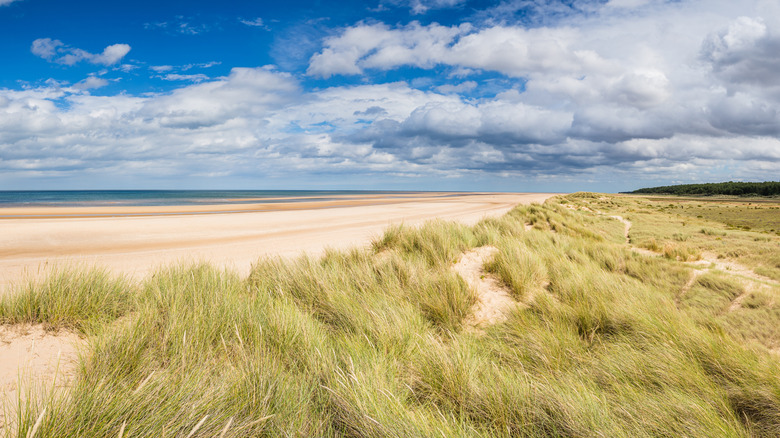
"The North Norfolk coast is a fragile, living landscape shaped by the relentless power of the North Sea," notes a senior countryside ranger for the National Trust. "Our primary objective at Blakeney National Nature Reserve is to safeguard the delicate equilibrium between public enjoyment and habitat preservation. Whether it is protecting ground-nesting birds on the shingle ridge or ensuring our burgeoning seal populations are not unduly disturbed by human encroachment, education and zoning are our most effective tools."
Local tourism boards emphasize the importance of sustainable, low-impact travel. In statements released by regional destination networks, authorities consistently encourage visitors to utilize public transportation where possible, respect seasonal access restrictions on Blakeney Point, and support local independent businesses—ranging from family-run boat tour operators like Beans Boats and Bishop’s Boats to traditional village pubs.
Future Outlook & Sustainable Tourism Strategy
As domestic travel trends continue to prioritize nature-based holidays, wellness retreats, and heritage exploration, Blakeney faces both opportunities and distinct challenges.
Environmental Pressures and Sea-Level Rise
Like many low-lying coastal regions in the UK, North Norfolk is acutely vulnerable to the impacts of climate change and rising sea levels. Coastal erosion, tidal surges, and the shifting dynamics of the Blakeney shingle spit require adaptive management strategies. The National Trust and environmental agencies continually monitor these changes, utilizing managed realignment techniques where appropriate to allow salt marshes to expand naturally and act as a buffer against storm surges.
Managing Visitor Capacity
Balancing economic vitality with ecological protection will remain the defining challenge for Blakeney over the coming decade. To mitigate the risk of over-tourism during peak summer months and the winter seal-watching season, stakeholders are focusing on:
- Off-Peak Promotion: Encouraging shoulder-season travel (spring and autumn) to distribute visitor numbers more evenly across the year.
- Infrastructure Improvements: Enhancing cycle paths, park-and-ride options, and clear signage to reduce vehicular congestion in the narrow village lanes.
- Community Engagement: Empowering local residents and businesses to champion sustainable tourism practices, ensuring that Blakeney retains its authentic, unspoiled character for generations to come.
In conclusion, Blakeney stands as a testament to the enduring appeal of the English coast. By harmonizing its medieval architectural legacy with world-class natural reserves and proactive conservation policies, this historic Norfolk village secures its place not only as a top-tier travel destination, but as a treasured ecological sanctuary on the North Sea.