The landscape of youth mobility in America is undergoing a profound and silent transformation. For decades, the dominant narrative of adolescent transportation was defined by the idling diesel school bus, the suburban minivan, and a sedentary lifestyle tied directly to car dependency. However, a confluence of technological innovation, environmental necessity, and public health initiatives is rewriting this narrative. The proliferation of electric buses and electric bicycles (e-bikes) is not merely altering how children and teenagers commute to school and navigate their neighborhoods; it is fundamentally reshaping their physical health, daily activity levels, and psychological well-being.
As cities and school districts grapple with the dual crises of climate change and youth sedentariness, sustainable micro-mobility and electrified mass transit have emerged as powerful, symbiotic interventions. Electric buses are drastically reducing the toxic particulate matter that children breathe in daily, lowering rates of childhood asthma and respiratory distress. Simultaneously, e-bikes are breaking down the geographical and physical barriers that traditionally discouraged youth from engaging in active transportation. By extending riding ranges and flattening daunting hills, e-bikes transform cycling from an exhausting chore into an accessible, appealing daily habit.
This comprehensive report investigates the growing intersection of sustainable transit and youth wellness. Drawing on urban planning insights, public health data, and evolving trends in American infrastructure, we examine how the transition toward electric transit and micro-mobility is catalyzing a healthier, more active lifestyle for the nation’s children and teenagers.
Detailed Chronology: The Evolution of Youth Transit and Health
To understand the current impact of electric buses and e-bikes on youth health, it is necessary to trace the historical evolution of how children move through their communities and how public infrastructure has historically failed to support them.
Phase One: The Era of Car Dependency and the Diesel Legacy (Late 20th Century – Early 2000s)
For generations, the American school commute was characterized by two extremes: the yellow diesel-powered school bus or private vehicular drop-offs. While yellow buses were historically safer than passenger cars on a per-mile basis, their environmental and health profiles were deeply problematic. Millions of children spent hours breathing in concentrated diesel exhaust—a known human carcinogen—while sitting inside or waiting near idling buses.
Simultaneously, suburban sprawl and car-centric urban design led to a dramatic decline in active commuting. In 1969, roughly 50 percent of children walked or biked to school. By the early 2000s, that figure plummeted to less than 15 percent. The rise of "soccer mom" culture, coupled with hostile street designs lacking sidewalks and protected bike lanes, created an environment where physical activity was systematically engineered out of a child’s daily routine.
Phase Two: The Micro-Mobility Boom and Early Electrification (2010s)
The 2010s marked the advent of modern shared micro-mobility and the early commercialization of lightweight electric vehicles. While dockless electric scooters and e-bikes initially targeted urban professionals and college students, teenagers quickly adopted these technologies. Simultaneously, forward-thinking school districts began piloting electric school buses (ESBs) to reduce greenhouse gas emissions.
However, these early phases faced significant hurdles. E-bikes were often viewed by municipalities as a nuisance rather than a legitimate public health tool, and electric buses suffered from prohibitive upfront costs and limited battery ranges. Despite these challenges, the groundwork was laid for a cultural shift regarding how communities viewed motorized, human-scale transportation.
Phase Three: Federal Investment and Post-Pandemic Resurgence (2020–2025)
The COVID-19 pandemic catalyzed a reevaluation of public space, health, and mobility. As cities closed streets to vehicular traffic and built pop-up bike lanes, children and teenagers reclaimed their neighborhoods on two wheels.
Crucially, federal policy began to align with grassroots demand. The passage of major federal infrastructure legislation injected billions of dollars into zero-emission school bus programs and active transportation grants. School districts across the country began replacing aging diesel fleets with electric alternatives, while state and municipal governments introduced e-bike voucher programs that specifically targeted lower-income families and youth.
Phase Four: The Modern Landscape of Youth Mobility (2026 and Beyond)
Today, in late 2026, the fruits of these investments are becoming visible in public health metrics and urban planning data. Electric buses are ubiquitous in progressive school districts, ensuring clean air routes for millions of students. Meanwhile, e-bikes have transitioned from a luxury tech gadget into a mainstream utility vehicle for teenagers, bridging the gap between sedentary screen time and cardiovascular health. Urban planners are no longer designing cities solely around private automobiles; instead, they are reckoning with a new generation that expects safe, electrified, and human-scaled infrastructure.
Supporting Context & Metrics: The Intersection of Transit and Public Health
The connection between transportation policy and youth health is supported by an expanding body of empirical research. Public health officials increasingly view urban design and transit systems as critical social determinants of health.
The Respiratory Toll of Diesel and the Clean Air Dividend
According to data from environmental health agencies, children are particularly vulnerable to air pollution because their lungs are still developing, and they breathe at a faster rate relative to their body weight than adults. The traditional diesel school bus fleet has long been a localized pollution hazard, exposing children to high concentrations of nitrogen oxides ($NOx$), volatile organic compounds (VOCs), and fine particulate matter ($PM2.5$).
Studies show that students riding on diesel buses experience elevated in-cabin pollutant levels that can trigger asthma attacks and reduce cognitive function. The transition to electric school buses eliminates tailpipe emissions entirely. Districts operating electric fleets have reported measurable drops in school absenteeism related to respiratory illnesses. Cleaner air translates directly into better attendance, improved academic focus, and lower healthcare costs for families.
E-Bikes and the Cardiovascular Renaissance
A common critique of electric bicycles from traditionalists is that they "cheat" by using a motor. However, extensive physiological studies conducted over the past several years have debunked this myth.
Research published in sports medicine and public health journals indicates that while e-bikes provide motor assistance, riders still achieve moderate-intensity physical activity. E-bike users consistently log longer trips and ride more frequently than conventional bicycle owners because the motor removes the intimidation factor of steep hills, long distances, and heavy headwinds.
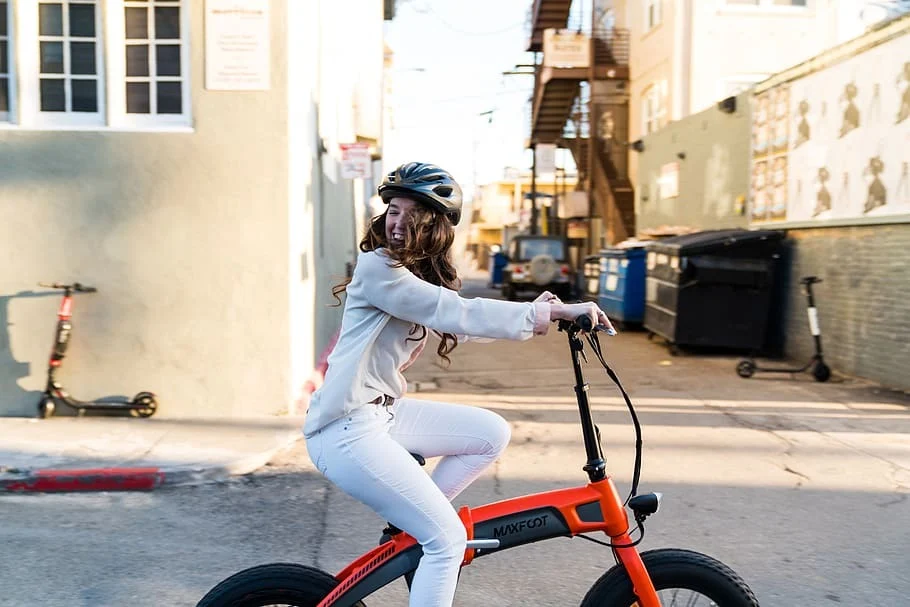
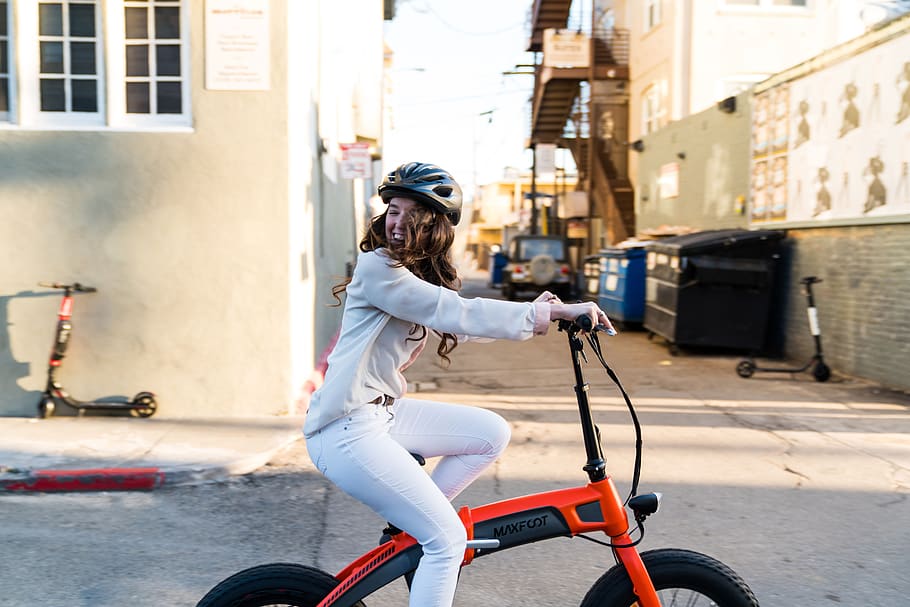
For teenagers—a demographic facing alarming rates of sedentary behavior and obesity—the e-bike acts as a gateway drug to outdoor exercise. Instead of being driven door-to-door in a car, teens are choosing e-bikes for social outings, after-school jobs, and extracurricular activities. This spontaneous, daily movement contributes significantly to cardiovascular health, muscular endurance, and mental well-being.
Transportation Mode
Environmental Impact
Physical Activity Level
Air Quality Impact (In-Cabin/Route)
Youth Accessibility
Traditional Diesel Bus
High greenhouse gases / toxic exhaust
Sedentary
Poor (High $PM_2.5$ and $NO_x$ exposure)
Universal (Route-dependent)
Private Automobile (SUV/Sedan)
High per-capita emissions / traffic congestion
Sedentary
Moderate (Cabin filtration varies)
Dependent on parental availability
Electric School Bus
Zero tailpipe emissions
Sedentary
Excellent (Zero local emissions)
Universal (Route-dependent)
Traditional Bicycle
Zero emissions
High
Variable (Depends on traffic proximity)
Limited by distance and topography
Electric Bicycle (E-Bike)
Zero direct emissions
Moderate (Cardiovascular benefit)
Variable (Depends on traffic proximity)
High (Expands range and overcomes terrain)
Official Statements and Stakeholder Perspectives
The shift toward sustainable youth transit has drawn commentary from educators, public health advocates, municipal leaders, and transportation experts.
Dr. Elena Vance, a pediatric pulmonologist and public health researcher, emphasizes the immediate biological benefits of fleet electrification:
"We spent decades ignoring the fact that our children were inhaling toxic fumes twice a day just by going to school. Moving to electric school buses isn’t just an environmental victory; it is a profound pediatric health intervention. When you clear the air around a child’s lungs, you see immediate dividends in reduced asthma flare-ups and fewer missed school days."
Marcus Holloway, an urban mobility advocate and director of the Youth Transit Initiative, highlights the empowering nature of e-bikes for teenagers:
"For a teenager, freedom isn’t a driver’s license anymore; freedom is an e-bike. We’ve designed our cities to be hostile to young people unless an adult is driving them. E-bikes change the geometry of the city. They allow kids to traverse greater distances safely, build independence, and integrate physical activity into their daily routines without feeling like they’re working out. It’s fun, it’s fast, and it’s healthy."
School district superintendents are also noting the broader cultural changes within their campuses. Superintendent Sarah Lin of the Metro Unified School District shared her observations following the integration of electric buses and expanded bike infrastructure:
"Our campuses are noticeably quieter in the mornings, and the drop-off line traffic has decreased as more students utilize micro-mobility corridors. Parents were initially hesitant about e-bikes, but when they saw their kids arriving at school more alert, more engaged, and enjoying the fresh air, the conversation shifted entirely from safety anxieties to demands for better protected bike lanes."
Future Outlook: Building the Human-Scaled City of Tomorrow
As we look toward the remainder of the decade and beyond, the momentum behind electric buses and e-bikes points toward a permanent restructuring of American mobility and youth culture. However, realizing the full health and societal benefits of this movement requires deliberate policy choices and infrastructure investments.
1. Infrastructure Integration and Protected Networks
The success of the e-bike revolution among teenagers hinges entirely on infrastructure. Cities must move beyond piecemeal bike lanes and construct interconnected, protected micro-mobility networks. Safe routes to schools must accommodate not just traditional walkers, but e-bike riders traveling at slightly higher speeds. Separated bike paths, signal priority at intersections, and secure campus parking for e-bikes are no longer luxury amenities—they are essential public utilities.
2. Universal Access and Equity
While e-bikes offer tremendous health benefits, cost remains a barrier for many low-income families. Expanding municipal and state-level e-bike voucher programs—specifically tailoring them to youth and families—is critical to ensuring that the health dividends of sustainable mobility are distributed equitably across all socioeconomic strata, rather than concentrated in affluent enclaves.
3. Complete Electrification of Student Transit
The transition of the nation’s yellow school bus fleet to electric power must accelerate. Federal and state subsidies should prioritize districts in historically overburdened, low-income communities that bear the brunt of industrial and vehicular pollution. Achieving a 100% zero-emission national school bus fleet will protect millions of young lungs and cement a baseline of environmental health for future generations.
Conclusion
Electric buses and e-bikes represent far more than a technological upgrade in how children get from point A to point B. They are catalysts for a cultural renaissance in public health and urban design. By purging toxic exhaust from the school commute and reintroducing active, joyful movement into the daily lives of teenagers, these innovations are fostering a healthier, more independent, and environmentally conscious generation. The quiet revolution on our streets is proving that when we design our transit systems for people rather than cars, our children’s health is the ultimate beneficiary.