








Executive Overview
Tucked into the rolling countryside and hardwood forests of Cape Girardeau County, just a stone’s throw from the mighty Mississippi River, lies Jackson, Missouri—a historic municipality that seamlessly blends small-town nostalgia with vibrant regional culture. Located approximately 115 miles south of St. Louis and 200 miles north of Memphis just off Interstate 55, Jackson operates as a cultural and recreational anchor in southeast Missouri.
With a population hovering just under 16,000 residents, the community proudly styles itself as a "City of Beautiful Homes, Parks, Schools, and Churches." Yet, beyond this poetic moniker lies a thriving destination defined by a bustling historic downtown courthouse square, unique boutique shopping, diverse culinary offerings, and proximity to major ecological and historical landmarks like the Trail of Tears State Park.
For travelers seeking an authentic Midwest escape away from the congested tourist hubs, Jackson delivers an immersive journey through heritage, outdoor recreation, and modern hospitality. This comprehensive overview examines the historical trajectory, urban revitalization, local economy, and tourism potential of a city positioned quietly between two of America’s most iconic river towns.
Detailed Chronology and Historical Evolution
The story of Jackson is deeply intertwined with the expansion of the American frontier, the navigation of the Mississippi River, and the socio-economic evolution of southeast Missouri.
Early Settlement and the Presidential Moniker
Long before European settlers arrived, the region was inhabited by various Native American tribes who utilized the rich river valleys and dense hardwood forests for hunting and trade. Following the Louisiana Purchase of 1803, American pioneers began migrating across the Mississippi River into the Missouri Territory.
In 1814, European-American settlers laid the groundwork for what would become Jackson. Notably, the settlement holds the distinct historical honor of being the very first municipality in the United States to be named in honor of Andrew Jackson, who would later become the seventh President of the United States. At the time of its founding, Andrew Jackson was celebrated nationally as a heroic military commander following his victories in the War of 1812, most notably the Battle of New Orleans.
Growth, Infrastructure, and the Civil War Era
Throughout the early 19th century, Jackson served as an essential agricultural and trade hub for Cape Girardeau County. Its geographic location—situated roughly 10 miles west of the Mississippi River—offered protection from seasonal flooding while maintaining close access to river commerce via nearby Cape Girardeau.

During the American Civil War (1861–1865), southeast Missouri was a fiercely contested border region. While Missouri remained in the Union, its populace was deeply divided, and Jackson experienced troop movements, skirmishes, and the strategic positioning of both Union and Confederate sympathizers. Despite the regional turmoil, the town persevered, gradually rebuilding its commercial infrastructure in the postwar reconstruction era.
The Modern Era and Preservation
Entering the 20th and 21st centuries, Jackson successfully preserved its historic architectural footprint while embracing modern municipal development. The establishment of the Cape Girardeau County History Center, the preservation of mid-century and Victorian-era residences, and the ongoing revitalization of the central courthouse square have transformed Jackson from a quiet farming community into a destination for heritage tourism. Today, initiatives by local civic organizations ensure that the community’s rich history remains tangible for residents and visitors alike.
Supporting Context & Metrics
Understanding Jackson’s appeal requires examining the quantifiable metrics and socio-economic factors that shape the city’s day-to-day environment and tourism sector.
Demographics and Geography
- Population: Approximately 15,800 residents.
- County: Cape Girardeau County, Missouri.
- Strategic Location: Positioned directly off Interstate 55; roughly 115 miles south of St. Louis, Missouri, and 200 miles north of Memphis, Tennessee.
- Proximity to the Mississippi River: Approximately 10 miles west of the river’s main channel, with direct access via state highways to riverside parks.
Economic and Tourism Metrics
Jackson’s economy is anchored by a diverse mix of light manufacturing, healthcare services, education, and retail, bolstered by a burgeoning tourism and hospitality sector.
- Downtown Vitality: The historic central business district surrounding the courthouse square features dozens of independent retailers, antique shops, and dining establishments, maintaining an extremely low commercial vacancy rate compared to national rural averages.
- Recreational Infrastructure: The city maintains over 88 acres of dedicated park space within Jackson City Park alone, alongside access to major state and national forests within a 30-minute radius.
- Hospitality Ratings: Local culinary staples such as Tractors Classic American Grill maintain exceptional consumer review averages (exceeding 4.5 stars across hundreds of verified local guide reviews), reflecting high standards in customer satisfaction and regional culinary execution.
Official Statements and Local Insights
Civic leaders and local business owners emphasize that Jackson’s charm lies in its deliberate balance between historic preservation and contemporary community development.
City administration representatives frequently highlight the "City of Beautiful Homes, Parks, Schools, and Churches" framework not merely as a marketing slogan, but as an active civic mandate. According to community profile data published by the City of Jackson, municipal investments consistently prioritize green spaces, educational facilities, and infrastructure that supports pedestrian-friendly downtown districts.
Local merchants and curators of cultural institutions, such as those operating within the Cape Girardeau County History Center, note an increasing influx of weekend travelers from St. Louis, Memphis, and regional Illinois towns.
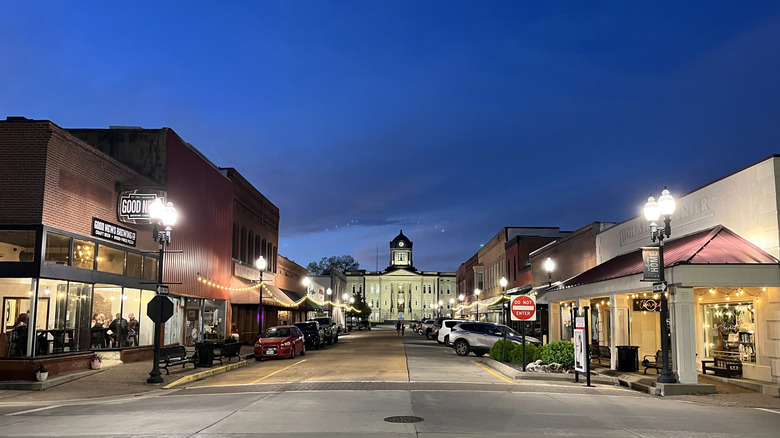
"People are searching for authenticity," notes a local downtown business advocate. "When visitors come to Jackson, they aren’t walking through a manufactured tourist trap. They are stepping onto authentic 19th-century brick streets, interacting with generational business owners, and experiencing genuine Midwest hospitality that has been refined over two centuries."
Exploring Jackson: Attractions, Downtown Life, and Outdoor Recreation
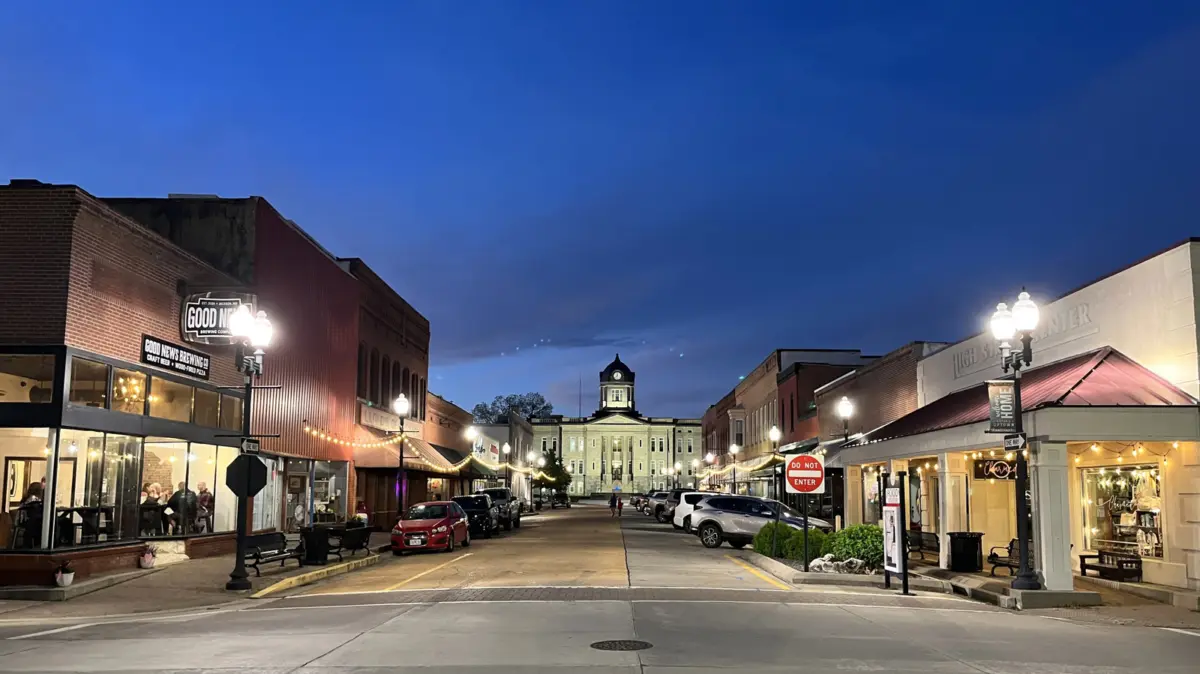
The Historic Courthouse Square and Shopping District
The beating heart of Jackson is its historic courthouse square. Radiating outward from this central point, visitors encounter a curated collection of local establishments that celebrate both the past and present:
- Cape Girardeau County History Center: Located at the corner of W. Main and High Streets, this institution houses immersive exhibits detailing local heritage, historical artifacts, American coin collections, and the legacy of regional industries like the Jackson Lumber Company.
- High Street Station: A premier boutique offering a carefully selected assortment of apparel, fine jewelry, garden ornaments, and seasonal home decor.
- Uptown Collective: A collaborative retail space that empowers local artisans, creators, and small-batch entrepreneurs to sell handmade goods, ranging from confectionery sweets and artisanal soaps to handcrafted children’s toys.
- Old Pioneer Market: Situated just five minutes north of the city proper, this marketplace is a treasure trove for collectors, featuring vintage glassware, classic advertising posters, authentic beer taps, and eclectic Americana.
Culinary Landmarks
Jackson’s dining scene marries hearty Midwest comfort food with innovative culinary twists:
- Tractors Classic American Grill: Located on High Street, this establishment has earned stellar regional acclaim for its robust menu featuring classic steaks, artisan burgers, and gourmet wraps.
- Hickory House Restaurant: A community staple that anchors the local breakfast and traditional American dining scene, welcoming diners starting early in the morning with classic comfort food classics.
- The John Deere Classic Burger: A local culinary novelty that has gained notoriety among travelers exploring the intersection of Jackson’s agricultural roots and modern diner culture.
Outdoor Adventures: Parks, Rivers, and Greens
For nature enthusiasts, Jackson acts as a gateway to some of Missouri’s most striking topography:
- Jackson City Park: Spanning 88 acres along Hubble Creek, this urban sanctuary features manicured flower gardens, an idyllic recreational lake, athletic fields, and shaded picnic groves, making it an ideal spot for family outings.
- Trail of Tears State Park: Located just a 20-minute drive northeast of Jackson along the banks of the Mississippi River, this 3,422-acre park commemorates the tragic forced migration of the Cherokee Nation in 1838–1839. The park features a state-of-the-art visitor center with educational exhibits and documentaries, miles of rugged hiking and horseback riding trails, scenic river overlooks, and inland fishing and swimming at Lake Boutin.
- Golfing Destinations: Golf enthusiasts can choose between two premier local facilities. Bent Creek Golf Course offers an accessible 18-hole public layout equipped with a driving range and modern amenities, praised by visitors for exceptional value. Meanwhile, the Kimbeland Country Club provides a semi-private, upscale course experience complete with fine club facilities and an on-site restaurant.
Future Outlook
As regional tourism continues to shift toward localized, drive-to destinations, Jackson, Missouri, is exceptionally well-positioned for sustainable growth. Municipal planners and economic development boards are currently focusing on enhancing pedestrian connectivity between downtown shopping districts and surrounding residential green spaces.
Furthermore, increased interest in heritage tourism and outdoor eco-tourism—driven by proximity to the Mississippi River corridor and Trail of Tears State Park—suggests that Jackson will continue to attract travelers looking to escape metropolitan density. By safeguarding its historical architecture, supporting independent entrepreneurs, and maintaining pristine recreational infrastructure, Jackson ensures that its identity as a quintessential Midwest haven will endure for generations to come.