





Executive Overview
For seventy-year-old Murray Muir, decades of traversing the rugged Canadian backcountry had fostered a deep, abiding respect for the elements. Yet, nothing in his extensive outdoor resume could prepare him for the terrifying reality of coming face-to-face with a hyper-aggressive, wind-driven wildfire deep within the pristine landscape of northern Ontario’s Wabakimi Provincial Park.
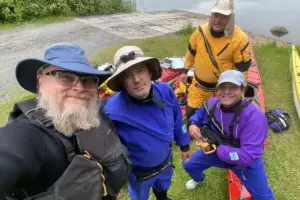
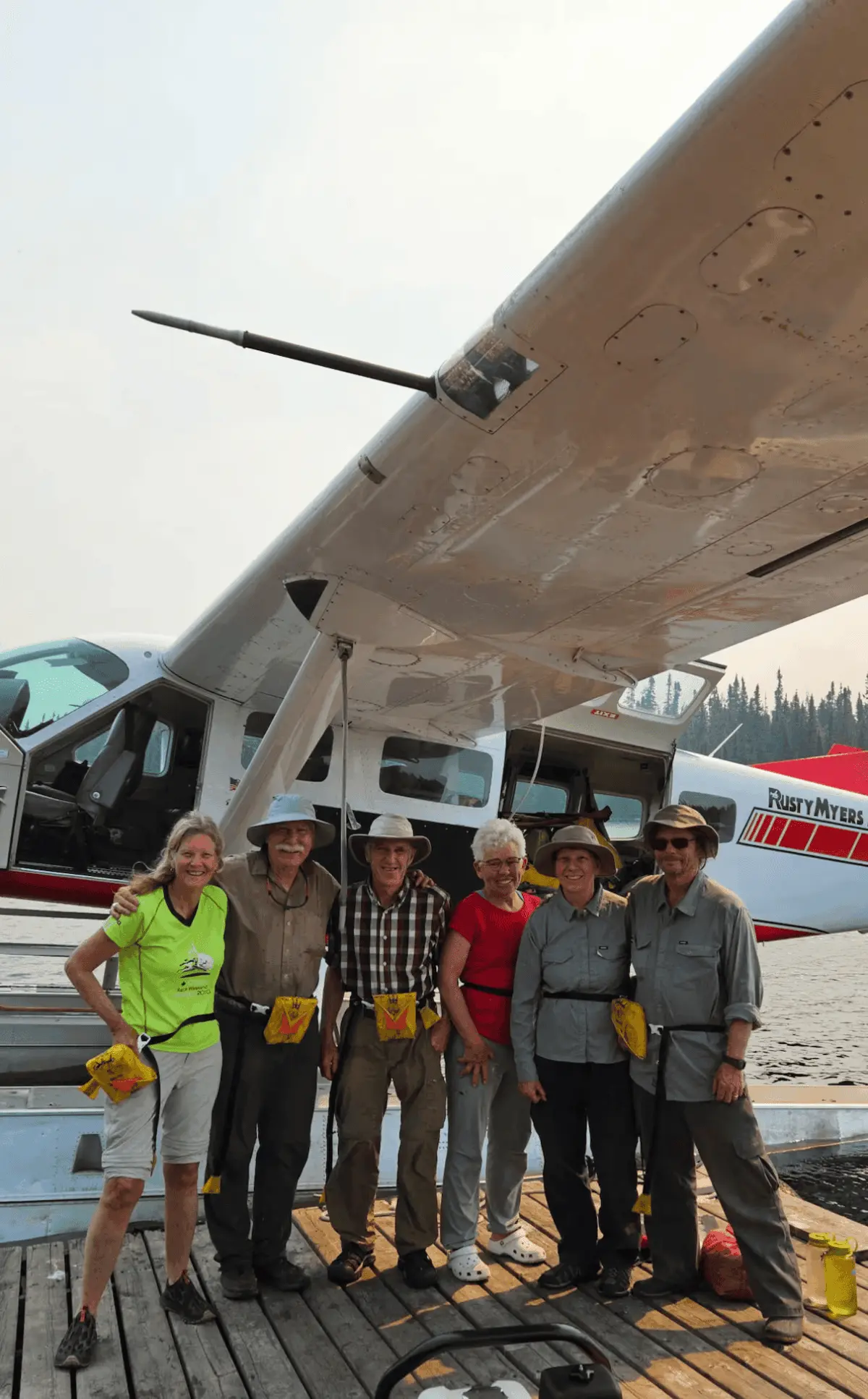
On July 7, Muir and a seasoned cohort of five paddling companions—all aged within their 60s and 70s—embarked on what was supposed to be a leisurely three-week wilderness expedition. Instead, a catastrophic convergence of severe lightning storms, drought conditions, and erratic winds transformed their idyllic summer holiday into a desperate struggle for survival. Boxed in on all sides by smoke, falling ash, and roaring walls of fire, the group was forced to seek refuge on a tiny, exposed rocky projection they would later grimly christen "Salvation Point."
This harrowing incident offers a stark window into the shifting realities of modern wilderness travel. As climate change fuels longer, more intense wildfire seasons across North America, even remote waterways once considered safe havens are becoming high-risk zones. Muir’s ordeal underscores critical lessons for backcountry travelers: the limits of modern satellite communication during active aerial fire suppression, the imperative of self-reliance when rescue is days away, and the vital strategies required to cheat death when the forest canopy becomes an inferno.
Detailed Chronology: From Remote Paradise to Ring of Fire
The Genesis: Into the Wabakimi Backcountry
The expedition began with high hopes. Wabakimi Provincial Park, often celebrated as a quieter, more rugged alternative to neighboring Quetico Provincial Park, spans nearly 9,000 square kilometers of dense boreal forest, winding river systems, and isolated lakes. For Muir and his companions, the remote expanse promised weeks of solitude, physical challenge, and immersion in nature.
For the first four days, the trip unfolded according to plan. The group navigated the labyrinthine waterways with the ease of experienced woodsmen, setting up camp beneath towering pines and enjoying the profound quiet unique to northern Ontario.
The Catalyst: The Dry Lightning Storm
The first ominous shift in their environment occurred on day five. A massive, violent storm cell rolled across the park. True to the meteorological patterns that frequently trigger devastating boreal fires, the storm delivered a relentless barrage of cloud-to-ground lightning bolts but brought virtually no precipitation to quench the strikes.
Hidden beneath the thick forest canopy, multiple lightning strikes quietly took hold in the dry underbrush. For forty-eight hours, the fires smoldered largely undetected, feeding on parched duff and lichen.

By day seven, however, the landscape had changed entirely. The crisp, clean air of the northern wilderness was replaced by a heavy, acrid pall. Wisps of grey smoke drifted across the horizon, quickly thickening into dense, yellowish clouds that choked out the sun. Realizing the situation was deteriorating rapidly, the group altered their itinerary, deciding to set up camp early on Grayson Lake to closely monitor the unfolding crisis.
The Roar of the Freight Train
The situation transitioned from concerning to critical shortly after the group finished dinner. The wind shifted violently, pushing the smoke blanket away to reveal a terrifying visual and auditory spectacle.
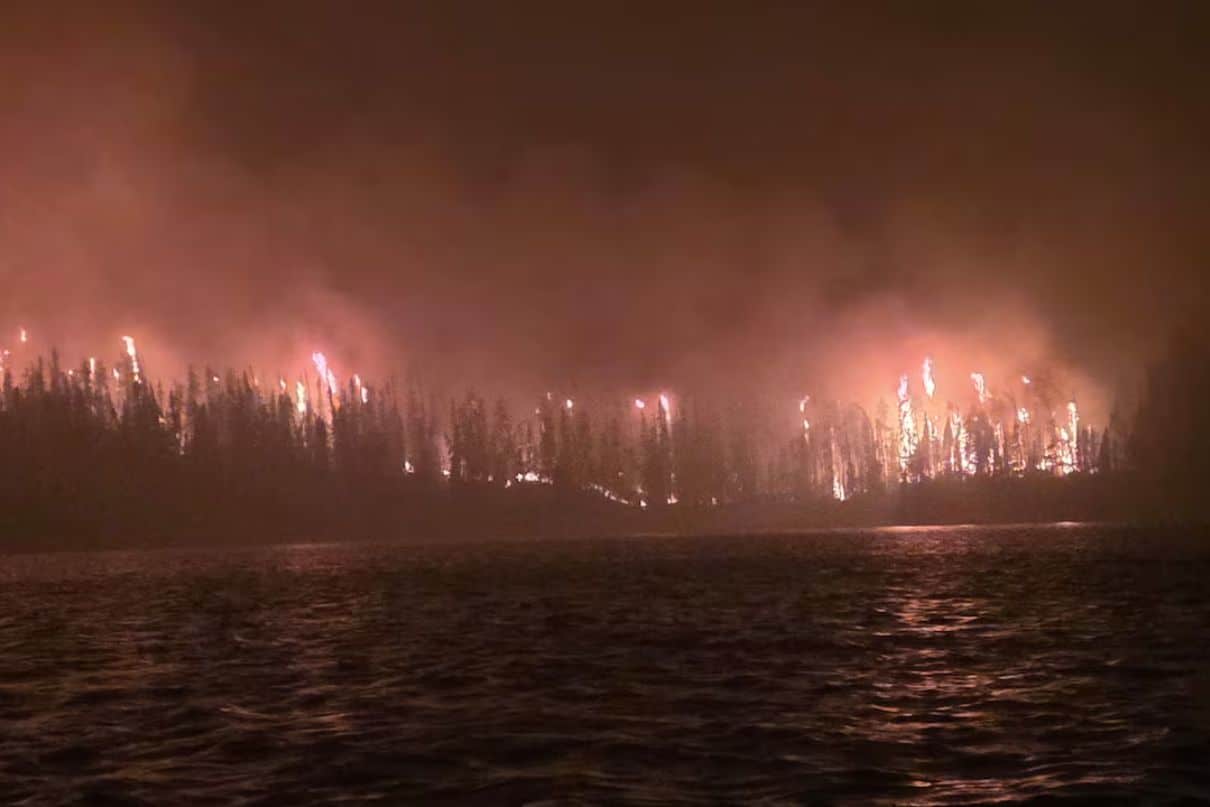
“It got smoky to the north, and then we heard this freight train sound,” Muir recounts, describing the classic acoustic signature of an intense, rapidly moving crown fire. “It’s just like really roaring. And then we could see the flames leaping on the treetops.”
Recognizing that staying put meant certain death, the sexagenarian and septuagenarian paddlers executed a textbook emergency evacuation of their campsite. Working with swift, practiced efficiency, they packed their gear, threw it into their canoes, and launched onto Grayson Lake in search of a safer micro-climate.
Boxing In: The Search for Escape
Earlier in the day, upon first spotting the smoke, the group had checked their Garmin inReach satellite communicator. The digital map updates confirmed their worst fears: wildfires were burning to their south, east, and north. They were completely boxed in.
Compounding their peril, fierce, unpredictable winds whipped up hazardous whitecap waves across the water, making it impossible to paddle across the larger, more open sections of Grayson Lake where floatplanes could theoretically land for an extraction.
Seeking an escape route, they attempted to push deeper into the lake system, only to find their path blocked by advancing fire fronts cutting off the shoreline. With flames marching down both sides of the water channel, the paddlers had nowhere left to run.
Supporting Context & Metrics: The Anatomy of a Boreal Inferno
To understand the severity of Muir’s encounter, one must examine the unique ecological and meteorological dynamics driving modern northern wildfires.
Boreal ecosystems, dominated by black spruce, jack pine, and balsam fir, are naturally fire-dependent landscapes. However, rising global temperatures and prolonged drought conditions have drastically altered fire behavior. When a lightning storm strikes a tinder-dry boreal forest during a high-pressure heat dome, the rate of spread can be exponential.
The Mechanics of Extreme Fire Behavior
According to wildland firefighting experts, crown fires—such as the one encountered by Muir’s group—travel through the upper canopy of the forest, propelled by strong winds and pre-heated by rising convective columns. These fires can generate winds of their own, creating fire tornadoes (fire whirls) and hurling burning embers (spotting) hundreds of meters ahead of the main front.
- Acoustic Warning: The "freight train" sound Muir described is caused by the massive intake of oxygen required to feed the fire, creating a low-frequency roar that often serves as the final warning before flames breach a camp.
- Thermal Radiation: At close range, the radiant heat from a crown fire can ignite synthetic gear, melt nylon tents, and cause severe physiological distress even without direct flame contact.
- The Smoke Hazard: Fine particulate matter (PM2.5) generated by burning boreal peat and timber poses immediate cardiovascular and respiratory risks, severely impairing physical exertion.
The Myth of Instant Rescue
A critical takeaway from the Wabakimi incident is the sobering reality of satellite emergency beacons. While devices like the Garmin inReach are indispensable life-savers in the backcountry, users must harbor zero illusions regarding response times during peak wildfire seasons.
When Muir’s group triggered their SOS function, provincial emergency services were already overwhelmed managing dozens of simultaneous high-priority fires across northern Ontario. Furthermore, heavy smoke plumes, zero-visibility conditions, and extreme wind shear routinely ground aerial firefighting and rescue assets.
“Just because you activate [the SOS function], it doesn’t mean it’s going to happen,” Muir emphasizes. “It might not happen for a day or two days. You pretty well have to take care of yourself out there in the bush.”
Official Statements & Expert Survival Protocols
Following the incident, outdoor safety organizations and wilderness risk management authorities have pointed to the actions of Muir’s group as a masterclass in calm, adaptive crisis management—while highlighting additional protocols that every backcountry traveler should adopt.
The National Outdoor Leadership School (NOLS) Guidelines
NOLS, a global leader in wilderness education, outlines strict protocols for managing encounters with backcountry wildfires:
- Evacuation Priority: Always prioritize putting maximum distance between yourself and the fire front by moving into unburned areas, traveling away from the path of the wind.
- Safe Refuges: If escape routes are completely cut off—as they were for Muir’s group—seek out natural firebreaks. Recommended locations include previously burned areas (blackened earth has little fuel left to burn), boulder fields, expansive gravel bars, large open meadows, or substantial bodies of water.
- Water Protection: For paddlers trapped on a lake, securing a position on a rocky point, peninsula, or isolated island provides a 360-degree buffer against encroaching flames, provided there is enough open water between the camp and the fire front.
- Air Quality Management: Avoid heavy physical exertion if wildfire smoke reduces visibility to under three miles. In an era of increasingly frequent mega-fires, experts increasingly recommend packing lightweight N95 respirators in backcountry first-aid kits to mitigate smoke inhalation.
Anatomy of a Night at "Salvation Point"
Trapped on their tiny rocky projection, Muir and his companions executed critical survival maneuvers as the fire apexed around them.
As the wind shifted, sending a terrifying wave of heat and blinding smoke across the lake, the sky turned a bruised, unnatural orange. The islands directly across from their position exploded into wall-to-wall flame.
“And that’s when things got the most scary,” Muir recalls. “So for a while, we were getting rained down by big flakes of ashes. And along with the trees bursting into flames in front of us, there was a real surge in the wind. It just blew like crazy. And it whipped up the waves in front of us.”
To shield themselves and their critical gear from the relentless rain of burning embers, the paddlers periodically dunked themselves in the frigid waters of Grayson Lake and sprinkled water over their nylon packs. They huddled together through a completely sleepless night, punctuated by the concussive blasts of exploding resinous trees and the sudden, blinding illumination of the night sky as fresh pockets of timber ignited.
“Every once in a while, some trees would get ripping and burning, and the sky would light up, and then you’d try to relax, and then you’d think, oh, gee, how close is it getting?” Muir says.
The Extraction
By dawn, the immediate fury of the fire front had passed, leaving behind a surreal landscape of smoking black skeletons where lush green forest had stood twenty-four hours prior. Miraculously, "Salvation Point" stood virtually untouched—one of the lone green islands in a sea of ash.
With the wind subsiding and visibility marginally improving, the group packed their canoes and paddled out to the larger, accessible section of Grayson Lake. They sheltered at a local wilderness lodge for a day before an emergency floatplane finally touched down to evacuate them to safety, two days after their initial SOS signal had been sent.
Future Outlook: Paddling in an Era of Megafires
The harrowing experience of Murray Muir and his paddling companions serves as both a cautionary tale and a blueprint for the future of wilderness recreation in North America. As climate models project longer, hotter, and drier summers across the boreal shield, the traditional windows for safe backcountry travel are compressing.
Shifting Paradigms for Trip Planning
Wilderness outfitters, park authorities, and seasoned guides are urging outdoor enthusiasts to radically adapt their approach to trip planning and risk assessment:
- Dynamic Route Planning: Trips can no longer be static linear routes. Planners must establish multiple contingency routes and diverse exit points, mapping out precisely where floatplanes can safely land or where portages intersect drivable logging roads.
- Pre-Trip Intelligence: Checking provincial or state fire hazard maps, active burn perimeters, and air quality indices must become as routine as checking weather forecasts.
- The Willingness to Pivot: Perhaps the hardest lesson for invested travelers is knowing when to call off an expedition. “While it’s never fun to call off a trip, this summer’s fire season displays the rapid rate at which wildfires can grow and spread in the right conditions,” outdoor safety advocates emphasize.
For Murray Muir, the summer of 2024 will forever be defined by the night at Salvation Point—a stark reminder of the raw, untamed power of the Canadian wilderness. Yet, despite the trauma of watching the boreal forest burn around him, his passion for the backcountry remains undiminished. It is a testament to the resilient spirit of the modern paddler, tempered by fire, and forged in the crucible of absolute self-reliance.