



By Luis Estévez-Salmerón
Associate Director, International Government Relations
Executive Overview
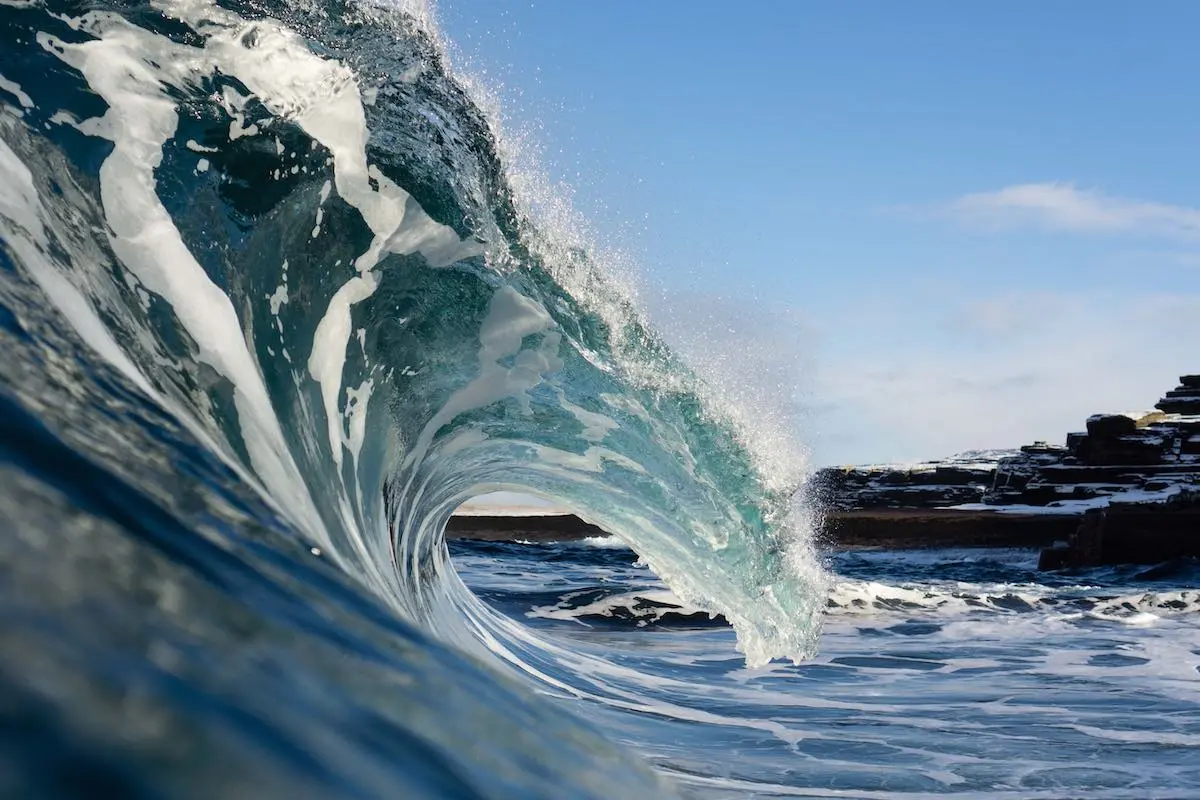
As the global community confronts an era defined by profound geopolitical friction, diplomatic fatigue, and institutional strain, multilateralism finds itself drifting into uncertain waters. From fractured international bodies to competing national priorities, the traditional architecture of global cooperation is being severely tested. Yet, beyond the conference halls and the turbulence of modern geopolitics, a silent, relentless crisis continues to unfold across the blue expanse that covers over seventy percent of our planet. The ocean—our greatest climate regulator, economic lifeblood, and planetary buffer—is warming, acidifying, and suffocating under the weight of human activity.
This is the backdrop of the upcoming 11th Our Ocean Conference, scheduled for June 16–18, 2026, in Mombasa, Kenya. Coming together on the East African coast is not merely a diplomatic exercise; it is an urgent manifestation of planetary necessity. As coastal communities from the rugged shores of Valparaíso, Chile, to the vibrant maritime hubs of Mombasa can attest, the sea does not pause for elections, nor does it negotiate with geopolitical adversaries. It simply reacts to the cumulative pressures of a triple planetary crisis: accelerating climate change, catastrophic biodiversity loss, and relentless plastic pollution.
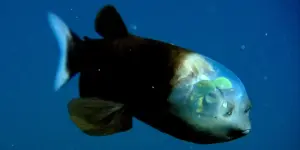
This article explores the existential crossroads facing international ocean conservation. It examines why platforms like the Our Ocean Conference remain vital beacons of accountability, details the high-stakes pushback against industrial overreach in the ocean’s least-understood depths—the mesopelagic or "twilight zone"—and underscores why humanity cannot afford to retreat into isolationism when the health of the global ocean hangs in the balance.
Detailed Chronology: From Valparaíso to Mombasa
Growing up in Chile—a nation that stretches like a precarious, breathtaking ribbon between the towering wall of the Andes and the infinite expanse of the Pacific Ocean—the sea was never merely a picturesque postcard view. It was life itself. With more than 4,000 kilometers of coastline, Chile’s identity is inextricably bound to the marine environment. Artisanal fishermen casting nets in the gray dawn, coastal villages sustaining themselves through generations of traditional harvesting, and entire families whose livelihoods depend entirely on the ocean’s fragile bounty form the bedrock of this relationship. It is an understanding forged early: what the ocean gives us, we are morally and practically obligated to protect in return.
Yet, the trajectory from those formative coastal memories to the current international stage has been marked by mounting anxiety over the health of our global waters.
- The Inception of Accountability (2014): Recognizing that traditional United Nations negotiations were often bogged down by bureaucratic gridlock, the Our Ocean Conference was launched to champion a different model—one centered on voluntary, high-level, and fully trackable financial and policy commitments from governments, philanthropies, the private sector, and civil society.
- Decade of Mobilization (2014–2025): Over the past decade, successive iterations of the conference travelled across the globe, gradually building a formidable war chest for marine protection. Year after year, participants gathered to report not just on ambitions, but on realized investments in Marine Protected Areas (MPAs), maritime security, and sustainable blue economies.
- The IUCN Milestone (2025): Recognizing a critical blind spot in international governance, the conservation community achieved a major breakthrough when the International Union for Conservation of Nature (IUCN) World Conservation Congress adopted Resolution 035. This landmark text urged member states worldwide to formally recognize and safeguard the ecological integrity of the mesopelagic zone.
- The Mombasa Convening (June 16–18, 2026): Now, as the 11th Our Ocean Conference convenes in Mombasa, Kenya, the stakes are higher than ever. For the first time hosted in East Africa, the conference serves as a critical test of whether the global community can marshal the political will to defend marine ecosystems amid deepening international divides. Here, organizations like Ocean Conservancy are moving past mere dialogue to deploy targeted interventions—ranging from ocean-climate diplomacy and fossil fuel-free shipping initiatives to aggressive coalitions tackling abandoned, lost, and discarded fishing gear (ghost gear).
Supporting Context & Metrics: The Scale of the Crisis
To grasp the urgency of the Mombasa convening, one must confront the stark metrics defining the current state of the marine environment. The threats facing our seas are interconnected, cascading through marine food webs and threatening global food security and climate stability.
The Financial Footprint of Action
Since its inception, the Our Ocean Conference framework has mobilized more than 2,900 distinct commitments valued at approximately $169 billion. These resources represent tangible interventions deployed across critical pillars:
- Expansion and enforcement of Marine Protected Areas (MPAs).
- Transitioning toward sustainable fisheries and combating Illegal, Unreported, and Unregulated (IUU) fishing.
- Financing circular economies and municipal infrastructure to drastically reduce plastic waste leakage into waterways and oceans.
- Building climate resilience for frontline island and coastal communities.
The Triple Planetary Crisis in Numbers
- Thermal Expansion and Acidification: The ocean has absorbed over 90% of the excess heat generated by anthropogenic climate change, leading to unprecedented marine heatwaves, coral bleaching events, and a steady drop in oceanic pH that dissolves the calcium carbonate shells of foundational marine species.
- The Plastic Pandemic: Millions of metric tons of plastic enter the marine environment annually, degrading into microplastics that infiltrate every layer of the marine food chain, from microscopic zooplankton to apex predators and commercial fish stocks.
- The Twilight Zone Stakes: Perhaps the most alarming frontier of exploitation lies hidden between 200 and 1,000 meters beneath the surface—the mesopelagic or "twilight zone."
- Biomass: This region is estimated to harbor upwards of 90% of the ocean’s total fish biomass, serving as the foundational prey base for commercially vital fisheries, marine mammals, and seabirds.
- Carbon Sequestration: Through the biological carbon pump, the twilight zone sequesters an estimated 2 to 6 gigatons of carbon annually—roughly double the total annual emissions of all passenger vehicles worldwide.
Despite these vital ecosystem services, the twilight zone remains dangerously unprotected. Surging global demand for fishmeal, aquaculture feed, and nutraceutical health supplements (such as omega-3 oils derived from mesopelagic species) has placed a massive commercial target on this fragile realm. Without proactive management, industrial fleets risk destabilizing a planetary carbon sink and food web before science has even fully mapped its complex dynamics.
Official Statements and Strategic Initiatives
The institutional response to these escalating threats requires unprecedented coordination between science, policy, and civil society. At the forefront of this effort is the formal launch of pioneering frameworks designed to close existing regulatory loops.
Speaking on the strategic imperative of the upcoming conference, leaders within the international conservation community have emphasized that retreat is simply not an option. Luis Estévez-Salmerón, Associate Director of International Government Relations, notes:
"We meet in Mombasa at a difficult time for multilateralism. Processes we have long relied upon face real challenges. Geopolitical tensions, competing priorities, and institutional fatigue test the frameworks that have guided international cooperation for decades. It would be easy to retreat—to wait for better conditions. But the ocean cannot wait."
To address the immediate vulnerability of the ocean’s mid-depths, Ocean Conservancy, alongside the Environmental Defense Fund, the Marine Conservation Institute, and a broad coalition of international partners, is officially launching the Mesopelagic Zone Conservation Challenge.
This voluntary, action-oriented initiative is designed to bridge governance gaps by:
- Prioritizing a precautionary management approach across national jurisdictions and areas beyond national jurisdiction (ABNJ).
- Accelerating independent scientific research to quantify biomass, trophic interactions, and carbon-sequestration mechanisms in the twilight zone.
- Integrating twilight zone protections directly into regional and international fisheries management frameworks before commercial exploitation outpaces ecological understanding.
Furthermore, Ocean Conservancy maintains an active presence across multiple operational fronts at the 11th Our Ocean Conference, championing:
- Ocean-Climate Diplomacy: Ensuring that marine ecosystems are fully accounted for in National Determined Contributions (NDCs) under the Paris Agreement.
- Fossil Fuel-Free Shipping and Offshore Energy: Advocating for responsible transitions to renewable marine energy while safeguarding sensitive benthic habitats from reckless industrial build-out.
- Global Plastic Governance: Building unstoppable coalitions to finalize a robust, legally binding Global Plastics Treaty that addresses the entire lifecycle of plastics, with specialized programs targeting the silent devastation caused by abandoned, lost, and discarded fishing gear (ghost gear).
Future Outlook: Heeding the Lessons of the Sea
As the delegates gather in Mombasa, the ultimate metric of success will not be the volume of speeches delivered, but the durability of the commitments made and the speed with which they are implemented. The challenges confronting international cooperation are undeniably real, but they pale in comparison to the irreversible consequences of marine ecosystem collapse.
The ocean operates on principles of radical interdependence. It absorbs our carbon, buffers our climate extremes, and feeds billions of people without regard for human borders, political cycles, or ideological divides. It continues to demand our stewardship, asking nothing of us save that we pay attention and that we act.
In the words of Chile’s Nobel Prize-winning poet, Pablo Neruda:
“Necesito del mar porque me enseña.”
(I need the sea because it teaches me.)
The ocean teaches us resilience. It teaches us about the delicate, unbreakable threads that connect human survival to the health of the natural world. And right now, its lesson is urgent and unmistakable: even when the systems we have built to protect our world are strained, we can never afford to look away.
For the ocean, the work continues.