









Executive Overview
A sprawling, hyper-scale industrial infrastructure is quietly reshaping the American landscape. Much like the federal highway projects of the mid-20th century that carved concrete chasms through urban cores and suburban neighborhoods alike, a vast network of massive artificial intelligence data centers is cropping up across the United States.
Promoted by tech giants and local boosters as engines of economic revitalization and technological progress, these server farms are heralded as the cornerstone of the future. Yet, a growing coalition of community advocates, environmental scientists, and urban planners are sounding the alarm. Beneath the glossy marketing of innovation lies a starkly different reality: data centers are intensive consumers of fossil fuels, spewing air, water, and noise pollution directly into adjacent residential areas. Furthermore, their appetite for power is single-handedly reversing hard-won climate gains, threatening the efficacy of public transit initiatives, and accelerating the deployment of intrusive surveillance technologies on our streets.
In this deep dive, we examine the structural parallels between the highway expansion era and the current artificial intelligence boom. Drawing on insights from veteran transit advocate Saul Levin—host of the podcast The Hum, which chronicles the burgeoning data center resistance movement—we explore how these two distinct forms of heavy infrastructure share a strikingly similar DNA. More importantly, we analyze the unified playbook that community organizers are deploying to push back against corporate land grabs, offering a roadmap for local resistance in the digital age.
Detailed Chronology: From Concrete Corridors to Silicon Valleys
To understand the current friction between tech conglomerates and local communities, one must first look backward. The parallel between the interstate highway system and the hyper-scale AI data center network is not merely metaphorical; it is systemic, structural, and historical.
The Mid-Century Blueprint: Highways as Disruption
In the decades following World War II, the federal government embarked on one of the largest public works projects in human history: the Interstate Highway System. Authorized by the Federal-Aid Highway Act of 1956, the initiative promised to connect the nation, streamline commerce, and modernize transit.
However, the human and environmental toll was catastrophic, disproportionately impacting low-income communities and communities of color. Highways were routed directly through vibrant urban neighborhoods, displacing millions, dividing cities with concrete barriers, and introducing unmitigated noise, diesel exhaust, and particulate pollution. Communities were promised economic prosperity in exchange for their displacement, a promise that rarely materialized in the ways officials advertised.
The Digital Gold Rush: The Rise of Hyper-Scale Infrastructure
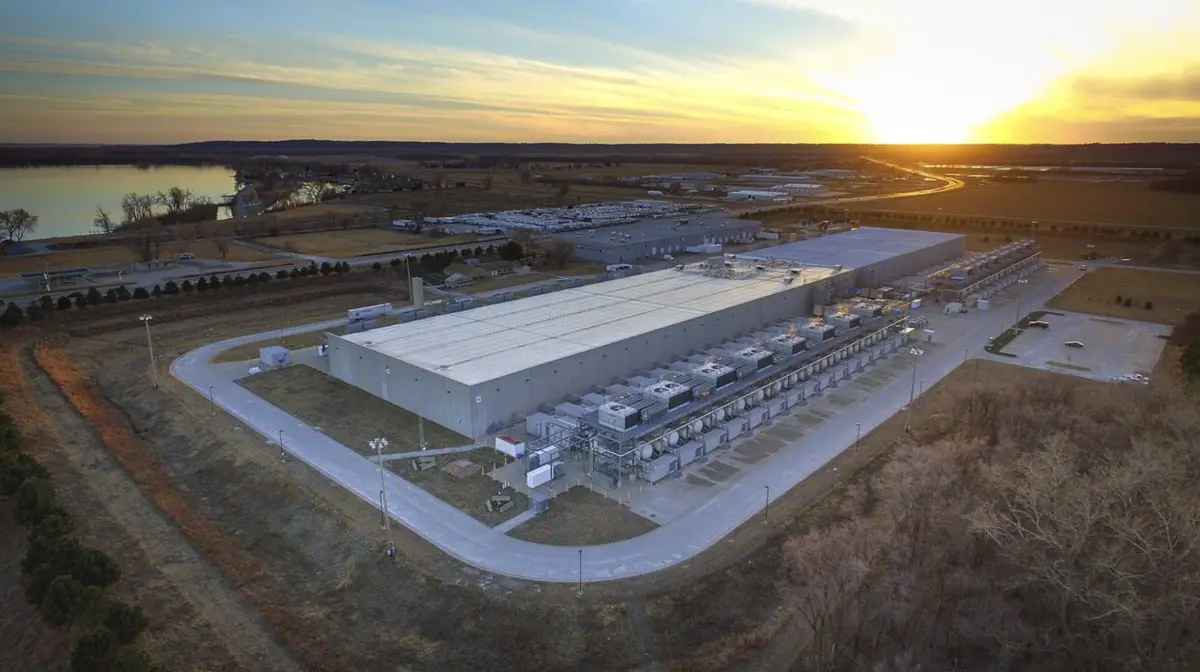
Fast forward to the current decade. The generative AI boom has triggered an unprecedented demand for computational power. Training and running large language models requires server facilities of a scale previously unseen—complexes spanning hundreds of acres, packed with thousands of high-density graphics processing units (GPUs).
- 2022–2023: As generative AI tools capture the public imagination, major technology corporations scramble to secure land, water, and power. Rural towns and suburban fringes across Virginia, Ohio, Texas, and the Pacific Northwest are targeted for their cheap land and lax regulatory environments.
- 2024: Local municipalities, eager for a slice of the tech economy, offer lucrative tax breaks to data center developers. Simultaneously, the first wave of community pushback materializes. Residents near proposed sites begin reporting persistent, low-frequency humming noises, sudden spikes in local energy rates, and concerns over massive water withdrawals.
- 2025–2026: The friction intensifies. Grid operators warn of rolling blackouts or delayed coal/gas plant retirements to accommodate data center loads. Transit advocates and environmental justice groups begin drawing explicit parallels between the concrete of the 1950s and the silicon of the 2020s, giving birth to a coordinated, cross-state resistance movement.
Supporting Context & Metrics: The Hidden Toll of the AI Revolution
The public narrative surrounding artificial intelligence often treats the technology as ethereal—a weightless cloud existing somewhere in cyberspace. In reality, AI is exceptionally material, demanding immense physical resources to function.
Energy Consumption and the Revival of Fossil Fuels
The energy footprint of hyper-scale data centers defies comprehension. A single modern AI data center can consume as much electricity as a mid-sized American city. According to recent energy sector analyses:
- Grid Strain: Tech companies are increasingly bypassing standard clean-energy procurement timelines, leading utilities to delay the retirement of aging coal-fired power plants or commission new natural gas pipelines to keep pace with demand.
- Climate Reversal: Every localized emission offset achieved by expanding bike lanes, electrifying municipal bus fleets, and promoting public transit is being aggressively counterbalanced—and in many cases entirely erased—by the carbon footprint of incoming server farms.
Environmental and Community Impacts
Beyond carbon emissions, data centers exact a heavy toll on their immediate surroundings:
- Water Deprivation: Liquid-cooling systems require millions of gallons of water daily to prevent servers from overheating, often straining local municipal water tables and agricultural supplies.
- Acoustic Pollution: The constant whirring of industrial-grade cooling fans creates a persistent, low-frequency hum that degrades the quality of life for residents living miles away—a phenomenon explored extensively on Saul Levin’s podcast, The Hum.
- Surveillance and Policing Integration: To secure these multi-billion-dollar facilities, tech conglomerates and municipal governments frequently partner to expand local surveillance apparatuses. Automated license plate readers, AI-enhanced CCTV networks, and increased police patrols are routinely deployed around data center perimeters, fundamentally altering the civil liberties landscape of local sidewalks and neighborhoods.
Official Statements and Expert Perspectives
As the resistance movement gains momentum, voices from grassroots activism, urban planning, and transit advocacy are reframing the conversation around technological progress.
"Like the interstate system before it, a network of massive, hyper-scale AI data centers is cropping up across America," notes veteran transit advocate Saul Levin. "And much like highways, they’re spewing air, water, and noise pollution across our communities, unleashing more surveillance tech and police on our sidewalks, and erasing the climate gains of every bike or a bus trip we take—all for the supposed ‘benefit’ of communities that many advocates doubt."
Levin, who uses his platform on The Hum to amplify the stories of frontline organizers, argues that the justification for data centers mirrors the "progress vs. blight" rhetoric used during mid-century urban renewal projects.
Municipal leaders, however, often present a different perspective. In states like Virginia—home to "Data Center Alley" in Loudoun County—local officials frequently cite commercial tax revenues as a vital mechanism for funding public schools, road improvements, and community services without raising residential property taxes.
Yet, critics contend that these economic windfalls are short-sighted. When factoring in long-term infrastructure degradation, water resource depletion, and the immense cost of grid upgrades borne by everyday ratepayers, the net economic benefit to the average citizen remains highly contested.
Future Outlook: Defeating the Silicon Infrastructure Playbook
The parallels between highway expansion and data center proliferation are more than skin-deep; they extend to the strategies required to counter them. Just as grassroots coalitions successfully halted destructive urban highway projects in the late 20th century (such as the cancellation of the Lower Manhattan Expressway), today’s data center resistance movement is mobilizing using a battle-tested playbook.
1. Inter-Community Solidarity
The most effective resistance is not isolated to single towns fighting corporate incursions alone. By building networks across county and state lines, advocacy groups are sharing legal strategies, environmental impact data, and organizing tactics. Recognizing that tech giants operate at a national scale, communities are learning to coordinate their responses accordingly.
2. Demanding True Environmental Transparency
Activists are pushing for comprehensive, mandatory environmental impact statements (EIS) before zoning approvals are granted. By forcing corporations to disclose their true water usage, acoustic impacts, and energy procurement sources transparently, communities can dismantle vague corporate promises of "green innovation."
3. Challenging the Public Subsidy Model
A cornerstone of the data center expansion strategy relies on lucrative tax abatements and public infrastructure subsidies. Resistance movements are increasingly targeting these legislative giveaways, arguing that public funds should not subsidize private industrial facilities that degrade local quality of life and undermine climate goals.
Conclusion
The rapid spread of AI data centers represents a critical inflection point for American communities. If left unchecked, the silicon infrastructure wave threatens to lock us into another generation of environmental degradation, resource strain, and corporate overreach—mirroring the mistakes of the mid-century highway boom. However, as transit advocates, environmentalists, and local residents join forces to demand accountability, a new path forward emerges: one where community well-being, ecological preservation, and sustainable public transit take precedence over unbridled technological expansion.