










Executive Overview
The automotive landscape has undergone a seismic shift over the past decade and a half. What was once a speculative fringe market defined by limited-range novelties and bespoke compliance cars has matured into a multi-billion-dollar global juggernaut. For early adopters, the choice was stark: embrace compromise for the sake of environmental stewardship or stick with the familiar hum of the internal combustion engine (ICE). Today, however, prospective buyers navigate a sophisticated matrix of pure battery-electric vehicles (BEVs) and increasingly capable plug-in hybrid electric vehicles (PHEVs).
While the verdict from hardened EV veterans remains unequivocally anchored to pure battery electrics—praised for their peerless mechanical simplicity, low maintenance, and sublime driving dynamics—the real-world friction of long-distance hauling, shifting regional infrastructure, and niche lifestyle requirements continues to complicate the consumer journey.
This tension is vividly illustrated through a multi-generational case study: a household that has operated exclusively on BEVs for over twelve years, juxtaposed against a family member who transitioned from a pioneer-era pure electric SUV back to a contemporary plug-in hybrid. Through an examination of vehicle reliability, infrastructure hurdles, mechanical philosophies, and real-world road-tripping constraints, this report explores the enduring debate dividing the clean-transportation community: Is the pure BEV universally superior, or do advanced PHEVs still hold a vital tactical role in the transition away from fossil fuels?
Detailed Chronology: Twelve and a Half Years of Zero-Emission Driving
To understand the current state of electric mobility, one must look backward to trace its rapid developmental arc. Over twelve years ago, the consumer landscape offered remarkably slim pickings for motorists wishing to escape petroleum dependency.
The Pioneer Era (2014)
In early 2014, breaking free from the gas pump meant choosing between two vastly different compromises:
- The Nissan Leaf: A conventional-feeling, five-seater hatchback characterized by whisper-quiet operation and smooth, linear acceleration. Its primary drawback was a modest, EPA-estimated 80-mile driving range, tethering it strictly to municipal duties or requiring a secondary gasoline-powered vehicle for intercity transit.
- The Chevy Volt: A pioneering extended-range electric vehicle (or early plug-in hybrid) offering roughly 40 miles of pure electric driving before a gasoline engine kicked in. However, cabin packaging restricted the vehicle to a four-seater layout, turning away families seeking everyday utility.
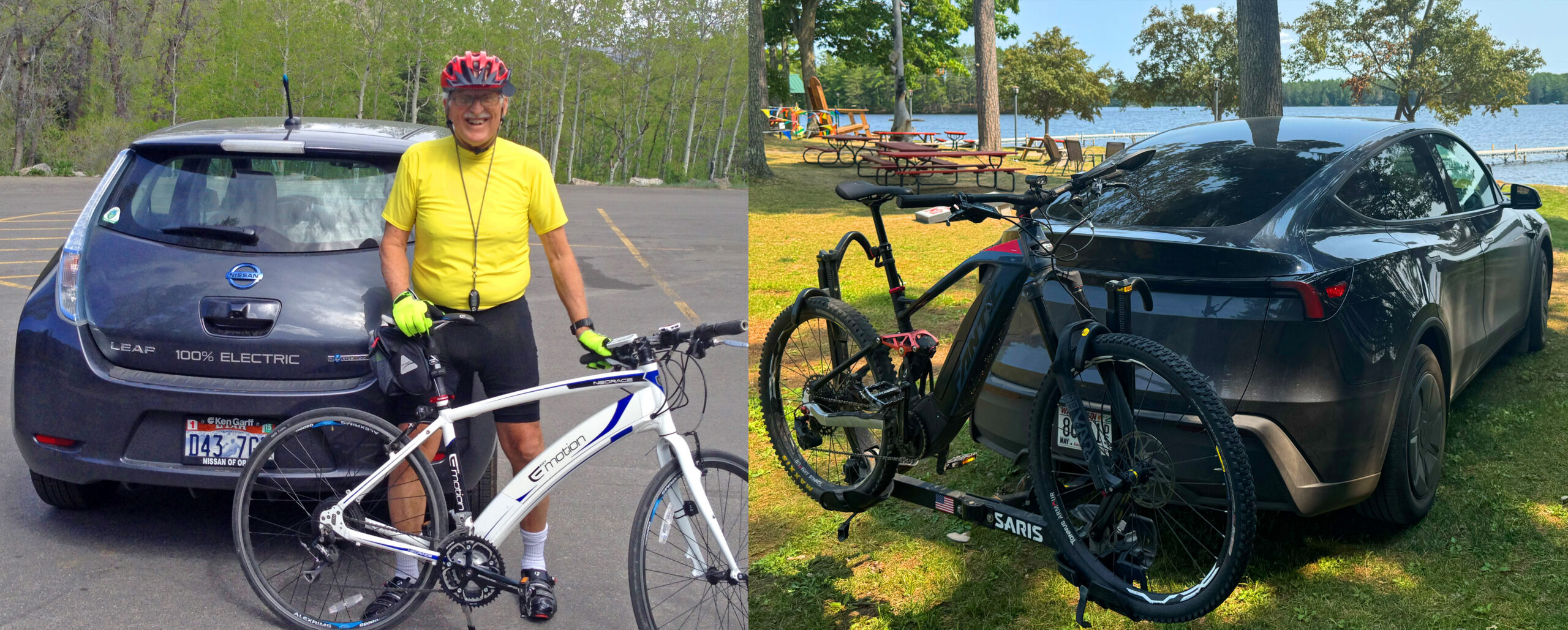
For many steadfast environmentalists, the path forward was clear. Choosing a pure BEV made an unequivocal ecological statement while delivering a superior local driving experience. Over the subsequent twelve-and-a-half years, this commitment manifested through successive ownership epochs: three generations of the Nissan Leaf, a 2019 Tesla Model 3, and eventually a 2026 Tesla Model Y.
The Modern BEV Era (Present Day)
In the span of a decade, range anxiety has largely shifted from a universal barrier to a localized inconvenience, mitigated by densifying supercharger networks and dense urban Level 2 AC charging availability. For long-distance road trips, modern BEVs manage travel logistics efficiently, transforming charging stops into routine pauses for meals, stretching, or administrative catch-up.

Yet, as the technology saturated broader demographics, lifestyle demands exposed the limits of pure battery architectures under specific, high-load conditions—paving the way for unexpected course-corrections even among seasoned EV households.
Supporting Context & Metrics: The Case of the Model X and the RAV4 PHEV
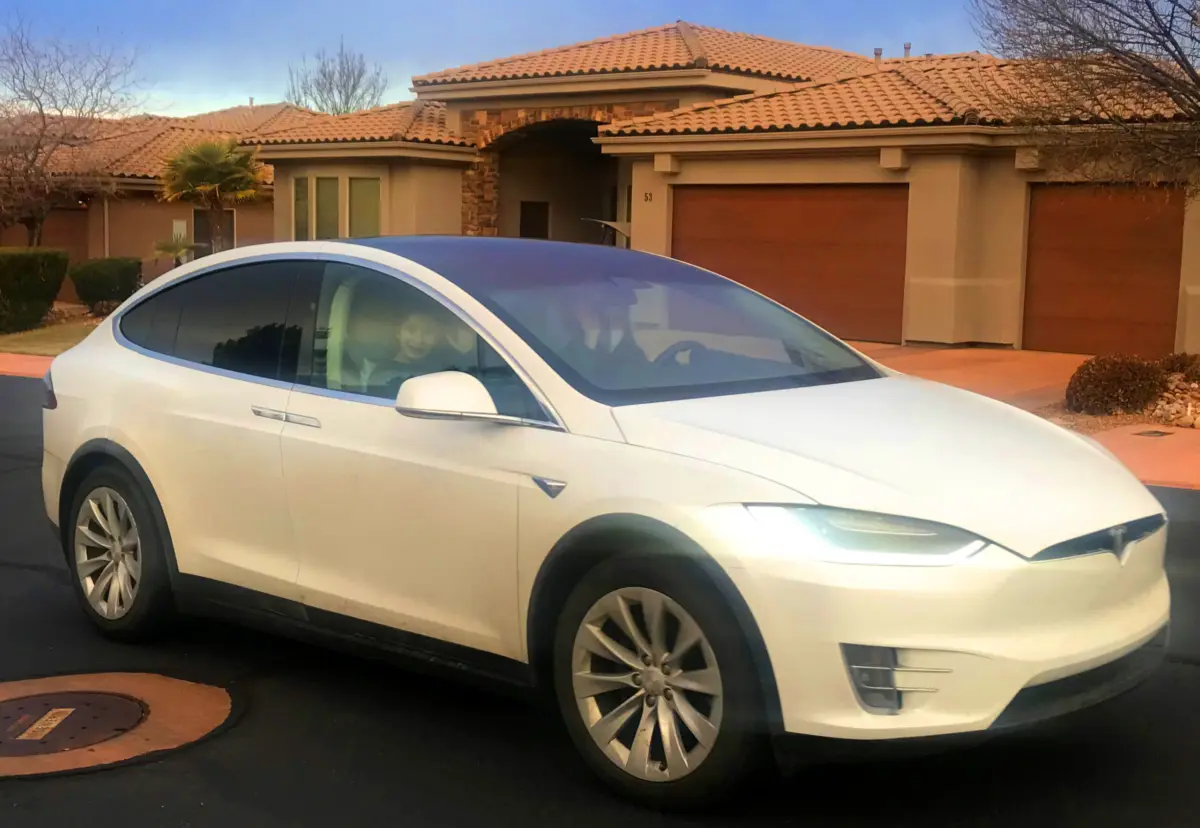
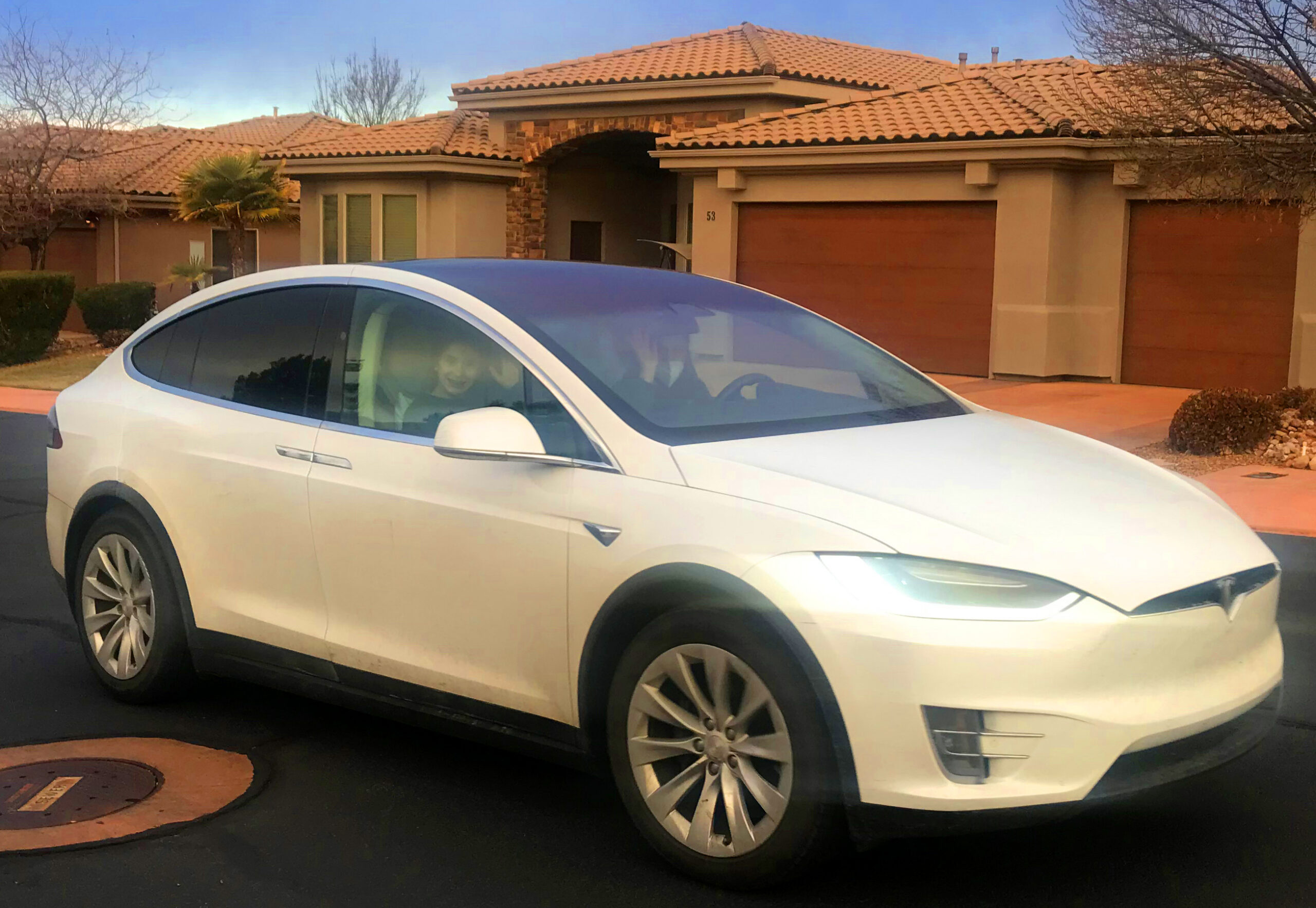
While multi-car BEV households report seamless transitions, individual use cases often dictate divergent paths. Consider the trajectory of a motorist who purchased her first pure electric vehicle—a 2018 Tesla Model X—in Salt Lake City, Utah.
The Limitations of Pure BEVs Under Heavy Payload
Boasting roughly 300 miles of all-electric range, the Model X initially served as an exceptional companion for an active, outdoor-oriented lifestyle. Ubiquitous Supercharger stations lined the main thoroughfares north, south, and east of Salt Lake City. Home garage charging covered 100% of municipal commuting, and the vehicle’s robust all-wheel-drive system mastered heavy mountain snowpacks while hauling bicycles and skis.

However, lifestyle evolution stress-tested the vehicle’s design parameters. Transporting multiple mountain bikes on an exterior rear rack during long-haul interstate road trips introduced severe aerodynamic drag, precipitating a dramatic drop in operational efficiency.
"The breaking point was a biking trip from Utah to Oregon where we had to stop and charge almost every hour, adding roughly four hours of driving time to what should have been an eight-hour journey," notes the former Model X owner.
The Pivot to the 2026 Toyota RAV4 Plug-In Hybrid
When lifestyle changes relocated the owner to a northern Wisconsin lake house—a region characterized by sparse high-speed DC fast-charging infrastructure and long-distance driving routes laden with outdoor gear—pure electric travel met its match. The solution required an alternative architecture: the modern plug-in hybrid.
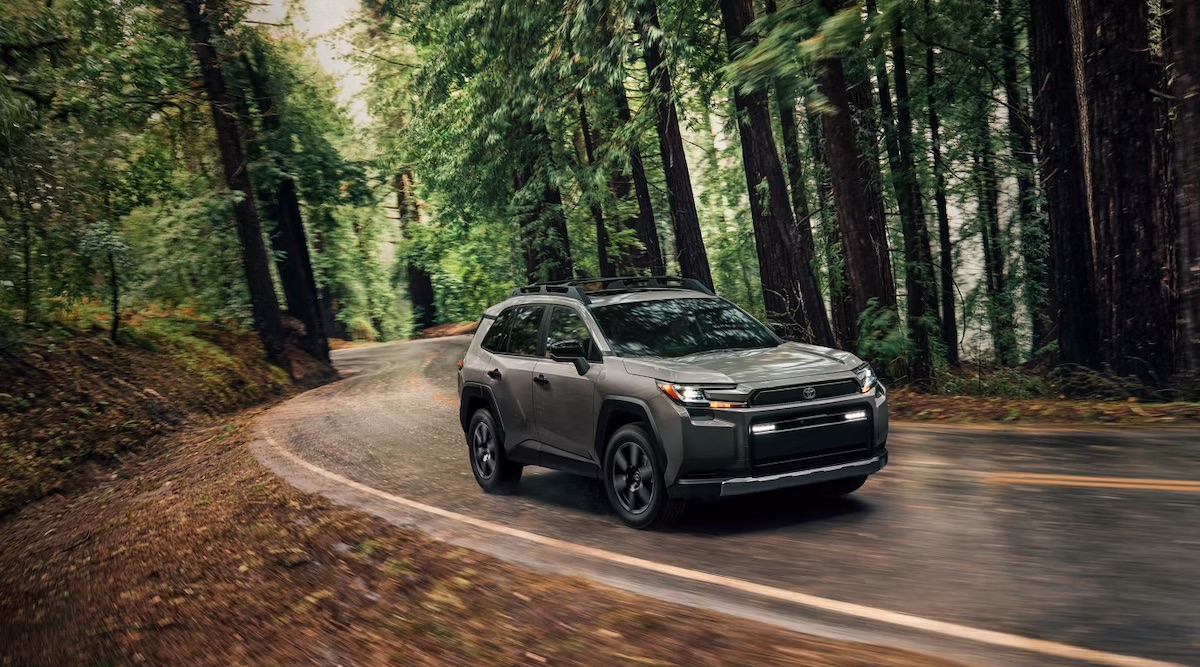
After evaluating available options, the choice fell upon the 2026 Toyota RAV4 Plug-In Hybrid (dropping the previous "Prime" nomenclature to streamline branding alongside the updated Prius lineup). Selecting the rugged Woodland edition provided several key advantages:
- Expanded All-Electric Range: Modern engineering updates pushed the RAV4 PHEV’s pure electric range to an impressive 54 miles on a single charge.
- Integrated Utility: A factory-installed towing hitch accommodated heavy-duty bicycle racks without aftermarket modifications, paired with increased cargo versatility.
- Infrastructure Synergy: Utilizing an existing 240-volt Level 2 home charger originally installed for the Tesla, the RAV4 replenishes its battery pack in a mere 2 to 3 hours.
For day-to-day municipal errands, the vehicle operates entirely on electricity, mirroring the behavioral patterns of a pure BEV owner. Yet, for extended intercity journeys, the gasoline powertrain unlocks a combined range exceeding 500 miles, eliminating mid-route charging stops entirely.
Official Perspectives: Pure BEVs vs. PHEVs in Mechanical Simplicity
The debate between proponents of pure battery-electric vehicles and advocates for plug-in hybrids frequently boils down to a fundamental engineering philosophy: mechanical minimalism versus operational redundancy.
The Pure BEV Advantage
Advocates for pure electric vehicles emphasize the inherent elegance of the BEV drivetrain. A battery-electric vehicle contains a fraction of the moving parts found in internal combustion or hybrid vehicles. Consider the elimination of traditional maintenance requirements:
- No oil changes, spark plug replacements, or fuel filter services.
- No complex transmissions, multi-speed gearboxes, or torque converters.
- No exhaust systems, catalytic converters, or municipal emissions inspections.
- Extended brake pad and rotor lifespan, courtesy of aggressive regenerative braking systems that handle the vast majority of deceleration duties.
Recent data compiled across commercial and consumer fleets indicates that modern electric motors are engineered to easily surpass one million miles of operational service, while high-voltage lithium-ion battery packs are increasingly projected to outlive the structural life of the vehicle itself (frequently exceeding 500,000 miles).
The PHEV Compromise
Conversely, critics of plug-in hybrids point out that PHEVs house two complete, distinct powertrains under a single skin. This dual-drivetrain architecture inherently increases mechanical complexity, introducing potential points of long-term failure common to both traditional internal combustion engines and electric motors.
Furthermore, a well-documented systemic flaw plagues the broader PHEV market: many vehicle owners fail to plug them in consistently. Operating a PHEV primarily on gasoline due to neglected home charging habits nullifies its environmental benefits, leaving the consumer dragging around a heavy, depleted battery pack alongside an inefficiently utilized combustion engine.
However, when operated conscientiously—utilizing the electric motor for daily municipal loops and reserving the combustion engine for infrequent long-distance runs—a PHEV can slash a driver’s petroleum consumption by 90% or more, reducing oil changes to an infrequent annual maintenance visit.
Future Outlook: The Path Forward for Zero-Emission Infrastructure
As the automotive industry barrels toward the middle of the decade, the infrastructure supporting electrified transport continues to evolve at a breakneck pace. The ideological divide between pure BEV purists and pragmatic hybrid adopters highlights critical lessons for automakers, policymakers, and infrastructure planners.
1. The Maturation of Charging Networks
The primary friction point for pure BEVs—long-distance towing degradation and sparse rural fast-charging networks—is slowly resolving. As North American charging standards unify, third-party networks expand, and solid-state battery research promises hyper-fast charging capabilities, the operational penalties of long-distance BEV travel will continue to shrink.
2. The Bridge Role of Advanced PHEVs
For regions with underdeveloped charging grids, or for consumers whose utility profiles involve extreme towing payloads across remote terrain, long-range plug-in hybrids serve as a vital transitional technology. By offering 50+ miles of pure electric range, vehicles like the updated RAV4 PHEV capture the vast majority of daily driving emissions without demanding lifestyle sacrifices on the open road.
3. The Ultimate Trajectory
Despite the niche utility of plug-in hybrids, the long-term macroeconomic and environmental trajectory points inexorably toward pure battery-electric dominance. The relentless march of cost parity, plummeting battery production expenses, and the undeniable superiority of low-maintenance, zero-emission drivetrains ensure that the pure BEV remains the gold standard of sustainable personal mobility.

For early adopters who made the leap a dozen years ago, looking back at the smoky hum of the internal combustion engine is a relic of the past. Whether through the streamlined efficiency of a pure battery electric or the pragmatic bridge of an advanced plug-in hybrid, the era of petroleum dependency is drawing to an inevitable close.