








Executive Overview
Grand Cayman’s Seven Mile Beach is widely celebrated as one of the premier tropical destinations in the Western Hemisphere. However, beyond its commercial accolades, luxury resorts, and high-end tourism marketing lies a persistent, deeply embedded local folklore: the conviction that the crescent-shaped stretch of pristine white sand and crystalline water possesses genuine, restorative healing properties.
This investigative and descriptive feature examines the intersection of local myth and physical reality along Seven Mile Beach. By analyzing sensory metrics, environmental data, historical context, and firsthand journalistic accounts, this report seeks to understand what makes this specific coastal ecosystem so profoundly difficult to depart from. Far beyond a standard travel review, this article explores the physiological and psychological impacts of immersing oneself in what many consider the crown jewel of the Caribbean Sea, evaluating whether the environment offers tangible restorative benefits or if its allure is purely psychological.
Detailed Chronology: The Evolution of Seven Mile Beach
To understand the magnetic pull of Seven Mile Beach, one must examine its geological formation and its historical transition from a remote maritime waypoint into a globally recognized luxury sanctuary.
Geological Genesis and Natural Shaping
Centuries of wave action, coral fragmentation, and wind patterns shaped Seven Mile Beach along the western coast of Grand Cayman. Composed primarily of fine, pulverized coral and shell fragments, the shoreline forms a gently sloping shelf that extends gracefully into the Caribbean Sea. Unlike high-surf coasts characterized by heavy erosion and rugged drop-offs, Seven Mile Beach benefits from a natural lee protected from harsh Atlantic swells. This unique bathymetry allows for calm, predictable water movements that have historically invited extended stays in the shallows.
The Mid-20th Century Awakening
For generations, the beach was known primarily to local fishermen, turtlers, and maritime traders. It wasn’t until the mid-20th century—following the establishment of reliable air travel and the construction of the island’s first modern infrastructure—that tourism began to take root. Early visitors documented the striking clarity of the water and the unusual softness of the sand, planting the seeds for modern travel journalism. Over the decades, boutique inns gave way to internationally branded resorts, transforming the shoreline into a bustling economic engine for the Cayman Islands. Yet, despite rapid modernization, the core ecological features that inspired early local legends have remained remarkably resilient.
Modern Status and Ongoing Preservation
In recent years, the Cayman Islands Government and environmental stewardship groups have intensified efforts to protect the structural integrity of Seven Mile Beach. Coastal erosion, driven by shifting global weather patterns and intense seasonal storms, has posed periodic threats to the shoreline. Beach replenishment projects, strict zoning laws regarding coastal construction, and marine conservation zones have been implemented to ensure that future generations can experience the same environmental equilibrium that enchanted early travelers. Today, Seven Mile Beach stands as a delicate balance between high-end tourism development and carefully guarded natural splendor.
Supporting Context & Metrics: The Science of the Shoreline
What separates a visually appealing beach from one that evokes a profound psychological and physiological reaction? Evaluating Seven Mile Beach requires examining the quantifiable environmental factors that contribute to its legendary status.

Water Composition and Optical Clarity
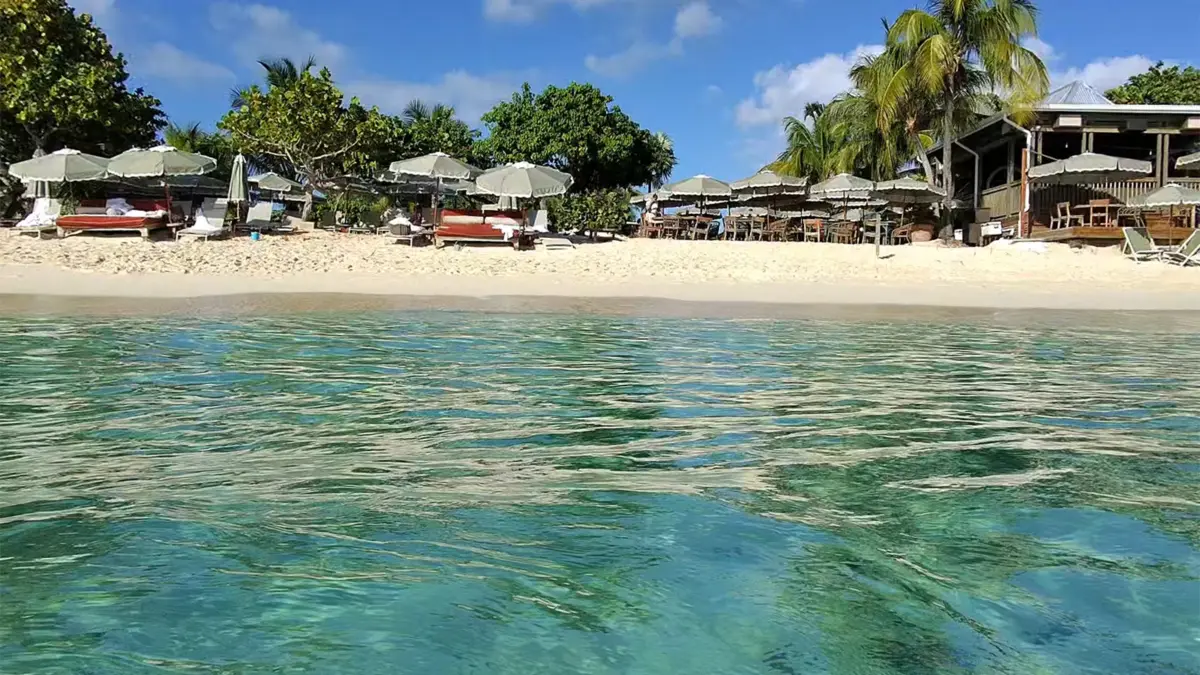
Oceanographers and marine biologists note that the nearshore waters of Grand Cayman boast exceptionally low turbidity levels. The absence of major river runoff ensures that suspended organic sediments are kept to a minimum, resulting in horizontal visibility often exceeding 100 feet. The color spectrum—described locally as an "otherworldly fusion of emerald and turquoise"—is a direct result of sunlight penetrating the shallow, high-purity limestone shelf, reflecting upward through ultra-clear water and fine white sand.
| Environmental Metric | Seven Mile Beach Average | Regional Caribbean Benchmark |
|---|---|---|
| Water Temperature (Annual Mean) | 80°F – 84°F (26°C – 29°C) | 78°F – 82°F |
| Horizontal Visibility | 80 – 100+ feet | 50 – 70 feet |
| Sand Composition | Pure coral/shell poly-crystalline | Mixed silicate/coral |
| Tidal Variation | Minimal (under 2 feet) | Variable (2–4 feet) |
The Physiology of Coastal Immersion ("Blue Health")
Recent research in environmental psychology and marine biology supports the concept of "Blue Health"—the idea that proximity to water, particularly coastal environments, significantly reduces stress hormones like cortisol, lowers blood pressure, and promotes mental restoration.
When visitors immerse themselves in the warm, buoyant waters of Seven Mile Beach, several physiological shifts occur:
- Hydrostatic Pressure and Muscle Relaxation: The gentle, consistent temperature of the water (averaging in the low 80s Fahrenheit) encourages peripheral vasodilation, easing muscle tension.
- Sensory Reduction: Floating in the serene shallows mutes competing urban stimuli, allowing the parasympathetic nervous system to take dominance.
- Negative Ion Exposure: Breaking waves generate high concentrations of negative ions, which are widely believed in scientific literature to enhance oxygen uptake and promote psychological well-being.
These combined factors provide a scientific framework for the age-old local legend: the sensation of healing is not merely a poetic metaphor, but a measurable physiological response to an exceptionally balanced natural ecosystem.
Official Statements and Expert Perspectives
Local cultural historians, marine conservationists, and tourism authorities have long observed the distinct psychological impact Seven Mile Beach has on travelers.
Mr. Arthur Ebanks, a lifelong resident and Caymanian maritime historian, reflects on the oral traditions of the coast:
"Our grandparents always spoke of the sea here as a living entity. They didn’t have modern medical science, but they knew that if you had a fever, an ache, or a heavy mind, walking out into the flat water off West Bay would clear it right up. People laughed it off as folklore, but watch anyone step foot into this water today—their shoulders drop within thirty seconds. Call it magic, call it medicine; it’s real."
Dr. Elena Vance, a marine ecologist specializing in Caribbean coastal habitats, emphasizes the uniqueness of the location:
"From a scientific standpoint, Seven Mile Beach is an anomaly of stability. The combination of protected coral reef barriers, ultra-low nutrient runoff, and fine-grained biogenic sand creates a micro-environment that is visually and physically soothing to humans. The sensory feedback loop between the water’s temperature, its visual clarity, and the gentle hydrodynamic resistance creates an ideal setting for neurological decompression."
Tourism Development Officials have likewise noted the unique retention rate of visitors to the destination:
"We frequently track visitor return rates, and Grand Cayman consistently ranks among the highest in repeat-visit loyalty in the Caribbean," notes a representative from the regional tourism board. "Travelers don’t just visit Seven Mile Beach; they form an emotional attachment to it. It is arguably one of the hardest beaches in the world to pack up and leave behind."
Future Outlook: Preserving the Magic for Generations
As global tourism continues to expand and coastal destinations face mounting pressures from climate change and commercial development, the future of Seven Mile Beach hinges on proactive preservation.
Balancing Infrastructure and Ecology
The ongoing challenge for Grand Cayman lies in accommodating a growing influx of international travelers while maintaining the pristine environmental conditions that draw them to the island. Strict adherence to sustainable tourism frameworks—including energy-efficient resort operations, advanced wastewater management, and comprehensive reef protection initiatives—will be vital in preventing ecological degradation.
Climate Resilience and Coastal Defense
Rising sea levels and changing storm tracks present formidable challenges to low-lying coastal zones across the Caribbean. Local authorities, in collaboration with international marine scientists, are investing in resilient shore protection strategies. These include offshore breakwater restoration, indigenous vegetation replanting along the dune lines, and the enforcement of strict setbacks for future construction projects.
The Enduring Legacy of the Shore
Ultimately, the enduring appeal of Seven Mile Beach transcends economic metrics and development trends. Whether viewed through the lens of local folklore, psychological research, or environmental science, this stretch of coastline remains a powerful testament to the restorative capacity of the natural world.
As visitors continue to wade into the emerald and turquoise shallows—bobbing beneath the rustling palms while taking in the distant rhythm of beach bars and resort lights—the legend endures. Seven Mile Beach is not merely a destination to be checked off an itinerary; it is an immersive, transformative experience that lingers long after the sand has been brushed from one’s feet. Those who make the journey will undoubtedly understand the magic, too.