











By Investigative Staff
Published: Special Industry Insight & Consumer Report
Executive Overview
For millions of commuters, travelers, and city dwellers, ordering a rideshare via platforms like Uber or Lyft is an effortless, everyday transaction. You tap a screen, a vehicle arrives, and minutes later you are dropped off at your destination. Yet, this transactional simplicity often obscures a fundamental reality: for the driver behind the wheel, your ride is not just a service—it is a business operation, a workspace, and, crucially, a private asset.
Because rideshare operators generally classify drivers as independent contractors rather than traditional employees, these operators bear the brunt of day-to-day capital expenditures. Fuel, insurance, routine maintenance, and interior detailing are almost universally paid out of the driver’s own pocket. Consequently, a driver’s perspective is sharply attuned to the physical conditions, operational delays, and interpersonal dynamics that passengers introduce into their vehicles.
While industry platforms emphasize that the vast majority of trips conclude safely and without incident, independent data collected by labor advocacy groups reveals a different story regarding day-to-day workplace friction. A 2023 survey conducted by the Strategic Organizing Center (SOC), which polled over 900 rideshare drivers, highlighted that two-thirds of respondents experienced varying degrees of threats, harassment, or verbal assault over a twelve-month period. These underlying safety and cost realities shape how drivers perceive passengers from the very instant a ride is requested.
This report examines the nuanced, often unspoken dynamics of the passenger-driver relationship, detailing the six primary factors rideshare drivers notice immediately upon pickup, and explaining how minor behavioral adjustments can transform a stressful commute into a harmonious journey.
Detailed Chronology: The First Ninety Seconds of a Rideshare Interaction
The psychological assessment of a passenger begins long before the vehicle shifts into drive. According to aggregated insights from active driver forums and safety studies, a driver’s evaluation occurs in distinct phases over the first ninety seconds of contact.
Phase 1: The Wait and The Approach (T-Minus 60 Seconds)
The interaction begins at the curb. Drivers instantly evaluate whether a passenger is waiting at the designated pickup zone, prepared to enter the vehicle without delay. Unprepared riders who request a vehicle while still inside a residence or commercial establishment trigger an immediate logistical penalty for the driver. Because time directly correlates with earnings in the gig economy, waiting past the standard grace period—typically two minutes for standard tiers and up to five minutes for premium services like Uber Black—incurs standard platform wait-time fees. More importantly, it creates immediate friction and sets a tense tone for the remainder of the trip.

Phase 2: The Physical Threshold (T-Zero to 15 Seconds)
As the passenger approaches and opens the door, drivers unconsciously and consciously scan for environmental hazards. This includes assessing the cleanliness of the passenger’s footwear and clothing. Mud, chemical residues, industrial grime, or unsecured food and beverage containers signal an elevated risk of interior damage. Drivers frequently recount instances of canceling rides when encountering passengers covered in construction dust or heavy outdoor work gear, noting that a single untidy fare can compromise the cleanliness standards required for the subsequent ten passengers.
Simultaneously, drivers register the physical olfactory signature of the rider. Strong airborne compounds—ranging from heavy colognes and artificial fragrances to residual smoke or pungent food odors—immediately saturate the confined cabin space. Because ventilation in a moving vehicle is limited, these sensory inputs can trigger physiological discomfort, including watering eyes, coughing fits, or throat irritation for both the driver and anyone entering the car later that day.

Phase 3: The Boarding and Settlement (15 to 90 Seconds)
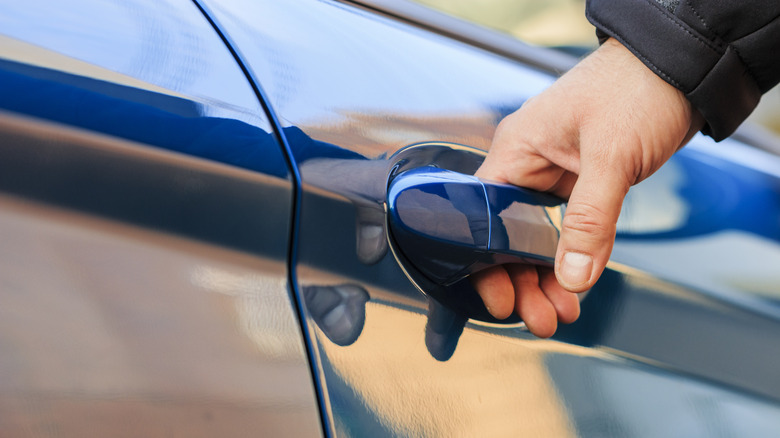
Once inside, the passenger’s behavioral indicators finalize the driver’s assessment. The manner in which the car door is closed serves as an immediate barometer of respect for the driver’s property. Door slamming—a recurrent grievance highlighted across transportation forums—stresses mechanical door seals, window tracks, and locking mechanisms, while also acting as a psychological cue of aggressive or careless behavior.
Finally, auditory and emotional tone is established. Whether the passenger launches into a loud speakerphone conversation, streams high-volume audio via social media platforms without headphones, or projects an agitated, unpredictable mood, the driver evaluates these signals through the lens of personal security and cabin comfort.
Supporting Context & Metrics: Economics, Safety, and Cabin Dynamics
To fully understand why drivers are hyper-vigilant upon passenger entry, one must analyze the broader economic and safety framework underpinning the modern rideshare ecosystem.
The Independent Contractor Burden
Unlike traditional taxi fleets where vehicle maintenance, cleaning supplies, and insurance are absorbed by a central medallion holder or corporation, modern rideshare operators utilize a decentralized model. Drivers operate as micro-entrepreneurs. Every spilled beverage, muddy footprint, or lingering odor represents a direct threat to their bottom line. While platforms do offer cleaning fee reimbursement processes, securing these payouts often requires submitting photographic evidence and dealing with support queues, translating to lost working hours.
Safety Realities and Workplace Environment
The confined, intimate nature of an automobile interior creates unique occupational hazards. Although safety reports published by major rideshare companies frequently highlight that over 99% of trips are completed without formal safety incidents, independent labor research paints a more complex picture. The aforementioned SOC data indicating that 66% of surveyed drivers faced threats, harassment, or physical safety challenges underscores why first impressions matter. A passenger who appears visibly agitated, intoxicated, or belligerent upon entering the vehicle immediately activates a driver’s self-preservation instincts.
Behavioral Breakdown: What Drivers Notice Most
| Category | Passenger Behavior | Driver Impact / Consequence | Recommended Adjustment |
|---|---|---|---|
| Olfactory | Heavy perfume, body odor, smoke, or pungent food. | Cabin air saturation; potential allergic reactions; lingering odors affecting future fares. | Apply fragrances lightly; avoid consuming strong-smelling foods inside the vehicle. |
| Mechanical | Forceful door slamming. | Accelerated wear and tear on door seals, hinges, and latches; perceived disrespect. | Close the door with moderate, controlled force. |
| Acoustic | Loud speakerphone calls, unmuted videos, or group noise. | Distraction for the driver; cabin sensory overload. | Use headphones; mute mobile devices or keep audio low. |
| Sanitation | Muddy boots, unsealed drinks, loose trash. | Risk of interior stains; potential cleaning fees; ride cancellations. | Knock off excess dirt; ensure beverages are in secure, spill-proof containers. |
| Temporal | Delayed readiness at the curb. | Lost earnings potential; frustration; activation of wait-time fees. | Wait to book until physically present and ready at the designated pickup zone. |
Official Industry Statements & Platform Policies
Major rideshare platforms have progressively introduced technological and policy updates to bridge the gap between passenger convenience and driver safety.

In recent updates, companies like Uber have rolled out enhanced rider-driver matching features—such as preferences empowering female and non-binary riders and drivers to match selectively—aiming to bolster baseline comfort and security. Furthermore, tiered service levels like Uber Comfort allow passengers to preemptively declare their conversational preferences (e.g., requesting a quiet ride or a chatty driver) before stepping foot in the vehicle. This feature serves to manage expectations and reduce interpersonal friction in enclosed spaces.
Regarding financial accountability, platform policies clearly delineate expectations around vehicle upkeep. Uber’s official policy on wait-time fees establishes that riders are granted a strict grace period (typically two minutes post-arrival) before automatic per-minute fees accrue, reinforcing the economic value of passenger punctuality. Similarly, strict policies govern property damage, empowering drivers to submit claims for professional detailing when passengers leave behind irreversible stains, biological messes, or extreme structural odors.
Industry advocates emphasize that these rules and observations are not designed to police passenger behavior arbitrarily, but rather to maintain a sustainable ecosystem where independent contractors can earn a living wage without absorbing preventable operational losses.
Future Outlook: Evolving Standards in Shared Mobility
As the rideshare industry matures, the intersection of autonomous vehicle technology, smart-cabin sensors, and evolving labor standards promises to reshape the dynamics of passenger-driver interactions.
Looking ahead, we can anticipate several key shifts:
- Advanced Cabin Monitoring: While currently utilized primarily for fleet management and safety verification, smart-cabin technology may increasingly monitor interior conditions in real time, alerting passengers to noise thresholds or potential mess hazards autonomously.
- Refined Preference Matching: Future iterations of rideshare algorithms will likely expand preference matching beyond mere conversation levels, allowing users and drivers to filter trips based on acoustic tolerances, temperature preferences, and luggage volume.
- Enhanced Economic Protections: As regulatory battles regarding the employment status of gig workers continue across various states and international jurisdictions, structural support for vehicle maintenance and cleaning subsidies may evolve, potentially alleviating some of the financial anxiety currently borne exclusively by drivers.
Ultimately, the rideshare experience remains a collaborative human interaction. By recognizing that the vehicle is a driver’s private livelihood, passengers who practice basic courtesy—respecting personal space, managing noise levels, keeping odors subtle, and arriving on time—ensure a safer, more efficient, and more pleasant journey for all parties involved.


