







By Streetsblog USA Investigative Desk
Published August 19, 2026
Executive Overview
In the modern era of hyper-connected global fandoms, the rollout of a new album by a chart-topping artist—whether it is Taylor Swift, Drake, Bad Bunny, or another generational music icon—is no longer a quiet midnight digital release. It has transformed into a high-stakes, high-adrenaline cultural phenomenon. Millions of devoted fans log onto streaming services simultaneously, line up outside pop-up merch stores for days, and flood downtown urban cores in chaotic, frenzied celebration.
Yet, beneath the glittering veneer of record-breaking streaming numbers and viral social media moments lies a growing, underreported hazard: the intersection of massive public gatherings, midnight logistics, and car-centric urban infrastructure.

As cities across the United States continue to grapple with pedestrian safety crises, urban planning experts and pedestrian advocates are raising an uncomfortable question: Are our auto-dominated streets fundamentally unequipped to handle the sudden, highly concentrated waves of pedestrian traffic generated by these massive cultural events?
When thousands of fans pour onto poorly lit, high-speed arterial roads at 12:01 AM to secure physical copies of an album, attend midnight listening parties, or swarm downtown venues, they enter an environment engineered for vehicles, not human celebration. This investigative feature explores the systemic urban safety risks surrounding high-profile entertainment drops, the anatomy of midnight infrastructure hazards, and the urgent need to redesign our public spaces to protect pedestrians from the lethal combination of midnight excitement and fast-moving traffic.
Detailed Chronology: The Anatomy of a Modern Midnight Drop
To understand the modern danger, one must examine how the ritual of album releases has evolved over the past decade.
The Shift from Physical Shelves to Digital Chaos
Historically, album releases happened on Tuesdays, and fans typically waited until morning to visit a brick-and-mortar record store like Tower Records or FYE. The physical footprint of consumption was spread out over daylight hours.
However, the industry-wide shift to Friday midnight global releases—standardized by the International Federation of the Phonographic Industry (IFPI) in 2015—compressed all anticipation into a single, high-intensity moment. When the clock strikes 12:00 AM EST (or midnight in local time zones worldwide), millions of streams go live instantly. For superfans, this digital spark immediately spills over into the physical world. Pop-up shops announced mere hours prior on Instagram or TikTok attract instant lines spanning multiple city blocks.
The Midnight Rush on Urban Core Infrastructure
Consider the typical urban footprint of a surprise midnight pop-up or album activation in cities like New York, Los Angeles, Chicago, or Atlanta:
- 10:00 PM: Word spreads online that an artist has dropped coordinates for a limited-edition merch drop or midnight listening session.
- 11:30 PM: Thousands of young adults, many dressed in elaborate, highly visible fan-themed outfits, converge on dense commercial districts. Sidewalk capacity is routinely overwhelmed, forcing crowds to spill directly into parking lanes and active traffic corridors.
- 12:01 AM: The album drops. Phones light up, cheers erupt, and spontaneous street takeovers or unregulated cross-street surges occur as fans attempt to reach venues, friends, or rideshare vehicles.
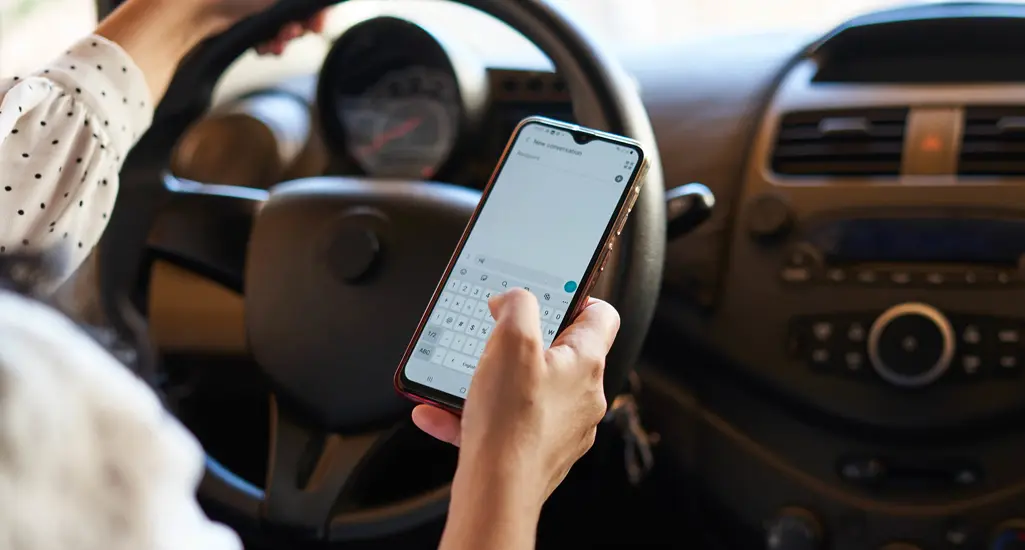
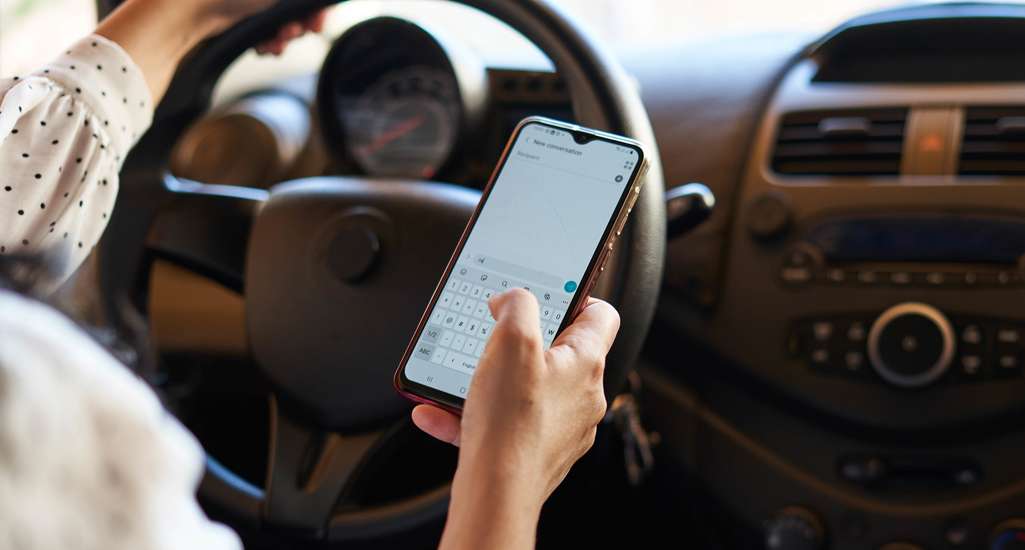
- 12:30 AM – 3:00 AM: Intoxicated by excitement—and occasionally alcohol or fatigue—crowds disperse rapidly. Rideshare vehicles double-park in travel lanes, pedestrians cross mid-block (jaywalk) without looking while glued to their smartphones, and fatigued drivers navigate through dense, unpredictable pedestrian obstacles on poorly illuminated stroads.
This volatile mix of high-speed vehicular corridors, inadequate pedestrian infrastructure, and sudden surges of distracted foot traffic creates a textbook recipe for traffic violence.
Supporting Context & Metrics: The Crisis of American Pedestrian Safety
To contextualize the dangers of event-driven urban crowding, one must look at the broader, harrowing landscape of American pedestrian safety. Streetsblog has long documented the alarming rise in pedestrian fatalities across the United States, a trend exacerbated by poorly designed infrastructure and the proliferation of oversized SUVs and light trucks.
The Lethal Reality of American "Stroads"
Most American cities are built around "stroads"—hybrid street-roads that attempt to move high volumes of vehicular traffic at high speeds while simultaneously serving local commercial destinations. These corridors are notoriously dangerous for everyday pedestrians, but their design flaws are lethally magnified during large-scale public events.
- Lack of Safe Crossings: Arterial roads featuring six lanes of traffic often have crosswalks spaced a half-mile or more apart. When fans need to reach a pop-up event on the opposite side of a wide boulevard, they rarely walk blocks out of their way; instead, they attempt dangerous mid-block crossings.
- Inadequate Lighting: Commercial strips frequently lack pedestrian-scaled lighting, relying instead on towering overhead highway lights that cast deep shadows over curbs and sidewalks, making dark-clad pedestrians nearly invisible to motorists.
- Distraction and Fatigue: Midnight events inherently involve sleep deprivation and sensory overload. Fans listening to new music through headphones have severely impaired situational awareness, while drivers returning home late at night suffer from reduced reaction times.
The Rideshare Factor
Compounding the midnight danger is the modern logistics of transit. Traditional public transit systems—subways, light rail, and buses—frequently scale back operations or shut down entirely between midnight and 5:00 AM. Consequently, tens of thousands of concertgoers and pop-up attendees rely on rideshare services (Uber and Lyft).
This creates a chaotic zone of double-parking, sudden curbside drop-offs, and darting passengers crossing behind or between vehicles. A major album release or midnight event turns ordinary blocks into disorganized pick-up zones where visibility is severely blocked by idling SUVs.

Official Statements and Expert Perspectives
Urban planners, traffic safety advocates, and municipal officials are increasingly sounding the alarm about how entertainment culture intersects with public space management.
"We design our cities as though human activity stops when the sun goes down, except for vehicular throughput," notes Dr. Elena Vance, an urban sociologist specializing in public space utilization at Columbia University. "When a massive cultural event pulls thousands of people into the streets at midnight, they are stepping into an environment that treats the human body as an intruder. Our streets are fundamentally hostile to spontaneous communal gatherings."
Municipal transportation departments have historically treated midnight crowds as an issue for law enforcement or crowd control rather than an infrastructure challenge. However, traffic safety coalitions argue that policing alone cannot solve a systemic design failure.
"You cannot ticket your way out of a bad street design," says Marcus Holloway, director of the Safe Streets Coalition. "When Taylor Swift or Drake drops an album, or when a major tour hits town, the sheer volume of pedestrian energy exposes every single flaw in our built environment. If a street isn’t safe for a distracted teenager crossing at midnight, the street is broken—not the teenager."
Industry analysts also point out that record labels and entertainment conglomerates generate billions of dollars from these rollouts yet contribute virtually nothing to the municipal safety infrastructure required to manage the physical crowds they summon. Critics argue that corporations organizing physical pop-up activations should be legally mandated to coordinate with city departments of transportation to implement temporary street closures, pedestrian-only zones, and enhanced lighting.
Future Outlook: Reimagining the Public Realm for the 24-Hour City
As popular culture continues to accelerate and hyper-engaged fandoms grow even more mobilized, the clash between midnight entertainment and car-dependent infrastructure will only intensify. Addressing this hidden urban safety crisis requires a fundamental shift in how cities approach nighttime mobility and public space.
1. Permanent Infrastructure Upgrades on Commercial Corridors
Cities must aggressively redesign high-density commercial corridors to prioritize vulnerable road users over high-speed vehicular flow. Key interventions include:

- Raised Crosswalks and Speed Tables: Forcing motorists to slow down automatically, regardless of the hour.
- Pedestrian Bulb-Outs: Shortening crossing distances across wide stroads and improving visibility for both pedestrians and drivers.
- Pedestrian-Scale Lighting: Replacing glaring overhead highway lamps with warm, focused lighting that illuminates sidewalks and crosswalks.
2. Proactive Municipal Event Management
Rather than reacting to pop-up announcements reactively, progressive cities should establish rapid-response permitting frameworks for major cultural events. When an artist announces a midnight activation, city agencies should swiftly deploy:
- Temporary Street Closures: Restricting vehicular access entirely around high-volume pop-up zones, mirroring successful European pedestrianization models.
- Dedicated Rideshare Corridors: Establishing designated, well-lit pick-up and drop-off zones away from pedestrian bottlenecks to eliminate dangerous double-parking.
3. Expanding Late-Night Public Transit
The privatization of late-night mobility through rideshare apps has proven dangerous and inequitable. Cities must invest in 24-hour public transit options—keeping subways, light rails, and frequent bus lines operational during major weekend release windows. Moving thousands of fans via high-capacity, dedicated right-of-way transit instantly removes thousands of erratic vehicles from midnight streets.
Conclusion
The anticipation surrounding a major album drop is a celebration of art, community, and shared human emotion. It is a testament to the power of music to unite millions across the globe. But as long as our cities force these vibrant human celebrations to share narrow, high-speed asphalt corridors with multi-ton vehicles, every midnight release carries an invisible, unacceptable toll.
It is time for city planners, transportation officials, and the entertainment industry to recognize that public safety does not end when the sun goes down. Rebuilding our streets for the 24-hour city isn’t just about traffic flow—it’s a matter of life and death.