








Executive Overview
For decades, the global superyacht charter market followed a predictable, well-worn trajectory. When the Mediterranean summer season dawned, ultra-high-net-worth individuals, billionaires, and royal entourages invariably pointed their prows toward the familiar waters of the South of France, the glamorous harbors of the Italian Riviera, and the sun-drenched cliffs of the Amalfi Coast. Monaco, Cannes, St. Tropez, and Capri formed an unchallenged holy trinity of luxury maritime tourism.
However, a profound structural shift has quietly reshaped the geography of global luxury cruising over the past three years. According to leading maritime brokers and charter experts, the premier league of the yachting world is migrating eastward. Croatia—flanked by Montenegro and extended northward into the historic canals of Venice—has emerged as the undisputed darling of modern superyacht itineraries.
This is not merely a transient spike in tourism; it is a fundamental evolution in how the world’s elite experience maritime leisure. Driven by a desire for untrammeled natural beauty, uncrowded anchorages, and authentic cultural immersion, charterers are trading the congested marinas of the Western Mediterranean for the secluded limestone bays, pristine islands, and organic, farm-to-table coastal havens of the Adriatic.
Detailed Chronology of the Adriatic Shift
To understand how the Adriatic Sea transformed from a secondary cruising ground into the epicenter of global superyacht activity, one must trace the convergence of infrastructure development, shifting consumer psychology, and geopolitical luxury trends over the past decade.
Phase 1: The Infrastructure Boom (Early to Mid-2010s)
Historically, Croatia’s breathtaking coastline—dotted with over a thousand islands, islets, and reefs—was primarily the domain of avid sailors, boutique gulets, and intrepid adventurers. The infrastructure simply did not exist to support modern mega-yachts. Deep-water berths capable of accommodating vessels exceeding 130 feet were scarce, local bunkering facilities were limited, and specialized marine services were hard to come by.
Recognizing the immense economic potential of high-net-worth maritime tourism, the Croatian government, alongside private foreign and domestic investors, initiated a massive overhaul of coastal infrastructure. Old commercial ports were dredged, modern marinas equipped with high-voltage shore power and high-speed fueling stations were constructed, and regulatory frameworks governing yacht charters were streamlined to welcome international flagged vessels. Simultaneously, neighboring Montenegro invested heavily in ultra-luxury developments, most notably Porto Montenegro in Tivat—a world-class deep-water mega-yacht marina that instantly put the southern Adriatic on the global map.
Phase 2: The Fatigue of the Traditional Hotspots (Late 2010s to 2020)
As the infrastructure matured, a parallel psychological shift was occurring among veteran charter clients. The classic hotspots of the Western Mediterranean were beginning to suffer from their own success. Iconic destinations like the French Riviera and the Amalfi Coast faced unprecedented congestion during peak summer months.

Yacht owners and charterers routinely reported finding it difficult to secure prime berths in ports, navigating seas choked with maritime traffic, and struggling to enjoy private time on the water or anchor securely away from the crowds. The magic of secluded anchoring was increasingly compromised by noise, pollution, and a lack of privacy. Experienced charterers who had spent decades cruising Western Europe began quietly asking their brokers for alternatives—places where they could experience genuine maritime isolation without sacrificing five-star luxury amenities.
Phase 3: The Post-Pandemic Pivot and the Arrival of the Giants (2021–Present)
The global health crisis of the early 2020s accelerated a broader flight toward wide-open spaces, natural health, and low-density travel. Croatia and Montenegro fit this brief perfectly. What began as a trickle of curious explorers quickly became a flood.
According to Bozena Kascelan, an esteemed charter manager with international brokerage firm IYC, something fundamental shifted in the market between 2023 and 2026. "The yachts are changing," Kascelan observes. "Croatia is getting a lot more bigger boats than before. Even the experienced charterers, they got tired of the South of France and Amalfi. They wanted something different."
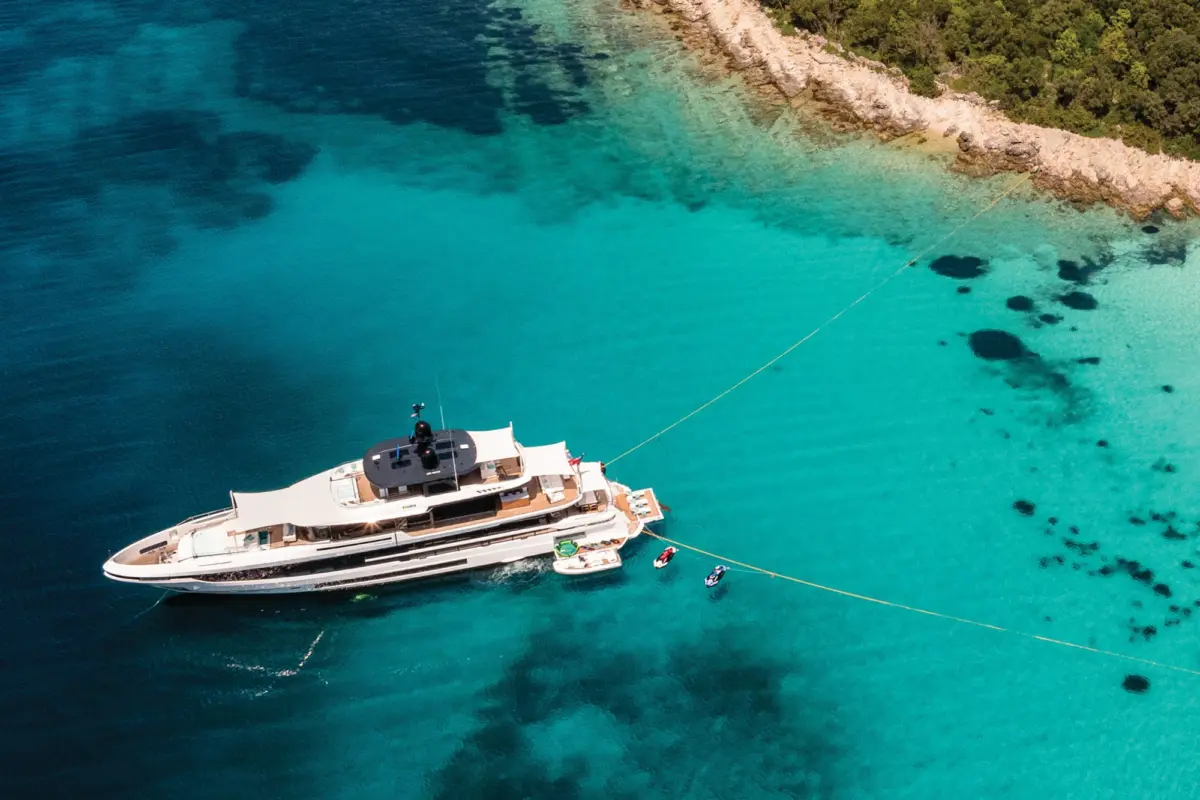
Today, the vessels navigating the Dalmatian coast are no longer modest sailing yachts or older motor cruisers. They are state-of-the-art, high-volume superyachts ranging from 130 to 230 feet in length, featuring advanced stabilization, extensive water toy garages, and top-tier interior styling.
Supporting Context & Metrics: The Anatomy of a Modern Adriatic Charter
The sheer scale and sophistication of the yachts now plying Adriatic waters reflect a market that has matured overnight. No longer an experimental destination, Croatia and Montenegro command bookings from the upper echelon of the global charter fleet.
The Fleet Profile: Bigger, Newer, and More Luxurious
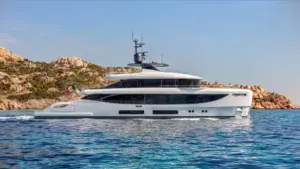
The caliber of vessels currently deployed in the region reads like a showcase of modern naval architecture and bespoke interior design. Among the crown jewels currently servicing the Adriatic is the Eva4Eva, a stunning 2025 build and the newest—and currently only—Mangusta Oceana 44 available for international charter. Accommodating 12 guests serviced by an attentive crew of nine, the vessel represents the new wave of high-performance, voluminous trans-oceanic motor yachts making their home in regional waters.
Similarly, vessels like the 145-foot Sanlorenzo La La Land have redefined on-water entertainment. Outfitted with next-generation acoustic soundscapes and immersive lighting systems, La La Land bridges the gap between high-octane outdoor adventure and sophisticated interior luxury.
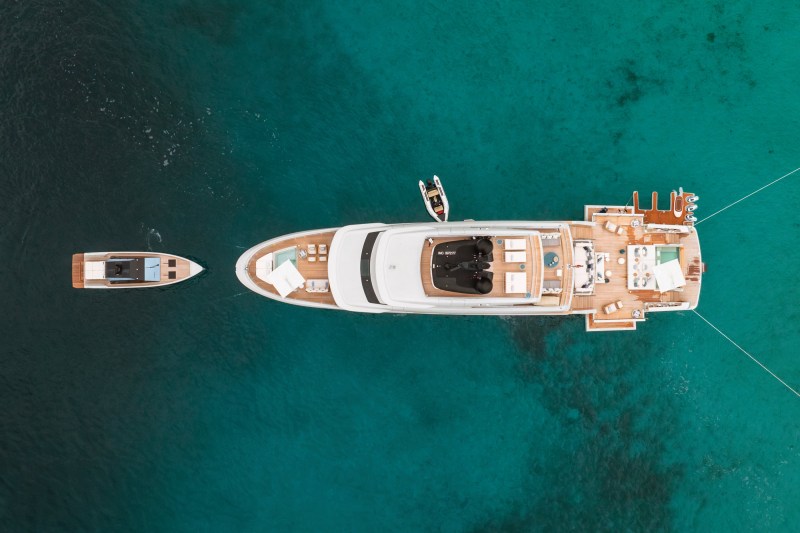
For those seeking immaculate condition and high-design pedigree, the Custom Line 120 Erolia—delivered in 2022—has become a fixture of Croatian itineraries. Paired with a sleek Wallytender 48 chase boat, Erolia offers guests the ultimate blend of high-speed coastal exploration and refined comfort when heading ashore for dinner or wine tastings.
Itinerary Dynamics: Flexibility and Seamless Cross-Border Cruising
Unlike the rigid, linear itineraries often demanded by the geography of the Amalfi Coast or the French Riviera, the Adriatic offers a sprawling, highly adaptable cruising playground. Clients routinely book charters spanning seven to fourteen days, utilizing a modular approach to regional exploration.
"They are alternating their bookings one year along one section of the Croatian coastline, and then another year along another stretch," explains Kascelan. "They sometimes include Montenegro, and even Venice, Italy, as part of the itineraries."
This cross-border fluidity allows guests to experience the Venetian lagoon’s historic grandeur, transition down through the dramatic fjord-like Bay of Kotor in Montenegro, and spend days meandering through the labyrinthine island chains of central and southern Dalmatia—all within a single two-week vacation.
The Illusion of Total Isolation
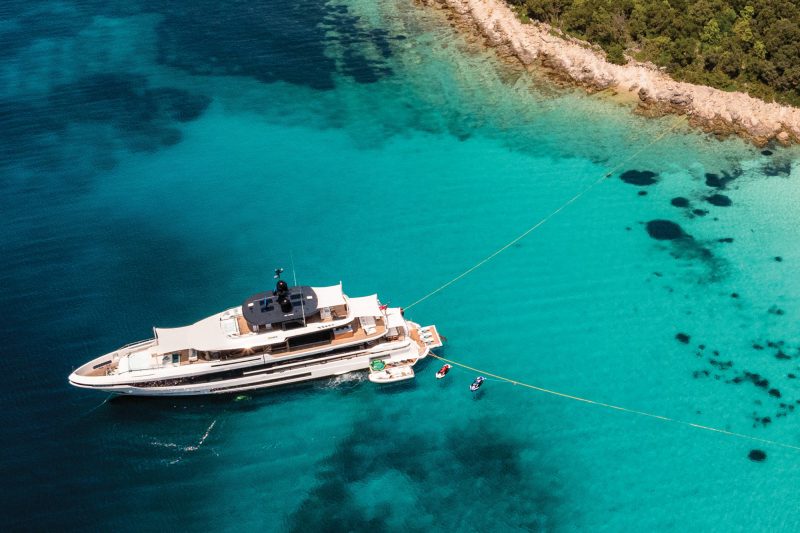
Despite the influx of mega-yachts, the Adriatic retains its defining characteristic: space. While ports like Dubrovnik and Split bustle with historic charm and cosmopolitan energy, the surrounding geography offers immediate refuge.
"Yachting is not overcrowded here, and you have a lot of places you can go to have privacy when you get your toys out," Kascelan notes. "It’s a lot easier than in France or Italy. There are many little bays. So even though you’re close to the bigger cities like Dubrovnik or Split, you have a feeling of total privacy."
This juxtaposition of urban sophistication and wild, untouched nature is a rare commodity in modern luxury travel. A charterer can spend the morning touring medieval palaces and dining at Michelin-starred restaurants, and by afternoon, drop anchor in a completely deserted emerald cove accessible only by tender or yacht.
Official Statements & Industry Perspectives
The rapid ascent of the Adriatic is underscored by firsthand accounts from industry leaders who manage the high-net-worth interface on a daily basis. The consensus among top-tier brokers is that the region’s appeal lies not in artificial luxury constructs, but in authentic, land-based experiences that money normally struggles to buy elsewhere.
The Rise of Authentic, Organic Luxury
In the traditional hubs of the Western Mediterranean, luxury is often defined by glitz, high-profile beach clubs, and exclusive designer boutiques. While Croatia and Montenegro certainly offer high-end dining and five-star service, their competitive advantage increasingly lies in an entirely different direction: hyper-local, organic, and familial hospitality.
"Compared to everywhere else, Montenegro and Croatia are places with real family restaurants with all-organic food," Kascelan emphasizes, highlighting a trend that is becoming a primary driver for discerning clients. "It’s very rare to find in the world. The captains can get you into family-owned vineyards. We have more and more clients who are looking for this."
This appetite for authenticity has transformed the role of the modern superyacht captain and charter broker. Success in the Adriatic is no longer measured solely by securing a slip at a crowded, fashionable port, but by the ability to orchestrate private tastings at centuries-old family vineyards on the Pelješac Peninsula, source organic truffles from local foragers, or arrange private dinners on secluded islands far from the flashbulbs of the paparazzi.
Extending the Season: The September and October Advantage
Another critical metric driving the region’s popularity is its extended meteorological viability. While the Western Mediterranean experiences a sharp drop-off in charter activity and weather reliability by mid-September, the southern Adriatic maintains a remarkably benevolent climate well into the autumn months.
"The weather is good for charter through early October," Kascelan points out. This extended window provides a distinct tactical advantage for charterers seeking to avoid the intense heat and tourist congestion of July and August. Furthermore, this late-season viability translates into greater operational flexibility. "It’s often possible to get a last-minute booking at this time of year. That’s true not only for the boats, but also for the shoreside experiences."
Future Outlook: The Cultural Anchor of Dubrovnik
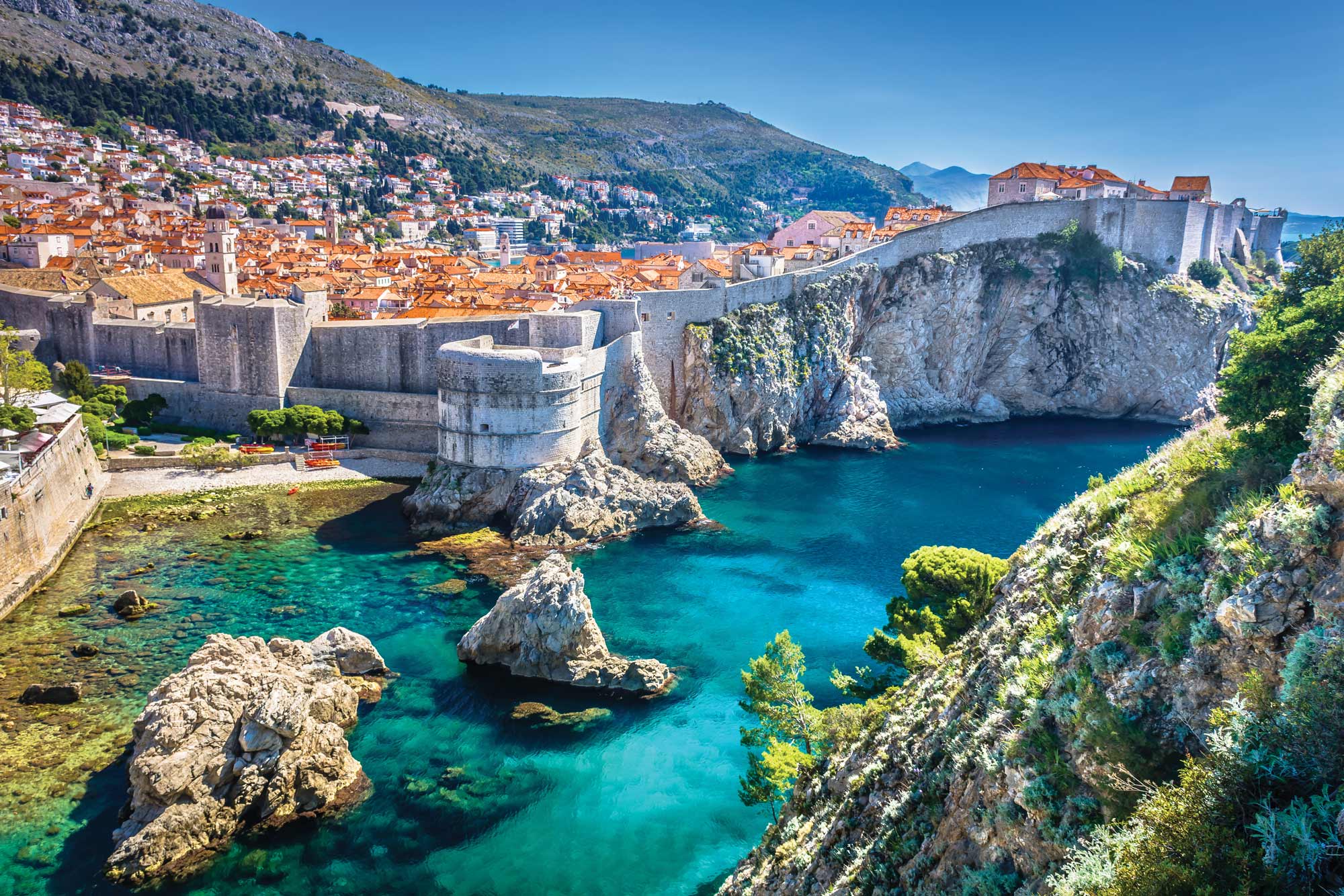
No discussion of the Adriatic superyacht boom is complete without examining its anchor points—chief among them the historic walled city of Dubrovnik. Nearly every charter itinerary operating in Croatian waters includes a pilgrimage to this architectural marvel, often referred to as the "Pearl of the Adriatic."
Preserved History Meets Modern Luxury
Dubrovnik offers a masterclass in historical preservation. The city’s iconic fortification walls stretch for more than a mile, completely encircling a remarkably well-preserved Old Town where pedestrian-only cobblestone streets wind past centuries-old limestone palazzos, baroque churches, and sun-bleached squares.
The architecture spans multiple historical eras—from Venetian Gothic to Renaissance and Baroque—creating a living museum that seamlessly accommodates contemporary luxury travelers. Captains anchor their vessels just outside the historic harbor or in nearby sheltered bays, while tenders shuttle guests directly to the stone gates of the Old Town.
Pop Culture and Global Prominence
In recent years, Dubrovnik’s global profile received an astronomical boost as the primary filming location for King’s Landing in the HBO phenomenon Game of Thrones. While this brought an influx of cultural tourists, the city’s inherent grandeur and stringent heritage preservation laws have ensured that it retains its majestic dignity. For superyacht guests, walking the ancient ramparts at sunset or dining in private courtyards hidden behind centuries-old stone facades offers an immersive historical experience that modern resorts simply cannot replicate.
Conclusion: A New Era for the Blue Frontier
The transformation of Croatia and Montenegro from regional cruising secrets into the premier destination for the world’s largest and most luxurious superyachts marks a watershed moment in maritime tourism. As the fatigue with overcrowded Western Mediterranean waters deepens, the Adriatic stands ready to absorb the elite vanguard of global travelers.
By offering a rare combination of modern superyacht infrastructure, breathtaking natural geography, uncompromised privacy, and deeply authentic cultural, culinary, and oenological experiences, the region has secured its status for the foreseeable future. For the world’s billionaires and charter connoisseurs, the message is clear: the true pulse of luxury yachting has moved east, where the clear blue waters of the Adriatic meet the timeless shores of Dalmatia and beyond.