








Executive Overview
Dallas Area Rapid Transit (DART) has crossed a significant threshold in its operational history, recording historic milestones in rider loyalty, customer satisfaction, and system confidence. According to the agency’s recently released Fiscal Year 2026 Customer Satisfaction Survey, DART has not only reversed lingering post-pandemic public transit skepticism but has surged past national transit industry benchmarks.
At the center of this achievement is a dramatic leap in DART’s Net Promoter Score (NPS), which climbed 10.8 points to reach an all-time high of 33.7. This metric comfortably eclipses the median scores typically observed across North American transit agencies. Concurrently, overall customer satisfaction climbed to 74.9%—its highest watermark since 2019—while an unprecedented 89.6% of surveyed riders indicated they are likely to continue utilizing DART services in the future. This latter figure represents the highest share of retention intent recorded since the survey’s inception in 2012.
Rather than being concentrated in a single demographic enclave or isolated to a specific transit mode, these gains reflect a broad, systemwide transformation. Whether examining light rail commuters, bus riders, or users of specialized microtransit solutions like GoLink, the sentiment remains remarkably consistent: DART is getting better at meeting the evolving mobility needs of the Dallas-Fort Worth metroplex.
Yet, agency leadership is quick to note that these figures are not a signal to rest on their laurels. The very same survey that highlighted historic highs also pinpointed critical areas requiring urgent operational focus, including bus reliability, cleanliness protocols, safety perceptions, and communication strategies during service disruptions. As DART looks toward the future, these insights will serve as the blueprint for capital investments, operational adjustments, and strategic planning.
Detailed Chronology: The Path to FY2026
To fully understand DART’s current success, it is necessary to examine the timeline of challenges and strategic pivots that preceded the FY2026 survey.
Like many metropolitan transit systems across the United States, DART faced an existential crisis during the COVID-19 pandemic. Ridership plummeted as remote work policies took hold, and public transit agencies struggled with labor shortages, shifting commuting patterns, and heightened public anxiety regarding health and safety. In the immediate post-pandemic years of 2021 through 2023, customer satisfaction metrics across the transit industry stagnated, hampered by unreliable headways, staffing deficits, and changing urban dynamics.
Recognizing that a return to "business as usual" would not suffice, DART’s executive leadership and board of directors initiated a comprehensive internal review focused on the fundamental pillars of the rider experience: safety, reliability, visibility, and responsiveness.

Between 2023 and 2025, the agency systematically rolled out targeted interventions. These included the expansion of the GoLink on-demand microtransit service to cover traditionally underserved suburban zones, the integration of advanced real-time tracking tools, and an increased visible presence of DART personnel across stations, trains, and buses. The agency also heavily invested in modernizing its digital ecosystem, making it easier for riders to plan trips, purchase digital passes—such as through the DART GoPass ecosystem—and receive instant updates regarding service modifications.
The culmination of these multi-year efforts was captured in the FY2026 Customer Satisfaction Survey. Administered between March 16 and April 30, 2026, the survey gathered responses from over 6,100 qualified riders. By casting a wide net across diverse demographics, travel modes, and geographic zones, the survey methodology ensured a statistically rigorous assessment. When the data was tabulated in mid-2026, it revealed that the compounding effect of incremental operational improvements over the past three years had finally unlocked a quantum leap in public trust and loyalty.
Supporting Context & Metrics: Analyzing the Numbers
The story of DART’s success is best told through its metrics, which reveal both remarkable strengths and revealing areas for growth.
The Net Promoter Score (NPS) Phenomenon
The Net Promoter Score is widely regarded as the gold standard for measuring customer loyalty and brand advocacy. Measured on a scale from minus 100 to 100, NPS is calculated by determining the percentage of "promoters" (customers who rate their likelihood of recommending the service as a 9 or 10) and subtracting the percentage of "detractors" (those who rate it from 0 to 6).
DART’s leap to 33.7 represents a monumental shift. In the realm of public mass transit—an industry that frequently battles negative public perception, funding pressures, and systemic urban challenges—achieving a positive NPS in the 30s places DART well above the national median. It indicates that for every dissatisfied critic, there are significantly more vocal advocates who actively encourage friends, family, and colleagues to ride the system.
Satisfaction and Retention Milestones
- Overall Satisfaction (74.9%): Achieving the highest overall satisfaction rating since 2019 proves that DART has successfully recovered all the ground lost during the pandemic disruption era.
- Likelihood to Continue Riding (89.6%): This record-setting figure, tracked consistently since 2012, is arguably the most critical metric for the agency’s long-term financial health and environmental mission. High retention rates reduce customer acquisition costs, stabilize farebox and regional partnership revenues, and validate the agency’s overarching value proposition.
- Demographic Consistency: Unlike previous years, where satisfaction spikes were often isolated to specific commuter demographics (such as traditional downtown-bound rail commuters), the FY2026 data shows synchronized upward trends across multiple modes, age groups, and socioeconomic segments.
The Human Element: Personnel as Catalysts
Perhaps the most insightful finding of the FY2026 survey is the identification of what drives customer satisfaction. Contrary to the assumption that physical infrastructure or speed are the sole drivers of positive sentiment, the survey revealed that the presence of DART personnel was the strongest single factor driving overall customer satisfaction.
Riders consistently awarded high marks to:
- On-the-ground DART personnel and transit center staff
- GoLink microtransit agents
- Frontline customer service representatives
- Real-time information tools
The visible presence of staff—whether assisting confused tourists, ensuring fare compliance, maintaining order, or providing a reassuring human anchor in transit hubs—fundamentally alters the psychological experience of commuting. It breeds a sense of security, accountability, and institutional care that digital apps alone cannot replicate.
Official Statements: Leadership Perspectives
The empirical success of the FY2026 survey has been met with both celebration and strategic resolve by DART’s executive leadership.
Jeamy Molina, DART’s Executive Vice President and Chief Communications Officer, emphasized that the record-breaking numbers are a direct testament to the daily dedication of the agency’s workforce.
"These results reflect our ongoing commitment to providing a safe, reliable, and positive experience for every rider, and the work DART employees do every day to improve our service," Molina stated. "We’re encouraged to see more riders recommending DART and expressing greater confidence in the system. We are proud of the progress we’ve made and remain focused on continuing to improve the experience for everyone who chooses to ride with us."
Molina’s comments underscore an institutional culture that places frontline workers at the heart of operational strategy. By recognizing that transit is fundamentally a people-driven enterprise, DART has been able to align employee performance with customer expectations.
At the same time, executive leadership has avoided complacency. In briefings accompanying the survey release, DART officials stressed that the data collection process was designed precisely to expose operational friction points. By inviting candid feedback from over 6,100 riders, the agency has deliberately opened itself up to constructive criticism, laying the groundwork for the next phase of its evolution.
Future Outlook: Addressing Challenges and Charting the Next Phase
While a 74.9% overall satisfaction rate and an NPS of 33.7 are historic wins, the FY2026 survey also serves as an operational roadmap for areas requiring immediate remediation.
Prioritizing Operational Pain Points
The survey responses highlighted specific vulnerabilities that threaten to cap future growth if left unaddressed. Chief among these are:
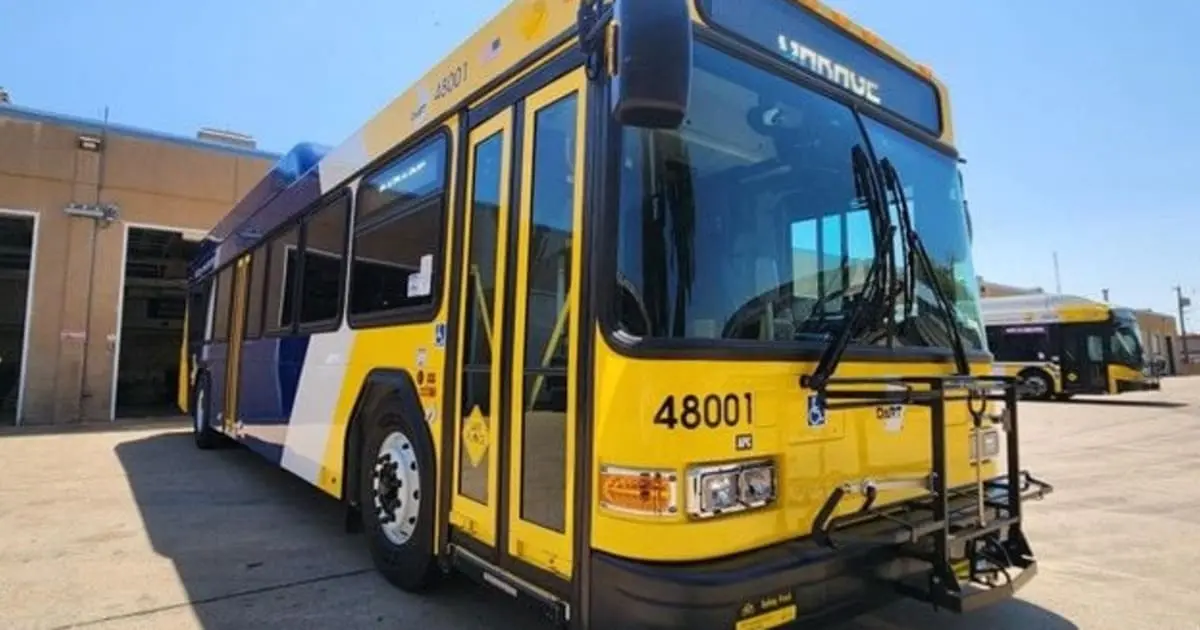
- Bus Reliability: Despite strong performance in microtransit and rail, traditional bus routes continue to face scheduling pressures, often exacerbated by regional traffic congestion and urban bottlenecks.
- Perceptions of Safety: While the presence of personnel has improved comfort levels, maintaining and enhancing security perceptions across all hours of operation remains a core priority for riders.
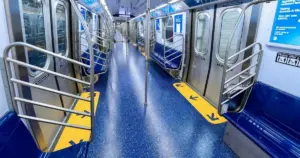
- Train Cleanliness: As ridership rebounds, the physical wear and tear on railcars demands more aggressive, visible, and frequent sanitation protocols.
- Communication During Service Disruptions: When unexpected delays occur, riders expect transparent, real-time, and actionable communication across digital and physical platforms. The survey indicated that this remains an area where expectations outpace current execution.
Strategic Investments Ahead
Armed with these granular insights, DART leadership has announced that the survey findings will directly dictate future capital allocation and operational prioritization.
- Targeted Capital Improvements: Funding will be directed toward fleet enhancements, accelerated maintenance schedules for railcar interiors, and the deployment of advanced diagnostic tools to preempt bus delays.
- Enhanced Communication Protocols: The agency is currently overhauling its notification architecture, aiming to integrate real-time updates directly into mobile applications, station signage, and GoPass alerts to minimize passenger friction during unexpected network delays.
- Continued Workforce Support: Building upon the success of human-centric operations, DART plans to expand staffing initiatives, providing ongoing customer service and de-escalation training to frontline personnel.
Conclusion
Dallas Area Rapid Transit’s FY2026 Customer Satisfaction Survey tells a compelling story of organizational turnaround, resilience, and renewed public trust. By listening closely to its ridership through rigorous data collection, DART has validated its past investments while pinpointing the exact operational levers it must pull next.
As the Dallas-Fort Worth metroplex continues to grow at a blistering pace, the demand for seamless, safe, and reliable regional mobility has never been higher. With an all-time high Net Promoter Score, record-breaking rider retention, and a clear-eyed strategy for addressing its remaining challenges, DART is uniquely positioned to redefine what modern public transit can achieve in the American Sunbelt.