







Executive Overview
Puerto Rico is facing one of its most severe dry spells in recent memory, prompting a comprehensive government response and a novel public-awareness initiative from the island’s primary tourism authority. As depleted reservoirs strain municipal water supplies—particularly across the northeastern metropolitan corridor—Governor Jenniffer González Colón declared a formal water-use emergency on July 31.
Rather than shutting its doors to travelers, the destination is leaning into transparency and cooperative stewardship. Discover Puerto Rico, the island’s destination marketing organization (DMO), has officially launched “Keep the Island Singing.” This strategic tourism initiative is designed to educate visitors on practical water conservation methods without disrupting their travel itineraries.
At the heart of the campaign is the coquí, the tiny, moisture-dependent native frog whose iconic two-note nocturnal call forms the acoustic backdrop of Puerto Rico. By linking the survival and song of the coququí to the island’s broader hydrological health, the campaign seeks to inspire mindful consumption among millions of annual visitors. While the emergency declaration and subsequent municipal water-rationing programs have introduced logistical adjustments, hotels, beaches, restaurants, and historical attractions remain fully operational. This report examines the roots of the drought, the operational impacts on travelers, the measures enacted by local authorities, and the long-term outlook for Puerto Rico’s tourism and environmental infrastructure.
Detailed Chronology: From Dry Spells to Emergency Declarations
The meteorological conditions leading to Puerto Rico’s current water crisis developed over several months of below-average rainfall across the Caribbean archipelago. While the island is known for its lush tropical rainforests, its water supply relies heavily on a network of key surface reservoirs that fluctuate rapidly depending on seasonal precipitation patterns.
The Buildup and the Declaration
- Early Summer: Meteorological agencies noted declining rainfall totals across central and southern watersheds. Southern Puerto Rico bore the brunt of the meteorological drought, experiencing severely parched agricultural lands and depleted local streams.
- Mid-July: Water levels at the Lago Carraízo reservoir—a vital lifeline supplying drinking water to the San Juan metropolitan area—dropped below optimal operational thresholds. The Puerto Rico Aqueduct and Sewer Authority (PRASA) began preparing contingency measures as soil moisture indices plummeted.
- July 31: Citing critically low water levels at major reservoirs and persistent meteorological deficits, Governor Jenniffer González Colón formally declared a state-wide water-use emergency. This executive action fast-tracked administrative responses and authorized emergency interventions across the island’s 78 municipalities.
- Early August to Present: PRASA instituted rotating water service schedules in targeted northeastern municipalities, while the government mobilized the Puerto Rico National Guard to support water distribution, hauling, and purification efforts in vulnerable communities. Simultaneously, Discover Puerto Rico launched the “Keep the Island Singing” initiative to bridge the gap between municipal conservation mandates and visitor experiences.
Supporting Context & Metrics: The Hydro-Geology of the Crisis
Understanding the scope of Puerto Rico’s water emergency requires examining the specific infrastructure and ecosystems affected by the lack of rainfall.
The Geography of the Drought
Puerto Rico’s 78 municipalities experience varied climatic impacts. While the mountainous interior and northeastern rainforest zones like El Yunque receive high annual rainfall, rain shadow effects and seasonal dry periods frequently impact the southern coastal plains. However, the current emergency is distinct because its effects have directly threatened the primary water-treatment facilities serving the dense urban populations of the northeast.
The Lago Carraízo reservoir system serves as a primary hub for metropolitan San Juan. When storage capacities at Carraízo fall, PRASA must implement rationing to extend the remaining supply.
[Meteorological Deficit]
         ↓
[Declining Reservoir Levels (e.g., Lago Carraízo)]
         ↓
[PRASA Emergency Rotation: 48 Hours On / 48 Hours Off]
         ↓
[Mitigation: Commercial Backups (Cisterns) & Visitor Conservation]
The Northeastern Municipal Service Rotations
The most visible structural impact for residents and select properties has been the rotating water service implemented across seven key northeastern municipalities:
- San Juan
- Carolina
- Juncos
- Gurabo
- Trujillo Alto
- Canóvanas
- Loíza
Under typical emergency rotation protocols, these areas have experienced cycles of roughly 48 hours of uninterrupted service followed by 48 hours of service suspension. However, the operational reality for travelers is heavily buffered by commercial tourism infrastructure. Many major hotels, resorts, and managed vacation rentals are equipped with heavy-duty cisterns, rooftop storage tanks, and industrial filtration systems. These auxiliary reservoirs allow properties to maintain uninterrupted water pressure during municipal shut-off periods, meaning many tourists notice little to no change in their daily accommodations.
Official Statements and Institutional Responses
The response to the July 31 emergency declaration has involved a coordinated multi-agency effort, blending civil defense operations with public-facing outreach campaigns.
Government and National Guard Mobilization
Recognizing the acute needs of residential neighborhoods outside the tourism core, the government activated the Puerto Rico National Guard. Guardsmen have been deployed to assist with the complex logistics of hauling, purifying, and distributing emergency drinking water to communities hit hardest by PRASA service interruptions.
Local water authorities continue to monitor daily runoff metrics and reservoir capacities, adjusting distribution schedules dynamically as localized rain showers provide temporary relief.
The Voice of Tourism: Discover Puerto Rico
Rather than allowing rumors of a drought to stall economic momentum, Discover Puerto Rico took a proactive approach. By creating the “Keep the Island Singing” campaign, the DMO has reframed water conservation not as a burden, but as a shared cultural responsibility.
In his official announcement releasing the initiative, Discover Puerto Rico CEO Jorge L. Pérez emphasized the partnership between travelers and the destination:
"Visitors have always played an important role in Puerto Rico’s story, and with that comes a shared responsibility to care for the Island we all love."
Pérez noted that the campaign’s core objective is to supply travelers with clear, actionable data so they can navigate their stays comfortably while respecting local resource constraints. To achieve this, Discover Puerto Rico has rolled out a comprehensive water stewardship toolkit distributed directly to hotels, tour operators, and short-term rental management companies across the island.
The Coquí as a Conservation Icon
A unique aspect of the “Keep the Island Singing” campaign is its psychological and ecological anchor: the coquí frog.
Endemic to Puerto Rico, the coquí is far more than a beloved local mascot; it is a vital bio-indicator of the island’s environmental health. Named for the loud, rhythmic “co-quí” mating call uttered exclusively by males after dusk, these tiny amphibians are intensely sensitive to humidity and moisture levels. Unlike many other frog species, coquís do not rely on open bodies of water like ponds or streams for their tadpole stage; instead, they lay their eggs in damp terrestrial environments, depending heavily on forest moisture, dew, and regular rainfall to survive and reproduce.
By featuring the coquí, Discover Puerto Rico connects immediate human actions—such as shortening a shower or turning off a running tap—to the preservation of the island’s delicate rainforest ecosystems. If the island loses its moisture, the acoustic signature of the Caribbean night risks falling silent. This metaphorical bridge has proven highly effective in framing conservation as a way to protect the authentic Puerto Rican experience.
Practical Guide for Travelers: What You Need to Know
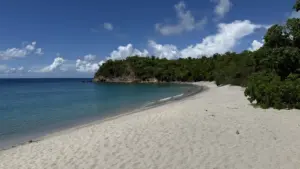
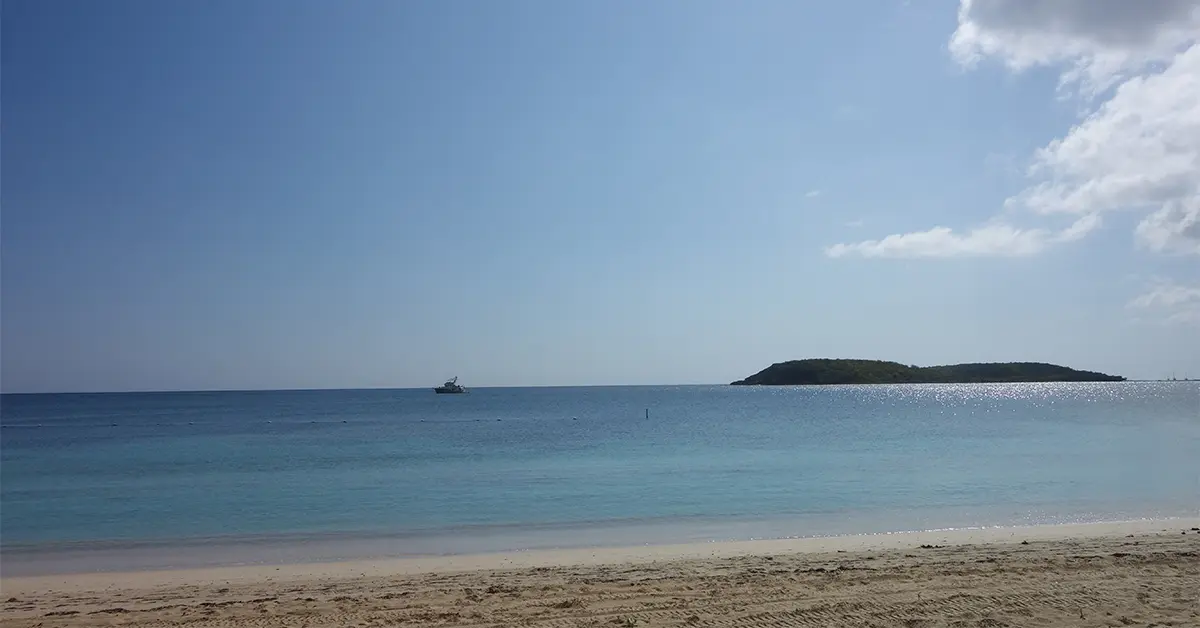
Discover Puerto Rico’s overarching message is clear: The island is open for business. Beaches, historical forts in Old San Juan, world-class restaurants, and adventure tourism operators in El Yunque and beyond are welcoming guests. However, mindful travel requires a small degree of preparation.
Before You Depart
- Verify Property Infrastructure: Travelers—particularly those booked in private villas, guesthouses, or apartments within the seven affected northeastern municipalities (San Juan, Carolina, Juncos, Gurabo, Trujillo Alto, Canóvanas, and Loíza)—should contact their host or hotel prior to arrival.
- Ask About Backups: Inquire specifically whether the property features a private cistern, backup water tank, or emergency pumps designed to bridge municipal rationing cycles.
Actionable Conservation Steps for Visitors
The campaign outlines simple, non-intrusive habits that visitors can adopt during their stay:
- Shorter Showers: Reduce shower times by a few minutes, especially during peak dry periods.
- Faucet Discipline: Turn off running tap water while brushing teeth, shaving, or washing dishes.
- Appliance Efficiency: When staying in vacation rentals with self-catering kitchens, run dishwashers and washing machines only when fully loaded.
- Food Preparation: Thaw frozen foods in the refrigerator overnight rather than under a running faucet.
- Fixture Reporting: Promptly report any running toilets, dripping showerheads, or leaking sink faucets to hotel front desks or property hosts.
- Outdoor Conservation: Avoid washing rental vehicles or watering ornamental lawns during dry spells.
- Linen Reuse: Participate in hotel towel and linen reuse programs to minimize commercial laundry water demands.
Future Outlook: Infrastructure Resilience and Sustainability
The July 31 emergency declaration underscores a long-term reality for Caribbean islands facing changing global climate patterns: water security requires constant infrastructural adaptation.
Moving forward, municipal authorities and private enterprise in Puerto Rico are accelerating investments in water resilience. Upgrades to catchment basins, modernization of municipal piping networks to reduce massive non-revenue water loss (leakages), and the expansion of decentralized commercial gray-water recycling systems are all central to regional planning discussions.
For the tourism sector, the success of the “Keep the Island Singing” campaign marks a potential turning point. By treating visitors not merely as consumers, but as temporary stewards of the island’s natural endowments, Puerto Rico is pioneering a model of regenerative tourism.
As long as the rains remain variable, the island’s balance will depend on a combination of engineering resilience, government oversight, and the collective mindfulness of both residents and the millions who journey to its shores. And as night falls over the mountains, gardens, and coastal towns of Puerto Rico, the steady, two-note chorus of the coquí will continue to signal an ecosystem worth protecting.