Executive Overview
When travelers picture America’s premier national parks, visions of snow-capped peaks, cascading geysers, and ancient redwood forests typically command the imagination. Rarely does the mind drift toward New Mexico’s radiant landscape of gypsum dunefields—and even less frequently toward the social frictions that once threatened its wilderness. Yet, hidden beneath the sweeping, otherworldly dunes of White Sands National Park lies a surprising history of unruly crowds, surging enforcement challenges, and a radical policy transformation.
Long before it was elevated to national park status in 2019, the site—then designated as White Sands National Monument—grappled with a decades-long crisis involving intoxicated visitors. What began as scattered grievances regarding minor disturbances ultimately metastasized into a pervasive public safety threat. The situation forced park administrators to confront an uncomfortable reality: unchecked alcohol consumption was quietly undermining the visitor experience, damaging fragile ecosystems, and endangering the lives of both tourists and staff.
This investigative retrospective examines how a single, chaotic weekend served as the catalyst for sweeping regulatory reform, transforming White Sands from an alcohol-fueled party destination into a family-friendly sanctuary. By analyzing historical records, internal ranger accounts, and modern policies, this article explores the delicate balance between public recreation and environmental preservation in one of America’s most visually striking protected areas.

Detailed Chronology: From Tolerance to Prohibition
To understand the current strict regulatory landscape at White Sands, one must retrace the historical trajectory of the park’s relationship with alcohol. For decades, the monument operated with a laissez-faire attitude toward adult beverages, mirroring the relaxed cultural norms of outdoor recreation during the mid-to-late 20th century. Visitors were largely permitted to bring coolers of beer and wine to accompany their daytime sledding and sunset viewings.
However, as the park’s popularity surged into the 1980s and 1990s, demographic shifts and larger crowds began to stress park infrastructure. Law enforcement rangers increasingly responded to incidents fueled by excessive drinking. The catalog of infractions grew steadily more alarming, shifting from relatively benign noise complaints and littering to aggressive confrontations, property destruction, high-speed driving across fragile dunes, physical assaults, and hit-and-run accidents.
The Turning Point: A Day of Reckoning
The tipping point arrived in the late 1990s during a massive, unregulated gathering that pushed park resources to their absolute breaking point. According to historical accounts archived by park ranger Kathy Denton, a single chaotic event drew a crowd of over 60 visitors whose behavior devolved into widespread lawlessness. The incident resulted in a flurry of serious citations, most notably multiple arrests for driving under the influence (DUI) and felony drug possession.
The sheer scale of the disruption forced leadership to re-evaluate institutional protocols. In the aftermath of the incident, Chief Ranger Bob Appling initiated a comprehensive audit of all law enforcement violations and citations issued over the preceding decade. The resulting data proved staggering: alcohol infractions accounted for an astonishing 85% of all recorded violations inside the park during that ten-year span.

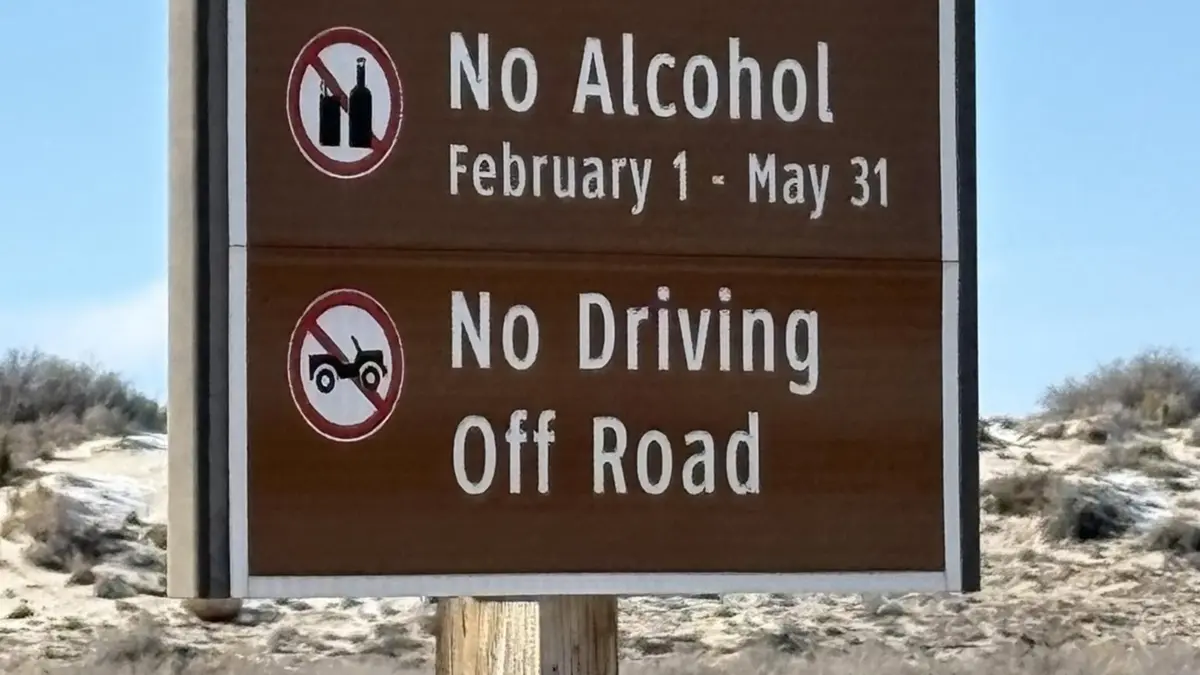
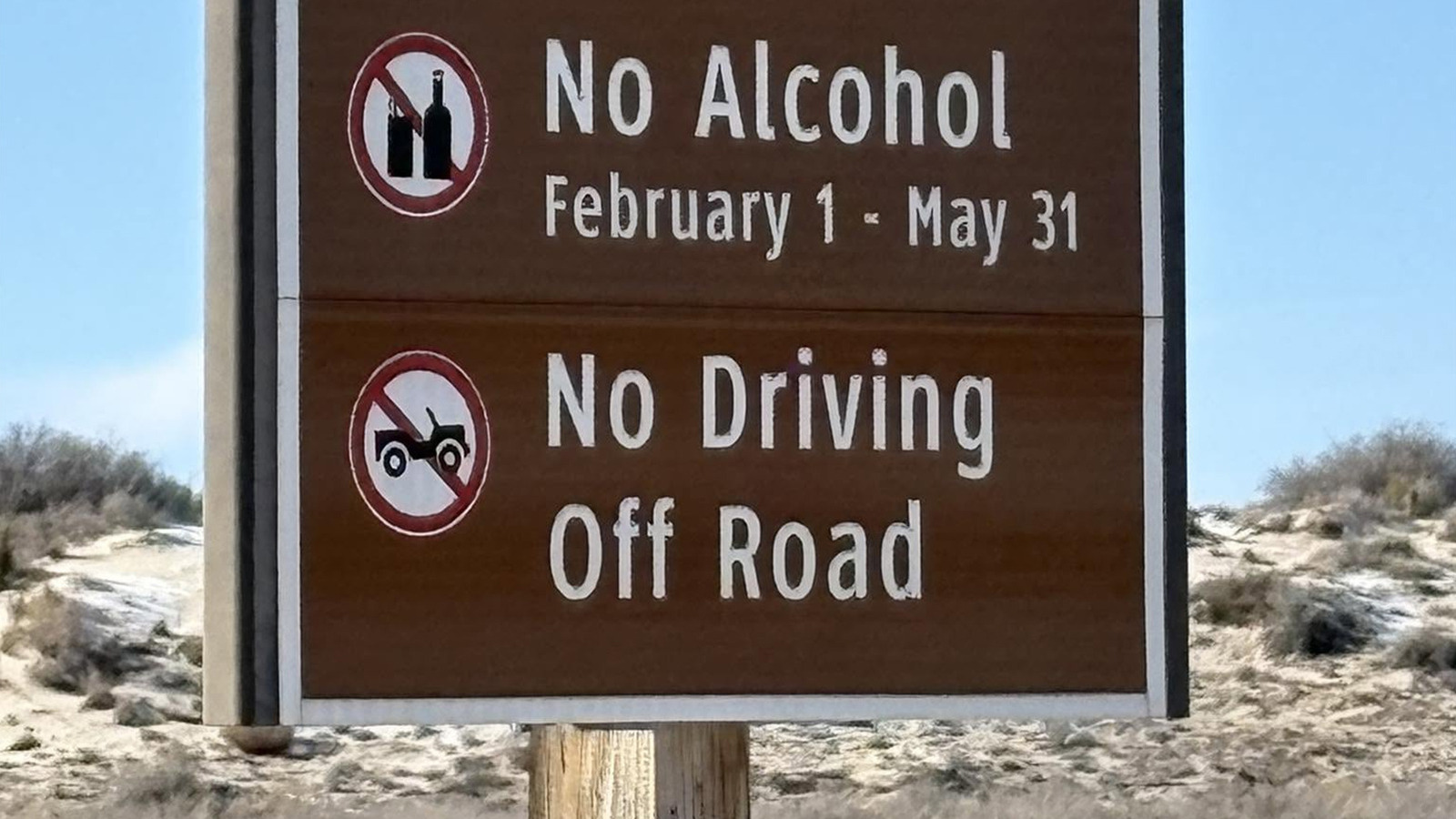
Armed with this undeniable empirical evidence, Chief Ranger Appling pursued a definitive, park-wide ban on alcohol consumption. Recognizing the friction such a sweeping prohibition might cause among local communities and regular visitors, the National Park Service’s Intermountain Regional Office sought a compromise. Instead of a year-round ban immediately, regulators implemented a seasonal restriction targeting the calendar periods historically plagued by the highest rates of alcohol-related incidents—specifically spanning from February 1 to May 31.
This seasonal framework served as a transitional phase, eventually paving the way for the robust, year-round restrictions enforced today.
Supporting Context & Metrics: The Ecology of Misbehavior
The enforcement crisis at White Sands was not merely a matter of rowdy behavior disturbing the peace; it represented a direct threat to the park’s delicate natural ecosystem and human safety. Gypsum dunefields are fragile, dynamic environments. Unlike granite mountains or dense pine forests, the rolling white sands present unique navigational hazards. Driving off-road while intoxicated is exceptionally dangerous, frequently resulting in vehicle rollovers, severe injuries, and irreversible scarring of the dunefield’s crystalline landscape.
Furthermore, the park’s extreme climate—characterized by scorching daytime temperatures and blistering sun—exacerbates the physiological effects of alcohol. Dehydration combined with excessive drinking routinely created medical emergencies, diverting limited ranger personnel from interpretive and conservation duties to emergency rescue operations.
The Statistical Reality
The data uncovered by Chief Ranger Appling’s decade-long review highlighted systemic vulnerabilities in park management:
- 85% Concentration: Alcohol infractions constituted the vast majority of all documented legal violations over a ten-year period.
- Escalating Severity: Minor infractions (littering, noise) steadily gave way to high-risk criminal behavior, including DUIs, assaults, and vehicular accidents.
- Geographic Dispersion: Incidents were not isolated to campgrounds or trailheads; they occurred across the vast, open expanses of the dunefield, making rapid law enforcement response nearly impossible.
These metrics underscored that the issue extended far beyond isolated bad actors; it was a systemic cultural norm associated with visiting the monument that required aggressive structural intervention.
Official Statements and Policy Evolution
The transition from a permissive environment to a heavily restricted one required meticulous policy drafting by the National Park Service. Today, the rules governing alcohol are explicitly outlined on the official White Sands National Park "Alcohol Regulations" webpage, leaving no room for ambiguity.
Under current guidelines, the consumption of alcoholic beverages is strictly prohibited across the vast majority of the park’s 275-square-mile area. However, acknowledging that responsible adults occasionally wish to enjoy a drink during social gatherings, the park carved out narrow, highly regulated exemptions.
Where Alcohol Remains Permitted
Visitors hoping to consume alcohol legally within White Sands must confine their activities to five specific, designated locations:
- Primrose Picnic Area: One of the park’s primary picnic hubs, offering shaded tables and basic amenities.
- Roadrunner Picnic Area: Located within the main visitor loop, providing a controlled environment for daytime gatherings.
- Yucca Picnic Area: The third and final designated picnic spot where alcoholic beverages are legally tolerated.
- The Group Use Area: A reservable, semi-private space heavily utilized for large-scale events, ranging from family reunions and scout jamborees to desert weddings.
- The Evening Program Area: Restricted strictly to official park-sponsored events and ranger-led programs.
It is worth noting that even within these zones, regulations are rigorously enforced. For instance, while the Back Country Camping Loop Trail parking area features picnic shelters, alcohol consumption remains strictly forbidden there.
Navigating the Modern Visitor Experience
For modern travelers, understanding these regulations is essential to ensuring a seamless and legally compliant visit. The designated picnic areas—Primrose, Roadrunner, and Yucca—along with the Group Use Area, are strategically clustered in close proximity to Loop Drive. This centralized design allows law enforcement rangers to monitor compliance efficiently without disrupting the tranquility of the deeper dunefields.
Infrastructure and Accessibility
The designated consumption zones feature vital visitor amenities, though accessibility remains a recognized challenge in sandy terrain. Within the Primrose, Roadrunner, and Yucca areas, the park maintains a total of 62 shaded picnic tables, complemented by permanent grills and vault toilets. However, visitors with mobility limitations should note that of those 62 tables, only five are formally classified as accessible for individuals utilizing wheelchairs or other mobility aids.
The Group Use Area offers a larger shaded pavilion capable of accommodating substantial crowds, making it a focal point for organized community gatherings.
Beyond the rules governing beverages, White Sands continues to captivate millions of global travelers. Ranked consistently among the finest natural attractions in the American Southwest, the park offers a surreal landscape that evokes comparisons to alien worlds. For travelers seeking a complete itinerary, White Sands serves as an ideal anchor, complemented by nearby regional hubs like Alamogordo—a charming gateway town offering rich cultural history and boundless outdoor adventures in the Sacramento Mountains.
Future Outlook: Preservation Through Regulation
The history of White Sands National Park offers a compelling case study in the evolution of modern public land management. It demonstrates that preserving natural wonders requires more than protecting flora and fauna; it demands active management of human behavior.
By confronting the intoxication crisis of the late 1990s head-on, park leadership transformed White Sands from a site plagued by rowdiness into a pristine, family-friendly sanctuary. The strict containment of alcohol to five specific zones has dramatically reduced crime rates, minimized environmental degradation, and restored the sense of awe and quiet solitude that draws travelers to the gypsum dunes in the first place.
As national parks across the United States face unprecedented visitation numbers in the 21st century, the proactive blueprint established at White Sands serves as a valuable model. Balancing public recreation with uncompromising conservation remains an ongoing challenge, but the dunes of New Mexico stand as a gleaming testament to the success of firm, principled stewardship.