








Executive Overview
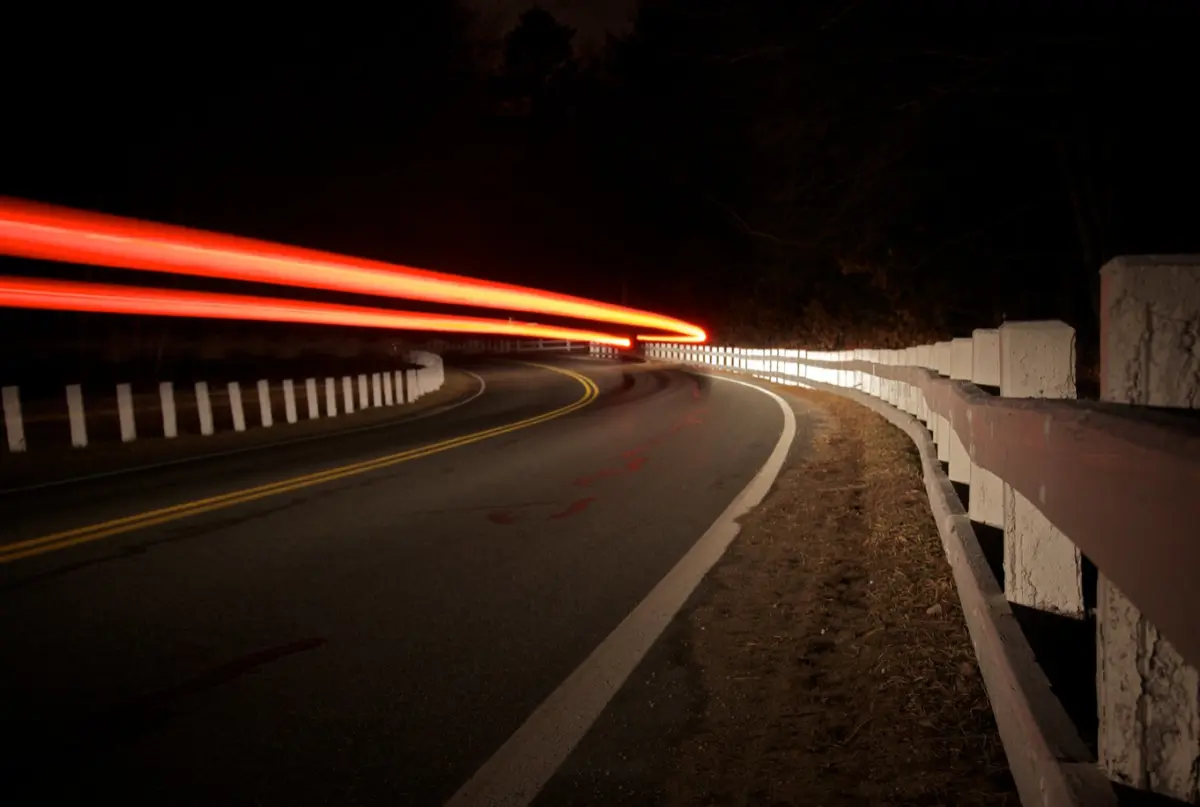
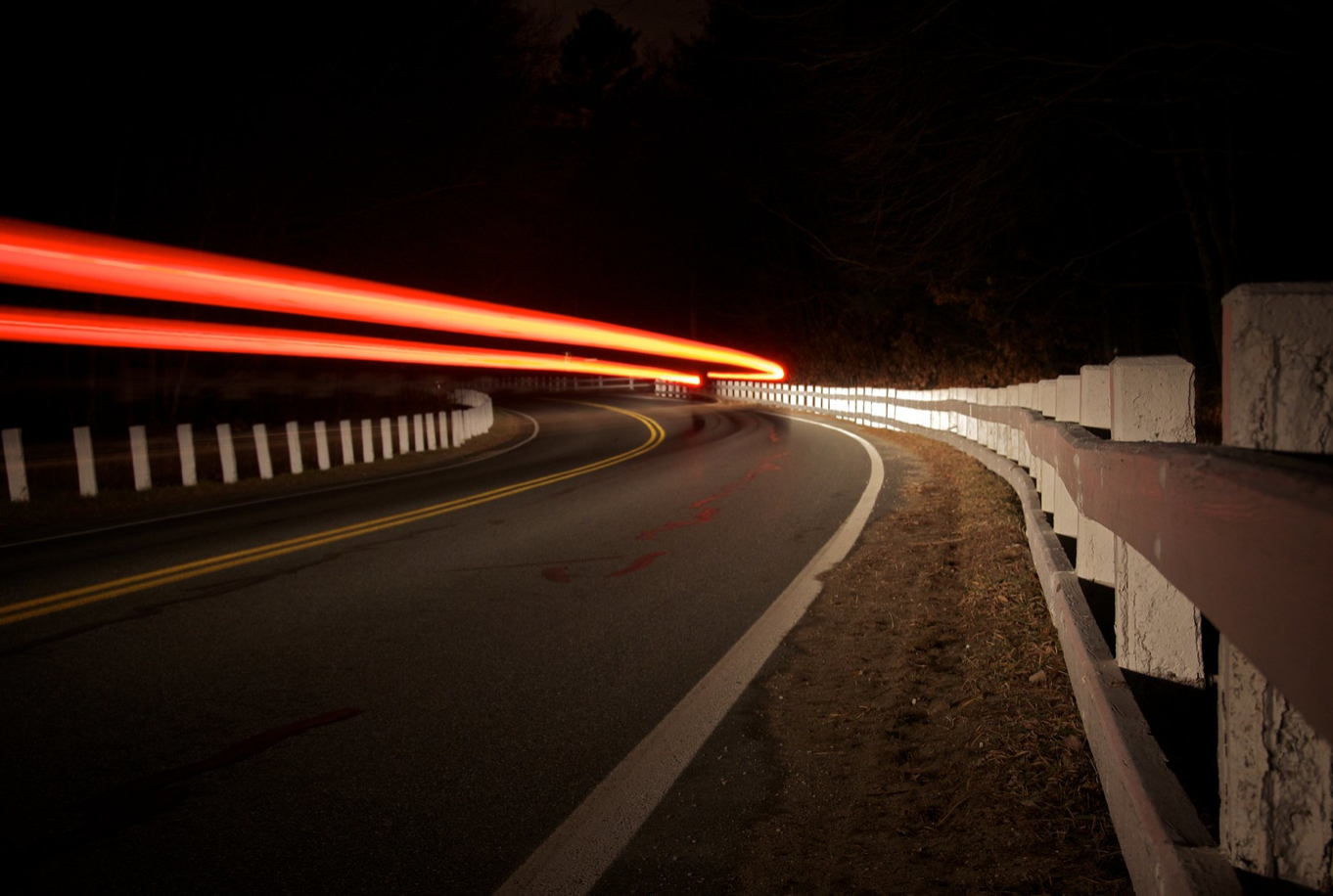
Like Ricky Bobby, the fictional, adrenaline-addicted stock car driver immortalized in Talladega Nights, far too many American motorists simply want to go fast. What began as a cinematic caricature of unbridled American machismo and hyper-consumerism has, in the real world, manifested as a dangerous cultural baseline. Across the United States, driving habits are increasingly dictated by a compulsion for velocity. This pursuit of speed is not confined to isolated incidents of reckless endangerment; it is embedded deeply in the design of our highways, the engineering of modern automobiles, and the cultural psychology of American transportation.
The consequences of this obsession are severe. Pedestrian fatalities have climbed to levels not seen in decades, traffic violence has become a leading cause of preventable death, and urban neighborhoods across the country find themselves carved up by corridors prioritized for throughput rather than human habitation. While transportation agencies and advocacy groups increasingly push for safer infrastructure—such as protected bike lanes, narrower traffic lanes, and lower speed limits—the overarching American ethos remains anchored to the accelerator.
This article examines the multifaceted crisis of American driving culture. By tracing how high speeds have become normalized, evaluating the engineering and psychological factors driving this behavior, and exploring the ongoing policy battles between automotive convenience and public safety, we uncover a systemic crisis that demands urgent national reform.
Detailed Chronology: The Escalation of American Speed
To understand how high-speed driving became the American norm, one must look back at the convergence of automotive engineering, highway expansion, and shifting regulatory frameworks over the past century.
Mid-20th Century: The Highway Era and the Promise of Velocity
The foundational shift toward speed began in earnest following World War II, culminating in the passage of the Federal-Aid Highway Act of 1956. Spearheaded by President Dwight D. Eisenhower, the Interstate Highway System was pitched as a marvel of national defense and economic connectivity. However, it also cemented the automobile as the undisputed king of American mobility.
Engineers designed these expansive roadways with long, sweeping curves, wide lanes, and generous shoulders—features explicitly intended to allow vehicles to maintain high speeds safely over long distances. As the suburbs expanded, commuting distances grew, and motorists quickly internalized the idea that travel time was wasted time. Speed became synonymous with efficiency.
The 1974 Interlude: The National Maximum Speed Limit
The only major federal check on this cultural trajectory came in response to the 1973 oil crisis. In January 1974, Congress enacted the Emergency Highway Energy Conservation Act, mandating a National Maximum Speed Limit (NMSMSL) of 55 miles per hour.

While the primary justification was fuel conservation, the safety dividends were immediate and profound. Traffic fatalities plummeted by thousands in the first year alone. Yet, the 55-mph limit was deeply unpopular among long-distance commuters and commercial truckers, particularly in the sprawling Western states where distances between cities are vast.
The 1995 Repeal and the Return to Permissive Speeds
Public resentment culminated in 1995 when Congress repealed the federal speed limit entirely, returning authority over highway limits to individual states. Almost immediately, states began raising speed limits on rural interstates to 65, 70, and eventually 75 or 80 miles per hour.
Crucially, this shift in law coincided with a shift in vehicle design. Light trucks, sport utility vehicles (SUVs), and eventually oversized pickup trucks began dominating consumer sales. These vehicles offered drivers a heightened sense of security and a higher seating position, which psychological studies show dampens the perception of speed. A driver traveling at 80 mph in a modern, sound-insulated, heavy-duty truck feels as though they are traveling much slower, decoupling the physical sensation of velocity from its actual, catastrophic kinetic energy.
The Pandemic Acceleration (2020–Present)
The most recent chapter in America’s speed crisis unfolded during the COVID-19 pandemic. With lockdowns emptying urban streets and major highways in the spring of 2020, traffic volumes plummeted by up to 50% in many regions. However, highway patrol agencies noted an alarming paradox: while crashes decreased overall, the severity of those crashes skyrocketed.
Empty roads invited motorists to treat interstates and arterial streets like personal race tracks. Law enforcement agencies reported unprecedented citations for extreme speeding—drivers clocking 100, 120, and even 140 mph in standard commuter zones. Even as traffic volumes returned to pre-pandemic baselines, these aggressive driving habits persisted. Today, speeding remains a primary contributing factor in the rising tide of traffic deaths that continue to plague American municipalities.
Supporting Context & Metrics: The Physics and Human Toll of Velocity
To comprehend why speeding is uniquely dangerous, one must examine the fundamental laws of physics alongside national public health data.
The Physics of Impact: Mass and Kinetic Energy
Kinetic energy is calculated using the formula $KE = frac12mv^2$ (where $m$ is mass and $v$ is velocity). Because velocity is squared, even modest increases in speed result in exponential leaps in destructive energy during a collision.
Furthermore, the modern American vehicle fleet has grown exponentially heavier. The rise of battery-electric vehicles (EVs) and massive combustion-engine pickup trucks means that the average passenger vehicle weighs thousands of pounds more than vehicles from previous decades. When a 6,000-pound vehicle traveling at high speed strikes a pedestrian or cyclist, the transfer of kinetic energy is almost invariably fatal.
Statistical Realities
According to data from the National Highway Traffic Safety Administration (NHTSA) and the Governors Highway Safety Association (GHSA):

- The Death Toll: Traffic fatalities in the United States have hovered around 40,000 deaths annually in recent years, a tragic plateau following decades of gradual safety improvements.
- The Speed Factor: Speeding is cited as a contributing factor in roughly 29% of all traffic fatalities nationwide, equating to over 10,000 preventable deaths every year.
- Vulnerable Road Users: Pedestrian deaths have reached a 40-year high in the United States. According to the GHSA, nighttime pedestrian fatalities have surged, driven heavily by vehicles traveling at high speeds where drivers lack adequate reaction time to spot people crossing unlit or poorly designed corridors.
The Pedestrian Survival Curve
The relationship between vehicle speed and pedestrian survival is starkly linear and unforgiving:
- At 20 mph: A pedestrian struck by a vehicle has roughly a 90% chance of survival.
- At 30 mph: The survival rate drops dramatically to approximately 50%.
- At 40 mph or higher: The pedestrian faces an 80% to 90% chance of death or severe, life-altering trauma.
Despite these clear metrics, arterial roads running through densely populated neighborhoods are routinely engineered with speed limits set at 35, 45, or even 50 mph, directly prioritizing vehicular throughput over human life.
Official Statements and Policy Debates
As the public health crisis of traffic violence deepens, a stark ideological divide has emerged between traditional traffic engineering paradigms and modern urban planning advocates.
The Shift Toward "Vision Zero"
A growing number of American cities—including New York, Seattle, Los Angeles, and Washington, D.C.—have adopted the "Vision Zero" framework, an international strategy originating in Sweden with the explicit goal of eliminating all traffic fatalities and severe injuries while increasing safe, healthy, mobility for all.
Proponents of Vision Zero argue that blaming individual drivers or pedestrians is insufficient; systemic change is required. "For decades, our transportation agencies have operated under the assumption that the primary goal of a street is to move cars as quickly as possible," notes Sarah M. Kaufman, associate director of the NYU Rudin Center for Transportation. "Vision Zero flips that script. The primary goal of a street must be safety. If people cannot walk or bike without fear of being killed by a speeding driver, our infrastructure has failed."
The Pushback: Efficiency vs. Safety
Conversely, traditional departments of transportation and suburban lawmakers frequently resist lowering speed limits or narrowing lanes, arguing that such measures cause congestion and frustrate motorists.
In many state legislatures, battles routinely erupt over automated speed enforcement cameras. While traffic safety advocates champion cameras as an objective, non-biased tool to catch speeders 24/7 without risking high-speed police chases, critics argue that such measures represent government overreach and cash-grab taxation.
Furthermore, state departments of transportation (DOTs) are often bound by legacy manuals—such as the American Association of State Highway and Transportation Officials (AASHTO) green book—which historically recommended wide lanes and high design speeds to accommodate maximum traffic volumes. While recent updates to federal engineering guidelines (such as the FHWA’s updated Manual on Uniform Traffic Control Devices) have begun to encourage context-sensitive street design, the transformation of legacy infrastructure remains painfully slow.

Future Outlook: Reimagining American Mobility
Addressing America’s cultural and structural addiction to speed will require a multi-pronged approach that combines physical infrastructure redesign, legislative reform, and cultural recalibration.
1. Complete Streets and Traffic Calming
The most effective way to slow down motorists is not through warning signs or police patrols, but through physical design. "Calming" measures—such as raised crosswalks, chicanes, bulb-outs, neighborhood greenways, and narrower travel lanes—force drivers to naturally reduce their speed out of basic self-preservation and spatial awareness. When a street feels narrow and active, drivers instinctively ease off the accelerator.
2. Intelligent Speed Assistance (ISA) and Vehicle Technology
As vehicles become rolling computers, technology offers new frontiers for speed management. Intelligent Speed Assistance (ISA) systems, which are already being mandated for new cars in the European Union, utilize GPS mapping and sign-recognition cameras to alert drivers when they are exceeding the speed limit, or in advanced configurations, automatically throttle the engine. While adoption in the U.S. remains voluntary and politically contentious, consumer safety advocates are increasingly pushing for federal mandates.
3. Cultural Shift: Moving Past the Need for Speed
Ultimately, combating the "Ricky Bobby" mentality requires a fundamental cultural reassessment. Just as public health campaigns successfully shifted societal attitudes toward drunk driving and seatbelt usage over the late 20th century, normalizing slower, safer driving will require sustained advocacy, education, and accountability.
Until American society collectively decides that arriving a few minutes later is an acceptable trade-off for saving thousands of lives, our streets will remain battlegrounds of velocity. The path forward demands that we strip away the romance of high-speed motoring and rebuild our communities around a simple, humane premise: our streets belong to people, not race cars.