




Executive Overview
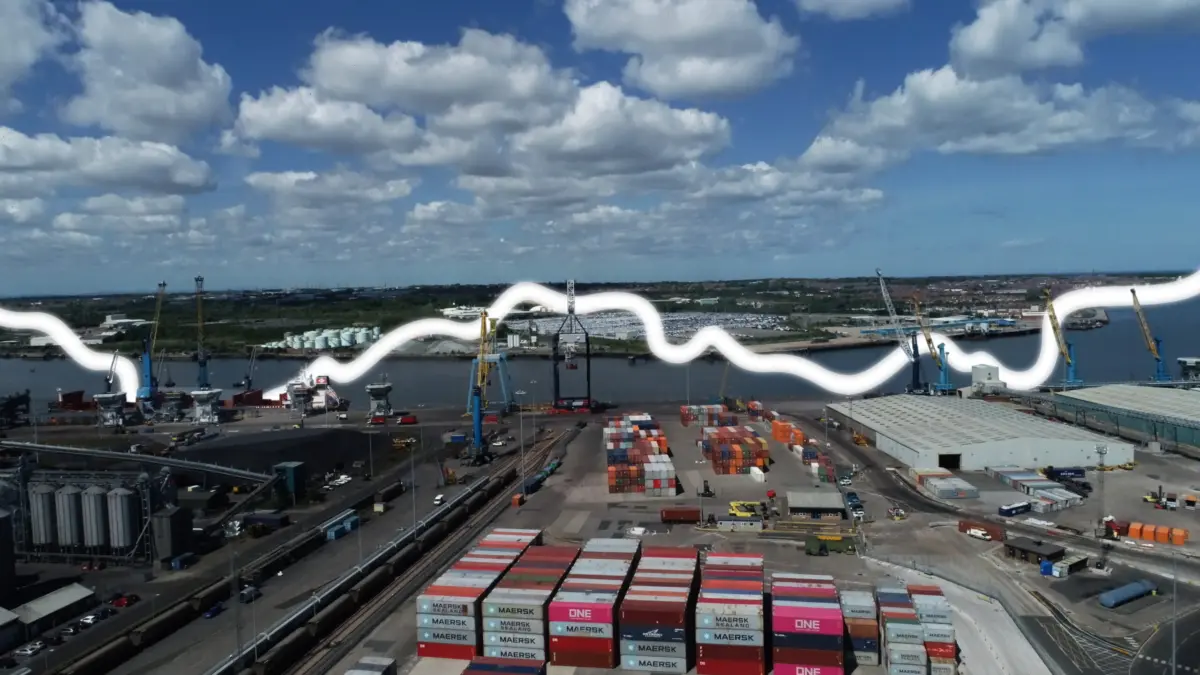
Nearly a month after a high-profile vessel collision disrupted operations on the River Tyne on 19 July, the Port of Tyne remains deeply engaged in a complex, multi-agency recovery and environmental cleanup effort. The incident, which necessitated the temporary closure of parts of the crucial waterway, has tested the resilience of the region’s maritime infrastructure, supply chains, and emergency response mechanisms.
Today, the port is navigating a dual-track strategy: executing intricate salvage operations to clear damaged vessels and dislodged cargo, while simultaneously spearheading a rigorous environmental remediation program. Working hand-in-hand with specialist contractors, environmental authorities, government agencies, volunteers, and local shipping lines, port authorities have successfully cleared key vessels from the site, including the heavy-lift vessel Wind Orca and the container carrier BG Orange.
Beyond the immediate marine salvage, the operation has expanded into a large-scale environmental containment and recovery effort. Following the spill of plastic pellets and other materials resulting from the collision, specialized environmental response teams, supported by swiftwater rescue specialists and dedicated volunteers, have collected significant volumes of debris from the river and surrounding coastlines.
At the same time, port management has implemented comprehensive contingency plans to mitigate supply chain disruptions. By rerouting cargo, establishing alternative warehousing agreements, and maintaining round-the-clock marine traffic management, the Port of Tyne has demonstrated operational adaptability in the face of crisis. This report provides a detailed examination of the ongoing recovery efforts, the logistics of the marine salvage, the scope of the environmental response, and the strategic outlook for the port as it works to fully restore normal operations.
Detailed Chronology: From the 19 July Incident to Mid-August Milestones
The unfolding narrative of the Port of Tyne’s recovery is marked by a series of precise, high-stakes maritime milestones. To understand the current state of operations, it is essential to trace the chronology of events following the initial incident on 19 July.
Phase I: Immediate Response and Waterway Closure (Late July)
Immediately following the collision on 19 July, port authorities activated emergency protocols. Recognizing the structural and navigational hazards posed by the wreckage, the Port of Tyne took the decisive step of shutting down sections of the waterway. This emergency closure was vital to prevent secondary incidents and to allow marine salvage experts, emergency response teams, and harbor master personnel to assess the structural integrity of the vessels involved.
During this initial phase, the primary focus was life safety, vessel stabilization, and securing the perimeter of the accident site. The Port’s Marine Team worked around the clock to establish safety zones, coordinate with the Maritime and Coastguard Agency (MCA), and draft initial salvage blueprints.
Phase II: Vessel Clearance and Offloading Operations (Early August)
As safety assessments concluded and stabilization measures took hold, the operational focus shifted to physical clearance.
- 4 August: The heavy-lift jack-up vessel Wind Orca successfully departed the incident zone, marking a major milestone in restoring navigational clearance to the river channel. The removal of Wind Orca required intricate engineering calculations and favorable tidal windows.
- 11 August: A coordinated environmental cleanup operation took place on the river, utilizing port workboat crews alongside a volunteer fleet organized via the Maritime Volunteer Service. This concerted effort targeted floating debris and accumulated pollutants.
- 12 August: The container vessel BG Orange sailed from the Port of Tyne bound for Tees. The departure of BG Orange followed extensive stabilization work and was timed to allow the vessel to safely offload its remaining cargo at Tees ahead of scheduled structural and mechanical repairs.
Phase III: Ongoing Mitigation and Tidal Monitoring (Mid-August Onward)
With the primary hazard vessels removed, current operations center on clearing residual container wreckage, retrieving terminal equipment displaced during the collision, and addressing environmental fallout. Port teams, in collaboration with specialized contractors, have spent mid-August meticulously recovering damaged containers from the BG Orange site, repositioning dislodged cargo, and transferring critical operational equipment to and from the water.
Furthermore, port management remains on high alert regarding tidal fluctuations. Particular operational attention is currently being paid to the impact of the spring tide, which can dislodge trapped debris or shift accumulated marine pollutants, requiring dynamic adjustments to the cleanup deployment strategy.
Salvage Engineering and Marine Logistics
The salvage operations executed at the Port of Tyne represent a textbook study in modern marine engineering under emergency conditions. Recovering massive commercial vessels and securing dislodged infrastructure in a tidal river requires meticulous planning, specialized equipment, and elite tactical execution.
The Removal of Wind Orca and BG Orange
The presence of specialized vessels such as Wind Orca—a massive turbine installation and heavy-lift vessel—presented unique clearance challenges. Operating within the confines of a river channel required precision maneuvering, underwater structural inspections, and close coordination between the vessel’s operators, marine architects, and port pilots.
Following the departure of Wind Orca, attention turned to BG Orange. Before the vessel could safely undertake its voyage to Tees on 12 August, port teams and specialist marine contractors had to conduct rigorous stabilization and cargo-securing operations. This included:
- Inspecting hull integrity and assessing potential breach risks.
- Offloading or securing compromised containers to prevent further cargo loss into the waterway.
- Managing crane and heavy-lift logistics to transfer recovery equipment to and from the vessel.
Restoring Navigational Flow
While salvage and recovery efforts were active in specific zones, the Port of Tyne’s Marine Team faced the continuous challenge of keeping the wider river open to commercial traffic wherever safe. Managing vessel traffic flow on the River Tyne requires a delicate balance between facilitating regional trade and protecting active salvage zones.
Through real-time monitoring, strategic scheduling, and close communication with incoming and outgoing shipping lines, the Marine Team has successfully minimized total trade blockages, ensuring that the economic lifeblood of the river is not entirely choked off by the recovery footprint.
Environmental Remediation and Waste Recovery
While the physical removal of heavy steel and marine infrastructure captures headlines, the ecological dimension of the Port of Tyne recovery is equally critical. The collision resulted in the release of localized pollutants, most notably plastic pellets (nurdles), which pose a persistent threat to marine life and coastal ecosystems.
The Ambipar Partnership and Specialized Response
To combat the environmental impact, the Port of Tyne formed a strategic partnership with Ambipar, a global leader in environmental response solutions. Ambipar’s deployment has been bolstered by Swiftwater Solutions and local operational resources. This coalition has deployed targeted remediation strategies designed to track, contain, and extract pollutants as changing weather and tidal conditions dictate.
Plastic pellets are notoriously difficult to clean up due to their small size and mobility. Response teams have had to adapt their tactics based on wind direction, current speed, and shoreline topography, focusing heavily on accumulation zones where pellets naturally concentrate.
Community and Volunteer Integration
Environmental recovery on the River Tyne has not been solely the domain of corporate contractors; it has also showcased remarkable community mobilization. On 11 August, a joint operation coordinated with the Maritime Volunteer Service saw port workboat crews joining forces with a fleet of local volunteers.
This grassroots-to-corporate synergy yielded tangible results:
- Targeted Operations: Volunteers and port crews combed vulnerable riverbanks and intertidal zones.
- Quantifiable Impact: A total of 37kg of mixed waste and pollutant accumulation was collected and cataloged during this single operation.
- Ongoing Vigilance: The port has confirmed that Ambipar remains on permanent standby, ready to deploy rapid-response units as spring tides and shifting weather patterns expose new areas of concern.
Supply Chain Resilience and Customer Mitigation
A port is only as strong as the supply chains it supports. The temporary disruption of the waterway following the 19 July incident threatened to create severe bottlenecks for regional manufacturers, importers, and exporters. Recognizing the economic stakes, the Port of Tyne’s management team enacted proactive contingency measures to safeguard commercial continuity.
Minimizing Disruption Through Collaboration
Throughout the recovery period, port executives maintained an open, collaborative dialogue with affected customers and shipping lines. Rather than adopting a reactive stance, the port implemented a series of structured mitigation protocols:
- Cargo Rerouting: Working hand-in-hand with shipping lines, the port established alternative routing agreements to divert incoming vessels and cargo to unaffected berths or neighboring ports when necessary.
- Operational Flexibility: Transport, warehousing, and container handling teams restructured their internal workflows. By extending operational hours where possible and optimizing landside storage capacities, the port ensured that cargo moving through its terminals experienced minimal systemic delay.
- Alternative Customer Arrangements: Tailored logistical solutions were negotiated on a case-by-case basis for key supply chain partners, ensuring that regional industries dependent on Tyne-delivered raw materials and finished goods avoided critical stockouts.
These proactive measures underscore the evolution of modern port management, where crisis communication and supply chain agility are just as important as physical infrastructure maintenance.
Official Statements and Stakeholder Perspectives
Throughout the weeks following the incident, leadership at the Port of Tyne has emphasized transparency, accountability, and a steadfast commitment to the region.
In official operational updates released by the port authority, management consistently highlighted the collaborative nature of the response. The port formally acknowledged the tireless efforts of:
- Specialist marine contractors and salvage engineers.
- Environmental partners, notably Ambipar and Swiftwater Solutions.
- Dedicated local volunteers and the Maritime Volunteer Service.
- Government agencies and regulatory bodies providing oversight.
- Customers, shipping lines, and logistics operators for their patience and cooperation.
A central theme across all official communications is the port’s dual commitment: “Restoring the river and coastline while maintaining the flow of trade across the region.” Port leadership has repeatedly stressed that while the physical recovery of the waterway is paramount, safeguarding the ecological health of the Tyne and protecting the livelihoods of those who rely on its trade corridors are equally non-negotiable priorities.
Future Outlook: The Road Ahead for the Port of Tyne
As operations transition from emergency response to long-term rehabilitation, the Port of Tyne stands at a critical juncture. The successful clearance and departure of major salvage targets like Wind Orca and BG Orange mark the conclusion of the most hazardous phase of the recovery operation, but significant work remains.
Key Priorities for the Coming Months
- Complete Environmental Sweep: Ambipar and port environmental teams will maintain heightened surveillance, particularly monitoring the lingering effects of spring tides on coastline plastic pellet distribution.
- Infrastructure and Terminal Repair: With terminal equipment recovered from the scene, engineering teams will assess, repair, or replace damaged assets to ensure full operational capacity across all berths.
- Post-Incident Review and Safety Enhancement: In collaboration with the Marine Accident Investigation Branch (MAIB) and other regulatory authorities, the port will participate in comprehensive reviews of the 19 July collision to identify lessons learned and further fortify navigational safety protocols on the River Tyne.
- Strengthening Commercial Confidence: By maintaining the robust contingency frameworks established during the crisis, the port aims to reinforce its reputation as a reliable, resilient, and adaptable trade gateway for the North East of England.
Conclusion
The 19 July vessel collision presented the Port of Tyne with one of its most severe modern operational challenges. However, the swift, coordinated, and multi-disciplinary response—spanning advanced marine salvage, rigorous environmental cleanup, and agile supply chain management—illustrates the robust operational fabric of the port. As the River Tyne gradually returns to normal activity, the port’s handling of this crisis serves as a testament to the power of effective collaboration between industry professionals, environmental experts, and the local community.