






Executive Overview
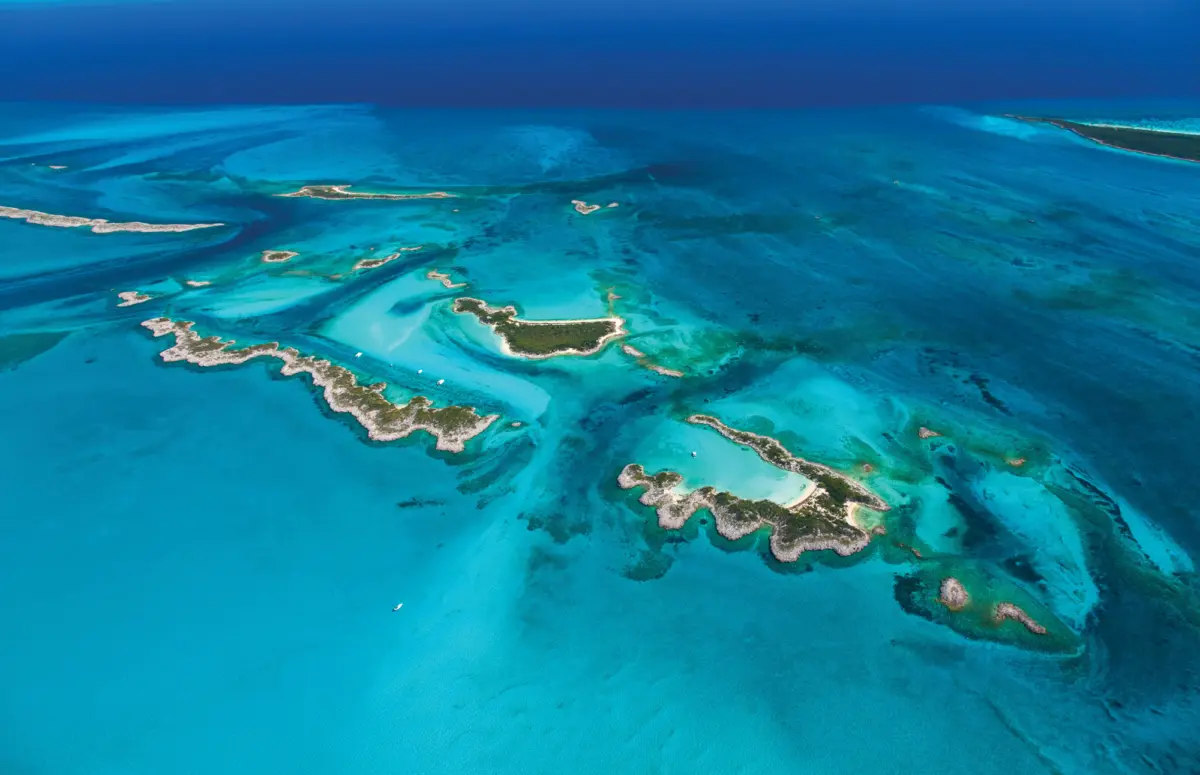
For decades, the crystalline turquoise waters, powder-soft pink sandbars, and secluded cays of the Bahamas have served as the ultimate playground for the international yachting community. Yet, over the past year, this nautical haven experienced an unprecedented cold war between the government and the very cruisers who fuel its tourism-dependent economy.
When the Bahamian parliament implemented a drastic hike in cruising permit fees in the summer of 2025, the fallout was swift, severe, and economically punishing. What followed was a high-stakes standoff marked by a 40 percent plummet in boat traffic, canceled marquee events, fractured supply chains for local mom-and-pop businesses, and relentless vocal pushback from captains and yacht owners across boat shows from Annapolis to Fort Lauderdale.
Faced with a rapidly emptying maritime landscape, the Bahamian government ultimately blinked. By the spring of 2026, officials officially reversed the controversial fee increases, reducing the financial burden for visiting vessels. However, the road to recovery has proved to be a long-tail challenge. While major yacht rendezvous, premier brokerages, and resort marinas are now reporting a robust resurgence in bookings, the aftermath of the dispute has left a permanent impression on how the region manages its most vital tourism sector.
Today, industry leaders are broadcasting a clear message to the global boating community: the storm has passed, the fees have normalized, and the Bahamas is officially open for business—with an unexpected silver lining of uncrowded anchorages and wide-open horizons.
Detailed Chronology of the Crisis
Summer 2025: The Catalyst and the Crash
The friction began in the summer of 2025, when the Bahamian government enacted an aggressive overhaul of its boating regulations, significantly raising the cost of cruising permits and regulatory fees for visiting vessels. The rationale behind the policy shift aimed to capture a higher yield from affluent tourists navigating Bahamian waters. Instead, the policy triggered an immediate and hostile reaction from the grassroots cruising community and commercial charter operators alike.
Within weeks, the maritime pulse of the islands began to slow. Slips that traditionally enjoyed peak-season occupancy sat vacant.
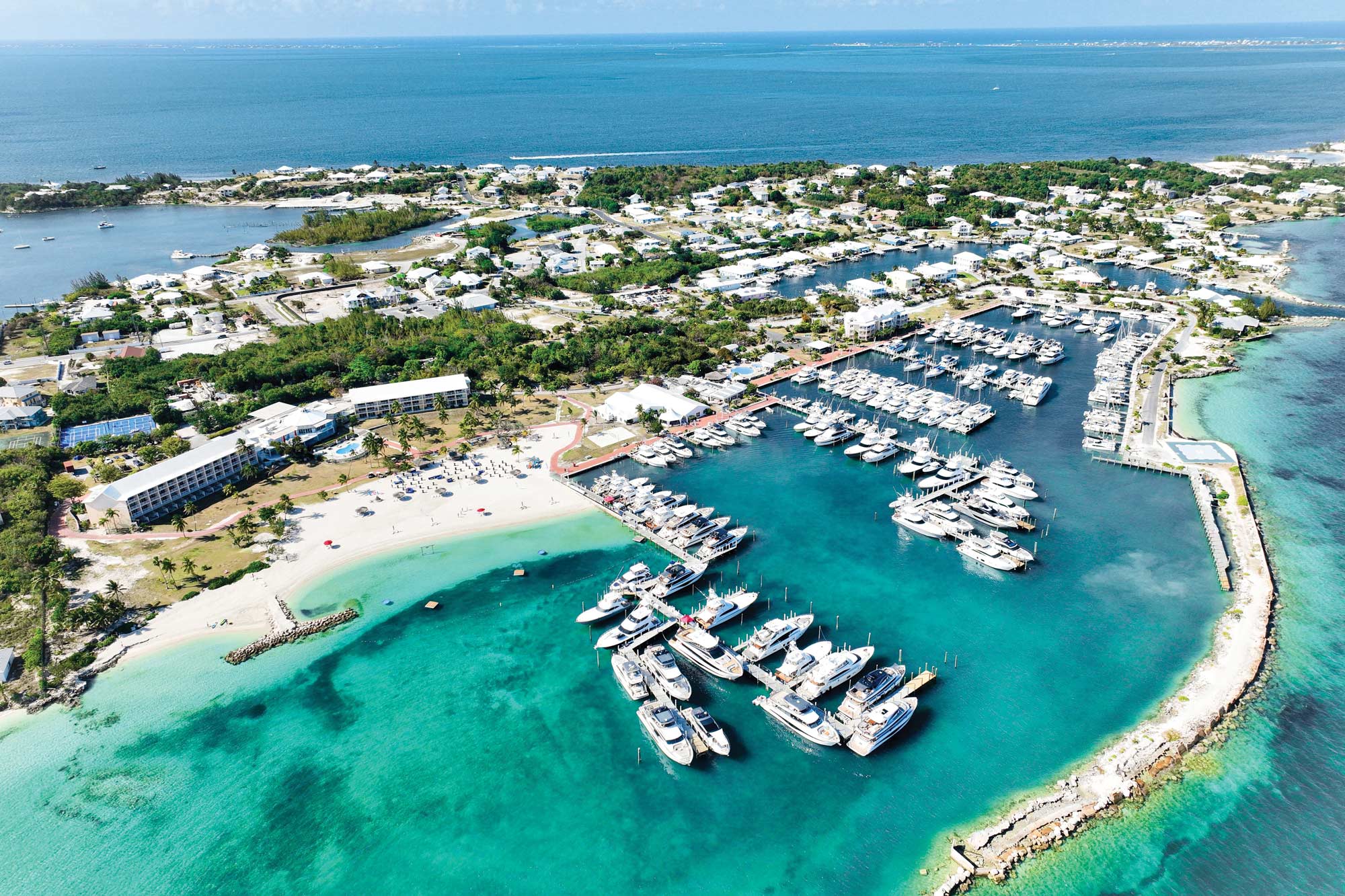
"We saw a dip in slip reservations immediately," recalls Brent Ingraham, director of sales and marketing at the Abaco Beach Resort. "Our regular, frequent customers to the resort certainly wanted answers about how we were addressing the situation with the powers that be."

Fall 2025 to Early 2026: The Boycott Escalates
As the summer season bled into fall, the discontent hardened into a de facto boycott. Boaters took to social media platforms, marine forums, and industry trade groups to voice their frustrations without filter. The economic shockwaves quickly rippled outward from the large resorts to touch every tier of the island economy.
Local reports confirmed a staggering 40 percent drop in overall boat traffic entering Bahamian waters. The situation became so untenable that the Association of Bahamas Marinas was forced to make the drastic decision to cancel the prestigious 2026 Bahamas Charter Yacht Show altogether, citing a critical lack of registered vessels and participant commitment.
For hospitality executives like Ingraham, the pressure was unrelenting. Traveling to major U.S. boat shows—from the Annapolis Sailboat Show in Maryland to the Fort Lauderdale International Boat Show in Florida—Ingraham found himself trapped on the defensive.
"Attendees asked me when the Bahamian government would reverse course," Ingraham notes. "It went on for eight or nine months. There was no escape."
Spring 2026: The Government Retreats
Realizing the profound structural damage inflicted on the tourism sector, the Bahamian government acquiesced in April 2026, officially slashing the cruising permit fees back down to levels that aligned more realistically with regional travel costs.
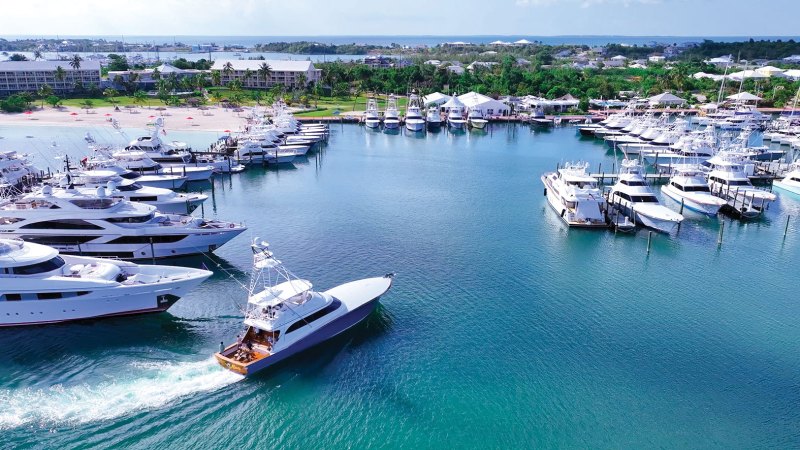
Yet, as Lee Prosenjak, owner of Valentine’s Resort & Marina on Harbour Island, points out, economic recovery in the yachting world rarely happens overnight.
"If you’re already booked somewhere else, you’re going to wait and come next year," Prosenjak explains, highlighting the psychological and logistical "long tail" of a major tourism disruption. "It’s a longer tail than just an immediate thing."
Supporting Context & Metrics: The Human and Economic Toll
While the high-profile resorts bore the brunt of canceled slip rentals, the true victims of the 2025 fee hike were the thousands of independent, family-owned businesses that form the backbone of the Bahamian island communities.
When transient boaters vanished, the revenue stream evaporated for:
- Mom-and-pop grocery stores supplying fresh provisions to anchored yachts.
- Local liquor and gift shops reliant on daily foot traffic from shore excursions.
- Independent guides, bonefish captains, and eco-tour operators who saw charter requests dry up overnight.
- Local restaurants and beach bars that suddenly found themselves operating at a fraction of their normal capacity.
"The mom-and-pop stores, the liquor stores, the gift stores, all along that revenue stream, they were all impacted because the bodies were not there," Ingraham observes. However, he offers high praise for their resilience: "Kudos to them, they were able to tighten their belts and sustain their operations to stay in business. They’re ready to welcome boaters to the islands."
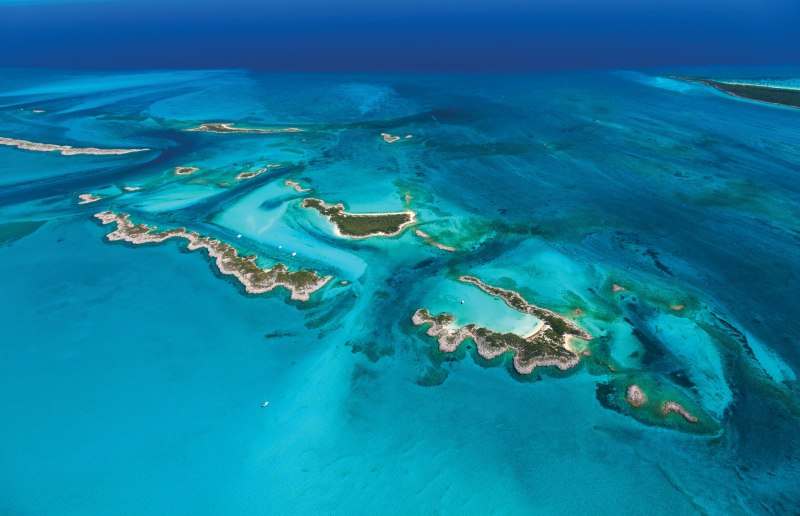
On the water, the metric shifts revealed a rare paradox for travelers willing to brave the transition period. With boat traffic down by nearly half during the height of the dispute, popular anchorages across the Abacos, Exumas, and Eleuthera experienced unprecedented tranquility.
"On a normal day, you’re going to run into 36 people on the entire 3-mile stretch of beach," Prosenjak notes of Harbour Island. "During the downturn, it dropped to only 20 people. Nobody’s here. Come and get it. You can have your pick of the dinner reservations. The beach is still the same, but with fewer people on it. In my mind, it’s a great time to come."
Official Statements & Industry Perspectives
The path forward requires rebuilding trust between the international marine community and Bahamian policy-makers. Industry leaders have spent months acting as diplomats, reassuring skeptical boaters that the government’s about-face is permanent and that future regulatory changes will not be made unilaterally.
"I firmly believe with all the advocacy that went into it, we’ve come to a happy medium that we can all live with," Ingraham asserts. "The plan is that before any such decisions are made of this nature, more conversations will happen with stakeholders."
This collaborative approach has successfully coaxed major marine brands and brokerage houses back into Bahamian waters. Group reservations and brand-sponsored owner rendezvous—which were put on hold during the uncertainty—are returning in full force.
Ingraham points to a rapidly filling calendar of corporate and dealer events: "We just had Horizon Yachts, the motoryachts. This was their third time back to the resort for an owner rendezvous. We have Solas boats coming, Boston Whaler with a major owner rendezvous, MarineMax Clearwater and Pompano coming back—they are all booked. Denison Yachts are coming."
For marina operators, the focus has shifted entirely to reminding travelers of the timeless, immutable qualities of the archipelago. Despite bureaucratic disputes, the natural ecosystem remained untouched.
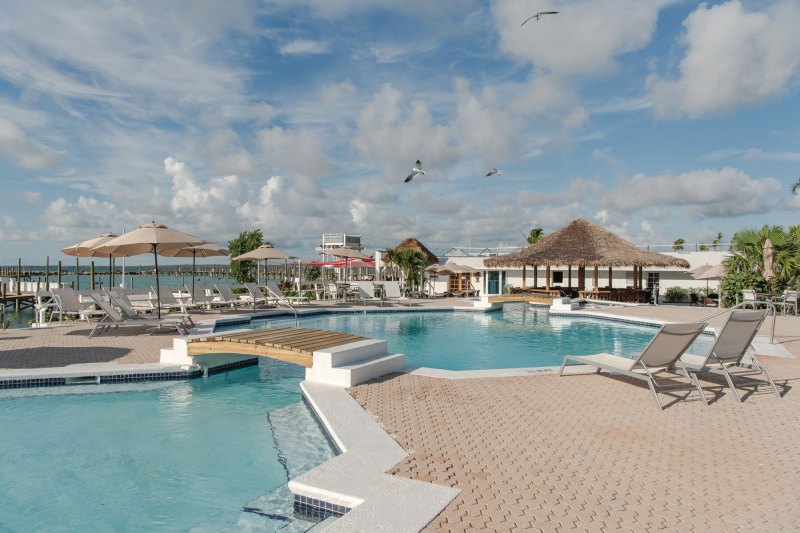
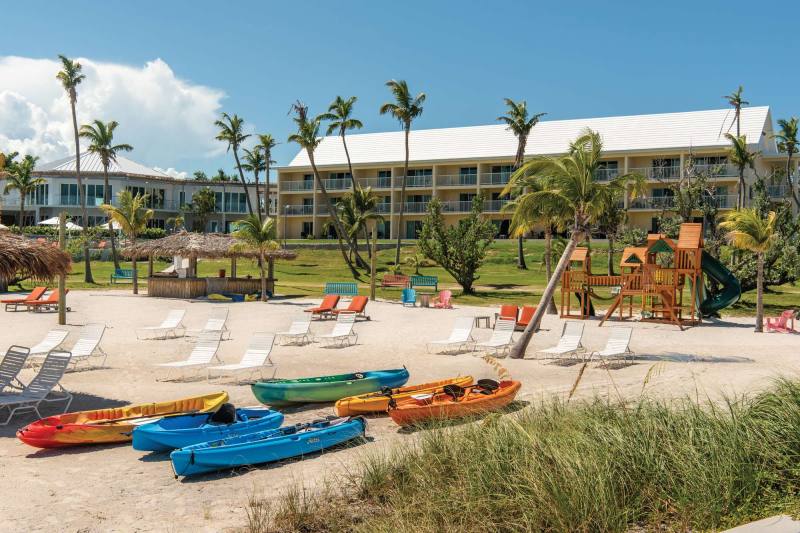
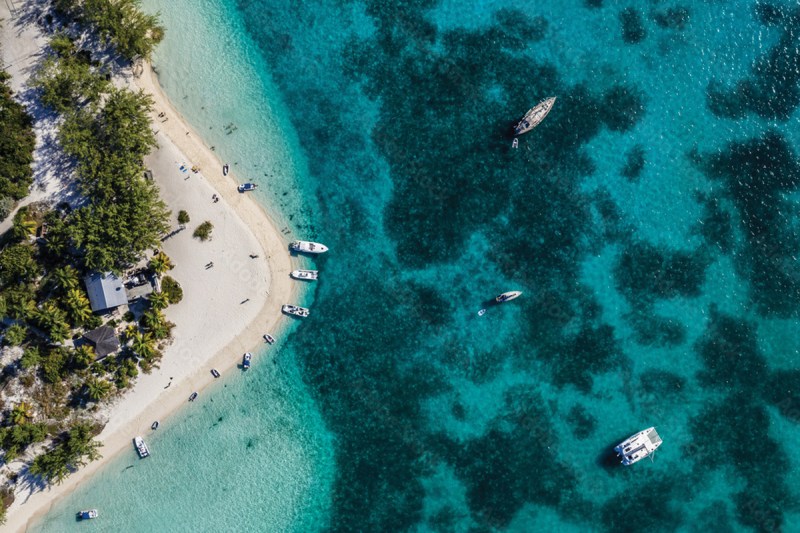
"While the cruising fees were changing back and forth, nothing was changing about the beauty of the Bahamian islands themselves," Ingraham emphasizes. "The sand on the beaches is still white and welcoming for anyone who wants to dig in their bare toes. The waters are still that color of turquoise that seems impossibly gorgeous, no matter how many times you’ve seen it. The fish are still biting, the dolphins are still playing in boaters’ wakes, and the lobsters and conch are still aplenty when it’s time to fire up the aft-deck barbecue."
Future Outlook: A Golden Window for Cruisers
Looking toward the remainder of the 2026 high season and into 2027, the outlook for Bahamian yacht tourism is exceptionally bright, underscored by strategic promotions and cultural celebrations.
Celebrating Independence in Style
Early July presents a premier window for boaters looking to experience the islands at their festive best. Blending the U.S. Fourth of July holiday with Bahamian Independence Day on July 10, local resorts and marinas are rolling out immersive cultural itineraries.
"We do fireworks and Junkanoo, which is a cultural celebration from the Bahamas," Prosenjak says. "We’ll have some Bahamian specials in the restaurants, too."
Off-Season Incentives and Long-Term Value
For budget-conscious cruisers and travelers seeking a "surf-and-turf" getaway without the frantic pace of peak winter months, the upcoming off-season offers unprecedented value. Properties like Valentine’s Resort & Marina are introducing aggressive long-term accommodation specials to cement the recovery.
"You can come and rent a one-bedroom for a month in the off-season for $5,000," Prosenjak highlights. "A two-bedroom is $7,500, and you can fit eight people in that."
Conclusion: Open Arms and Open Waters
The resolution of the 2025–2026 fee crisis serves as a powerful testament to the influence of collective advocacy within the global yachting community. By standing their ground, cruisers and industry stakeholders successfully protected the accessibility of one of the world’s premier marine destinations.
As resorts report record occupancy levels, the lingering hesitancy among skippers is evaporating. The message from the docks is unified, enthusiastic, and definitive.
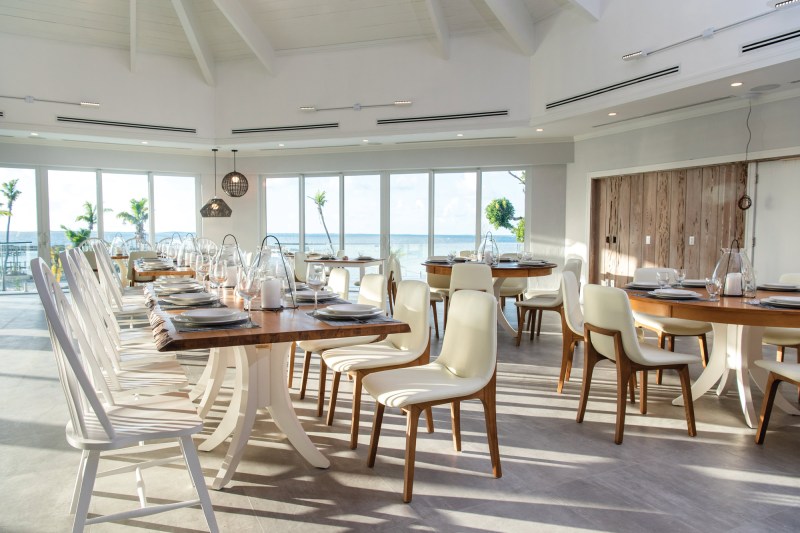
"We are open for business," Ingraham concludes. "We are better than we were before. We are doing record occupancy at the marina and at the resort, and we welcome persons to come and enjoy the deep-sea fishing, island-hopping, and to come and relax at the resort. We welcome them with open arms."