








Executive Overview
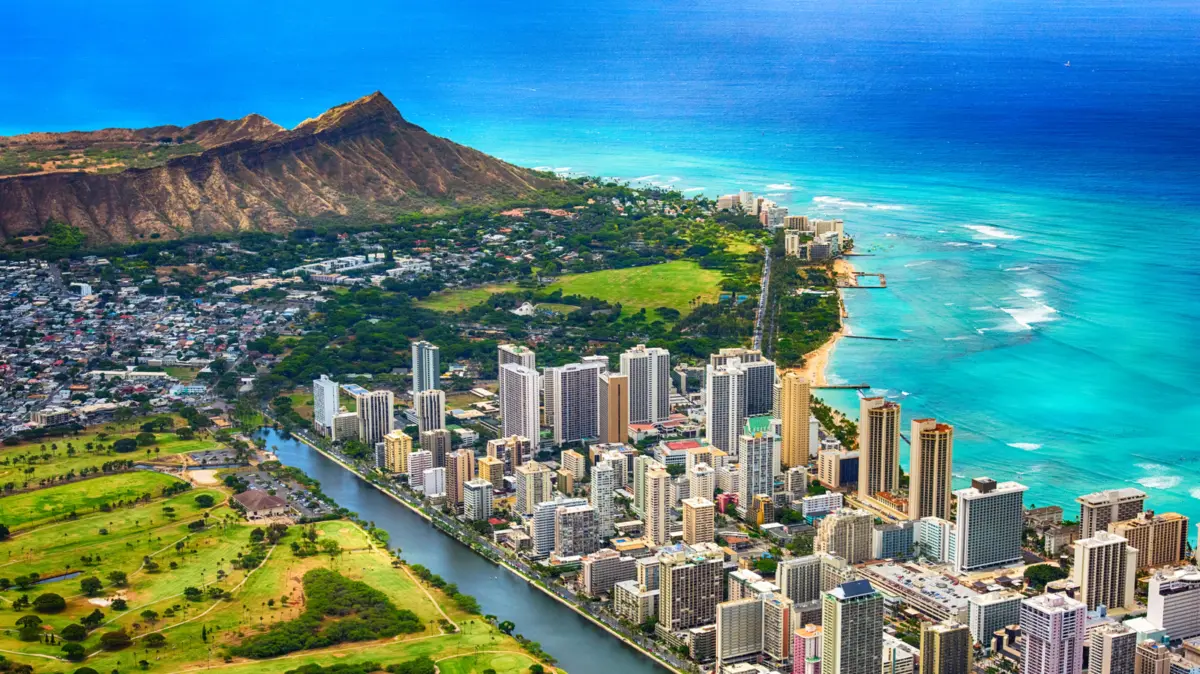
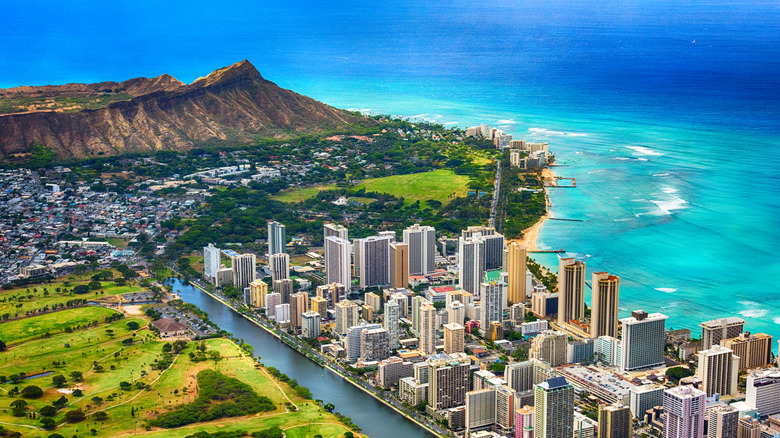
For millions of travelers each year, Honolulu, Hawaii, represents the ultimate tropical escape. Boasting azure waters, expansive white-sand beachfronts, world-class dining, and a year-round balmy climate, the state capital on the island of Oahu is a cornerstone of global tourism. In 2025 alone, Oahu welcomed over 5.5 million visitors, the vast majority of whom began their journeys amid the bustling energy of Honolulu.
Yet, there is a profound chasm between vacationing in a tropical paradise and laying down permanent roots. According to comprehensive data released by personal finance platform WalletHub, Honolulu has been ranked as the absolute worst city in the United States for retirement when measured strictly by affordability.
While the city frequently garners accolades for its pristine environment—ranking among the "10 Cleanest Cities in the World" and earning praise as a safety sanctuary—its economic reality for retirees on fixed incomes tells a starkly different story. With an adjusted cost of living that eclipses mainland budget havens by upwards of 100%, Honolulu forces prospective retirees to weigh the psychological and emotional benefits of island living against the harsh math of soaring housing, food, and utility expenses. Interestingly, despite these financial hurdles, approximately one in four Honolulu residents is over the age of 60, proving that for a dedicated subset of the population, the price of paradise is one they are willing to pay.
Detailed Chronology: The Evolution of Honolulu’s Retirement Paradox
To understand how Honolulu arrived at the bottom of national retirement affordability indexes, it is necessary to examine the socio-economic evolution of the Hawaiian capital over the past several decades.
The Post-War Tourism Boom and Real Estate Transformation
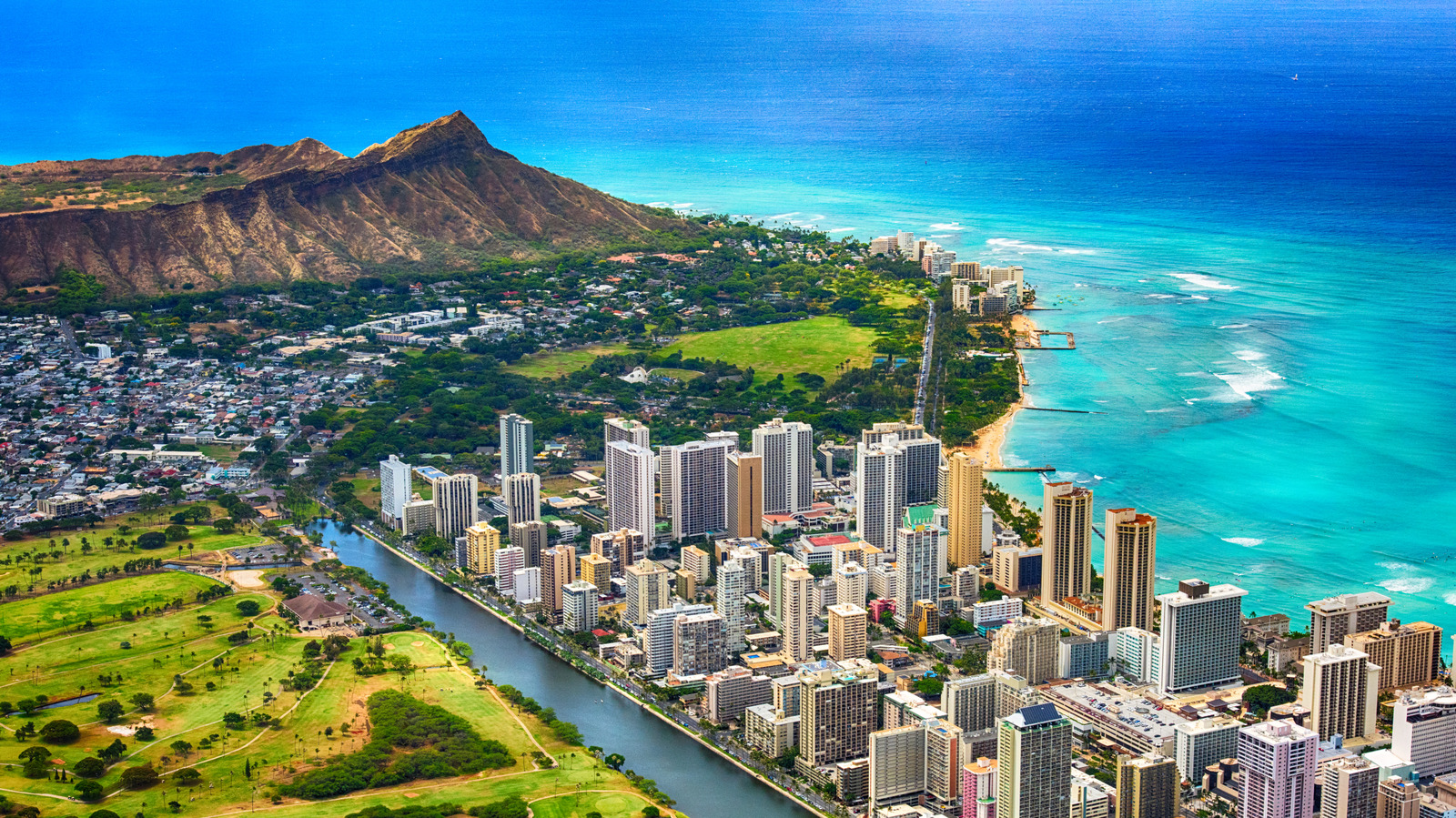
Following Hawaii’s statehood in 1959, Honolulu experienced an unprecedented influx of capital, development, and tourism. The transformation of Waikiki from a wetland into a high-rise resort corridor set a precedent for real estate development across the city. Throughout the late 20th century, land became an increasingly scarce and commodified resource. Because Oahu is geographically constrained by the ocean and protective mountain ranges, urban sprawl is limited, driving land values skyward.
The 21st Century Cost-of-Living Crunch
As the global economy shifted into the 2000s and 2010s, Honolulu’s geographic isolation began to pose severe logistical challenges. The "import tax"—the hidden cost of shipping nearly all food, energy, construction materials, and consumer goods thousands of miles across the Pacific Ocean—began to heavily compound.
By the early 2020s, post-pandemic inflation accelerated these pressures. While mainland U.S. cities experienced notable cost-of-living spikes, Honolulu’s baseline was already so elevated that even moderate percentage increases translated to thousands of dollars more per year for average households. In recent financial health reports, including WalletHub’s annual retirement analysis, Honolulu consistently found itself penalized for its low score in the "Affordability" subcategory, dragging down its overall ranking despite high scores in health care, quality of life, and safety.
The 2025/2026 Reality Check
Entering 2025 and 2026, the contrast between Honolulu as a premier travel destination and Honolulu as a retirement sinkhole became a frequent topic of economic and lifestyle discourse. Reports highlighting the city as a "disappointing destination" for travelers seeking budget experiences mirrored the warnings issued to retirees: paradise comes with a punishing financial toll. Yet, simultaneous recognitions—such as Berkshire Hathaway Travel Protection naming Honolulu the world’s safest city to visit and local studies dubbing it Hawaii’s happiest city—kept the dream alive for retirees willing to restructure their finances.
Supporting Context & Metrics: The Numbers Behind the Island Life
The debate over retiring in Honolulu is not merely anecdotal; it is grounded in hard, uncompromising economic metrics. To grasp the scale of the financial commitment required, financial analysts frequently compare Honolulu’s cost structure against mainland alternatives, such as Brownsville, Texas, which frequently tops lists for affordability.
Housing and Real Estate Extremes
Housing represents the single largest expenditure for retirees, and it is here that Honolulu’s metrics are most punishing.
- Downtown Rent: According to crowdsourced data from Numbeo, the average monthly rent for a one-bedroom apartment in downtown Honolulu hovers around $2,913.
- Comparison: In contrast, a comparable one-bedroom apartment in central Brownsville, Texas, averages roughly $947 per month—nearly one-third of the Honolulu rate.
- Homeownership: Purchasing a home in Honolulu requires navigating median property prices that routinely exceed $800,000 for single-family homes, with condominiums offering a slightly lower barrier to entry but burdened by steep monthly maintenance (HOA) fees driven by the high cost of local building upkeep and insurance.
Daily Consumables and Services
Because Hawaii imports approximately 90% of its food supply, grocery bills are notoriously high.
- Dining Out: An inexpensive restaurant meal that costs an average of $10 in Brownsville can easily set a diner back $28 in Honolulu.
- Basic Groceries: A liter of milk costs roughly $0.87 in Brownsville compared to $2.30 in Honolulu. Similar inflation applies to produce, meat, and household goods.
- Energy and Utilities: Electricity rates on Oahu are among the highest in the nation, driven by the island’s historical reliance on imported petroleum for power generation. Air conditioning—a near-necessity given the tropical climate—can drive monthly utility bills to staggering heights.
The Silver Lining: Cultural Respect and Subsidized Recreation
Despite these financial hurdles, the city compensates in non-monetary ways that deeply enrich the lives of its older residents. A foundational pillar of Hawaiian culture is mālama and the deep-seated respect afforded to kūpuna (seniors). Recognizing the financial strain on fixed incomes, the City and County of Honolulu, alongside local community organizations, has structured a robust ecosystem of senior-focused discounts and public programs.
- Transportation Savings: Retirees over the age of 65 can secure an annual transit pass for the city’s bus network and the newly expanded Skyline rail system for a modest $45, drastically cutting down on the need to maintain a personal vehicle and purchase hyper-expensive local gasoline.
- Recreational Access:
- Public and semi-private golf courses offer senior discounts for golfers 65 and older, with rates ranging from nominal daily fees to monthly passes between $10 and $95.
- Public green spaces such as the Foster Botanical Garden charge minimal admission ($3), while trails like the Friendship Garden are donation-based.
- Iconic local landmarks—including hikes up the Diamond Head crater and snorkeling excursions at the pristine Hanauma Bay Nature Preserve—are either completely free or heavily discounted for local residents.
- World-class white-sand beaches, from the bustling shores of Waikiki to the calmer, less crowded waters of Kahala Beach Park, cost nothing to enjoy.
Official Statements & Expert Analysis
Financial planners, retirement experts, and local civic leaders have increasingly weighed in on the viability of Honolulu as a long-term retirement destination.
Financial analysts from WalletHub emphasize that while quality-of-life indicators—such as mild weather, low crime rates, and abundant recreational opportunities—are vital for a happy retirement, they cannot override structural economic deficiencies. “When a city’s adjusted cost of living doubles that of budget-friendly continental hubs, retirees on fixed pensions or social security find themselves vulnerable to economic shocks,” notes a prominent retirement planning advisory note. “Without substantial personal savings or equity, the risk of outliving one’s assets in Honolulu is exceptionally high.”
Conversely, local community leaders and elder-advocacy groups point to the health outcomes of Honolulu’s senior population as proof that the city’s environment fosters longevity. Public health statistics consistently rank Hawaii at or near the top of U.S. states for overall life expectancy.

“The active, outdoor lifestyle available here—swimming, hiking, hula dancing classes through the local YMCA for ages 50 to 100, and constant community engagement—promotes physical and mental wellness that money simply cannot buy,” explains a Honolulu-based senior services coordinator. “Our kūpuna often tell us that the cost is secondary to the peace, community, and natural beauty they experience every day. But it requires meticulous financial planning.”
Future Outlook: Navigating the Crossroads of Retirement and Paradise
As the demographic landscape of the United States shifts with the aging of the Baby Boomer generation, cities like Honolulu face a unique balancing act. The future of retirement in Hawaii’s capital will likely depend on targeted policy interventions, housing market reforms, and infrastructure adaptations.
Addressing the Housing and Cost Crisis
Local lawmakers face mounting pressure to address the affordable housing crisis. Initiatives aimed at expanding transit-oriented development along the new Skyline rail corridor, incentivizing the construction of senior-specific affordable housing units, and exploring renewable energy alternatives to lower utility bills are critical steps. Without systemic relief, Honolulu risks squeezing out its middle-class and fixed-income residents, transforming the city into an exclusive enclave accessible only to the ultra-wealthy.
The Verdict for Prospective Retirees
For individuals dreaming of spending their golden years under the Hawaiian sun, the message from financial experts is clear: approach with caution, but not necessarily despair. Honolulu may hold the title of the least affordable retirement city in the U.S. according to quantitative metrics, but for those who have carefully built diversified portfolios, downsized appropriately, or are willing to embrace a simplified, community-centric island lifestyle, the rewards can outweigh the ledger.
Ultimately, the choice comes down to a deeply personal calculus. Whether to take the plunge into residency or to simply admire Honolulu as an unforgettable vacation destination remains one of the most challenging decisions a retiree can make—proving that sometimes, the price of paradise is measured in more than just dollars and cents.