









Executive Overview
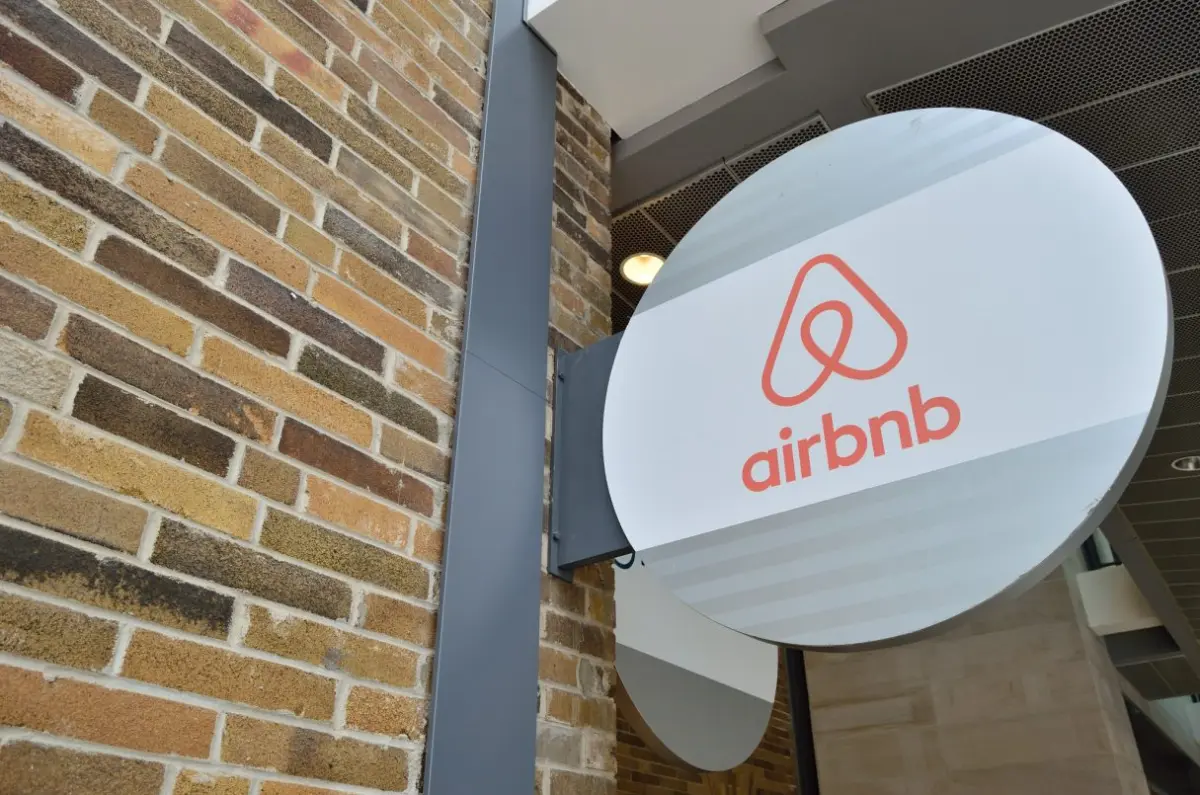
In a quiet yet strategically seismic shift, Airbnb has begun rolling out a new feature that blurs the traditional lines between platform-dependent distribution and independent vacation rental marketing. According to communications circulating widely across host-centric Facebook groups and professional LinkedIn forums this week, select property owners are receiving invitations to utilize personalized "direct booking links."
Promoted under the banner "Share your link, get a lower fee," this new offering introduces a tantalizing incentive for hosts weary of platform commissions: a noticeably reduced host service fee when guests complete reservations through these specific, host-generated URLs. However, a closer examination reveals that this is not a true disintermediation of the travel tech giant. Call it "direct booking" if you prefer, but the actual reservation engine, payment processing, and guest data capture still run entirely on Airbnb’s proprietary infrastructure.
More significantly, this rollout signals a structural evolution in Airbnb’s monetization strategy. By offering discounted rates tied to specific acquisition channels, the company’s monolithic take rate appears to be shifting toward a variable model. This move carries profound implications for the short-term rental industry, pitting Airbnb more directly against traditional direct-booking software providers and website builders like Hostaway, Guesty, and Lodgify, while simultaneously tightening its grip on host inventory.
This deep-dive report analyzes the mechanics of Airbnb’s new direct-booking initiative, contextualizes the move within the broader travel distribution landscape, explores the economic realities for hosts, and forecasts how this variable take-rate model will reshape the future of hospitality tech.
Detailed Chronology: How the Feature Emerged and Operates
The rollout of Airbnb’s direct-booking links began making waves across digital communities in mid-to-late 2023 and early 2024, but it has recently accelerated into a broader testing phase. Host communities online were the first to sound the alarm—and express cautious optimism—after receiving targeted notifications from the platform.
The Invitation and Initial Dissemination
The feature first came to light when hosts shared screenshots of emails and dashboard alerts bearing the subject line: "Share your link, get a lower fee." According to these disclosures, Airbnb began populating the Listing editor of select accounts with a newly minted, unique URL tied directly to individual properties or host portfolios.
The core messaging within these communications emphasizes user acquisition incentives. Airbnb is explicitly encouraging hosts to distribute these links across their external marketing channels—including personal websites, email newsletters, direct messaging campaigns, and social media platforms like Instagram, Facebook, and X (formerly Twitter).
The Booking Mechanics
Despite the colloquial use of the term "direct booking" by both hosts and the platform itself, the transaction workflow remains firmly anchored within the Airbnb ecosystem. When a potential guest clicks a host’s custom link, they are directed to a landing page or listing view hosted on Airbnb’s domain or app.
The booking process unfolds as follows:
- Traffic Generation: The host utilizes external marketing to drive traffic to their unique URL.
- Platform Landing: The user lands on Airbnb, where the property is displayed within the familiar interface.
- Transaction Completion: The reservation, identity verification, communication, and payment processing are executed entirely on Airbnb’s backend.
- Fee Adjustment: Upon checkout, the host service fee associated with that specific reservation is automatically reduced compared to the standard platform-wide rate.
- Ecosystem Retention: Despite the discount, the booking retains all standard Airbnb operational benefits, including eligibility for AirCover for Hosts, structured damage protection, and the platform’s standardized cancellation policies.
This hybrid approach ensures that while the host is doing the heavy lifting of customer acquisition and top-of-funnel marketing, Airbnb retains control over the guest relationship, the transaction data, and the primary point of sale.
Supporting Context & Metrics: The Economics of Distribution and Take Rates
To fully appreciate the weight of Airbnb’s latest maneuver, one must examine the broader economics of the short-term rental distribution landscape, historical take rates, and the perpetual tug-of-war between Online Travel Agencies (OTAs) and independent property managers.
Understanding the OTA Take Rate
For over a decade, the standard economic model for OTAs like Airbnb, Vrbo, and Booking.com has relied on commission structures or split-fee models. Airbnb famously operates on a split-fee structure for many hosts (where hosts typically pay around 3% and guests pay a service fee that can range upwards of 14%), or a host-only fee structure that generally hovers around 14% to 16% (and higher for properties with strict cancellation policies or in specific regions).
These take rates have long been a primary point of friction between hosts and platforms. Property managers managing dozens or hundreds of units often argue that paying a 15% toll on repeat guests—travelers who might have discovered the property via word-of-mouth or a host’s independent marketing efforts—is an exorbitant tax on loyalty.
The Rise of the "Direct Booking" Movement
In response to high OTA commissions, a massive cottage industry of Property Management Systems (PMS) and direct-booking website builders has flourished. Companies like Guesty, Hostaway, Lodgify, and Superguest have built multi-million-dollar businesses empowering hosts to build standalone websites, capture direct bookings, and bypass OTA fees entirely.
However, building a direct booking channel is notoriously difficult for independent hosts:
- Customer Acquisition Costs (CAC): Driving targeted traffic to an independent website requires substantial investments in SEO, Google Ads, and social media marketing.
- Trust and Safety: Guests often prefer booking through recognized brands like Airbnb or Vrbo because of built-in payment security, review systems, and customer support.
- Conversion Rates: OTAs boast multi-billion-dollar conversion-optimized user interfaces that independent websites struggle to replicate.
Airbnb’s Masterstroke: Weaponizing Variable Take Rates
By introducing reduced fees for traffic driven by hosts, Airbnb is executing a brilliant strategic pivot. Instead of fighting the direct-booking movement, Airbnb is attempting to co-opt it.
By offering a discounted take rate, Airbnb achieves three critical objectives:
- Incentivized Marketing: They harness the marketing budgets and social media reach of millions of hosts to drive external traffic directly to the Airbnb platform, drastically lowering Airbnb’s own CAC.
- Defending Against PMS Platforms: They discourage hosts from setting up independent booking engines (such as Stripe-integrated WordPress sites) by offering a frictionless way to get "direct booking" benefits without abandoning Airbnb’s safety nets.
- Data Harvesting: They ensure that even when a host does the work of acquiring a guest, Airbnb still captures valuable user data, payment info, and behavioral analytics.
Official Statements and Industry Reactions
While Airbnb has not yet published a sprawling global press release announcing the universal rollout of the feature—preferring instead an iterative, targeted rollout—spokespersons and industry analysts have begun framing the development within the context of the company’s broader product evolution.
Platform Positioning
Industry insiders note that Airbnb’s leadership has increasingly focused on empowering hosts with tools that extend beyond passive listing management. Features introduced during recent Airbnb "Winter Releases" and "Summer Releases" have leaned heavily into helping hosts market their spaces more effectively.
A representative close to the company’s product strategy noted that the direct-booking link initiative is designed to "reward hosts who bring their own communities and external audiences to the platform, ensuring they receive greater value for their independent marketing efforts while still enjoying the security and infrastructure that Airbnb provides."
Host Community Sentiment: Cautious Optimism Meets Skepticism
Within digital forums, Reddit communities, and private Facebook groups for short-term rental operators, reactions have been sharply divided:
- The Optimists: Many individual hosts and small-scale property owners have welcomed the news. For hosts who actively maintain Instagram pages or email lists for repeat guests, a lower service fee translates directly into higher net margins. Furthermore, the retention of AirCover for these bookings is viewed as a major selling point, mitigating the risk of handling direct bookings independently where damage claims can turn into legal nightmares.
- The Skeptics: Professional property managers and tech-savvy operators have expressed deep skepticism. Many view the move as a Trojan horse designed to kill independent direct-booking websites. By dangling the carrot of a lower fee, Airbnb keeps hosts tethered to its walled garden. Critics point out that hosts utilizing these links are still handing over direct customer ownership to Airbnb, preventing them from building a true proprietary guest database for remarketing campaigns.
Future Outlook: The Evolution of Short-Term Rental Distribution
As we look toward the horizon of the travel and hospitality sector, Airbnb’s experimentation with variable take rates and host-driven acquisition links foreshadows several major transformations.
1. The Death of the Uniform Take Rate?
The traditional OTA model of flat, rigid commission structures is under siege. As competition intensifies between Airbnb, Vrbo, Booking.com, and emerging alternative platforms, pricing models are becoming dynamic. Just as airline tickets and hotel rooms feature variable pricing based on demand, distribution fees are likely to become fluid. We may soon see algorithms where Airbnb adjusts its take rate dynamically based on the source of traffic, the host’s Superhost status, market seasonality, and local competition.
2. A Direct Collision Course with Property Management Software
For PMS providers and direct-booking website builders, Airbnb’s move is a clear competitive warning shot. If Airbnb can successfully convince hosts that they can achieve "direct booking" economics (via reduced fees) while retaining Airbnb’s safety net, the value proposition of building an independent direct-booking website diminishes for smaller operators. PMS companies will need to innovate rapidly—offering superior guest messaging automation, loyalty programs, and advanced CRM capabilities that an OTA simply cannot match.
3. Regulatory and Antitrust Implications
As platforms like Airbnb exert greater control over the entire distribution funnel—from independent social media marketing to final checkout—regulatory scrutiny will inevitably follow. Antitrust watchdogs in Europe and North America continue to monitor OTA market dominance. While incentivizing lower fees is pro-consumer and pro-host on the surface, questions may arise regarding platform lock-in and whether these features stifle genuine marketplace competition.
4. The Empowered Host-Entrepreneur
Ultimately, the modern short-term rental host is evolving into a sophisticated digital marketer. No longer content to simply list a property and wait for algorithmic traffic, successful operators are building multi-channel distribution strategies. Airbnb’s new links provide a powerful tool for these entrepreneurial hosts—provided they remain clear-eyed about the trade-off: trading short-term margin savings for long-term customer data ownership.
Conclusion
Airbnb’s introduction of discounted "direct booking links" is far more than a minor platform tweak; it is a calculated masterclass in ecosystem retention and acquisition cost optimization. By offering a variable take rate that rewards hosts for bringing their own traffic, Airbnb is successfully co-opting the direct-booking movement.
For hosts, the feature offers an immediate financial incentive—lower fees coupled with the security of AirCover. Yet, it also serves as a poignant reminder of the digital age’s central paradox: convenience often comes at the cost of direct ownership. As this feature rolls out globally, it will permanently alter the calculus of how short-term rentals are marketed, booked, and monetized.


