Executive Overview
For generations, the rhythmic churning of ferry engines against the cold, slate-grey waters of Maine’s Casco Bay has signaled the pulse of daily life for coastal residents and visitors alike. Serving as a vital maritime bridge, Casco Bay Lines has long transcended its utilitarian function as a transportation provider, embedding itself deeply into the cultural fabric, economy, and communal identity of the region. Now, the historic municipal ferry service is tipping its hat to that rich heritage with the launch of an exclusive new merchandise line.
Unveiled at the downtown Portland terminal, the collection channels the quintessential aesthetic of coastal Maine. Featuring custom dad hats, durable canvas totes tailored for both the organized island-hopper and the chronically tardy commuter, and cozy crewneck sweatshirts designed to ward off brisk Atlantic breezes, the new gear blends functional utility with tongue-in-cheek local charm.
Beyond serving as a nod to local fashion, the rollout underscores Casco Bay Lines’ enduring commitment to the island communities it serves—from Peaks Island to Chebeague. As one of the oldest continuously operating ferry systems in the United States, the agency leverages this merchandise line not merely as retail expansion, but as a celebratory tribute to the captains, deckhands, daily commuters, and summer travelers who have charted its course over the decades. This comprehensive report examines the cultural resonance of the launch, the operational history of Casco Bay Lines, the design philosophy behind the new apparel, and the broader economic impacts of Maine’s iconic coastal infrastructure.
Detailed Chronology: A Maritime Tradition Rooted in Maine History
To understand the cultural weight of Casco Bay Lines’ latest merchandise drop, one must first trace the nautical lineage that birthed it. The history of organized ferry transportation across Casco Bay is inextricably linked to the settlement, growth, and seasonal evolution of Maine’s island communities.
The 19th Century: The Dawn of Steam Navigation
Long before the modern steel-hulled vessels traversed the bay, transportation relied on private sailing packets, whaleboats, and rugged local fishermen willing to ferry passengers and mail for a modest fee. However, the true catalyst for regional connectivity arrived in the mid-to-late 19th century with the advent of steam power.
As Portland blossomed into a bustling commercial shipping hub following the Civil War, the demand for reliable passenger and freight service to the nearby islands—collectively known as the Calendar Islands—surged. Wealthy summer rusticators began discovering the pristine shores of Peaks, Long, and Great Diamond islands, constructing grand hotels and summer estates. Concurrently, year-round residents required consistent logistics to transport fuel, livestock, construction materials, and harvested seafood back to the mainland.
Private entrepreneurs stepped in, establishing competing steamship lines. Names like the Forest City Steamboat Company and the Harpswell Steamboat Company dominated the waters, often engaging in fierce fare wars. These early vessels were architectural marvels of their era, featuring ornate wooden superstructures, side paddle wheels, and luxurious saloons that catered to the Gilded Age tourist trade while simultaneously hauling barrels of salted fish and coal sacks.
The 20th Century: Consolidation and Municipalization
By the early decades of the 20th century, the economic realities of operating independent fleets through brutal Maine winters—characterized by thick sea smoke, nor’easters, and dangerous anchor ice—led to industry consolidation. In 1919, various competing operators merged under a single corporate umbrella to form the Casco Bay Lines (originally operating as the Casco Bay and Harpswell Lines).
This consolidation ensured greater schedule reliability and financial stability, cementing the ferry system as an essential public utility in practice, even if it remained privately managed for several more decades. The mid-20th century saw the transition from coal-fired steamships to more efficient diesel-powered vessels, modernizing the fleet and allowing for year-round operation with reduced maintenance overhead.
A pivotal turning point arrived in the late 20th century. Facing fluctuating economic conditions, rising operational costs, and the absolute necessity of maintaining lifeline services for year-round island residents who could no longer rely on private market whims, the structural model of the enterprise shifted. The Casco Bay Island Transit District (ITD) was officially formed as a quasi-municipal corporation, ensuring that democratic oversight, public funding, and community needs would dictate the operational philosophy of the ferry network.
The Modern Era: Navigating the 21st Century
Today, Casco Bay Lines moves over a million passengers annually, alongside hundreds of thousands of vehicles, pieces of freight, and bicycles. The fleet comprises modern, purpose-built vessels capable of navigating the complex navigational hazards of the bay, including the M/V Machigonne II, M/V Island Romance, M/V Island Holiday, M/V Aucocisco, and M/V Bay Mist.
As the agency navigates its mid-forties under the ITD operational banner—and acknowledges over a century and a half of continuous predecessor operations—it does so while confronting contemporary challenges: climate adaptation, rising sea levels, infrastructure modernization at the Portland terminal, and the delicate balance between supporting tourism and preserving the fragile ecosystems and quiet character of the islands. The introduction of the new apparel line serves as a cultural marker of this milestone, celebrating a resilient enterprise that has successfully bridged historical tradition with modern operational excellence.
Supporting Context & Metrics: The Lifeline of the Calendar Islands
To fully appreciate the appeal of merchandise emblazoned with phrases like "Island Time" or "Running Late," one must understand the unique rhythm of life dictated by the Casco Bay ferry schedule. For the hundreds of residents who call islands like Peaks, Chebeague, Long, Cliff, and Great Diamond home, the ferry is not a recreational cruise; it is the municipal equivalent of a highway, a school bus, an ambulance route, and a freight delivery service rolled into one.
Operational Scope and Economic Footprint
Operating 365 days a year, rain or shine, blizzard or blistering summer heat, Casco Bay Lines maintains a rigorous daily timetable. The metrics behind the operation highlight its sheer scale:
- Annual Ridership: Routinely exceeds 1 million passengers, fluctuating based on seasonal tourism influxes.
- Freight Volume: Millions of pounds of cargo—ranging from heating oil and construction lumber to groceries, Amazon packages, and mail—are loaded onto the freight decks of the vessels each year.
- Geographic Reach: Regular scheduled service connects mainland Portland to six primary islands, alongside numerous flag-stops across the outer bay.
- Workforce: Employs dozens of licensed captains, deckhands, marine engineers, customer service personnel, and terminal staff, many of whom are multi-generational Maine mariners.
The Psychology of the Commute and Island Time
Life on the islands requires a distinct psychological adjustment—a phenomenon universally recognized in the region as "Island Time." This is not merely a euphemism for being late; rather, it is an acceptance of the natural constraints imposed by the sea and the tide. If the fog rolls in thick enough to obscure the navigational buoys, the ferry slows down or pauses. If a heavy nor’easter dumps three feet of snow across Portland, the terminal becomes a staging ground for shovel crews and bundled commuters comparing notes on the latest weather advisory.
Conversely, the phrase "Running Late" captures the frantic, breathless dash familiar to every regular commuter who has parked their car in downtown Portland, sprinted down Commercial Street, and watched the boarding ramp pull up precisely at departure time. The cultural humor embedded in Casco Bay Lines’ new merchandise directly reflects these shared lived experiences, transforming internal community inside jokes into wearable art.
Official Statements and Design Philosophy
The creative direction behind the new collection was spearheaded with a deliberate intent to honor local culture while maintaining a high standard of material quality. Leadership at Casco Bay Lines emphasized that every item in the rollout was thoughtfully designed to resonate with both die-hard daily commuters and sentimental tourists.
"Your ferry fit just got an upgrade," announcement materials from Casco Bay Lines noted. "New Casco Bay Lines gear has officially arrived, with fresh designs inspired by island time, mad dashes to the terminal, salty air, and the boats that keep Casco Bay moving. Consider this your sign to make a little more room in the closet."
The agency expanded on the deeper ethos driving the retail launch:
"Of course, our ferries are more than an excuse for good merch. For many, they’re a dependable part of daily life, connecting island communities to work, school, family, and one another. For others, a trip across the bay becomes an unforgettable part of their time in Maine. Casco Bay Lines is proud to carry forward a long tradition of ferry service on Casco Bay, connecting people and islands for generations. And after all that time on the water, we’ve picked up a little style along the way."
Breakdown of the Collection
-
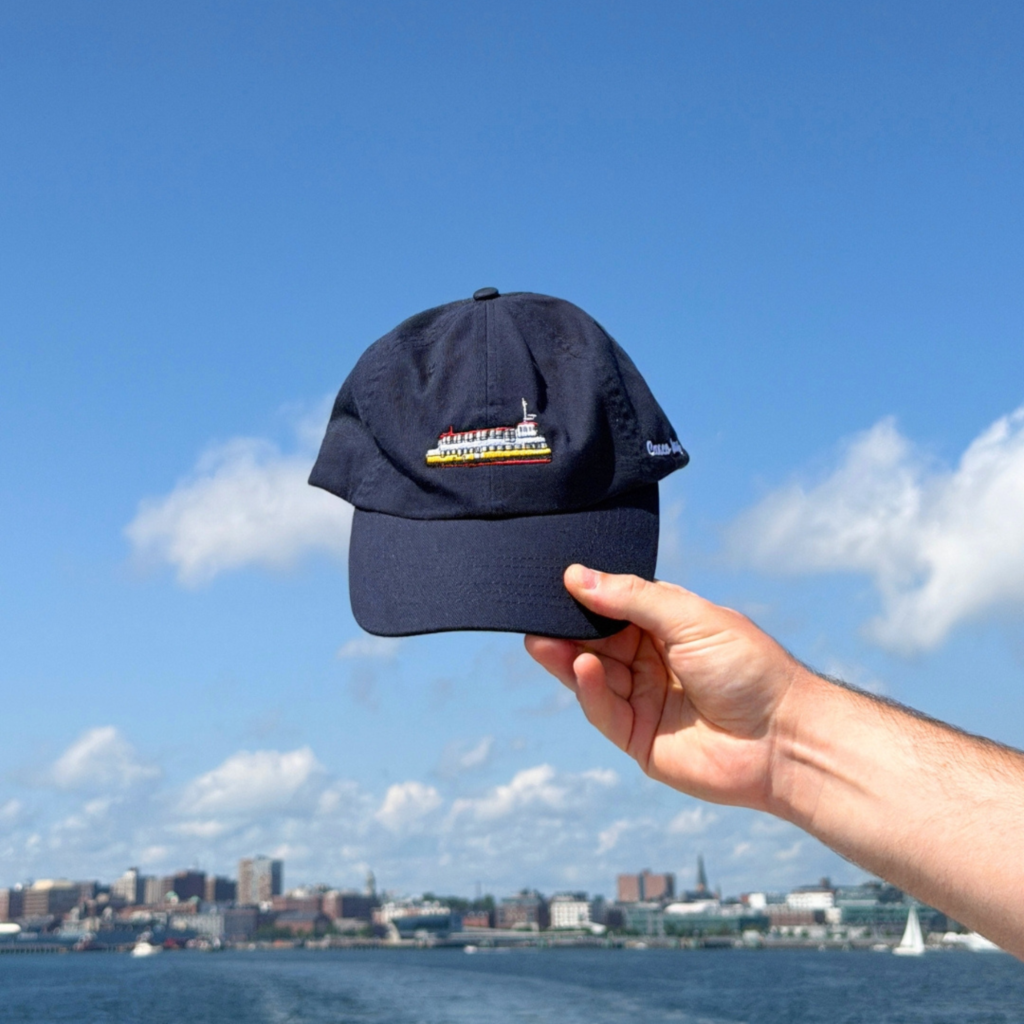
The Ferry Dad Hat ($35)
- Material: 100% bio-washed cotton chino twill.
- Design & Utility: Engineered for sun protection during dock strolls, island-hopping excursions, and casual wear. Featuring a classic, unstructured low-profile fit, it is styled for comfort and humor, jokingly described as ideal for "pretending you know how to tie nautical knots."
-
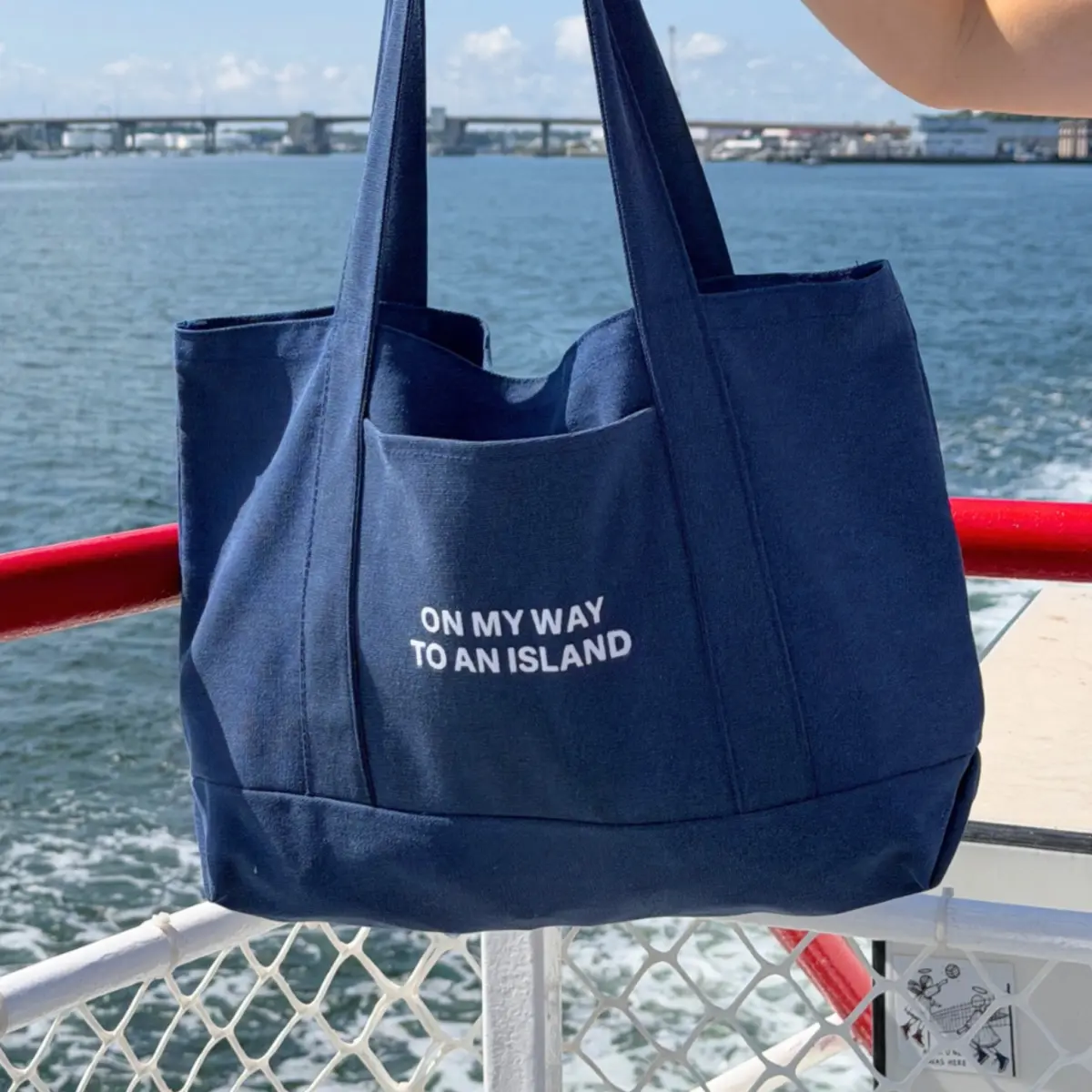
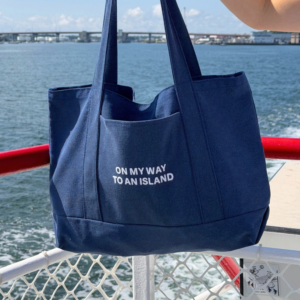
The Island Time Tote ($30)
- Design & Utility: Lightweight yet heavy-duty canvas construction tailored for carrying beach reads, sunscreen, provisions, and day-trip essentials. Whether heading to Peaks Island for a weekend hike or merely picking up groceries on the mainland with an island-state-of-mind, this tote serves as an unmistakable badge of Maine pride.
-
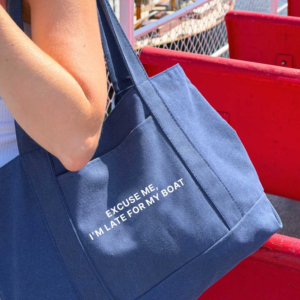
The Running Late Tote ($30)
- Design & Utility: A roomy, deep navy canvas bag explicitly dedicated to the art of cutting it close. Designed for the commuter who realizes five minutes before departure that they forgot half their gear, this bag offers maximum capacity and sturdy reinforced straps for high-speed terminal sprints down Commercial Street.
-
The Coastal Crew Sweatshirt ($45)
- Material: Premium cotton-polyester blend, available in sizes Small through Extra-Large.
- Design & Utility: Styled as a "warm hug from Casco Bay," this garment targets cool ocean breezes and crisp Maine autumn and spring evenings. Timeless in aesthetic, it transitions seamlessly from the open-air deck of an evening ferry to a quiet living room onshore.
Reflecting on the milestone, agency representatives shared a final sentiment of gratitude:
"We’re proud to be one of the country’s oldest ferry services. As Casco Bay Lines reaches its mid-forties [under current municipal transit structures], we do so with a heavy dose of gratitude for the captains, crews, riders, and communities that have shaped our story. All that’s left to do? Pick your favorite, catch the ferry, and wear it well."
Future Outlook: Sustainability, Modernization, and Community Resilience
As Casco Bay Lines looks toward the horizon, the challenges and opportunities facing the agency are evolving rapidly. The successful launch of a lifestyle apparel line demonstrates a modern marketing savvy, but the core mission remains anchored in heavy-duty maritime operations and public service.
Infrastructure and Fleet Modernization
Looking ahead, Casco Bay Lines is actively planning for the future of its physical infrastructure. With climate change driving sea-level rise and increasing the frequency of severe storm events along the Atlantic seaboard, protecting the downtown Portland terminal and island docking facilities is an ongoing priority. Engineers and transit planners are continually assessing shore-side electrical upgrades, float renovations, and terminal redesigns to ensure uninterrupted service for decades to come.
Furthermore, the agency is exploring sustainable technological advancements for its fleet. While diesel-electric propulsion remains the industry standard for handling the heavy torque and year-round reliability required in northern waters, maritime innovators across Casco Bay are closely monitoring advancements in hybrid-electric propulsion, shore-power charging stations, and alternative fuels. Reducing the carbon footprint of the fleet is viewed as an essential step in preserving the very marine ecosystem that makes the Calendar Islands so pristine.
Preserving the Island Way of Life
Ultimately, the future of Casco Bay Lines is inextricably bound to the socio-economic health of the island communities it serves. Affordable housing pressures, shifting seasonal demographics, and the logistics of year-round living in a premier vacation destination present ongoing hurdles for island residents. By maintaining reliable, subsidized public ferry service, the Transit District ensures that working-class families, local business owners, commercial fishermen, and generational islanders can continue to live and thrive off the coast of Portland.
As tourists and commuters alike sport their new "Island Time Totes" and "Ferry Dad Hats," those items represent more than just casual coastal fashion. They serve as badges of honor for a community bound together by salt water, diesel engines, and an unshakeable connection to the sea.
Purchasing Information
The complete Casco Bay Lines heritage apparel collection is available for purchase exclusively at the Casco Bay Lines Ferry Terminal, located at 56 Commercial Street in downtown Portland, Maine.