











Executive Overview
Airbnb, the global home-sharing pioneer that revolutionized how millions travel, is quietly preparing to reclaim its stake in the high-end travel market. According to exclusive insights from attendees at the company’s second annual host summit in San Francisco, Chief Executive Officer Brian Chesky signaled a major strategic pivot back toward ultra-luxury accommodations.
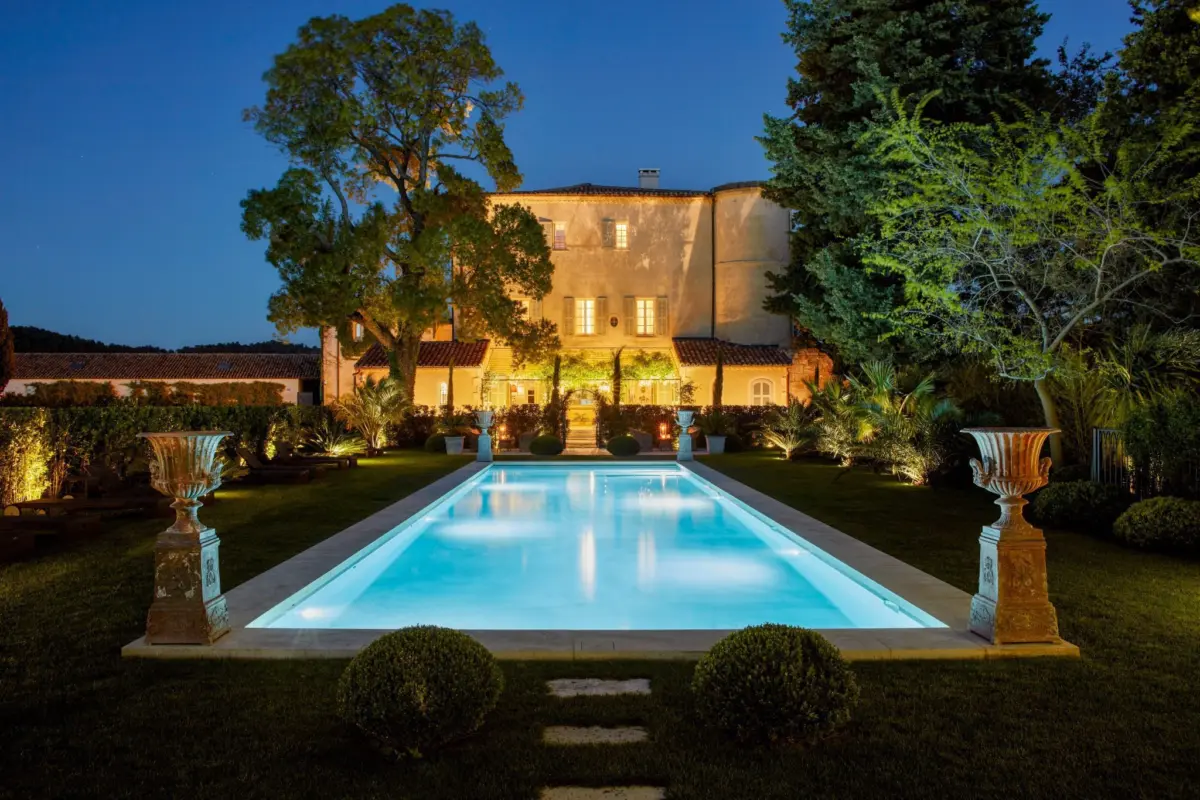
The initiative points directly to the revival—or complete structural reimagining—of Airbnb Luxe, a premier tier launched with considerable fanfare in June 2019, only to be sidelined by the onset of the COVID-19 pandemic just months later.
For an industry constantly looking for signs of post-pandemic structural shifts, this move is not merely a nostalgic reboot; it is a calculated encroachment into territory traditionally dominated by elite hotel chains, bespoke concierge agencies, and specialized high-end villa operators like OneFineStay and Inspirato. By courting ultra-high-net-worth travelers and property owners of multi-million-dollar estates, Airbnb is seeking to diversify its revenue streams, capture higher average daily rates (ADRs), and cement its brand identity across every tier of global hospitality.
This in-depth report explores the genesis of Airbnb’s luxury ambitions, the operational hurdles it faces, the economic rationale driving Chesky’s vision, and what property managers, investors, and travelers can expect as Airbnb steps back into the high-stakes world of elite accommodations.
Detailed Chronology: From Grand Ambitions to Pandemic Pivot and Beyond
To understand where Airbnb is heading, it is essential to trace the timeline of its luxury aspirations. The journey has been defined by bold expansions, unforeseen global disruptions, and a deliberate recalibration toward core offerings before making this recent, calculated return to the high-end market.
1. The Pre-2019 Foundations: Testing the Waters
Long before the term "Airbnb Luxe" entered the lexicon, the platform was organically attracting luxury listings. High-end property owners recognized the platform’s massive global reach, listing sprawling Mediterranean villas, alpine chalets, and private islands. However, the user experience lacked consistency. A traveler paying $2,000 a night expected white-glove hospitality, professional property management, and immaculate housekeeping—standards that varied wildly from host to host.
Recognizing this gap, Airbnb acquired Luxury Retreats in 2017 for an estimated $300 million. This acquisition provided the company with deep operational expertise, curated portfolios of high-end homes, and a dedicated team of trip designers. For two years, Luxury Retreats operated somewhat parallel to the main platform while engineers and product designers worked to integrate its infrastructure into the broader Airbnb ecosystem.

2. June 2019: The Birth of Airbnb Luxe
The culmination of the Luxury Retreats integration occurred in June 2019 with the official launch of Airbnb Luxe. Unveiled at a high-profile press event, the tier debuted with a curated collection of around 2,000 homes across the globe.
To qualify for Airbnb Luxe, properties had to pass a rigorous evaluation spanning up to 300 criteria. These checks evaluated everything from architectural design and high-end appliances to premium bath products and exceptional safety standards. Every Luxe booking included a dedicated, highly trained trip designer who would coordinate airport transfers, pre-stock groceries, arrange private chefs, and curate bespoke local itineraries. It was Airbnb’s definitive statement that it could cater to the ultra-wealthy just as effectively as the budget-conscious backpacker.
3. 2020: The Pandemic Interruption
The momentum behind Airbnb Luxe was brought to an abrupt halt in early 2020. As COVID-19 swept across the globe, international travel ground to a halt, borders closed, and hospitality stocks plummeted. Airbnb was forced into survival mode, laying off roughly 25% of its workforce, cutting marketing expenditures, and pausing non-essential growth initiatives.
While domestic "pod" travel and rural rentals eventually fueled an astonishing recovery for Airbnb later in 2020 and 2021, the resource-intensive concierge model of Luxe took a back seat. The luxury tier was quietly dialed back, and the specialized trip designer infrastructure was largely dismantled or reallocated to handle core platform safety and support operations.
4. 2022–2023: The Core Focus and Quality Clean-Up
In the immediate post-lockdown travel boom, Airbnb focused heavily on its bread-and-butter offerings: everyday homes, unique stays (like treehouses and yurts), and long-term stays. However, complaints regarding inconsistent quality, exorbitant cleaning fees, and misleading listings began to plague the brand.
Under Chesky’s leadership, Airbnb embarked on a massive quality-control campaign. Initiatives like Airbnb Categories (launched in 2022) and the Guest Favorites badge (introduced in late 2023) were designed to restore consumer trust and highlight the highest-rated properties on the platform. With the core marketplace stabilized and profitability reaching historic highs, the stage was set for a renewed push upmarket.
5. Late 2024: The San Francisco Host Summit Revelation
The latest chapter in this chronology unfolded at the invitation-only second annual host summit in San Francisco. Speaking directly to a select group of top-tier property managers and superhosts, Brian Chesky revealed that the company is actively rebuilding its luxury program.
According to attendees who spoke with Skift, Chesky outlined plans to re-enter the luxury space with a renewed emphasis on exclusivity, rigorous vetting, and tailored guest services—signaling that the lessons learned from the 2019 launch and subsequent pandemic disruption have informed a smarter, more resilient strategy.
Supporting Context & Metrics: The Economics of Elite Travel
Why is Airbnb choosing this exact moment to resurrect its luxury ambitions? The answer lies in shifting global demographics, consumer spending habits, and the resilient economics of the high-end travel sector.
The Rise of the Ultra-High-Net-Worth Traveler
While inflation and economic uncertainty have squeezed middle-income households, the luxury travel market has proven remarkably resilient. Wealthier demographic segments continue to prioritize experiential luxury over material goods. According to data from various global tourism monitors, luxury travel spending has outpaced overall tourism recovery since 2022.
By targeting this demographic, Airbnb can tap into travelers who are less price-sensitive and more willing to pay premium nightly rates for exceptional experiences. This directly addresses Wall Street’s ongoing desire for Airbnb to expand its Total Addressable Market (TAM) beyond traditional urban and suburban home-sharing.
Unit Economics and ADR Expansion
From a financial perspective, luxury rentals offer vastly superior unit economics compared to standard listings.
- Higher Average Daily Rates (ADRs): While a standard Airbnb listing might command $150 to $250 per night, a Luxe property routinely commands anywhere from $1,500 to $10,000+ per night.
- Extended Stays and Group Bookings: Luxury properties are frequently booked for family reunions, corporate retreats, and extended getaways, resulting in higher gross booking value (GBV) per transaction.
- Commission Margins: Premium tier programs often allow platforms to levy higher service fees or implement specialized partnership models with professional property managers, boosting overall revenue per user (ARPU).
The Competitive Landscape
Airbnb is not entering a vacuum. The ultra-luxury villa rental market is fiercely competitive, populated by established heavyweights:
- OneFineStay: Acquired by Accor, this brand offers meticulously vetted urban and resort homes with hotel-style services.
- Inspirato: Operating on a subscription and luxury club model, Inspirato guarantees access to a managed portfolio of luxury residences.
- Traditional Luxury Hospitality Giants: Brands like Marriott (through Homes & Villas by Marriott Bonvoy) and Four Seasons have steadily built out private retreat portfolios, leveraging their legendary loyalty programs and concierge networks to capture high-end consumers.
To stand out, Airbnb must leverage its unmatched global brand recognition while delivering a level of personalized hospitality that matches—or exceeds—that of traditional five-star hotels.
Official Statements and Industry Insights
The revelation of Airbnb’s luxury revival has sent ripples through the property management and hospitality community. While official corporate press releases regarding the exact rollout date and branding remain tightly under wraps, insights shared from the San Francisco host summit provide a clear window into executive strategy.
What the Insiders Are Saying
At the invitation-only summit, attendees noted that Chesky’s tone was both pragmatic and ambitious. One property manager who attended the sessions remarked:
"Airbnb is rebuilding its Luxe program. So that’s something that they really want to get into, and they’re going to be growing that program. I think they are going to keep it private for now, refining the standards before a massive public rollout."
Another attendee highlighted that the company is keenly aware of the operational friction points that plagued the initial 2019 launch. High-end property managers previously expressed frustration over rigid platform rules that didn’t always accommodate the bespoke nature of luxury rentals—such as custom cancellation policies, complex security deposits, and specialized concierge workflows.
Navigating the Property Manager Relationship
A critical component of Airbnb’s renewed strategy involves repairing and strengthening relationships with professional property managers (PMPs). Unlike individual homeowners who rent out their primary residences, luxury estates are almost exclusively managed by professional hospitality companies that oversee portfolios of dozens—sometimes hundreds—of high-end villas.
For Airbnb’s luxury push to succeed, it must provide these PMPs with advanced software integrations, reliable payout structures, and dedicated account management. Industry analysts suggest that Airbnb may lean heavily into partnerships with enterprise property management systems (PMS) to streamline inventory onboarding and ensure real-time availability syncs—a historic pain point for high-end operators who list across multiple channels (such as VRBO, Booking.com, and direct websites).
Future Outlook: What Lies Ahead for Airbnb Luxe 2.0?
As Airbnb prepares to roll out its reimagined luxury tier over the coming months and years, several key trends and operational milestones will dictate its success.
1. Enhanced Vetting and Curated Quality Control
To justify elite pricing, consumer trust is paramount. We can expect Airbnb to institute an even more stringent vetting process than the 300-point inspection introduced in 2019. This may involve mandatory in-person inspections by hospitality experts, continuous monitoring of guest review scores, and strict maintenance compliance standards. Properties that fail to maintain pristine conditions will likely be swiftly demoted back to the standard platform.
2. High-Touch Concierge Integration
A true luxury experience extends far beyond the physical walls of a villa. The success of Airbnb Luxe 2.0 will hinge on the seamless integration of digital-first yet human-backed concierge services. Whether through dedicated trip designers, AI-assisted itinerary planning, or partnerships with elite local concierge agencies, guests will expect effortless coordination of private aviation, yacht charters, Michelin-starred private chefs, and exclusive event access.
3. Marketing and Brand Positioning
Expect Airbnb to shift its marketing narrative. While recent ad campaigns have heavily emphasized affordability, multi-family travel, and the "Airbnb Rooms" revival, the upcoming luxury push will likely feature cinematic, high-production-value campaigns that spotlight breathtaking architectural masterpieces in exotic global destinations. This dual-track marketing strategy will allow Airbnb to maintain its broad, democratic appeal while simultaneously projecting an aspirational aura of elite exclusivity.
4. Financial Impact on Shareholders
For investors watching Airbnb’s quarterly earnings reports, the growth of the luxury tier will serve as a key indicator of the company’s pricing power. While volume growth (number of nights booked) remains important, expanding ADR through luxury penetration will be vital for sustaining revenue growth in a maturing travel market.
Conclusion
Airbnb’s decision to resurrect its luxury accommodations program is a bold and calculated evolution. By dusting off the blueprint of the shuttered Airbnb Luxe program and adapting it to the realities of the post-pandemic travel landscape, Brian Chesky and his team are signaling that Airbnb is no longer content with merely dominating the mainstream home-sharing market.
The road ahead will require meticulous execution, deep collaboration with professional property managers, and an uncompromising commitment to service excellence. If Airbnb successfully strikes this balance, it will not only capture a lucrative segment of the ultra-luxury travel market but also solidify its status as a comprehensive, multi-tiered hospitality titan capable of serving every traveler—from the budget backpacker to the most discerning global connoisseur.


