Executive Overview
For generations, the rhythmic churning of ferry engines against the frigid, salt-heavy waters of Maine’s Casco Bay has served as the literal and figurative heartbeat of the region. Connecting the bustling urban peninsula of Portland to the tight-knit, resilient island communities scattered across the bay, Casco Bay Lines (CBL) is far more than a transit provider—it is an enduring institution, a lifeline for daily commuters, and an iconic threshold for travelers seeking the authentic Maine experience.
In a strategic blend of local branding, community heritage, and contemporary lifestyle merchandising, Casco Bay Lines has officially launched a brand-new, curated collection of apparel and accessories. Designed to capture the distinct ethos of "island time," the salty breeze, and the universally relatable panic of a mad dash down Commercial Street to catch the morning boat, this new line is engineered for locals and visitors alike.
Far from a superficial branding exercise, the introduction of this merchandise line underscores a deeper institutional narrative: the ongoing evolution of a historic maritime enterprise. As Casco Bay Lines continues to navigate the complexities of modern public transit, infrastructure upgrades, and seasonal tourism surges, initiatives like this lifestyle collection help reinforce the deep emotional bond between the service and the people it serves. This report provides a comprehensive examination of the new collection, the storied history of the ferry service, the socio-economic impact of the islands it connects, and the broader cultural footprint of Maine’s maritime traditions.
Detailed Chronology: From Historic Roots to Modern Maritime Icon
To fully appreciate the cultural resonance of Casco Bay Lines’ new merchandise, one must examine the rich chronological tapestry of maritime transportation in Portland Harbor and the surrounding islands. The story of Casco Bay’s ferries is inextricably linked to the growth of Maine as a commercial, industrial, and recreational hub.
The 19th Century: The Dawn of Scheduled Bay Transit
Long before the consolidation of modern ferry lines, transportation among the Calendar Islands—so named because local lore suggested there were 365 islands in the bay—was haphazard, relying on private fishing dories, mail boats, and independently owned packet steamers. By the mid-19th century, as Portland emerged as a booming port city connected by the Grand Trunk Railway, the demand for structured, reliable passenger and freight service to islands like Peaks, Great Diamond, and Long Island surged.
Local entrepreneurs began commissioning specialized wooden steamers. These vessels transported not only summer rusticators seeking relief from inland heat, but also farmers, fishermen, and quarriers who supplied mainland markets with fresh produce, seafood, and granite. This era established the foundational rhythm of island life: a cyclical dependence on the arrival and departure of the steamer whistle.
The 20th Century: Consolidation, Public Oversight, and Resilience
As the 20th century progressed, the disparate private companies operating in the bay faced increasing financial pressures, exacerbated by the rise of the automobile and changing economic landscapes. To prevent the isolation of the island communities, the service underwent a series of corporate reorganizations.
A pivotal turning point arrived in the latter half of the century with the establishment of the Casco Bay Island Transit District (ITD) in 1981. Created via an act of the Maine Legislature, the ITD transformed the ferry system into a quasi-public, user-supported entity governed by a locally elected board of directors. This structural shift ensured that the lifeline connecting year-round residents to mainland schools, medical facilities, and employment opportunities would remain protected from purely profit-driven market fluctuations.
The 21st Century: Modernization Meets Tradition
Entering the 21st century, Casco Bay Lines faced a dual mandate: modernizing its fleet and terminal infrastructure to meet stringent environmental and safety standards while preserving the rustic, welcoming character that defines the Maine coast. The introduction of modern, ADA-compliant vessels capable of handling increased passenger volumes, vehicular transport, and heavy freight marked a new era of reliability.
Today, Casco Bay Lines operates year-round, 365 days a year, weathering nor’easters, dense fog, and icy winter gales. It is within this modern context—balancing high-stakes public transportation with deep cultural nostalgia—that the transit authority introduces its latest lifestyle collection. By turning everyday commuter culture into wearable art, CBL bridges the gap between its utilitarian mission and its status as a beloved regional symbol.
Supporting Context & Metrics: The Anatomy of Casco Bay Transit
To understand the scale and significance of Casco Bay Lines, one must look beyond the aesthetics of a canvas tote bag or a cotton twill cap and examine the hard metrics that define its daily operations.
Operational Scale and Passenger Volume
Casco Bay Lines moves hundreds of thousands of passengers annually, serving a diverse demographic mix. The network primarily serves six major island communities:
- Peaks Island: The most populous year-round island, functioning largely as a residential suburb of Portland while retaining a vibrant seasonal tourism economy.
- Greater and Lesser Diamond Islands: Historic military installations turned exclusive residential communities.
- Long Island: A proud, independent town featuring a tight-knit year-round school and community base.
- Chetiche (Chebeague) Island: The northernmost stop on the regular route, renowned for its rich boatbuilding heritage and agricultural roots.
- Cliff Island: The furthest inhabited island down-bay, maintaining a remarkably preserved, quiet traditional Maine character.
In addition to passenger service, CBL transports essential freight, heating oil, construction materials, postal mail, and emergency vehicles. Without the ferry system, year-round habitation on these islands would be economically and logistically impossible.
The Economics of Waterfront Merchandising
In recent years, public transit agencies and municipal authorities nationwide have increasingly turned to merchandise programs as a dual-purpose strategy: generating non-farebox revenue and enhancing public brand affinity. For Casco Bay Lines, the release of the new collection is strategically timed to capitalize on both the peak summer tourism influx and the steady loyalty of local commuters.
Priced accessibly—ranging from $30 for canvas totes to $45 for heavy-duty crew sweatshirts—the items are designed to appeal to distinct segments of the rider base:
- The Commuter & Local Resident: Individuals who know the ferry schedule by heart, understand the nuances of winter dock navigation, and take pride in their resilient connection to the mainland.
- The Seasonal Visitor: Tourists and vacationers seeking an authentic, high-quality souvenir that encapsulates their time on the water rather than mass-produced trinkets.
- The "Fashionably Ferry-Late" Demographic: A playful nod to the universal panic of watching the boarding gate close from down Commercial Street.
Official Statements and Design Breakdown of the Collection
The creative direction behind the new Casco Bay Lines merchandise draws heavily on the sensory details of coastal commuting. Leadership at CBL emphasized that the collection was designed to reflect the authentic texture of daily life on the bay.
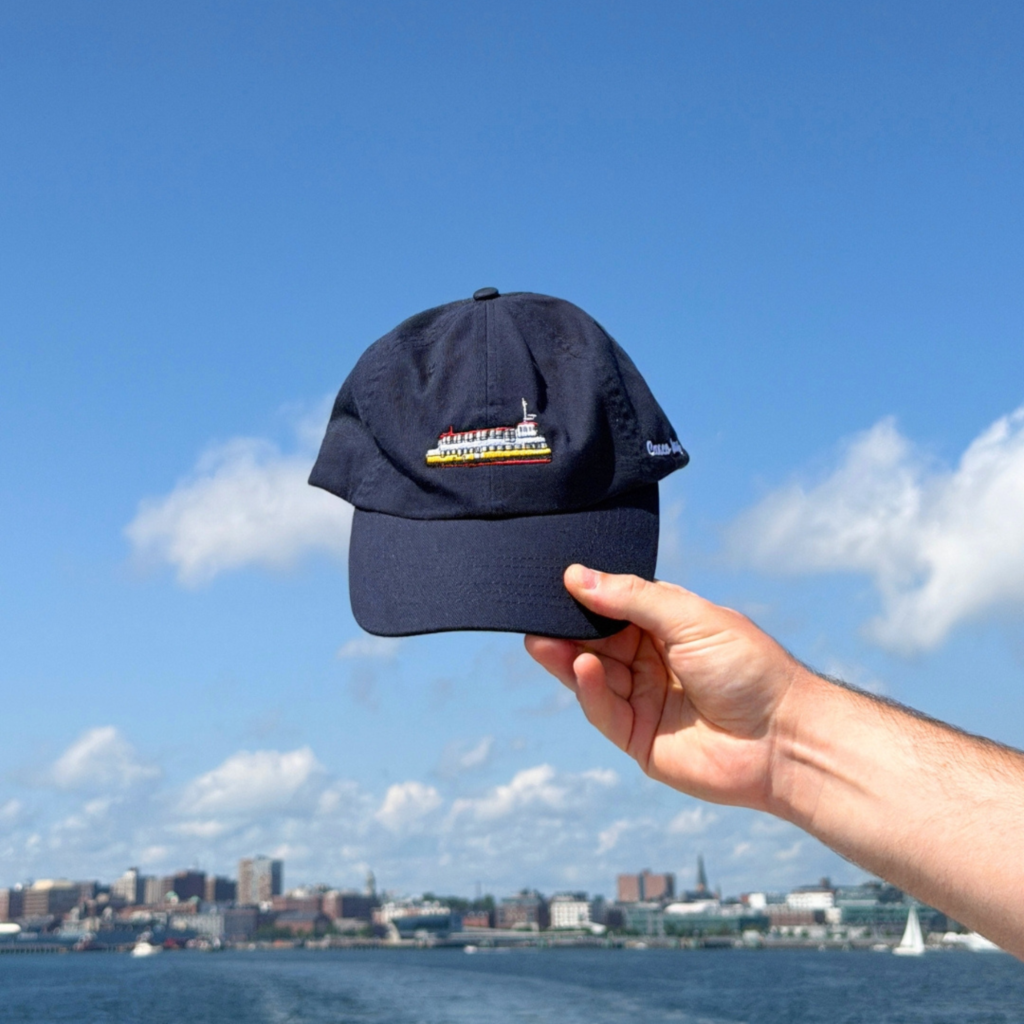
1. The Ferry Dad Hat ($35)
- Material: 100% bio-washed cotton chino twill.
- Design & Purpose: Crafted for sun protection during dock strolls and island-hopping excursions. With an adjustable fit and a soft, broken-in feel right out of the box, the cap leans into self-deprecating coastal humor ("pretending you know how to tie nautical knots").
- Official Commentary: Management notes that the hat represents the casual, unpretentious nature of Maine’s outdoor culture, making it an instant staple for anyone spending time on the water.
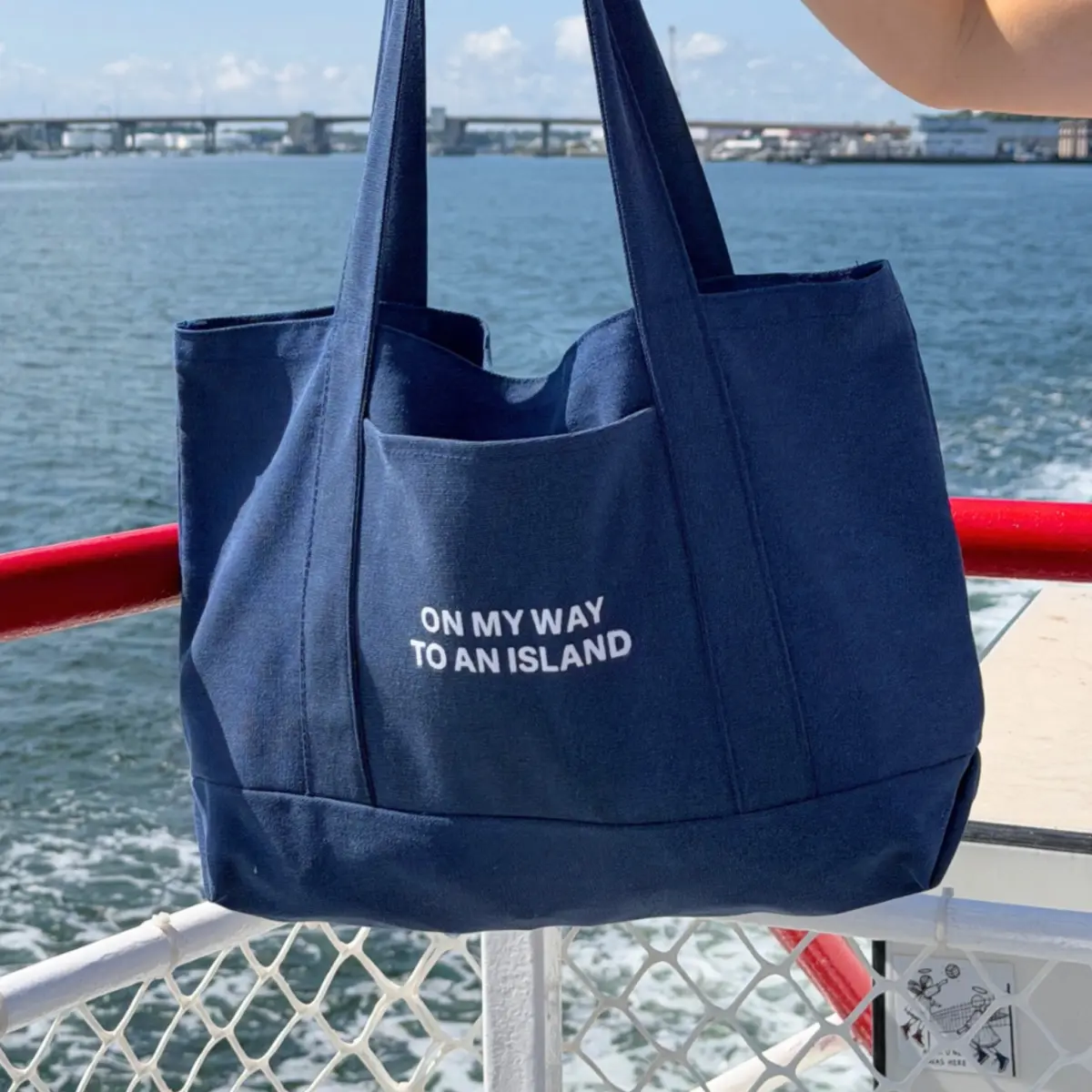
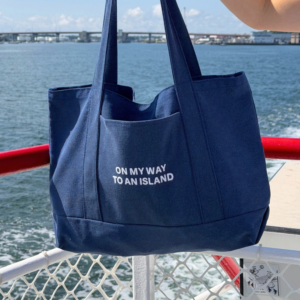
2. The Island Time Tote ($30)
- Design & Purpose: Tailored for packing the essentials—snacks, sunscreen, and a paperback novel—whether heading to Peaks Island, Chebeague, or simply running mainland errands while daydreaming of an ocean breeze.
- Material & Durability: Lightweight yet structurally sturdy canvas designed to withstand the rigors of daily travel, grocery runs, and sandy beach excursions.
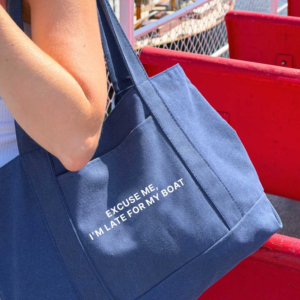
3. The Running Late Tote ($30)
- Design & Purpose: A sophisticated nod to maritime adrenaline. Designed in a rich navy colorway, this roomy tote acknowledges the reality that "the ferry waits for no one." It is built for commuters who manage to cut it close and need a dependable bag to toss their essentials into while speedwalking down the pier.
4. The Coastal Crew Sweatshirt ($45)
- Material & Fit: Available in sizes small through extra-large, crafted from a heavy, ultra-soft fleece blend.
- Design & Purpose: Engineered specifically for cool Maine evenings and brisk ocean drafts. Whether worn on the open deck during the first morning run or lounging at home after a long day, the sweatshirt serves as a wearable comfort piece.
- Institutional Reflection: As Casco Bay Lines approaches its mid-forties under its current institutional structure (and looks back on over a century and a half of overall bay transit history), leadership has expressed profound gratitude. Representatives noted that the collection is a tribute to the "captains, crews, riders, and communities that have shaped our story."
Future Outlook: Sustainability, Community, and Cultural Legacy
Looking ahead, Casco Bay Lines remains focused on the future while honoring its deep historical roots. As maritime industries nationwide grapple with the imperatives of green technology, electrification, and sustainable tourism management, CBL continues to evaluate operational efficiencies to reduce its environmental footprint on the pristine waters of Casco Bay.
The success of lifestyle and merchandise initiatives plays a subtle yet meaningful role in this broader vision. By fostering a strong, positive brand community, CBL cultivates an army of brand ambassadors—both local residents and global travelers—who feel personally invested in the preservation and prosperity of Maine’s island transit network.
For those eager to secure a piece of this maritime tradition, the collection is available exclusively at the Casco Bay Lines Ferry Terminal, located at 56 Commercial Street in Portland. Whether you are a daily commuter braving the winter chill or a summer visitor chasing the magic of island time, these new offerings invite you to wear your connection to the Maine coast with pride.