



Executive Overview
As the warm winds of summer sweep across the jagged, picturesque coast of Maine, the operations of Casco Bay Lines (CBL) shift into high gear. Serving as the primary maritime circulatory system for the islands of Casco Bay, the regional transit authority handles thousands of commuters, tourists, and tons of vital cargo daily. Behind the seamless execution of these complex schedules is a dedicated workforce of maritime professionals, none more essential to day-to-day operations on the water than the deckhands.
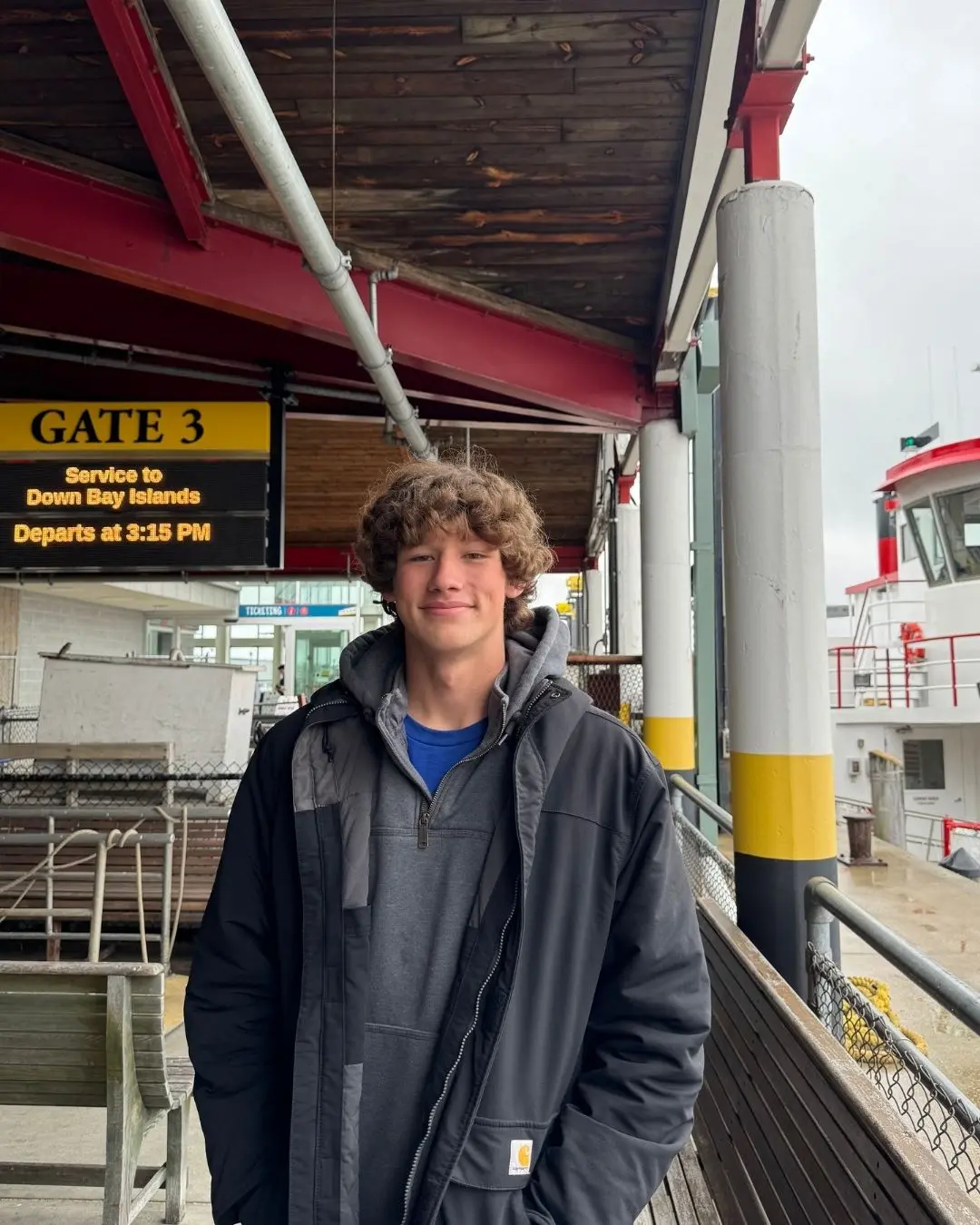
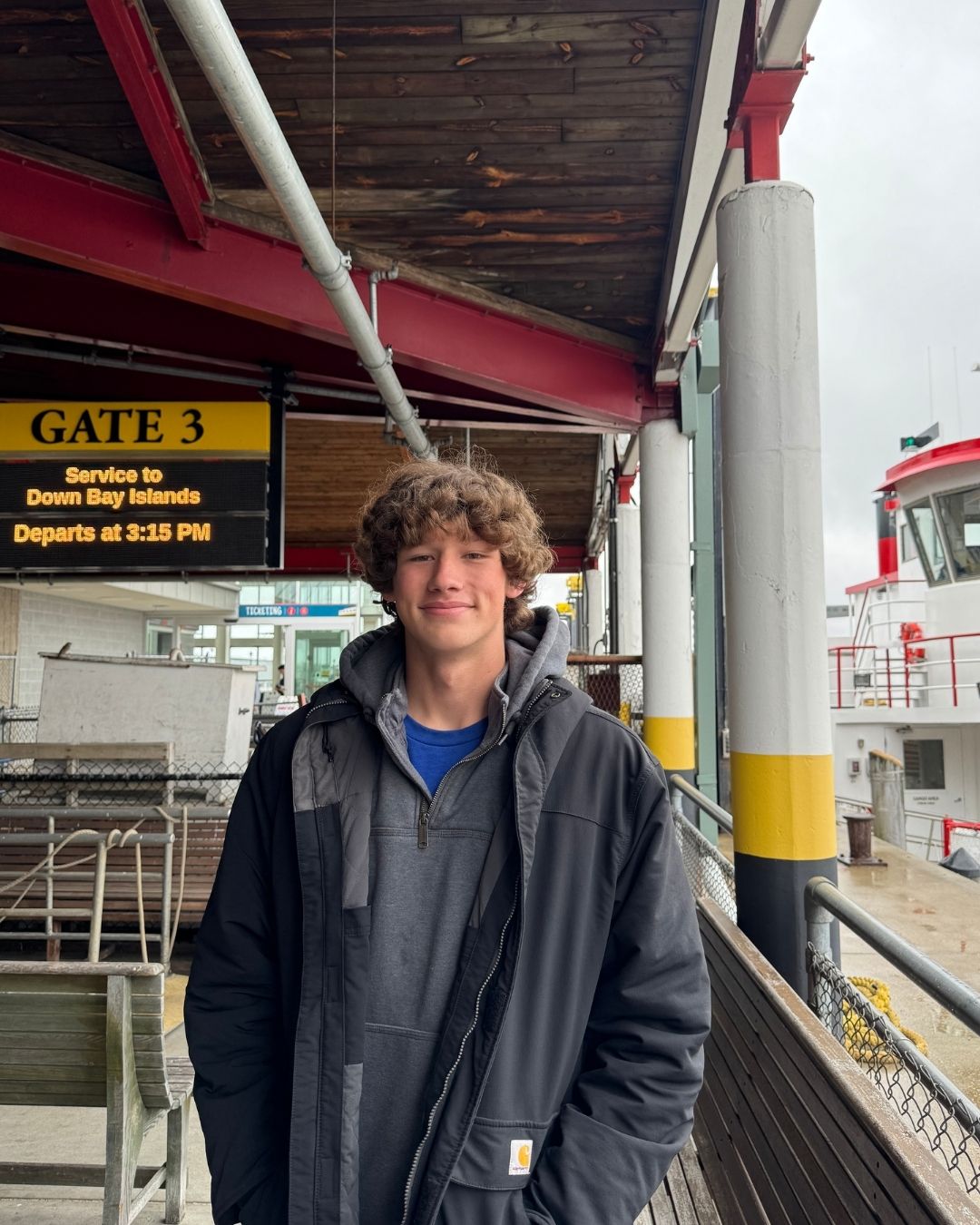
To understand the heartbeat of this vital lifeline, one need look no further than the rising generation of maritime workers who spend their academic breaks trading classrooms for the rolling decks of Casco Bay’s iconic ferries. Among them is 19-year-old Camden Zsiga. Entering his fourth summer with the company—and his second as a fully trained deckhand—Zsiga represents a growing demographic of local youth who find purpose, rigorous physical training, and a profound sense of community working on the water.
This comprehensive report explores the multifaceted world of Casco Bay Lines through the lens of Zsiga’s journey. By examining the operational mechanics of Maine’s premier ferry service, the logistical challenges of island supply chains, and the human connections forged upon the salty expanse of the bay, this article provides an authoritative look at what it takes to keep a coastal community afloat.
Detailed Chronology: From Shoreside Logistics to Open-Water Operations
The path to becoming a proficient deckhand on Casco Bay is rarely a straight line; rather, it is a deliberate progression that tests an individual’s adaptability, work ethic, and spatial intelligence. For Zsiga, the journey began long before he ever stepped foot on a ferry as a crew member.
Roots in Public Service and Community Connections
Born in Portland and raised in neighboring Scarborough, Zsiga’s trajectory has always been anchored in public service. His father serves as a firefighter on Peaks Island, a municipal connection that naturally introduced Zsiga to the tightly knit maritime culture of Greater Portland. Through his father’s professional network, Zsiga first caught wind of employment opportunities at Casco Bay Lines.
"My dad is a firefighter on Peaks Island, so that’s how I first got my foot in the door," Zsiga reflects. "A lot of people who work here have some kind of connection to the islands, and I think that’s one of the things that makes this place special."
At just 15 years old, Zsiga joined the Scarborough Fire Department’s Explorer Program. This early exposure to high-stakes environments molded his disciplined work ethic. Today, alongside his studies at the College of Charleston in South Carolina—where he is pursuing a degree in business—he remains active as a Call Company Firefighter while actively working toward his Emergency Medical Technician (EMT) certification.
The Shoreside Apprenticeship: Mastering the Freight Department
When Zsiga was 16 years old, he secured his first summer job with Casco Bay Lines, not out on the rolling waves, but solidly on the concrete of the Portland terminal within the freight department.
The freight operations of Casco Bay Lines are the literal and figurative backbone of island survival. Deckhands and freight handlers in this division manage an staggering array of goods:
- Personal luggage and weekly grocery deliveries for island residents.
- Commercial freight, construction materials, and heavy equipment.
- Perishable items and oversized packages destined for local businesses.
Working shoreside required Zsiga to master the art of staging, sorting, and meticulously organizing cargo before loading it onto the vessels. This foundational phase taught him the intricacies of weight distribution, scheduling constraints, and the immense logistical coordination required to service multiple islands.
Transition to the Water
After spending his formative years mastering the freight docks, Zsiga transitioned to the vessels themselves, earning his qualifications to work as a deckhand. Having trained extensively on both sides of the operation—shoreside freight management and open-water deck operations—he possesses a rare, holistic perspective on how the entire system functions.
Supporting Context & Metrics: The Lifeline of Casco Bay
To fully appreciate the daily responsibilities of a Casco Bay Lines deckhand, one must understand the unique geography and demographic reliance that define the region. Casco Bay is dotted with islands, several of which are year-round communities entirely dependent on maritime transit for their survival and economic viability.
The Route Map and Island Dependencies
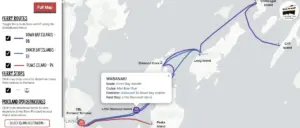
Zsiga spends a significant portion of his working hours aboard the freight boats, vessels explicitly designed to haul heavy machinery, construction vehicles, and bulk goods alongside passengers. These workhorse vessels service a sprawling archipelago that includes:
- Little Diamond Island
- Great Diamond Island
- Diamond Cove
- Long Island
- Cliff Island
- Chebeague Island
While seasonal visitors often view the ferries through a romanticized lens—a leisurely way to sightsee, spot lighthouses, or escape the mainland heat—for the permanent residents, the ferries represent the equivalent of a municipal highway system.
+-----------------------------------------------------------------+
|                  CASCO BAY LINES ECOSYSTEM                      |
+-----------------------------------------------------------------+
|                                                                 |
|   [Portland Terminal]                                           |
|          │                                                      |
|          ├─► Shoreside Freight Operations (Sorting, Staging)    |
|          │                                                      |
|          └─► Open-Water Transit Aboard Dedicated Freight Ferries│
|                   │                                             |
|                   ├─► Little Diamond Island                     |
|                   ├─► Great Diamond Island                      |
|                   ├─► Diamond Cove                              |
|                   ├─► Long Island                               |
|                   ├─► Cliff Island                              |
|                   └─► Chebeague Island                          |
|                                                                 |
+-----------------------------------------------------------------+
As Zsiga points out, the lifestyle of an island resident requires immense dedication. Students residing on remote outposts like Cliff Island must wake up in the pitch-dark morning hours to catch the early ferry into Portland just to make it to school on time. Medical appointments, grocery runs, municipal services, and commuting professionals all rely entirely on the precise timing and rugged reliability of Casco Bay Lines.
A Typical Day Aboard the Freight Boat
A deckhand’s shift is dynamic, physically demanding, and strictly bound to the maritime clock. Depending on the assigned duties for the day, crew members arrive anywhere from 30 minutes to an hour and a half prior to departure.
The morning routine involves a symphony of coordination:
- Vessel Preparation: Inspecting equipment, conducting safety checks, and reviewing manifest data with the captain.
- Line Handling: Adjusting mooring lines as tides shift and preparing the vessel to cast off safely.
- Cargo Operations: Utilizing heavy-duty cranes to lift freight cages, maneuvering loaded carts, and securing oversized pallets onto the vehicle deck.
- Passenger Embarkation: Directing travelers, ensuring ADA compliance, and verifying tickets safely.
- Underway Execution: Once underway, the labor does not slow down. Deckhands continuously manage cargo security, assist passengers, prepare the vessel for upcoming stops, and execute rapid, safe unloading and loading cycles at each island port.
Official Statements & Industry Perspectives
The retention of young professionals in maritime trades is a critical challenge across the global transportation sector. Yet, Casco Bay Lines has cultivated an organizational culture that consistently draws seasonal workers back year after year.
The Appeal of Outdoor, Hands-On Labor
In an era dominated by sedentary, indoor office jobs and the digital gig economy, many young adults find themselves craving tactile, purposeful employment. For Zsiga, the choice to return to Casco Bay Lines each summer is rooted in a fundamental preference for physical, outdoor engagement.
"This company is really, really great," Zsiga states. "Being an 18- or 19-year-old and getting to work on the water is pretty unmatched. I’m not the type who wants to be inside working in the food industry or an office. If I can work with my hands and be outside all summer long, I’m completely happy and content."
Cultivating a Workplace "Family"
Beyond the natural beauty of Casco Bay, the operational success of the ferry service relies on deep camaraderie among the crew. Maritime environments demand high levels of trust, clear communication, and mutual reliance. A deckhand must know that their colleagues have their backs when handling heavy lines in rough seas or navigating tight docking maneuvers.
Zsiga highlights this tight-knit dynamic as one of the defining attributes of his tenure with the company:
"Everyone here is great. It’s a big community. Everyone looks out for each other, and over the years I’ve built a lot of friendships here. It really feels like one big family."
Solving the Spatial Puzzle: The Core Challenges of Deckhand Work
When asked about the most demanding aspects of the job, Zsiga does not point to the early mornings or the physical exertion of lifting freight. Instead, he highlights the intellectual challenge of marine logistics: spatial optimization.
Loading a ferry carrying mixed cargo for half a dozen distinct island stops requires advanced strategic thinking. Because the vessel must unload efficiently at each port without moving unnecessary freight twice, the loading sequence must be reverse-engineered based on the vessel’s itinerary.
"You’ve got freight going to multiple islands, different-sized cargo, and limited space," Zsiga explains. "You have to think ahead and load things in a way that makes unloading efficient later on. It takes practice, but I enjoy that part of it. I like having to solve problems and figure things out."
Interpreting the Bay: Education and Human Connection
Beyond the physical labor of hauling cargo and securing lines, deckhands serve as ambassadors of the region. Interacting with passengers provides an unexpected source of fulfillment for crew members like Zsiga. Whether chatting with tourists scanning the horizon through binoculars or listening to lifelong islanders share local lore, the deckhands absorb an immense oral history of Casco Bay.
Furthermore, veteran captains impart decades of institutional knowledge to younger crew members regarding local navigation, historical landmarks, World War II-era harbor forts, and historic lighthouses. This knowledge is routinely passed down to curious passengers, enriching the overall transit experience.
Future Outlook: Career Pathways and the Next Generation of Maritime Leadership
As Zsiga continues his business studies at the College of Charleston and works toward finalizing his EMT credentials, he reflects on the profound value of his time with Casco Bay Lines. While his ultimate career path remains open—spanning potential futures in business management, emergency services, or the maritime sector—the core competencies he has acquired on the waters of Maine will undoubtedly serve as a lifelong foundation.
Professional Takeaways for Aspiring Maritime Workers
When asked what advice he would offer to young individuals considering employment with Casco Bay Lines, Zsiga offers an enthusiastic endorsement:
"I’d absolutely recommend it. If you enjoy being outdoors, working with your hands, meeting people, and being part of a team, it’s a great job. You learn responsibility, time management, problem-solving, and how to work hard. Every day feels rewarding, and you’re part of something that really matters to the island communities. For me, it’s been one of the best experiences I’ve had."
Sustaining Coastal Infrastructure
The long-term viability of Maine’s coastal communities depends entirely on the robust health of maritime transportation networks like Casco Bay Lines. By actively recruiting, training, and empowering young local leaders like Camden Zsiga, the organization ensures that its institutional knowledge, operational excellence, and deep community roots remain unbroken.
As the summer season progresses and the ferries crisscross the sparkling waters between Portland and the outer islands, passengers can take comfort in knowing that the vessels are guided not just by seasoned captains, but by a dedicated, capable, and passionate younger generation standing proudly on the decks.