







Executive Overview
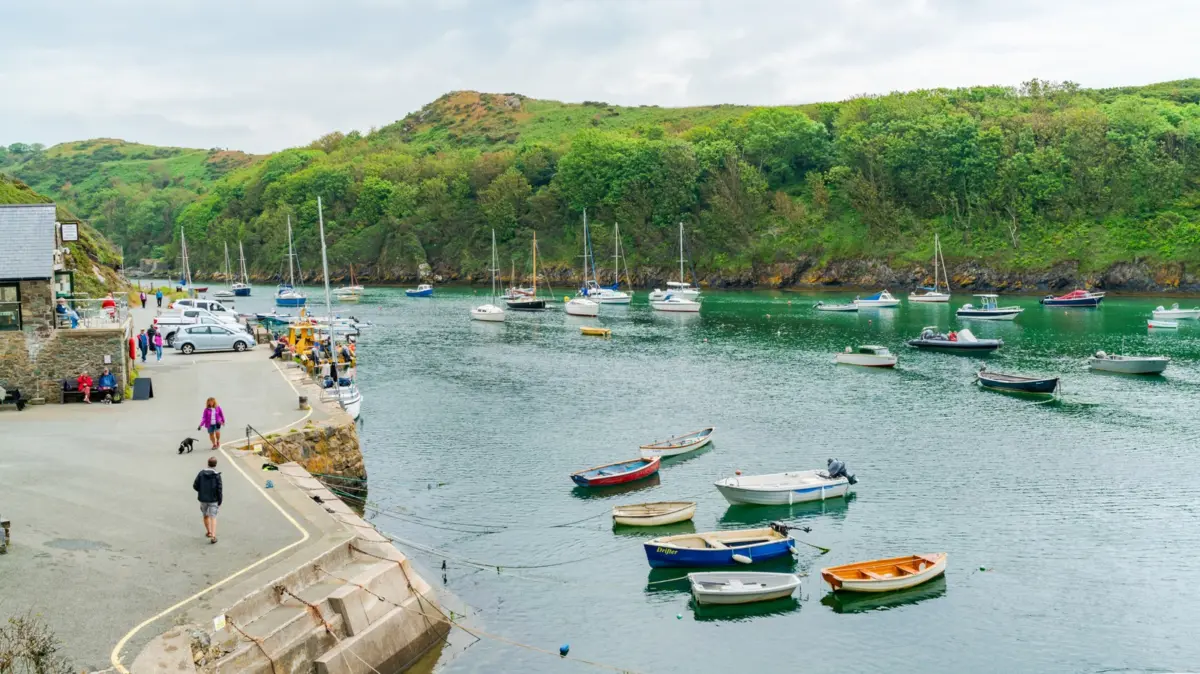
Tucked away in the far western reaches of Wales, where the rugged terrain of the British Isles surrenders to the vast, crashing expanse of the Celtic Sea, lies Solva—a former limestone trading port turned coastal sanctuary. Framed by steep glacial valleys and opening onto the shimmering, sickle-shaped waters of Saint Brides Bay, this historic village is increasingly recognized as one of the true crown jewels of the Pembrokeshire Coast National Park.
For centuries, Solva functioned as a vital maritime artery, bustling with cargo ships, lime kilns, and merchant trade. Today, however, its industrial past has mellowed into an idyllic pastoral and coastal retreat. It offers a masterclass in slow travel, blending centuries-old maritime heritage with vibrant local craft stores, independent art galleries, and a culinary scene that punches well above its weight class.
Yet, Solva’s true allure lies in its geographical isolation. Situated a two-to-three-hour drive from Cardiff Airport and more than three hours from Bristol International Airport, the village remains blissfully shielded from the hyper-commercialized tourism that plagues other coastal European destinations. To reach Solva is to embark on an atmospheric road trip along the legendary A487, winding past rolling hills, historic market towns like Narberth, and postcard-perfect coastal hubs like Tenby. Once travelers descend into Solva’s dramatic valley, they are greeted by an immersive landscape where dramatic cliffs, marine ecosystems, and a rich tapestry of outdoor adventure converge.
Detailed Chronology: From Industrial Limestone Port to Modern Coastal Sanctuary
The Ancient Foundations and Maritime Era
To understand Solva is to trace the geological and human history carved into the walls of its steep limestone valley. Long before it became a haven for landscape painters, hikers, and food enthusiasts, Solva’s deep natural harbor made it an indispensable strategic asset on the Welsh coast.
During the 18th and 19th centuries, Lower Solva was a booming industrial hive. The valley walls were lined with lime kilns—impressive stone structures that still stand today as silent testaments to the past—where quarried limestone was burned to produce lime for agricultural fertilizer and local construction. Coastal trading vessels, schooners, and fishing smacks routinely docked at the salt-caked harbor, carrying goods to and from Bristol, Ireland, and beyond. Shipyards dotted the waterfront, constructing sturdy wooden vessels designed to weather the unforgiving Irish Sea.
The Shift Toward Preservation and Tourism
As modern transport networks bypassed remote coastal harbors in favor of deep-water commercial ports, Solva’s industrial heartbeat began to slow. The lime kilns went cold, the shipyards fell silent, and the maritime trade shifted elsewhere. However, this economic lull preserved the village’s architectural integrity.
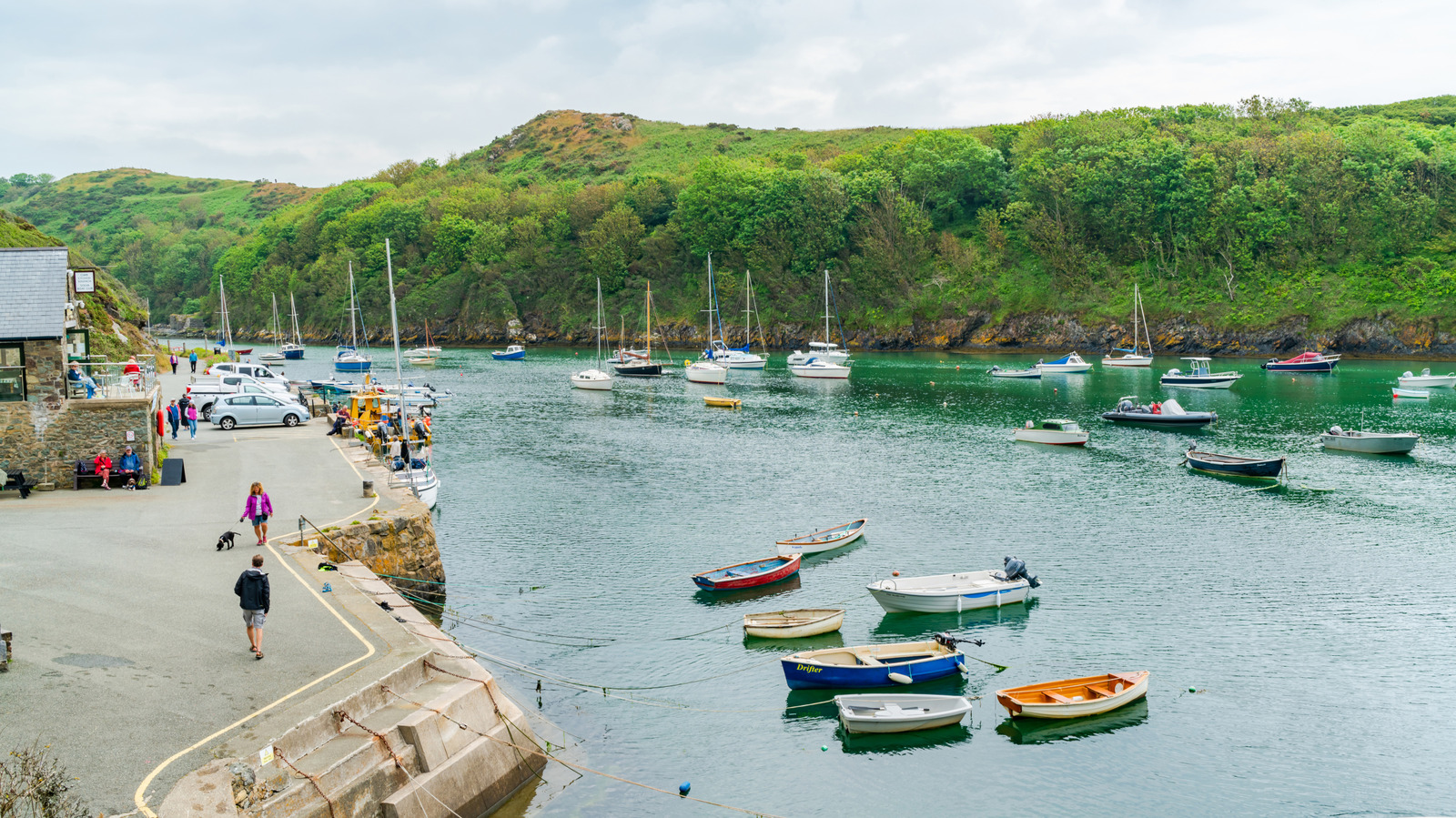
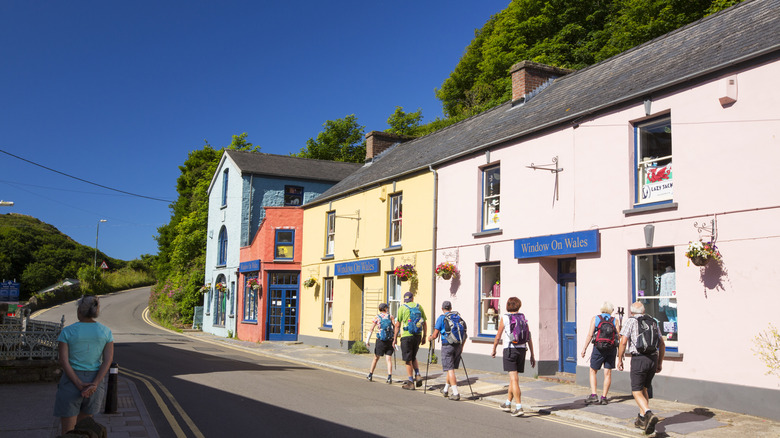
Rather than succumbing to urban sprawl or heavy industrial modernization, Solva retained its labyrinth of colorful historic cottages, stone-paved lanes, and maritime landmarks. In 1952, the establishment of the Pembrokeshire Coast National Park—the only national park in the United Kingdom designated primarily for its coastline—anchored Solva’s future as a protected landscape. Over the subsequent decades, the village transitioned organically from a working port into a vibrant cultural hub, welcoming artists drawn to its sublime light, naturalists exploring its diverse coastal fauna, and travelers seeking an authentic Welsh escape.
Supporting Context & Metrics: Navigating Solva’s Dual Landscape
The Tale of Two Tertiaries: Upper and Lower Solva
Geographically and socially, Solva is neatly divided into two distinct tiers, each offering a contrasting yet complementary experience for the visitor:
- Lower Solva (The Historic Core): Nestled deep within the valley floor where the river meets the sea, Lower Solva is the beating heart of the village’s maritime past. Here, historic white-washed and pastel-colored cottages huddle around the harbor, rubbing shoulders with traditional pubs, maritime museums, and local eateries. It is a pedestrian-friendly zone where salt spray fills the air and old lobster pots stack haphazardly against weathered sea walls.
- Upper Solva (The Residential Plateau): Perched high on the rolling hills overlooking the valley, Upper Solva offers sweeping panoramic views of Saint Brides Bay. While more modern and residential in character, Upper Solva is home to some of the region’s most celebrated culinary hidden gems and serves as the gateway to the expansive agricultural fields and campsites that ring the perimeter.
Culinary Excellence: From Harbor-Side Pubs to Award-Winning Takeaways
Despite its diminutive size, Solva has quietly evolved into a destination for gastronomes, particularly those with a penchant for hyper-local seafood.
- Mrs Will the Fish: Located in Upper Solva, this unassuming seafood takeaway has achieved legendary status among locals and critics alike, boasting a flawless 5-out-of-5 rating across hundreds of reviews on platforms like Tripadvisor. Specializing in ultra-fresh, locally caught lobster and crab, the establishment provides picnic-ready boxes that elevate a standard beach excursion into a gourmet dining experience.
- The Hats and Barrels: Situated squarely in Lower Solva, this hearty gastropub bridges the gap between traditional Welsh hospitality and modern culinary flair. The menu proudly features locally landed shellfish alongside elevated pub-grub staples, such as gourmet chicken breast burgers and seasonal curry specials, all served in an atmosphere steeped in local maritime history.
- The Cambrian Inn: Welcoming visitors arriving from the northeast, The Cambrian Inn offers an expansive outdoor roadside terrace alongside a robust menu focused on artisan burgers crafted from Welsh lamb and locally sourced ingredients.
- Cafe on the Quay: For those looking to dine directly on the water’s edge, a brief stroll from the main car park down the Pembrokeshire Coast Path leads to this sun-trap cafe. Overlooking a marina filled with weathered fishing skiffs, it offers uninterrupted sea views, making it a favored spot for morning coffee and locally baked pastries.
The Pembrokeshire Coast National Park: Flora, Fauna, and the 186-Mile Trail
Solva sits entirely within the boundaries of the Pembrokeshire Coast National Park. Encompassing some 240 square miles of diverse topography, the park is celebrated for its rich biodiversity and dramatic geological formations.
The centerpiece of the park is the Pembrokeshire Coast Path, a grueling yet rewarding 186-mile national trail that weaves from Amroth in the south to St Dogmaels in the north. Passing directly through the center of Solva, the trail provides hikers with access to:
- Aifa and Solva Promontory Forts: Iron Age defensive earthworks perched dramatically on the cliff edges, offering a tangible link to ancient Celtic communities.
- Diverse Marine Wildlife: The offshore waters and rocky headlands are prime habitats for grey seals, harbor porpoises, bottlenose dolphins, and nesting seabird colonies, including puffins, razorbills, and gannets.
- Geological Marvels: The coastline around Solva exposes millions of years of geological history, featuring folded Precambrian and Paleozoic rock strata carved by glacial action and relentless wave erosion.
Official Statements and Expert Perspectives
Local conservationists and regional tourism authorities frequently point to Solva as a benchmark for sustainable rural tourism in the United Kingdom.
In a recent regional planning symposium focused on rural Welsh development, Dr. Elin Rhys, a Pembrokeshire-based environmental historian, emphasized the delicate balance required to maintain Solva’s appeal:
"Solva represents a living archive of Welsh coastal life. The challenge we face—and thus far have managed successfully—is allowing contemporary visitors to experience the raw, authentic character of the village without altering the fragile ecological and architectural matrix that makes it so unique. It is not a museum piece; it is an active, breathing community rooted in the sea."
Furthermore, representatives from the Pembrokeshire Coast National Park Authority have repeatedly highlighted the village as a vital access point for responsible outdoor recreation.
"Our mandate is conservation through appreciation," noted a park authority spokesperson. "When visitors walk the trail from Solva to Newgale or venture toward St. Davids, they are engaging with a protected landscape. Solva provides the infrastructure—local accommodations, sustainable eateries, and informed local guides—that allows people to connect deeply with nature while respecting its boundaries."
Future Outlook: Preservation, Sustainable Tourism, and Infrastructure
As global travel trends increasingly pivot away from mass tourism toward remote, nature-centric destinations, Solva faces a complex set of opportunities and challenges looking ahead toward the next decade.
Balancing Infrastructure and Preservation
The primary challenge for Solva lies in managing seasonal influxes of visitors. Because the village is constrained geographically by its steep valley walls, parking and vehicular traffic in Lower Solva are strictly limited. Local municipal councils, in coordination with the National Park Authority, are currently evaluating traffic-calming measures and expanded park-and-ride shuttle services from Upper Solva to mitigate congestion during peak summer months.
The Rise of Eco-Camping and Slow Travel
Accommodation trends around Solva are shifting decisively toward low-impact, sustainable models. With more than 90 campsites registered in the broader Pembrokeshire Coast region—and upwards of 40 sites situated in the immediate Solva vicinity—outdoor lodging is booming.
Establishments such as Llanungar Caravan and Camping just outside Upper Solva, and seasonal sites like St. Davids Farm Camping, are investing in eco-friendly infrastructure, waste reduction programs, and biodiversity preservation on their lands. These sites offer travelers an immersive way to experience the national park without placing undue strain on local housing markets or municipal resources.
Culinary and Cultural Sustainability
Looking forward, Solva’s local business community is doubling down on a "farm-to-table" and "sea-to-plate" ethos. By fostering tighter supply chains between local fishermen, agricultural producers, and village restaurateurs, Solva is positioning itself as a leader in regional food sovereignty. This not only guarantees superior culinary quality for visitors but also ensures that tourism revenue directly supports the local economy.
Conclusion
Solva remains a rare and precious anomaly in modern European travel—a destination where time moves slower, the natural environment commands absolute respect, and community heritage is worn proudly on the sleeve. Whether viewed as a gateway to the rugged paths of the Pembrokeshire Coast, a sanctuary for wildlife enthusiasts, or a culinary destination for lovers of fresh seafood, this Welsh village offers an enduring reminder of the profound beauty found at the edge of the land and sea.