




Executive Overview
In what marks one of the most substantial federal investments in coastal transportation infrastructure in Alaska’s history, the Alaska Marine Highway System (AMHS) has been awarded more than $410 million in competitive federal grant funding. Distributed through the United States Federal Transit Administration’s (FTA) Ferry Service for Rural Communities program, the capital injection addresses decades of accumulated deferred maintenance, operational vulnerabilities, and aging maritime assets across the state’s isolated coastal regions.
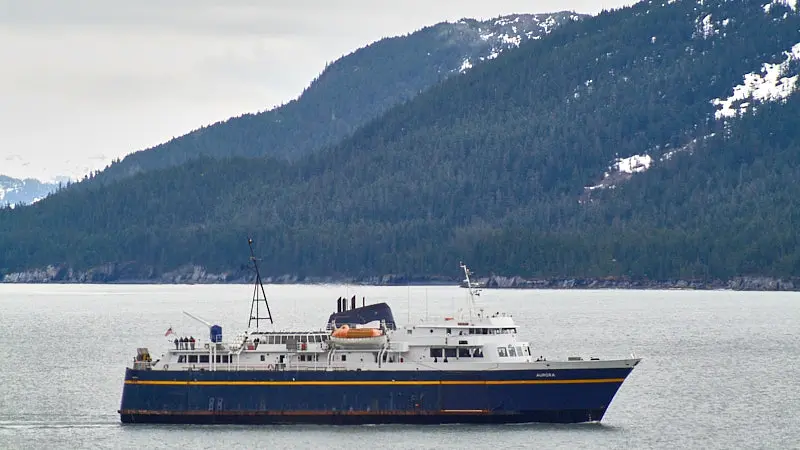
The funding deployment represents a major strategic shift toward long-term fleet modernization, route optimization, and terminal modernization. For over 3,500 miles of coastline, the AMHS serves not merely as a transportation option, but as an indispensable public transit network—an extension of the National Highway System that supplies remote communities with vital freight, medical transport, energy resources, and passenger transit.
       +-----------------------------------------------------------------------+
       |            ALASKA MARINE HIGHWAY SYSTEM: $410M+ ALLOCATION            |
       +-----------------------------------------------------------------------+
       |                                                                       |
       |  [Ferry Operations (20+ Communities)] ------------ $161.2M (39.3%)    |
       |  [Replacement of M/V LeConte] -------------------- $153.4M (37.4%)    |
       |  [Cascade Point Terminal Development] ------------ $37.6M  (9.2%)     |
       |  [Kake Ferry Terminal Modernization] ------------- $33.4M  (8.1%)     |
       |  [Saxman Seaport Infrastructure Expansion] ------- $20.6M  (5.0%)     |
       |  [IT System & Ticketing Modernization] ----------- $4.0M   (1.0%)     |
       |                                                                       |
       +-----------------------------------------------------------------------+
The centerpiece of this funding package includes $161.2 million to directly underwrite essential ferry operations for more than 20 remote coastal municipalities, alongside $153.4 million earmarked for the engineering, design, and construction of a modern replacement vessel for the aging M/V LeConte. Crucially, the federal allocation targets structural bottlenecks in maritime logistics by financing new terminal developments—such as the Cascade Point project north of Juneau—and upgrading vital dock facilities in Kake and Saxman.
As coastal communities face compounding pressures from inflation, volatile fuel markets, and maritime labor shortages, this multi-tiered capital injection stabilizes the maritime network for years to come.
Detailed Chronology & Capital Allocation Breakdown
The $410 million investment framework addresses short-term operational stability while tackling long-term asset renewal. The Federal Transit Administration’s selection process prioritizes capital projects that directly enhance safety, environmental efficiency, and access for rural populations lacking land-based highway connections.
+-----------------------------------------------------------------------------------+
|                           PROJECT ALLOCATION SUMMARY                              |
+-----------------------------------------+--------------------+--------------------+
| Project Target                          | Federal Grant      | Primary Scope      |
+-----------------------------------------+--------------------+--------------------+
| AMHS Rural Operations Support           | $161.2 Million     | Service to 20+     |
|                                         |                    | communities        |
| M/V LeConte Vessel Replacement          | $153.4 Million     | Design, build &    |
|                                         |                    | commissioning      |
| Cascade Point Terminal Construction     | $37.6 Million      | Route shortening & |
|                                         |                    | fuel efficiency    |
| Kake Ferry Terminal Modernization       | $33.4 Million      | Structural & dock  |
|                                         |                    | repairs            |
| Saxman Seaport Infrastructure Expansion | $20.6 Million      | Freight capacity & |
|                                         |                    | vessel berthing    |
| Customer Service & IT Overhaul          | $4.0 Million       | Reservations &     |
|                                         |                    | passenger portal   |
+-----------------------------------------+--------------------+--------------------+
1. Sustaining Core Operations: $161.2 Million
The single largest continuous component of the award—$161.2 million—is dedicated directly to operational funding. Over the past decade, budget cuts and rising maintenance costs led to reduced sailing schedules, prolonged vessel layups, and service gaps across the Alexander Archipelago and the Gulf of Alaska.
This allocation directly offsets the high operational expenditure (OPEX) of running vessels through hazardous northern waters, ensuring that more than 20 isolated communities—many of which have no road connection to the mainland—retain predictable passenger and cargo transport.
2. Fleet Renewal: M/V LeConte Replacement: $153.4 Million
Commissioned in 1974, the M/V LeConte has served Southeast Alaska for over 50 years. Operating primarily as a day-boat connecting smaller rural villages like Hoonah, Angoon, Kake, and Tenakee Springs to regional hubs like Juneau, the aging vessel has suffered from severe steel corrosion and mechanical obsolescence. Maintaining the ship to United States Coast Guard (USCG) safety standards has grown exponentially expensive for the state.
+-----------------------------------------------------------------------------------+
|                        M/V LECONTE: FLEET TRANSITION MODEL                        |
+-----------------------------------+-----------------------------------------------+
| Legacy Asset (Commissioned 1974)  | Replacement Vessel Program (Funded)           |
+-----------------------------------+-----------------------------------------------+
| * High maintenance overhead       | * State-of-the-art hull & propulsion architecture
| * Structural steel degradation    | * Reduced carbon footprint & fuel consumption |
| * Outdated accessibility features | * Full ADA compliance and passenger comfort   |
| * Frequent repair downtime        | * Improved marine safety systems              |
+-----------------------------------+-----------------------------------------------+
The $153.4 million grant will fund the design, naval architecture, construction, and commissioning of a next-generation vessel designed specifically for northern coastal waters. The new ship will feature:
- Advanced Propulsion Architecture: Lowering fuel consumption and carbon emissions.
- Modernized Hull Design: Improving seakeeping abilities in rough inland passages.
- Full Accessibility Compliance: Meeting modern Americans with Disabilities Act (ADA) maritime standards, providing equitable access for residents requiring medical transport.
3. Cascade Point Ferry Terminal Infrastructure: $37.6 Million
A strategic infrastructure shift within the package is the $37.6 million allocation for the development of the Cascade Point Ferry Terminal. Located at the northern terminus of Juneau’s road system, Cascade Point offers a launch site much closer to Haines and Skagway than the existing terminal at Auke Bay.
+-----------------------------------------------------------------------------------+
|                   LYNN CANAL ROUTE OPTIMIZATION ANALYSIS                          |
+-----------------------------------------------------------------------------------+
| Traditional Route: Auke Bay (Juneau) ---> Haines / Skagway                        |
|   [====================================================================] ~4.5 Hrs |
|                                                                                   |
| Optimized Route: Cascade Point (Juneau) ---> Haines / Skagway                     |
|   [===============================================>] ~3.0 Hrs                     |
|   * REDUCTION: ~33% in transit time | Significant reduction in marine fuel burn  |
+-----------------------------------------------------------------------------------+
By shifting the departure point for northern Lynn Canal sailings to Cascade Point, AMHS will:
- Reduce Transit Times: Shorten the total sailing time between Juneau, Haines, and Skagway by roughly 33%.
- Lower Operating Costs: Minimize marine diesel fuel burn and engine hours per trip, extending vessel service intervals.
- Increase Daily Frequency: Enable turnaround schedules that allow crews to complete round trips within standard maritime shift limits.
4. Regional Port Upgrades: Kake ($33.4M) and Saxman ($20.6M)
Port infrastructure along the Marine Highway has suffered from deferred maintenance and aging timber and steel pile systems.
- Kake Ferry Terminal ($33.4 Million): This remote island community on Kupreanof Island relies entirely on maritime access. The modernization program will repair ageing mooring structures, expand vehicle staging areas, and install updated transfer bridges capable of handling changing tide ranges.
- Saxman Seaport ($20.6 Million): Located just south of Ketchikan, Saxman serves as a critical commercial and industrial node. The expansion will increase berth capacity, support heavy freight transfer, and accommodate larger vessels, improving regional supply chain resilience.
5. Passenger Systems and Digital Infrastructure: $4 Million
To modernize passenger management, $4 million has been designated for customer service systems and operational software upgrades. AMHS’s legacy reservation platforms have long been a source of frustration for both travelers and commercial haulers. The new funds will upgrade booking engines, real-time vessel tracking systems, and digital ticketing portals to improve administrative efficiency.
Supporting Context & Operational Metrics
Understanding the scope of this federal investment requires examining the unique geographic and logistical realities of coastal Alaska. Unlike interstate transit systems in the contiguous United States, the Alaska Marine Highway System operates across thousands of miles of ocean, serving communities isolated by steep coastal fjords, extensive island chains, and rugged glaciers.
+-----------------------------------------------------------------------------------+
|                    ALASKA MARINE HIGHWAY SYSTEM: CORE METRICS                     |
+-----------------------------------+-----------------------------------------------+
| Operational Reach                 | 3,500+ miles of ocean highway                 |
+-----------------------------------+-----------------------------------------------+
| Connected Communities             | 35+ ports (many without land road connections)|
+-----------------------------------+-----------------------------------------------+
| Baseline Economic Purpose         | Passenger transit, food supply line,         |
|                                   | commercial freight, emergency medical transport|
+-----------------------------------+-----------------------------------------------+
| Critical Fleet Vulnerability      | Average age of primary core fleet exceeds    |
|                                   | 35-40 years                                   |
+-----------------------------------+-----------------------------------------------+
For decades, coastal communities have suffered from system instability. The marine highway’s aging fleet has routinely experienced mechanical failure, forcing unexpected dockings that stranded vehicles, delayed fresh food deliveries, and left small-town businesses without reliable freight options.
         +-----------------------------------------------------------------+
         |             THE INFRASTRUCTURE DEFERRED MAINTENANCE CYCLE        |
         +-----------------------------------------------------------------+
                                         |
                                         v
         +-----------------------------------------------------------------+
         | Aging Fleet (35+ Year Average Vessel Age)                       |
         +-----------------------------------------------------------------+
                                         |
                                         v
         +-----------------------------------------------------------------+
         | Severe Metal Fatigue, Mechanical Failures & USCG Docking Orders |
         +-----------------------------------------------------------------+
                                         |
                                         v
         +-----------------------------------------------------------------+
         | Cancelled Sailings & Isolated Island Communities                |
         +-----------------------------------------------------------------+
                                         |
                                         v
         +-----------------------------------------------------------------+
         | $410M+ Federal Funding Injection Breaks the Cycle                |
         +-----------------------------------------------------------------+
This federal investment breaks this cycle. By pairing vessel replacement with targeted terminal upgrades—such as the Lynn Canal route adjustments—the system can operate more reliably while reducing per-mile costs.
Official Statements & Political Landscape
The securing of over $410 million in competitive federal funds represents years of coordinated advocacy from Alaska’s state leadership, congressional delegation, and local municipal leaders.
+-----------------------------------------------------------------------------------+
|                             KEY STAKEHOLDER PERSPECTIVES                          |
+----------------------------------+------------------------------------------------+
| Stakeholder Group                | Strategic Focus                                |
+----------------------------------+------------------------------------------------+
| Alaska State Executive Branch    | Long-term system stability, economic growth,   |
| (Gov. Dunleavy Administration)   | and sustainable coastal infrastructure.        |
+----------------------------------+------------------------------------------------+
| Alaska Congressional Delegation  | Federal policy prioritization, rural transit   |
| (Sens. Murkowski & Sullivan)     | equity, and legislative funding mechanics.     |
+----------------------------------+------------------------------------------------+
| Municipal Leaders & Communities  | Reliability of freight service, healthcare     |
| (Kake, Saxman, Haines, Skagway)  | access, and lower cost of living.              |
+----------------------------------+------------------------------------------------+
| Federal Transit Administration   | Infrastructure modernizations, decarbonization, |
| (USDOT / FTA)                    | and mobility access for isolated populations.  |
+----------------------------------+------------------------------------------------+
Executive and Congressional Action
Governor Mike Dunleavy emphasized the strategic impact of the funding:
"This historic investment in the Alaska Marine Highway System is a win for our coastal communities and our entire state. A reliable ferry system is essential for Alaska’s economic vitality, connecting people to jobs, medical care, and essential goods. We appreciate the federal government’s recognition of Alaska’s unique transportation needs."
Alaska’s congressional delegation, led by Senators Lisa Murkowski and Dan Sullivan, played a key role in structuring the Bipartisan Infrastructure Law’s rural ferry grant allocations to ensure remote Alaska communities were eligible for capital support.
Senator Lisa Murkowski highlighted the importance of securing the funding:
"For Alaskans living along our coastlines, the marine highway is not a luxury—it is an absolute necessity. These funds will rebuild our fleet, modernize essential ports, and bring long-overdue stability to families and businesses throughout Southeast and coastal Alaska."
Senator Dan Sullivan reinforced the economic and security aspects of the investment:
"Our ferry system is a crucial element of Alaska’s overall transportation matrix. From commercial fishing operations to tourism and localized freight, these investments ensure our marine highway can continue supporting our economy while modernizing critical infrastructure for decades to come."
Future Outlook & Strategic Imperatives
While this $410 million injection marks a major turning point, the long-term success of the Alaska Marine Highway System depends on clear strategic execution.
+-----------------------------------------------------------------------------------+
|                        STRATEGIC ROADMAP FOR AMHS RENEWAL                         |
+-----------------------------------------------------------------------------------+
| Phase 1: Capital Deployment (Immediate - 24 Months)                               |
|   - Initiate naval architecture and shipyard contracts for LeConte replacement.   |
|   - Finalize site engineering & environmental permitting for Cascade Point.       |
|   - Begin IT/Ticketing system overhaul.                                           |
+-----------------------------------------------------------------------------------+
| Phase 2: Terminal Execution & Modernization (24 - 48 Months)                      |
|   - Execute civil marine works at Kake Ferry Terminal and Saxman Seaport.         |
|   - Complete Cascade Point construction and align northern route schedules.       |
+-----------------------------------------------------------------------------------+
| Phase 3: Fleet Delivery & Long-term Operations (48 - 72 Months)                   |
|   - Commission new vessel, phase out legacy M/V LeConte.                          |
|   - Realize route efficiency gains and lower system-wide fuel consumption.        |
+-----------------------------------------------------------------------------------+
1. Naval Procurement and Shipyard Contracting
Designing and building a vessel to replace the M/V LeConte requires precise execution. Modern naval architecture must balance the operational constraints of small, shallow Alaskan harbors with harsh sea conditions. Protecting against supply chain delays and shipyard cost overruns will be critical as the Alaska Department of Transportation and Public Facilities (DOT&PF) opens competitive bidding.
2. Maritime Workforce Retention
Modernizing ships and docks solves only part of the problem; the marine highway also needs qualified mariners. USCG credentialed officers, engineers, and crew remain in short supply nationwide. AMHS must combine its modernizing infrastructure with crew retention strategies and maritime academy pipelines to ensure new ships have full crews.
3. Route Optimization and Decarbonization
The construction of the Cascade Point terminal offers a blueprint for future operational efficiency. By shortening marine routes, AMHS can lower carbon emissions, reduce fuel expenses, and build a more resilient schedule. These operational savings can then be redirected toward preventive maintenance, preventing future repair backlogs.
Conclusion
The allocation of more than $410 million in federal funding provides a rare opportunity to transform the Alaska Marine Highway System. By funding new vessel construction, essential terminal upgrades, route optimizations, and digital ticketing systems, this federal support helps secure the future of coastal transportation in Alaska.
For the remote communities of the Alexander Archipelago and coastal Alaska, this historic investment helps ensure that the marine highway will remain safe, efficient, and reliable for generations to come.