








Executive Overview
Venturing north from the bustling coastal capital of Kralendijk, the paved thoroughfares of Bonaire undergo a dramatic metamorphosis. The shimmering expanse of the Caribbean Sea retreats from view, replaced by an arid, otherworldly landscape punctuated by towering columnar cacti, wind-sculpted divi-divi trees, and rolling limestone hills. It is here, nestled deep within the island’s rugged interior, that travelers encounter Rincon—the oldest permanent settlement in the Dutch Caribbean. Established in 1527 by Spanish explorers, Rincon stands as a sun-bleached frontier town, untouched by the high-rise development and bustling dive shops that characterize the southern coast.
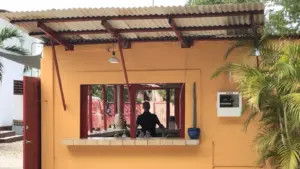
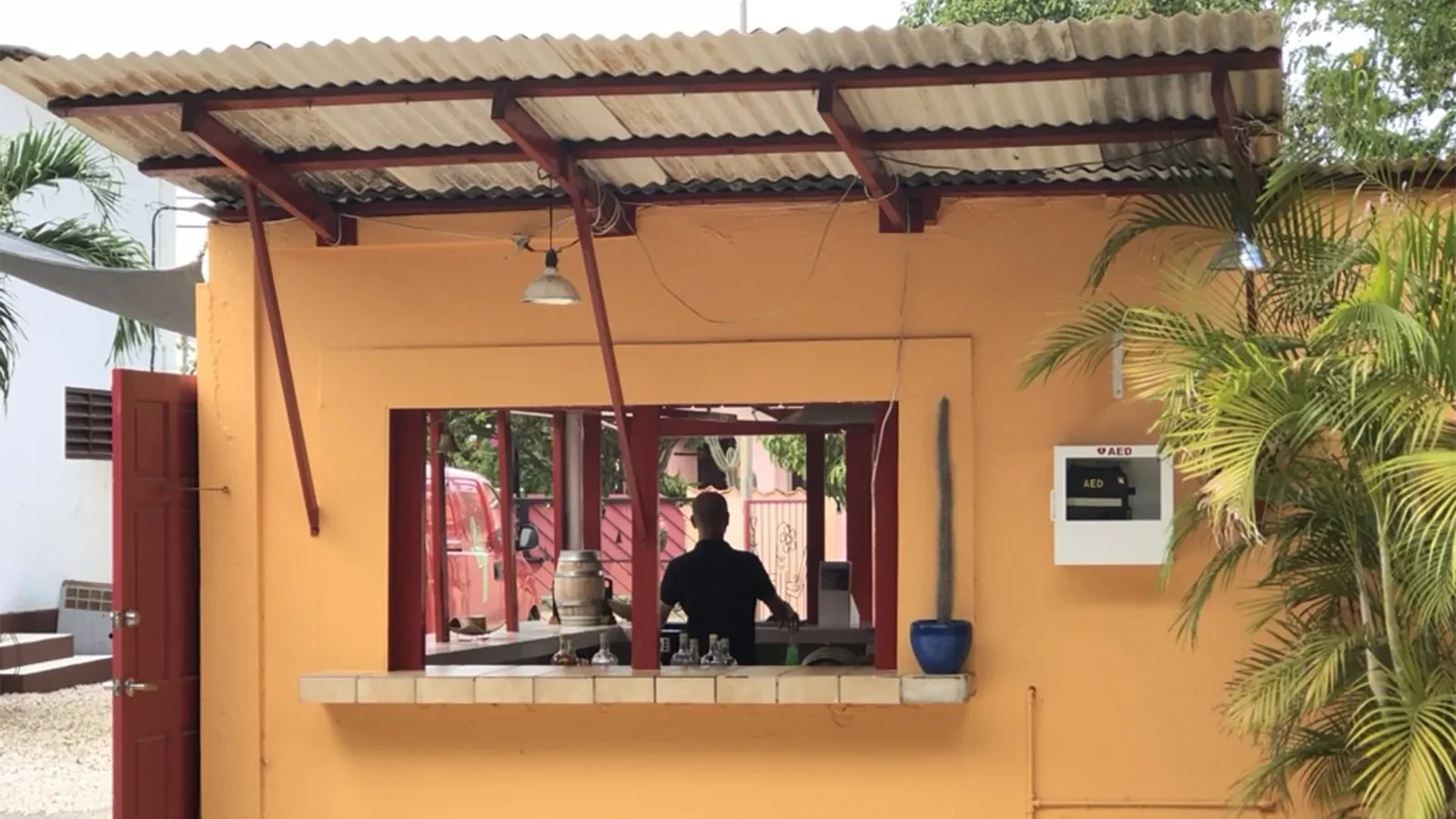
At the pulsing heart of this historic village lies a quiet agricultural and cultural revolution: The Cadushy Distillery. Founded in 2009 by master distiller Eric Gietman and his family, the open-air, leafy sanctuary serves as the birthplace of Rom Rincon, a locally crafted spiced rum that has quietly redefined the craft-spirits landscape of the Southern Caribbean. Distilled in small batches using traditional pot-still methods and molasses imported from neighboring Suriname, Rom Rincon is infused with indigenous island botanicals—most notably yerba di holé and the ubiquitous kadushi cactus. Un-chill-filtered and richly textured, this amber spirit acts as liquid geography, capturing the untamed essence of Bonaire in every pour.
This report provides a comprehensive examination of Rom Rincon and its parent institution, exploring the intersection of historical heritage, master distilling craftsmanship, and modern Caribbean tourism. Through a detailed chronology of the region, technical insights into the production process, and an evaluation of the spirit’s impact on local commerce, we examine how a boutique distillery in a 16th-century settlement became one of the most compelling stops on any Dutch Caribbean itinerary.
Detailed Chronology: From Spanish Outpost to Modern Craft Distillery
To fully understand the cultural weight of Rom Rincon, one must first retrace the centuries of history that shaped the soil of Rincon valley. The timeline of human habitation, agricultural adaptation, and artisanal distillation on Bonaire spans nearly five centuries.
1527: The Founding of Rincon
Following the European discovery of Bonaire by Alonso de Ojeda and Amerigo Vespucci in 1499, the Spanish crown sought a secure, inland location to establish its administrative and agricultural hub. Sheltered from pirate raids by surrounding hills and invisible from the open sea, Rincon was founded in 1527. For generations, it served as a settlement for indigenous peoples enslaved by the Spanish, as well as a base for livestock grazing and brazilwood harvesting.
The Colonial Era and Agricultural Roots
For centuries, Rincon functioned as a remote, self-sufficient community far removed from the maritime commerce of Kralendijk. Its residents mastered the art of survival in an arid climate, utilizing endemic flora for medicinal, culinary, and spiritual purposes. Plants such as the kadushi cactus (Cereus repandus) and local herbs like yerba di holé became foundational elements of daily life—a heritage that would lay dormant until modern master distillers recognized their potential in craft beverages.
2009: The Genesis of The Cadushy Distillery
After decades of economic shifts focused primarily on ecotourism, scuba diving, and salt production, Bonaire’s craft beverage scene was virtually nonexistent. That changed in 2009 when master distiller Eric Gietman and his family established The Cadushy Distillery in the historic center of Rincon. Driven by a vision to bottle the true spirit of the island, the Gietman family sought to create spirits that utilized indigenous ingredients rather than relying entirely on imported concentrates or flavorings. Their initial triumph, Cadushy of Bonaire liqueur—famed for incorporating the distilled essence of cactus—put the distillery on the map.

The Development and Launch of Rom Rincon
Building upon the success of their flagship cactus liqueur, Gietman turned his attention to rum—a spirit deeply woven into Caribbean history, yet lacking a truly authentic local expression on Bonaire. Utilizing traditional pot-still techniques, Gietman began experimenting with molasses sourced from Suriname, marrying the rich, molasses-forward base with local botanicals harvested directly from Bonaire’s arid landscape. The result was Rom Rincon: a bold, un-chill-filtered spiced rum that bridges Caribbean distilling traditions with the unique terroir of the ABC islands (Aruba, Bonaire, and Curaçao).
Supporting Context & Metrics: The Science and Terroir of Rom Rincon
The craft distilling sector across the Caribbean has experienced unprecedented growth over the past two decades, yet true grain-to-glass or molasses-to-bottle productions remain rare due to the logistical challenges of island manufacturing. The Cadushy Distillery operates as an anomaly, balancing traditional craftsmanship with a deep respect for environmental sustainability.
The Terroir and Botanicals
What separates Rom Rincon from mass-market spiced rums is its commitment to authentic local integration. While mass-produced spirits rely on artificial vanilla, synthetic colorings, and neutral grain spirits, Rom Rincon builds its flavor profile on meticulous botanical sourcing:
- Cadushi Cactus (Cereus repandus): The ubiquitous candle cactus that dominates Bonaire’s landscape undergoes a specialized distillation process at the hands of Eric Gietman. Stripped of its spines and outer skin, the inner green flesh is harvested and processed, imparting a subtle vegetal crispness and textural smoothness to the spirit.
- Yerba di Holé: A traditional local herb prized in Bonairean culture, adding an aromatic, earthy dimension that grounds the sweetness of the molasses.
- Surinamese Molasses: Chosen for its robust, dark, and fermentable sugars, the molasses provides a heavy, molasses-forward backbone that stands up to heavy spice infusions without losing its foundational rum character.
Production Methodology: Why Un-Chill-Filtered Matters
In commercial spirit production, chill-filtration is a standard industrial step where liquor is chilled to near-freezing temperatures and passed through fine filters to remove fatty acids, proteins, and congeners. While this ensures optical clarity and prevents the liquid from clouding when iced, it also strips away complex flavor compounds, mouthfeel, and aromatic oils.
Eric Gietman made the deliberate, uncompromising decision to leave Rom Rincon un-chill-filtered. By bypassing this industrial filtration step, the distillery preserves the full spectrum of heavy esters, natural oils, and spice compounds. This results in a visibly richer, more viscous spirit that coats the glass and delivers a lingering, multifaceted finish on the palate.
Quantitative Overview of Bonaire’s Tourism and Artisan Economy
| Metric Category | Data Point / Statistic | Contextual Significance |
|---|---|---|
| Settlement Age | Established in 1527 | Rincon is the oldest continuously inhabited settlement in the Dutch Caribbean, predating major urban growth in Kralendijk by centuries. |
| Distillery Founding | 2009 | Founded by Eric Gietman and family, marking the beginning of commercial craft distillation on Bonaire. |
| Primary Base Ingredient | Surinamese Molasses | Imported for its high sugar concentration and rich profile, paired exclusively with endemic Bonairean botanicals. |
| Filtration Method | 100% Un-Chill-Filtered | Preserves natural flavor congeners, essential oils, and mouthfeel for an authentic tasting experience. |
| Key Botanicals | Kadushi Cactus & Yerba di Holé | Anchors the rum firmly in the unique desert ecosystem of the island. |
Official Statements and Industry Perspectives
The rise of Rom Rincon has not gone unnoticed by international travel journalists, culinary historians, and spirits experts. The spirit is frequently cited as an essential touchstone for travelers seeking to understand the cultural duality of Bonaire—a destination globally renowned for marine conservation and scuba diving, yet possessing an equally vibrant terrestrial heritage.
Master Distiller Eric Gietman has frequently articulated the philosophy guiding The Cadushy Distillery:
"When people think of the Caribbean, they often picture uniform tropical beaches and generic rum punches. But Bonaire is different. It is an island carved by wind, rock, and sun. Our goal with Rom Rincon was never to replicate what is being done in Jamaica, Barbados, or Martinique. We wanted to bottle the wilderness of our northern interior—to let the cactus, the local herbs, and the rugged history of Rincon speak for themselves through every drop of spirit we produce."
Culinary analysts and travel journalists covering the Dutch Caribbean have echoed these sentiments, noting that Rom Rincon serves as a vital cultural bridge. As noted in contemporary travel reviews, the spirit successfully transforms the standard Caribbean cocktail experience:
"You can drink it neat. You can have it over ice. But our favorite way to experience it is in one of the most delicious Cuba Libres you will ever have… The rum’s local spices add depth and character, transforming a familiar Caribbean cocktail into something entirely its own. It is sweet, bright, gently spiced and particularly satisfying after the drive into Bonaire’s northern interior."
Furthermore, tourism boards and economic analysts view the distillery as a cornerstone of sustainable, decentralized tourism. By drawing visitors away from the saturated coastal strips of Kralendijk and deep into the historic streets of Rincon, the distillery directly supports the economic vitality of Bonaire’s oldest inland community.
Future Outlook: The Horizon for Rom Rincon and Bonaire’s Craft Spirits
As global tourism patterns continue to shift away from mass-market homogenization toward authentic, hyper-local experiential travel, small-batch producers like The Cadushy Distillery are uniquely positioned for sustained relevance and growth.
Expanding Cultural Tourism in Rincon
The municipality of Rincon is currently experiencing a renaissance of interest. While scuba diving remains the primary economic driver for Bonaire, heritage tourism is rapidly gaining traction. Travelers are increasingly seeking out cultural touchstones—such as the annual Dia di Rincon (Rincon Day) festival held every April—and incorporating visits to the distillery into their itineraries. Future projections indicate that infrastructural investments in pedestrian-friendly pathways and heritage markers within Rincon will further boost foot traffic to the open-air sanctuary under the trees.
Production Scaling vs. Artisan Integrity
A central challenge facing The Cadushy Distillery in the coming decade will be scaling production to meet international demand without compromising the small-batch, un-chill-filtered integrity that defines Rom Rincon. Unlike industrial distilleries that rely on automated continuous stills, copper pot stills require meticulous human oversight, temperature management, and artisanal blending. Gietman and his team have repeatedly signaled a commitment to controlled, organic growth, ensuring that every bottle leaving Rincon maintains its distinct frontier character.
Product Line Evolution and Global Reach
While Rom Rincon and Cadushy cactus liqueur remain the crown jewels of the portfolio, experimentation with secondary aging barrels—such as ex-bourbon and local oak finishes—presents an exciting frontier for future releases. As distribution networks slowly expand beyond the ABC islands to select European and North American markets, Rom Rincon is poised to become an international ambassador for Bonairean craftsmanship.
Conclusion
Rom Rincon is far more than a locally spiced rum; it is a liquid narrative of survival, adaptation, and pride. From the searing heat of the 1527 Spanish settlement of Rincon to the leafy, open-air courtyards of The Cadushy Distillery, every element of its creation honors the untamed landscape of Bonaire.
For the modern traveler, the journey north from Kralendijk is a mandatory pilgrimage. To truly understand Bonaire, one must venture past the coastline, leave the dive gear behind, and immerse oneself in the interior. Sit beneath the shade of the trees at the distillery, order a classic Cuba Libre elevated by the rich, botanical spices of Rom Rincon, and taste the true frontier spirit of the Dutch Caribbean.