By the Maritime & Travel Desk
Published: October
Executive Overview
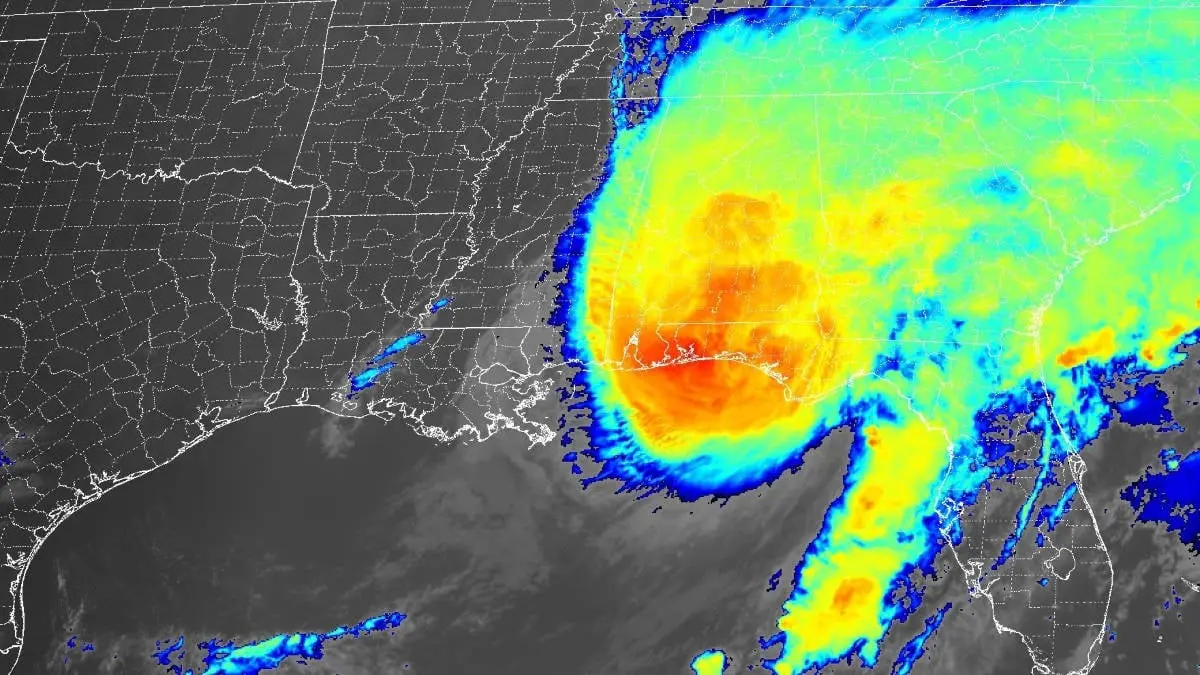
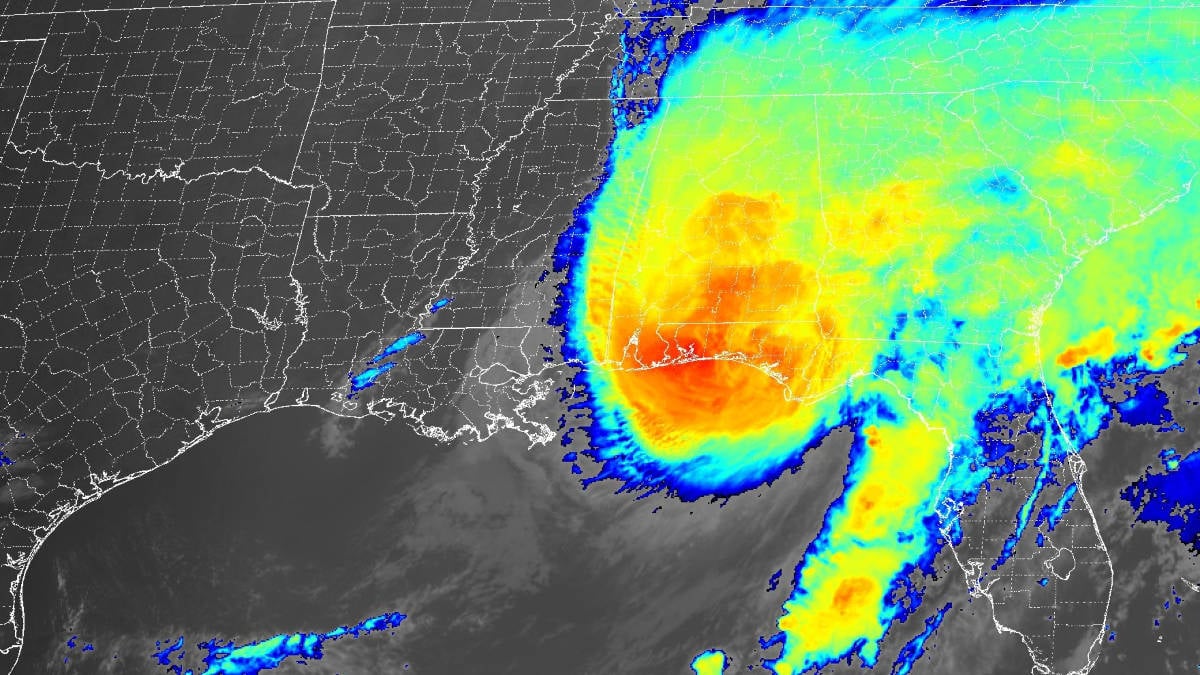
As the formidable atmospheric pressure and severe weather systems associated with Hurricane Isaias aggressively churn across the Gulf of Mexico, major maritime operations along the United States Gulf Coast have entered a heightened state of alert. Weather anomalies of this magnitude require instantaneous adaptability from commercial cruise lines, where passenger and crew safety remains the paramount operational directive.
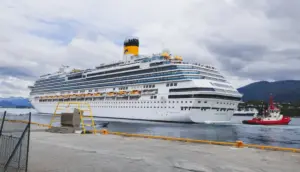
In response to the escalating threats posed by the storm, Carnival Cruise Line—one of the world’s leading cruise operators—has officially confirmed itinerary adjustments and schedule modifications for at least three prominent vessels departing from regional cruising hubs in Texas and Louisiana.
The disruptions primarily center around departures originating from the Port of Galveston in Texas and the Port of New Orleans in Louisiana. While the broader cruise industry continues to monitor the National Hurricane Center (NHC) tracking systems, Carnival has taken proactive steps to reroute ships, adjust port-of-call timelines, and manage terminal arrivals. These preventative measures are strategically designed to bypass the dangerous swells, high-velocity winds, and restricted visibility generated by Hurricane Isaias.
This comprehensive report examines the specific operational adjustments made across the affected Carnival fleet—specifically the Carnival Dream, Carnival Liberty, and Carnival Valor. Furthermore, we analyze the broader economic and logistical implications of severe weather events on Gulf Coast turnaround ports, provide a detailed operational chronology, and offer expert insights into how modern cruise lines navigate unprecedented meteorological crises in the Caribbean and Gulf regions.
Detailed Chronology of Operational Disruptions
Managing a multi-ship cruise fleet during an active hurricane warning requires a synchronized, minute-by-minute evaluation of marine forecasts, port authorities, and navigational parameters. Below is the detailed chronological breakdown of how Hurricane Isaias directly impacted three specific Carnival itineraries, forcing rapid adjustments from port agents and ship captains alike.
1. Carnival Dream (October 10, 2025 – Seven-Night Bahamas Sailing)
- Homeport: Galveston, Texas
- Nature of Disruption: Delayed Embarkation and Adjusted Terminal Arrival Windows
The seven-night Bahamas itinerary aboard the Carnival Dream encountered disruptions even before the current voyage officially commenced. Due to localized sea state conditions and storm-related routing detours experienced during its preceding October 3 voyage, the vessel’s return to the Port of Galveston was significantly delayed.

Because of this late turnaround, Carnival Cruise Line management was forced to implement a delayed embarkation protocol for passengers booked on the October 10 departure. To prevent severe traffic congestion at the Galveston cruise terminal and ensure the vessel could complete essential sanitation, provisioning, and safety turnarounds, Carnival issued direct advisories to all booked guests.
- The Adjusted Schedule: Passengers were officially instructed to delay their arrival at the terminal by a full two hours relative to their previously assigned check-in windows.
- The Hard Deadline: Despite the rolling delays, cruise operations mandated that all incoming guests must successfully complete their terminal check-in procedures by strictly 4:00 PM local time to ensure compliance with Coast Guard departure clearances.
Aside from the initial embarkation delay and the compressed check-in window, maritime authorities have confirmed that the overall route and ports of call for the Carnival Dream‘s Bahamas voyage remain otherwise uncompromised.
2. Carnival Liberty (October 4, 2025 – Western Caribbean Sailing)
- Homeport: New Orleans, Louisiana
- Nature of Disruption: Minor Port-of-Call Time Adjustments in Cozumel, Mexico
Departing from the bustling Port of New Orleans, the Carnival Liberty found itself navigating the outer bands of atmospheric instability driven by Hurricane Isaias as it transited the central Gulf of Mexico. While the ship managed to maintain its scheduled departure date, the cruise’s transit speed was dynamically managed by the bridge command team to avoid the roughest patches of open-water turbulence.
This defensive navigation strategy necessitated a minor, yet critical, temporal adjustment for the vessel’s scheduled port call in Cozumel, Mexico, on October 9.
- Original Itinerary: Scheduled dock/anchor time in Cozumel from 10:00 AM to 6:00 PM.
- Revised Itinerary: Adjusted operating window in Cozumel from 9:00 AM to 5:00 PM local time.
By shifting the port call one hour earlier, the captain ensured the vessel could complete its shore-side operations—including fuel bunkering, provisioning, and passenger excursions—while leaving ample time to clear Mexican territorial waters before localized squalls intensified. Carnival confirmed that no other stops on the Carnival Liberty itinerary experienced alterations.
3. Carnival Valor (October 8, 2025 – Western Caribbean Voyage)
- Homeport: New Orleans, Louisiana
- Nature of Disruption: Strategic Evasive Routing and Port Hour Reductions
Perhaps the most explicit example of weather-evasive maneuvering in this current weather cycle involves the Carnival Valor. Operating out of New Orleans, the ship’s October 8 sailing was forced to take a wider, more southerly track across the Gulf of Mexico to intentionally bypass the heavy storm cells associated with Hurricane Isaias.
Evasive routing inherently consumes additional nautical miles and burns more fuel, forcing the ship’s navigation officers to recalculate time-distance-speed (TDS) equations to maintain passenger comfort and structural safety. Consequently, the stop in Cozumel, Mexico, had to be compressed.
- Original Schedule: Arrival in Cozumel at 8:00 AM; departure at 6:00 PM.
- Revised Schedule: Arrival delayed to 10:00 AM; departure maintained at 5:00 PM.
This compressed window reduced total time ashore in Cozumel from ten hours down to seven hours. Cruise line representatives communicated these changes directly to shore excursion providers and booked guests, ensuring that prepaid tours booked through the cruise line were automatically adjusted to match the tighter time constraints.
Supporting Context & Metrics: The Economics and Logistics of Weather Diversions
To fully appreciate the operational complexity of rerouting a modern cruise ship during a hurricane, one must examine the vast logistical metrics underlying the multi-billion-dollar cruise industry.
The Scale of Gulf Coast Cruising
The Gulf Coast represents one of the most lucrative and heavily trafficked cruising regions in North America. Ports such as Galveston and New Orleans handle millions of passengers annually.
- Port of Galveston: Processes well over 1 million cruise passengers per year, serving as the primary gateway for Western and Eastern Caribbean itineraries operated by Carnival, Royal Caribbean, and Disney Cruise Line.
- Port of New Orleans: Acts as a vital multi-modal hub, accommodating year-round sailings that inject tens of millions of dollars into the local Louisiana hospitality and tourism economies.
When a major weather event like Hurricane Isaias disrupts these hubs, the ripple effects are immediate:
- Turnaround Bottlenecks: Delayed ships mean thousands of arriving passengers converge on terminals simultaneously with departing passengers, straining terminal infrastructure, parking garages, and baggage handling systems.
- Bunker and Fuel Costs: Evasive routing requires ships to steam at higher speeds or take longer paths around storm systems, significantly increasing fuel consumption. A single weather detour can add tens of thousands of dollars in extra marine fuel costs per vessel.
- Port Fee Adjustments: Changing arrival and departure times requires rapid diplomatic and logistical coordination with foreign port authorities (such as those in Cozumel, Mexico, or Nassau, Bahamas) to secure new pilotage, tugboat assignments, and dockage slots.
Official Statements and Industry Protocols
In the wake of the adjustments, maritime safety advocates and cruise line executives have reiterated the industry’s unwavering commitment to passenger security above all else.
Carnival Cruise Line released a formal operational statement emphasizing that safety is a non-negotiable priority:
"Our dedicated fleet operations center, alongside our shipboard captain and meteorological teams, monitor weather patterns 24 hours a day, 365 days a year. When tropical systems or hurricanes threaten our homeports or scheduled routes, we do not hesitate to alter itineraries, delay embarkations, or seek safe harbor. While we understand that itinerary changes can cause disappointment for our guests, our primary obligation is always the safety, comfort, and security of everyone onboard."
Maritime experts note that modern cruise ships are marvels of engineering equipped with advanced weather radar, satellite communication arrays, and state-of-the-art stabilizers. However, physics dictates that massive cruise vessels must avoid the core destructive winds and mountainous storm surges of hurricanes. By acting days in advance—shifting arrival times by a matter of hours or adjusting port sequences—cruise lines effectively insulate travelers from the worst of nature’s fury.
Future Outlook: Navigating the Remainder of the Hurricane Season
As the Atlantic and Gulf hurricane season continues to progress through its peak months, the maritime industry remains on high alert. Meteorological agencies project that sea surface temperatures in the Gulf of Mexico remain elevated, serving as potential fuel for rapidly intensifying tropical systems.
For travelers currently booked on upcoming cruises departing from Texas, Louisiana, Florida, and other Gulf and Atlantic ports, industry analysts offer several key recommendations:
- Monitor Official Channels: Always check official cruise line advisories, emails, and text alerts 48 to 72 hours prior to scheduled embarkation.
- Verify Travel Insurance: Ensure that comprehensive travel insurance policies cover weather-related travel delays, missed connections, and trip interruptions.
- Maintain Flexibility: Understand that cruise contracts explicitly grant operators the legal right to alter itineraries, substitute ports of call, or change homeports in the interest of safety without triggering automatic refunds.
Cruise Hive and our maritime reporting desk will continue to monitor the trajectory of Hurricane Isaias, coordinate with port authorities, and provide real-time updates regarding any further impacts on Gulf Coast cruise operations. As the situation develops, passengers are encouraged to stay informed and exercise patience as the global cruise community works diligently to keep travelers safe on the high seas.