








Executive Overview
The global electric vehicle (EV) revolution rests on a fragile, highly concentrated foundation: advanced energy storage. At the pinnacle of this industrial pyramid sits Contemporary Amperex Technology Co., Limited (CATL). As the undisputed heavyweight champion of the global EV battery market, CATL commands massive market share, dictates terms to major original equipment manufacturers (OEMs), and sets the technological benchmark for lithium-ion innovation.
However, a sudden and peculiar messaging war has erupted within China’s domestic media landscape, creating ripples of confusion across international observer circles. Recent headlines across various local and digital channels suggested a profound shift: Chinese automakers were supposedly orchestrating a systematic retreat from CATL, actively diversifying their supply chains to "de-CATLize" their operations. For an industry accustomed to synchronized state narratives, the appearance of competing, sensationalized accounts of automaker-supplier friction was jarring.
Was CATL’s market dominance finally breeding systemic backlash? Had the battery titan grown too powerful, forcing automakers into corners and prompting a desperate scramble for alternative suppliers?
Not quite.
A swift and authoritative rebuttal from an official state-affiliated media outlet—specifically, a WeChat publication run by the Ministry of Industry and Information Technology (MIIT) News and Publicity Center—has pushed back aggressively against the hype. Dismissing the narrative as a "media farce," regulators clarified that routine supply chain diversification, multi-sourcing, and in-house battery development are standard operating procedures in a mature market. They are not acts of corporate rebellion.
Simultaneously, the regulatory intervention raised a broader, more critical alarm: the dangers of unchecked upstream price wars threatening product safety, vehicle longevity, and consumer trust. This deep-dive investigation unpacks the anatomy of the "de-CATLization" narrative, examines the strategic motives driving China’s industrial policy watchdogs, and explores what this friction reveals about the next phase of the global energy transition.
Detailed Chronology: From Rise to Regulatory Pushback
To understand why a routine supply chain adjustment sparked a national media skirmish, one must first trace CATL’s meteoric rise to dominance.
Phase 1: The Ascent of a Titan
A decade ago, the global battery landscape was a fragmented arena featuring competitive heavyweights such as LG Chem, Samsung SDI, SK Innovation, and domestic rival BYD. CATL, founded in 2011 in Ningde, Fujian, was merely an ambitious up-and-comer. Through aggressive research and development, shrewd supply chain vertical integration, and deep partnerships with global automakers like Tesla, BMW, and Volkswagen, CATL rapidly outpaced its peers.
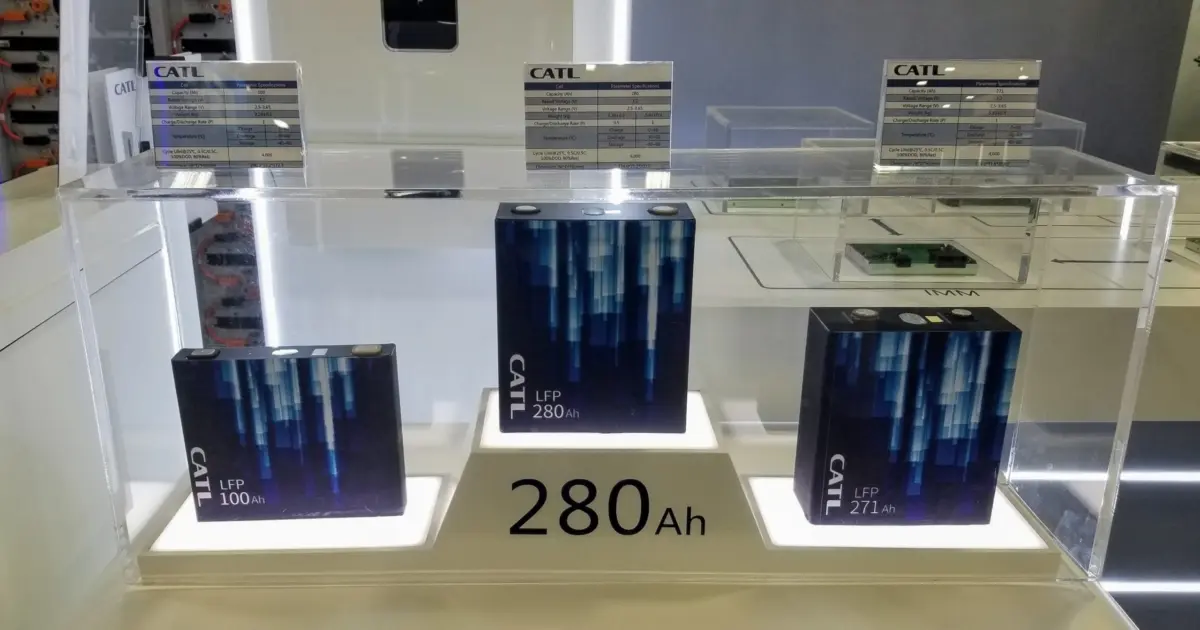
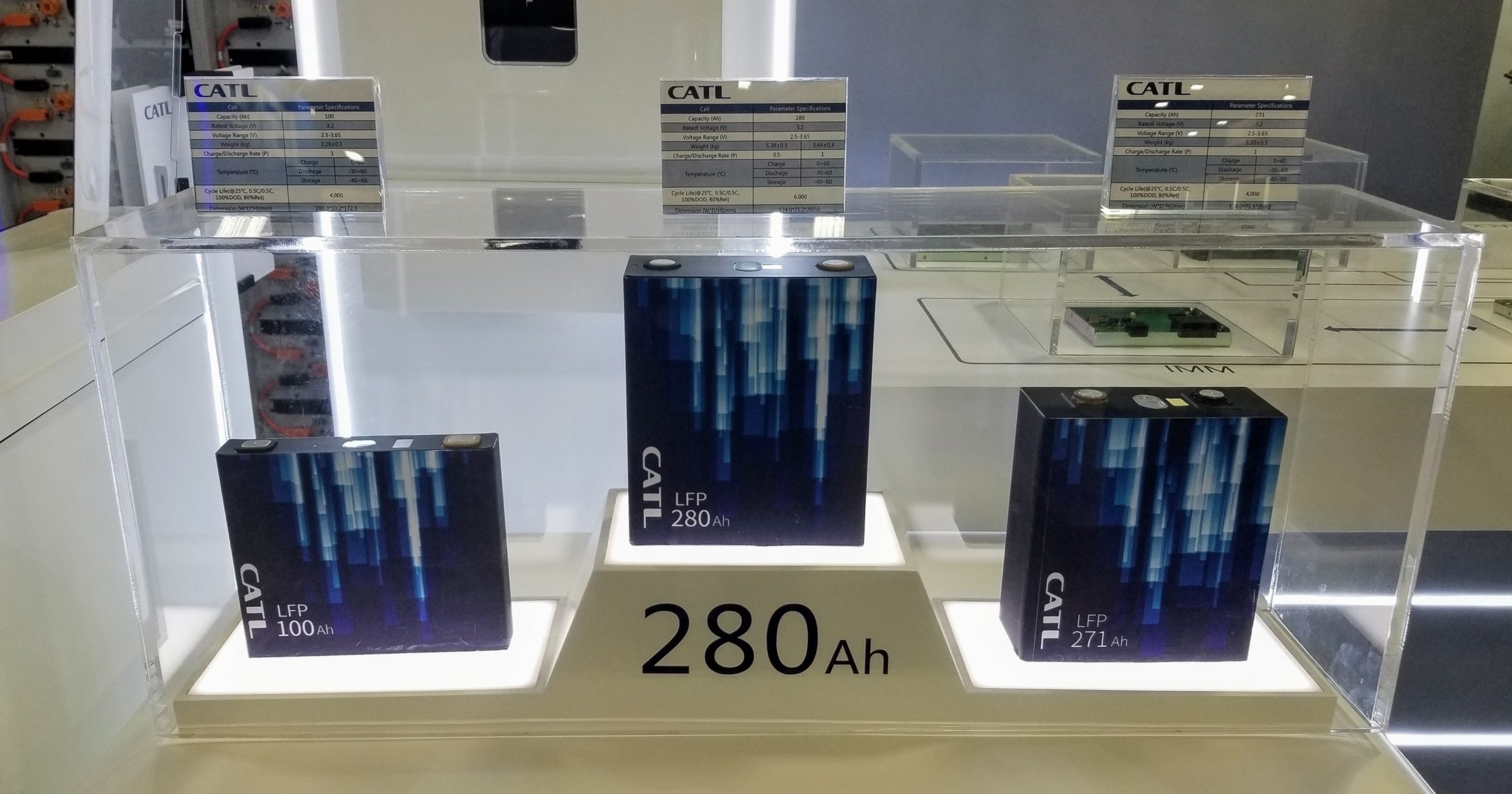
By the late 2010s, CATL had claimed the global number-one spot in EV battery installations—a position it has defended fiercely ever since. Over the years, the gap between CATL and its closest competitors widened significantly. While it never held a formal monopoly, its technological lead in both Lithium Iron Phosphate (LFP) chemistries (such as its revolutionary Shenxing and Qilin batteries) and nickel-manganese-cobalt (NMC) cells made it nearly indispensable for high-volume vehicle production.
Phase 2: The Emergence of the "De-CATLization" Narrative
Fast-forward to late 2026, and the domestic Chinese automotive market was awash with a sudden wave of sensationalist reporting. Headlines began circulating across financial portals and social media platforms claiming that Chinese NEV (New Energy Vehicle) makers were aggressively "de-CATLizing."
According to these reports, automakers were pulling back multi-billion-yuan contracts, shifting orders to secondary and tertiary suppliers like CALB, Gotion High-Tech, EVE Energy, and automaker-owned subsidiaries (such as BYD’s FinDreams Battery or Geely’s in-house energy initiatives). The narrative painted a picture of an intense industrial turf war: OEMs desperate to break free from CATL’s pricing leverage and market hegemony, allegedly signaling a fractured domestic ecosystem.
Phase 3: The State Intervenes
The plot thickened when state media agency China Daily spotlighted an article published by an MIIT-affiliated WeChat account. The regulatory response was swift, blunt, and dismissive of the media hype.
The MIIT-backed center categorized the reports of "de-CATLization" as a manufactured media storm. It argued that automakers constantly recalibrating their supplier matrices, cultivating secondary sources, and investing in proprietary cell research is not an act of hostility. Rather, it is the textbook definition of a healthy, mature, and competitive industrial market. Furthermore, framing these corporate logistics adjustments as an existential confrontation between automakers and battery suppliers was deemed irresponsible and misleading.
Supporting Context & Metrics: The Economics of the Battery Chain
Why did this narrative gain traction in the first place, and why did regulators feel compelled to step in? The answer lies in the fierce economic pressures currently gripping the Chinese automotive sector.
The Hyper-Competitive NEV Landscape
China’s domestic auto market is arguably the most fiercely contested battleground in the world. A brutal price war, initiated by Tesla years prior and amplified by dozens of domestic NEV startups and legacy giants, has compressed profit margins across the board. Automakers are perpetually hunting for cost reductions to survive.
In this environment, relying on a single dominant supplier—even one as technologically proficient as CATL—presents strategic vulnerabilities. Automakers naturally seek to diversify to secure better pricing leverage, ensure supply chain resilience against geopolitical or logistical disruptions, and capture the valuation upside of developing proprietary battery technologies.
The Upstream Price War Trap
However, the MIIT-affiliated commentary highlighted a darker side to this relentless cost-cutting: the spread of aggressive price competition deep upstream into the industrial chain.
Battery manufacturing is radically different from producing standard, commoditized automotive components like windshield wipers or door handles. An EV battery pack is the beating heart of the vehicle. It dictates:

- Safety: Preventing thermal runaway under extreme crash or charging conditions.
- Reliability: Maintaining stable power delivery across fluctuating ambient temperatures.
- Lifespan: Preserving state-of-health and driving range over thousands of charge-discharge cycles.
- User Experience: Enabling ultra-fast charging capabilities and consistent acceleration.
By citing consumer research from firms like NielsenIQ, the regulatory-aligned commentary underscored a vital reality: global consumers are sophisticated enough to distinguish between battery technologies and brand quality. Batteries remain a primary purchasing factor.
The core anxiety of China’s industrial regulators is that unbridled price wars will drive suppliers to cut corners. If automakers push their battery partners past sustainable profit margins, the industry risks equating low prices with low costs at the expense of structural quality. In an industry where a single battery fire can devastate a brand’s global reputation, compromised quality control is an existential threat.
Official Statements and Regulatory Intent
The intervention by the MIIT-affiliated media channel serves multiple strategic purposes within China’s state-capitalist framework:
- Defusing Industrial Instability: Publicly framing major supply chain shifts as "confrontations" threatens investor confidence and creates unnecessary volatility in public markets. By labeling the reports a "media farce," regulators sought to stabilize market sentiment and reassure investors that China’s supply chain remains cohesive and orderly.
- Protecting Technological Leadership: CATL is a crown jewel of China’s high-tech manufacturing sector—a pillar of its dominance in the global green transition. Portraying CATL as besieged by its own domestic customers undermines the narrative of national industrial strength.
- Reining in Destructive Competition: For months, Beijing has expressed growing concern over "involution" (neijuan)—hyper-irrational, race-to-the-bottom internal competition that destroys corporate profitability and stifles long-term R&D. The regulatory warning against conflating low prices with low costs is a clear shot across the bow of automakers squeezing suppliers to dangerous margins.
Future Outlook: What This Means for the Global EV Market
As the dust settles on the "de-CATLization" debate, several clear takeaways emerge for international analysts, investors, and industry participants:
1. Normalization of Multi-Sourcing
Despite regulatory pushback against the sensationalist headlines, the underlying trend is real: automakers are diversifying. No sensible OEM wants 100% dependency on a single supplier, regardless of how good they are. CATL will inevitably see its domestic market share fluctuate as automakers like Geely, Chery, and SAIC cultivate alternative suppliers and scale up in-house production. However, this is evolution, not revolution—a sign of a maturing market transitioning from hyper-growth to stabilization.
2. Quality Over Margin Compression
The regulatory signal sent via China Daily and MIIT channels suggests that Beijing will tolerate supply chain diversification, but it will not tolerate a destructive race to the bottom on battery safety. As upstream price pressures mount, expect tighter regulatory oversight on battery manufacturing standards, cell integrity, and safety certifications. Companies that try to undercut the market through unsafe manufacturing shortcuts will likely face swift regulatory clampdowns.
3. CATL’s Resilient Moat
While competitors continue to chip away at its edges through competitive pricing and localized supply deals, CATL’s technological moat remains formidable. Its heavy investments in solid-state research, sodium-ion alternatives, and next-generation fast-charging architectures ensure it will dictate the upper echelons of the market. The company’s ability to maintain high gross margins while navigating aggressive industry discounting proves its structural durability.
Conclusion
The "de-CATLization" saga is a fascinating case study in how modern industrial media, state regulation, and raw market economics intersect in the world’s largest EV market. What began as a sensationalist narrative of corporate rebellion was quickly recontextualized by state watchdogs as a routine market adjustment coupled with a sobering warning: in the high-stakes world of battery manufacturing, the pursuit of lower costs must never compromise the bedrock of vehicle safety and consumer trust.