



Executive Overview
Encompassing the sprawling Great Plains, thousands of glacial lakes, the two longest river systems in the United States, and vast swaths of dense hardwood forests, the American Midwest boasts a distinctive, multifaceted character. Formally recognized by the U.S. Census Bureau as a 12-state region, the Midwest resists monolithic definitions. It shifts dramatically from ultra-rural farm towns and quiet river valleys to dense metropolitan powerhouses like Chicago and Detroit.
For first-time travelers, navigating this landscape can upend preconceived notions shaped by coastal media and urban bias. Far from a uniform expanse of endless flat farmland, the region presents a complex tapestry of unique local customs, extreme continental weather, deeply rooted Indigenous histories, and architectural marvels. This report examines the ten most surprising cultural elements encountered in the Midwest—spanning unwritten social etiquette, culinary traditions, outdoor recreation, and urban design—providing an authoritative guide for travelers and cultural researchers alike.
Detailed Chronology of Midwestern Cultural Evolution
To understand contemporary Midwestern culture, one must trace its historical milestones, which shaped everything from its architectural skyline to its unique culinary institutions:
- Pre-19th Century (Indigenous Era): Indigenous mound-building civilizations—including the Mississippian culture centered at Cahokia and various Algonquian and Siouan-speaking tribes—construct complex earthen monuments and establish trade networks across the river valleys.
- 1830s–1870s (The Pioneer and Settlement Wave): European immigrants, predominantly from Germany, Scandinavia, and the British Isles, settle the region, establishing the agricultural foundation, dairy industries, and small-town grids that define rural character today.
- October 8–10, 1871 (The Great Chicago Fire): A catastrophic blaze levels over 2,000 acres of Chicago, setting the stage for one of the greatest urban rebuilding efforts in global architectural history and giving rise to the Chicago School of architecture.
- Late 19th to Early 20th Century (The Rise of the Supper Club): Driven by post-Prohibition recreation laws and rural electrification, rural supper clubs emerge as weekend social hubs, blending fine dining with distinct cocktail traditions and relaxed, prolonged timelines.
- Mid-20th Century (Industrial Expansion and Modernism): Architects like Frank Lloyd Wright, Ludwig Mies van der Rohe, and later Eero Saarinen and Santiago Calatrava transform Midwestern cities and suburban landscapes into structural testing grounds for Prairie School, Art Deco, and Modernist design.
- Contemporary Era (Cultural Reclamation and Tourism Growth): A modern renaissance takes root, highlighted by Indigenous culinary revivals (such as Owamni in Minneapolis), the preservation of unique winter pastimes, and a surge in heritage tourism celebrating the region’s diverse rural-urban continuum.
Supporting Context & Metrics: Unpacking Regional Realities
1. The Social Architecture of the "Farmer Wave"
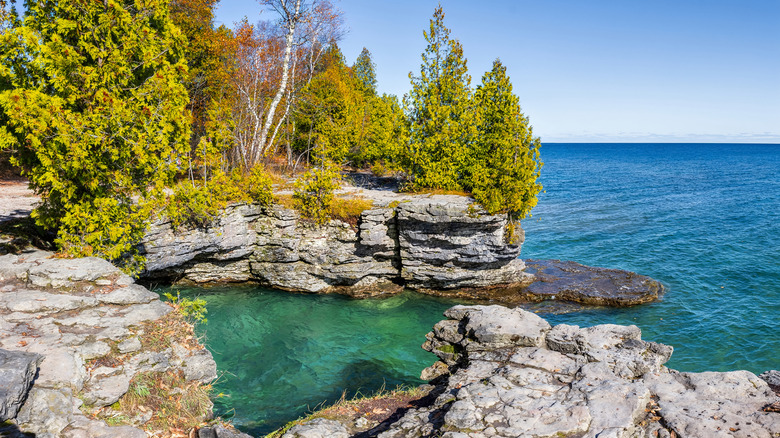
In rural Midwestern corridors, visitors quickly encounter a subtle yet pervasive social ritual: the "farmer wave." Far from an enthusiastic, full-arm wave, this localized etiquette typically consists of a driver lifting a single index finger or two fingers from the steering wheel as an acknowledgment of passing motorists.
- Context: Rooted in tight-knit rural communities where residents frequently recognize their neighbors—or simply acknowledge fellow travelers on remote county roads—this gesture fosters a profound sense of regional camaraderie.
- Etiquette: While failure to return the wave carries no social penalty, reciprocating the gesture demonstrates an understanding of the region’s informal, egalitarian social contract.
2. Extreme Continental Climate and Meteorological Volatility
Weather in the Midwest is not merely a conversational icebreaker; it is a serious lifestyle factor dictated by a continental climate system.
- Temperature Extremes: The regional average summer high hovers around 85 degrees Fahrenheit, frequently pushing past 90 or 100 degrees with heavy humidity. Conversely, winter lows drop to a frigid 15 degrees on average, with the infamous "polar vortex" plunging northern sectors well below zero when factoring in wind chills.
- Severe Weather: The region is equally prone to meteorological turbulence. For instance, recent data indicates states like Illinois experience high volumes of tornado activity, while shifting climate patterns have driven increases in heavy, localized rainfall events that impact the agricultural economy.
3. The Dual Nature of Cheese Curds
As America’s Dairyland, Wisconsin and the broader Upper Midwest treat cheese curds—the fresh, unaged byproduct of the cheddar-making process—as a culinary art form.
- Fresh Curds: Served at room temperature, fresh curds are prized for their light, rubbery texture and distinct "squeak" against the teeth, a quality that rapidly diminishes within 24 to 48 hours of production.
- Fried Curds: Universally found on tavern and restaurant menus across the region, deep-fried curds are typically encased in a beer-batter or tempura coating. They are traditionally served alongside accompaniments such as ranch dressing or red pepper aioli, bridging the gap between comfort food and high-demand regional export.
4. Ice Fishing and Year-Round Aquatic Recreation
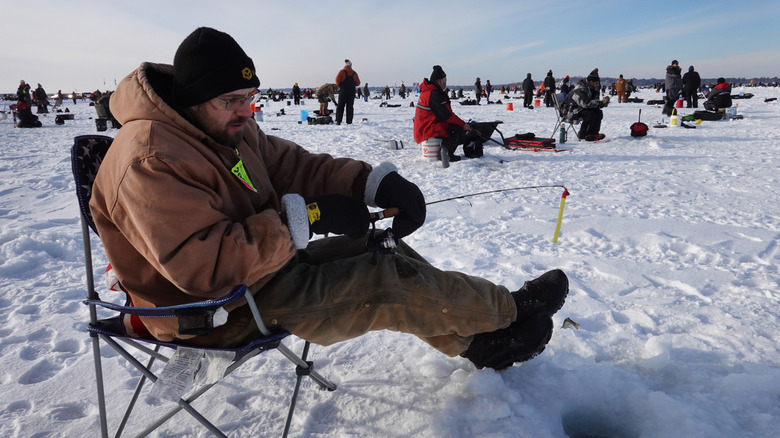
With thousands of glacial lakes dotting states like Minnesota, Michigan, and Wisconsin, fishing is far from a seasonal warm-weather hobby.
- Ice Culture: Once winter freezes regional lakes several inches deep, communities establish temporary "villages" of ice-fishing shelters.
- Specialized Traditions: Beyond standard angling for perch, walleye, and northern pike, the region hosts unique cultural events such as North Dakota’s darkhouse spearfishing, Wisconsin’s sturgeon spearing seasons on Lake Winnebago, and massive gatherings like the Brainerd Jaycees Ice Fishing Extravaganza in Minnesota.
5. The Counterintuitive Persistence of Winter Shorts
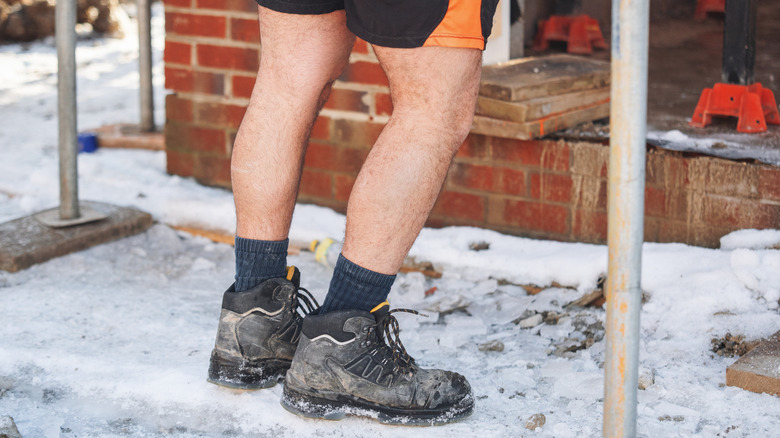
One of the more humorous anomalies noted by visitors and local residents alike is the propensity for Midwesterners to wear shorts throughout the winter months, regardless of sub-freezing temperatures.
- Behavioral Driver: Urban planners and sociologists note that Midwestern daily routines rely heavily on vehicular transit. Because individuals transition directly from heated homes to heated garages, heated workplaces, and heated cars, prolonged outdoor exposure is often minimal, rendering heavy winter outerwear unnecessary for short intervals.
- Cultural Toughness: This stoicism also manifests in sports culture, where fans routinely attend National Football League games at open-air venues like Lambeau Field stripped to the waist in sub-zero weather.
6. Vehicular Dependency and Spatial Scale
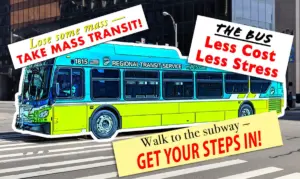
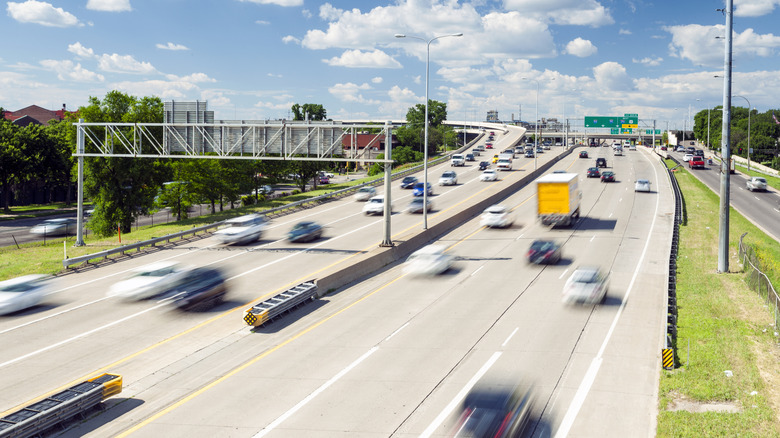
Except for urban cores like Chicago, St. Louis, and Minneapolis—which feature extensive bus networks, commuter rail, and enclosed skywalk systems (such as Minneapolis’s 150-building skyway network)—the Midwest is an auto-centric region.
- Distance Metrics: Due to the vast expanse of rural topography, driving one to two hours each way for family outings, medical appointments, or high school athletic events is considered standard practice by rural residents, who remain unfazed by long-distance transit across open terrain.
7. Horse-Drawn Buggies and Amish Communities
Travelers cruising rural highways in states like Ohio, Indiana, Wisconsin, Michigan, and Illinois frequently share the roadway with traditional horse-drawn buggies.

- Demographics: According to cultural tracking data from Amish America, the Midwest houses some of the nation’s largest traditional Amish populations, particularly in communities such as Arthur, Illinois.
- Road Safety: These black carriages utilize high-visibility orange reflective triangles. Visitors traversing these agrarian corridors are advised to maintain safe passing distances and respect the community’s deliberate choice to limit modern technological integration in favor of simplicity and faith.
8. Indigenous Heritage and Earthen Monuments
While ancient American archaeological sites are frequently associated with the arid Southwest, the Midwest preserves an extraordinary record of pre-Columbian Indigenous civilization.
- Major Sites: The region features monumental earthworks, including Ohio’s Great Serpent Mound, the UNESCO World Heritage Site at Cahokia Mounds State Historic Site in Illinois (home to the largest prehistoric earthen mound in North America), and Iowa’s Effigy Mounds National Monument.
- Modern Cultural Integration: Contemporary Indigenous culture thrives across the region through annual powwows, tribal museums (such as the Ojibwe Museum and Cultural Center in Wisconsin), the Crazy Horse Memorial in South Dakota, and cutting-edge culinary institutions like Owamni in Minneapolis, which celebrates pre-colonial Indigenous ingredients.
9. The Rituals of the Midwestern Supper Club
The supper club is a distinct hospitality institution deeply ingrained in rural and suburban Midwestern life, particularly in Wisconsin.
- The Run of Show: Eschewing modern restaurant pacing, supper club patrons routinely arrive early—often when doors open at 4:00 PM—putting their name on a list before retreating to the bar.
- The Bar Experience: Patrons socialize while sipping classic cocktails, such as the Wisconsin Brandy Old Fashioned (ordered either "sweet" or "sour"), and place their dinner orders directly with the bartender or roaming servers before being seated in the dining room to enjoy prime rib, broasted chicken, and traditional salad bars.
10. Architectural Innovation and Urban Heritage
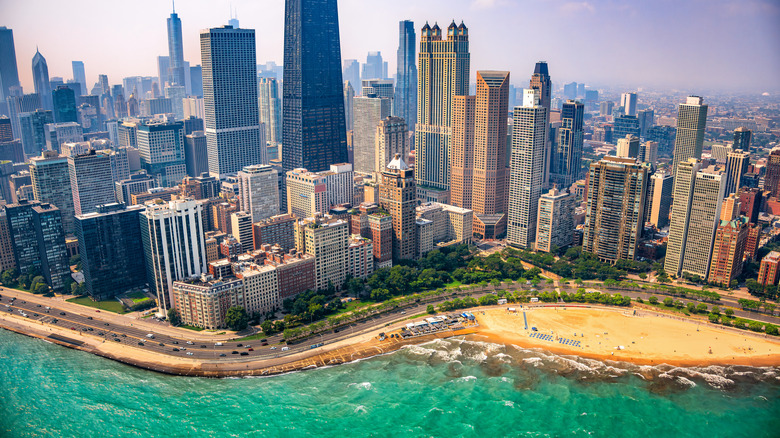
Far from being purely agrarian, Midwestern cities represent premier treasure chests of global architecture.
- Frank Lloyd Wright and the Prairie School: Wright established his studio at Taliesin in Wisconsin, leaving an indelible imprint of Prairie School design across the region, complemented by masterworks in Mason City, Iowa.
- The Chicago School: Following the Great Chicago Fire of 1871, Chicago evolved into a crucible for skyscraper engineering and modern design, featuring structures by Ludwig Mies van der Rohe, Louis Sullivan, and others, explored via world-renowned river architecture tours. Additionally, metropolitan centers like Milwaukee showcase striking contemporary works by Santiago Calatrava at the Milwaukee Art Museum.
Official Statements & Expert Perspectives
Local historians, cultural anthropologists, and regional figures emphasize that the quirks of the Midwest stem from a blend of environmental adaptation, immigrant heritage, and community resilience.
"You can’t spell ‘fall’ without ‘all,’ and you need it all," notes Midwestern comedian Charlie Berens, encapsulating the region’s pragmatic approach to volatile weather and seasonal shifts.
Urban planning experts note that the architectural density found in cities like Chicago and Minneapolis serves as a physical manifestation of industrial ambition rising directly from the ashes of historical disaster. Meanwhile, culinary historians point out that institutions like the Wisconsin supper club and the modern Indigenous culinary movement reflect a deep, evolving appreciation for local provenance—balancing European immigrant traditions with the rich heritage of the region’s first peoples.
Future Outlook
As domestic and international tourism shifts toward authentic, immersive cultural experiences, the American Midwest is shedding its outdated reputation as a mere "flyover country."
Looking ahead, regional economic development strategies are increasingly focused on heritage tourism, sustainable outdoor recreation, and culinary preservation. Initiatives to protect glacial waterways, expand interpretive programming at Indigenous historic sites, and maintain the operational integrity of century-old supper clubs ensure that the unique dualities of the Midwest—balancing quiet rural camaraderie with bustling urban innovation—will continue to captivate and surprise travelers for generations to come.