






Executive Overview
For decades, the global hospitality industry’s approach to marine conservation has worn a familiar shade of bleached white and vibrant neon. From the Maldives to the Caribbean, luxury resorts have championed coral reef adoption programs, inviting guests to tie coral fragments to metal frames in shallow turquoise waters. While undeniably vital, this singular focus has long overlooked another marine ecosystem just as critical to planetary survival, coastal stability, and the aesthetic perfection that underpins the tourism economy: seagrass meadows.
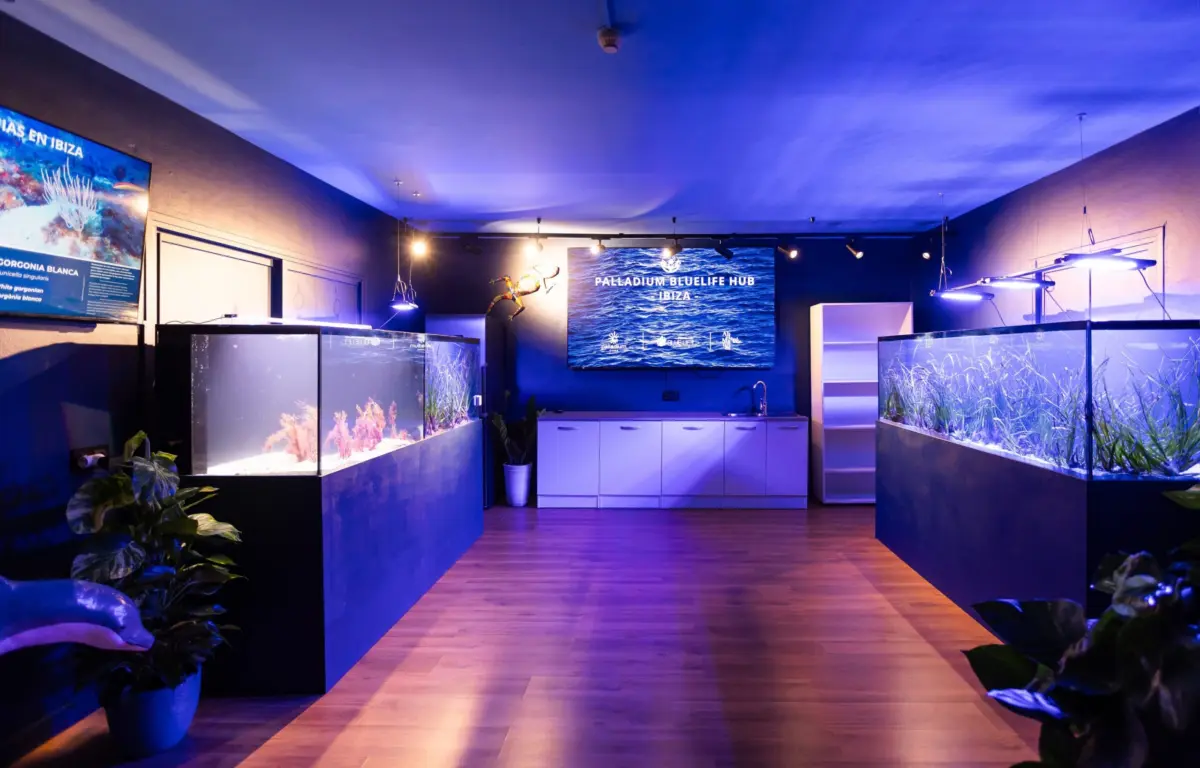
Now, a major hospitality player is shifting the ecological paradigm. The Palladium Hotel Group has unveiled a groundbreaking marine conservation initiative centered not on stony corals, but on the unsung heroes of the Mediterranean seafloor: seagrass meadows. Situated at the Grand Palladium Select Palace Ibiza, the newly established marine conservation lab and resort-integrated seagrass nursery represent a radical departure from traditional hotel greenwashing. This is not merely an educational exhibit; it is a working, participatory scientific endeavor that invites guests to transition from passive vacationers to active stewards of the Balearic Sea.
The stakes could not be higher. While white-sand beaches and crystal-clear waters remain the primary siren song of destination marketing organizations (DMOs) worldwide, the mechanics behind those postcard views are widely misunderstood. That pristine white sand is, in geological reality, the pulverized calcium carbonate skeleton of ancient coral. Meanwhile, the clear waters owe their transparency not to magic, but to the natural filtration systems of sprawling underwater seagrass meadows—specifically Posidonia oceanica, the endemic Mediterranean seagrass often dubbed the "lungs of the Mediterranean."
Beyond filtering sediment and anchoring coastlines against increasingly volatile storm surges, these emerald prairies are powerhouse carbon sinks. Though they cover less than 0.2% of the world’s ocean floor, seagrasses account for up to 10% of all organic carbon buried annually in the ocean, storing carbon up to 35 times faster than tropical rainforests. Yet, rising sea temperatures, coastal development, anchoring, and water pollution are decimating these vital habitats.
By embedding a marine laboratory and nursery directly into an all-inclusive resort ecosystem, Palladium Hotel Group is attempting to bridge a historically wide chasm: the disconnect between luxury tourism and ecological preservation. This in-depth report examines the mechanics of the Ibiza lab, the science of seagrass restoration, the economic interdependence between tourism and marine health, and what this precedent means for the future of global hospitality.
Detailed Chronology: From Concept to Conservation Hub
The realization of the marine conservation lab at the Grand Palladium Select Palace Ibiza did not happen overnight. It is the culmination of years of mounting ecological alarm bells in the Balearic Islands, coupled with a strategic corporate pivot toward measurable, science-backed sustainability metrics.
Phase 1: Recognizing the Mediterranean Blind Spot (2018–2021)
For years, local marine biologists and conservation groups—such as Save The Med and the Oceanographic Center of the Balearic Islands—warned that Ibiza’s coastal ecosystems were reaching a tipping point. While terrestrial sustainability initiatives (such as plastic reduction and energy efficiency) gained traction across European resorts, marine interventions remained largely superficial.
Palladium Hotel Group’s sustainability leadership began consulting with marine botanists to evaluate how a major hospitality operator could directly contribute to local biodiversity preservation. The diagnosis was clear: while coral restoration projects capture headlines, Ibiza’s most urgent ecological crisis lay in the alarming regression of Posidonia oceanica meadows, which have suffered significant losses due to illegal anchoring, coastal dredging, and thermal stress caused by marine heatwaves.
Phase 2: Architectural and Scientific Integration (2022–2023)
Planning for the Ibiza-based marine lab commenced in earnest in late 2022. The hotel group partnered with marine scientists and local environmental agencies to design a facility that could operate simultaneously as an active research station and an accessible guest engagement center.
Unlike remote research facilities hidden away from the public eye, the Palladium lab was deliberately integrated into the fabric of the Grand Palladium Select Palace Ibiza. Engineers and biologists collaborated to construct on-site nursery tanks mirroring the precise salinity, temperature, and nutrient profiles of the surrounding Mediterranean waters. This phase involved securing regulatory permits from regional environmental authorities to cultivate, study, and eventually outplant protected seagrass species.
Phase 3: The Grand Opening and Guest Integration (2024–Present)
The marine conservation lab officially opened its doors to guests, researchers, and local schools, marking a new chapter in experiential hospitality.
- The Nursery Installation: The resort now features a dedicated on-site seagrass nursery where guests can observe the micropropagation and early-stage growth phases of seagrass shoots before they are transplanted into degraded coastal zones.
- Immersive Dives and Educational Programming: In a move that redefines resort activities, Palladium launched guided scuba and snorkeling excursions led by resident marine biologists. Guests are no longer just spectators; they actively participate in monitoring meadow health, tracking shoot growth, and learning about the intricate food webs sustained by the underwater flora.
- Community and Institutional Partnerships: The lab has established ongoing data-sharing protocols with local academic institutions, ensuring that the resort’s conservation work contributes meaningfully to broader Balearic marine research databases.
Supporting Context & Metrics: The Science of Seagrass and the Tourism Paradox
To understand the genius—and the necessity—of Palladium’s initiative, one must examine the complex relationship between coastal tourism, sediment dynamics, and the hidden mechanics of marine carbon sequestration.
The Illusion of the Pristine Beach
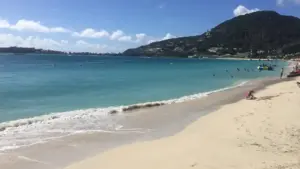
DMOs have spent over half a century selling the dream of the Mediterranean: blindingly white sandy shores kissed by translucent, turquoise waves. Behind this idyllic imagery lies a fascinating geological process. The sand that feels so soft beneath a vacationer’s feet is largely composed of biogenic sediment—fragments of coral, shells, and calcareous algae broken down over millennia.
However, clear water is not an inherent state; it is actively maintained by living ecosystems. Seagrass meadows act as organic sediment traps. Their dense, interlocking root systems (rhizomes) anchor the sea floor, while their long, ribbon-like leaves slow down water currents. As water slows, suspended particles and sediments settle to the bottom rather than remaining suspended in the water column, preventing turbidity and preserving the iconic clarity that draws millions of tourists to Ibiza every year.
[Seagrass Canopy & Rhizomes]
       │
       ├──> Slows Water Currents ──> Settles Suspended Sediment ──> Crystal-Clear Coastal Waters
       │
       ├──> Natural Nutrient Filter ──> Prevents Algae Blooms & Erosion
       │
       └──> Carbon Sequestration (Blue Carbon) ──> Stores Up to 18% of Oceanic Carbon
The "Blue Carbon" Superpower
While rainforests capture global imaginations, ocean ecosystems—specifically mangroves, salt marshes, and seagrass meadows—store what scientists call Blue Carbon. Seagrasses are exceptionally efficient at this.
- The Carbon Sink: Seagrass meadows occupy a tiny fraction of the seafloor yet are responsible for capturing a disproportionate amount of marine carbon. According to marine studies, seagrasses can store up to 18% of the organic carbon buried in the global ocean, despite covering less than 0.2% of the seafloor.
- Long-Term Storage: Unlike terrestrial plants, which release carbon back into the atmosphere when they die or burn, seagrass carbon is trapped in oxygen-poor underwater soils. If undisturbed, this carbon can remain locked away for millennia.
- Biodiversity Hotspots: A single square meter of seagrass can support tens of thousands of fish, crustaceans, and invertebrates. It serves as a vital nursery ground for commercially and ecologically significant marine species, protecting juvenile fish from predators until they are ready to venture into the open sea.
The Thermal Threat
Climate change, however, is turning these aquatic cradles into pressure cookers. In recent years, the Mediterranean Sea has experienced unprecedented marine heatwaves, with summer surface temperatures regularly exceeding historical averages by several degrees Celsius.
Posidonia oceanica—which grows at agonizingly slow rates, sometimes expanding by only a few centimeters per year—struggles to adapt to these rapid thermal shifts. Furthermore, physical damage from boat anchors tearing through root systems compounds the stress. When seagrass meadows are destroyed, not only is their biodiversity wiped out, but centuries of sequestered carbon are violently re-released into the atmosphere and water column, accelerating the very climate crisis threatening the region.
Official Statements and Industry Perspectives
The launch of the marine lab at Grand Palladium Select Palace Ibiza has sent ripples across the international hospitality and conservation sectors. Industry leaders and environmental scientists are taking note of this shift toward functional, habitat-specific restoration.
Corporate Leadership on Responsibility
Representing the hospitality group, sustainability executives emphasize that modern luxury can no longer exist in an ecological vacuum.
"For too long, coastal resorts have benefited from the aesthetic perfection of marine ecosystems without actively investing in their survival," said a senior Palladium Hotel Group sustainability representative during the facility’s inauguration. "Our guests come to Ibiza for the sea, the beaches, and the natural beauty. We have a fundamental responsibility to ensure that the ecosystem sustaining this destination is not just protected, but actively regenerated. By bringing seagrass conservation onto the property, we are demystifying marine science and showing that hospitality can be a force for ecological restoration."
Marine Biologists and Scientific Validation
Local marine researchers have praised the initiative for bridging the gap between academic research and public awareness. Dr. Elena Marín, a Balearic marine ecologist collaborating with the resort lab, highlighted the educational impact of the project:
"People understand coral because it looks like an alien garden, but seagrass looks like underwater grass, so it is often overlooked or dismissed as seaweed. In reality, Posidonia is an ancient, flowering plant that forms the backbone of the Mediterranean marine ecosystem. When a resort invites thousands of international travelers to witness, touch, and learn about seagrass in a controlled, scientific setting, the multiplier effect on global environmental awareness is immense. Tourists become advocates when they return home."
Guest Reception and Experiential Impact
Early feedback from guests staying at the Grand Palladium Select Palace Ibiza indicates a strong appetite for purposeful travel. Exit surveys and program sign-ups reveal that modern travelers—particularly Millennials and Generation Z—actively seek out hotels that integrate meaningful sustainability into their vacation itineraries.
By trading passive relaxation for hands-on marine conservation dives, guests report a deeper, more emotional connection to the destination. Rather than leaving only footprints, visitors leave with a tangible understanding of how an anchor drop or a warming ocean impacts the microscopic shoots growing in the resort’s nursery tanks.
Future Outlook: The Blueprint for Regenerative Hospitality
As the hospitality industry confronts an increasingly climate-volatile future, the initiative at the Grand Palladium Select Palace Ibiza offers a compelling blueprint for what comes next. Traditional "do no harm" sustainability—such as towel reuse programs and energy-efficient lighting—is no longer sufficient to meet the expectations of regulators, scientists, or conscious consumers. The future belongs to regenerative hospitality: models that leave destinations better than they were found.
Scaling the Seagrass Model
The success of the Ibiza marine lab opens the door for replication across Palladium Hotel Group’s broader portfolio, as well as inspiring competing hotel chains operating in vulnerable coastal regions. While seagrass restoration techniques are complex and location-sensitive, the foundational framework—combining on-site nurseries, expert-led guest excursions, and academic partnerships—is universally adaptable.
- Expansion to Other Mediterranean Properties: Given the endemic nature of Posidonia oceanica and related Mediterranean seagrass species, similar labs could soon appear in Palladium’s other Balearic and southern European properties.
- Cross-Ecosystem Restoration: Future iterations may expand beyond seagrass to encompass multi-tiered coastal restoration, combining seagrass propagation with oyster reef installation (for water filtration) and dune grass stabilization.
The Role of Tourism in Data Collection
One of the most promising frontiers for resort-based conservation is citizen science. With thousands of guests moving through coastal properties annually, resorts possess an untapped workforce for ecological monitoring. Equipped with underwater cameras, standardized tracking apps, and guidance from resident biologists, hotel guests can help monitor marine health across vast stretches of coastline that would otherwise require prohibitive research budgets to survey.
Conclusion: A New Horizon for Coastal Resorts
The sparkling turquoise waters and powdery white beaches of the Mediterranean will always be the primary drivers of Ibiza’s tourism economy. But as climate pressures mount, the industry is waking up to an existential truth: you cannot sell the paradise while destroying the plumbing that keeps it clean.
By daring to champion seagrass—an ecosystem lacking the photogenic flash of coral reefs but carrying an unmatched ecological weight—Palladium Hotel Group has raised the bar for corporate environmental stewardship. The marine conservation lab at the Grand Palladium Select Palace Ibiza proves that luxury and science can coexist beneath the surface, transforming the modern resort from a consumer of natural beauty into its most passionate defender.