







By Blake Aued
Published September 21, 2026
Executive Overview
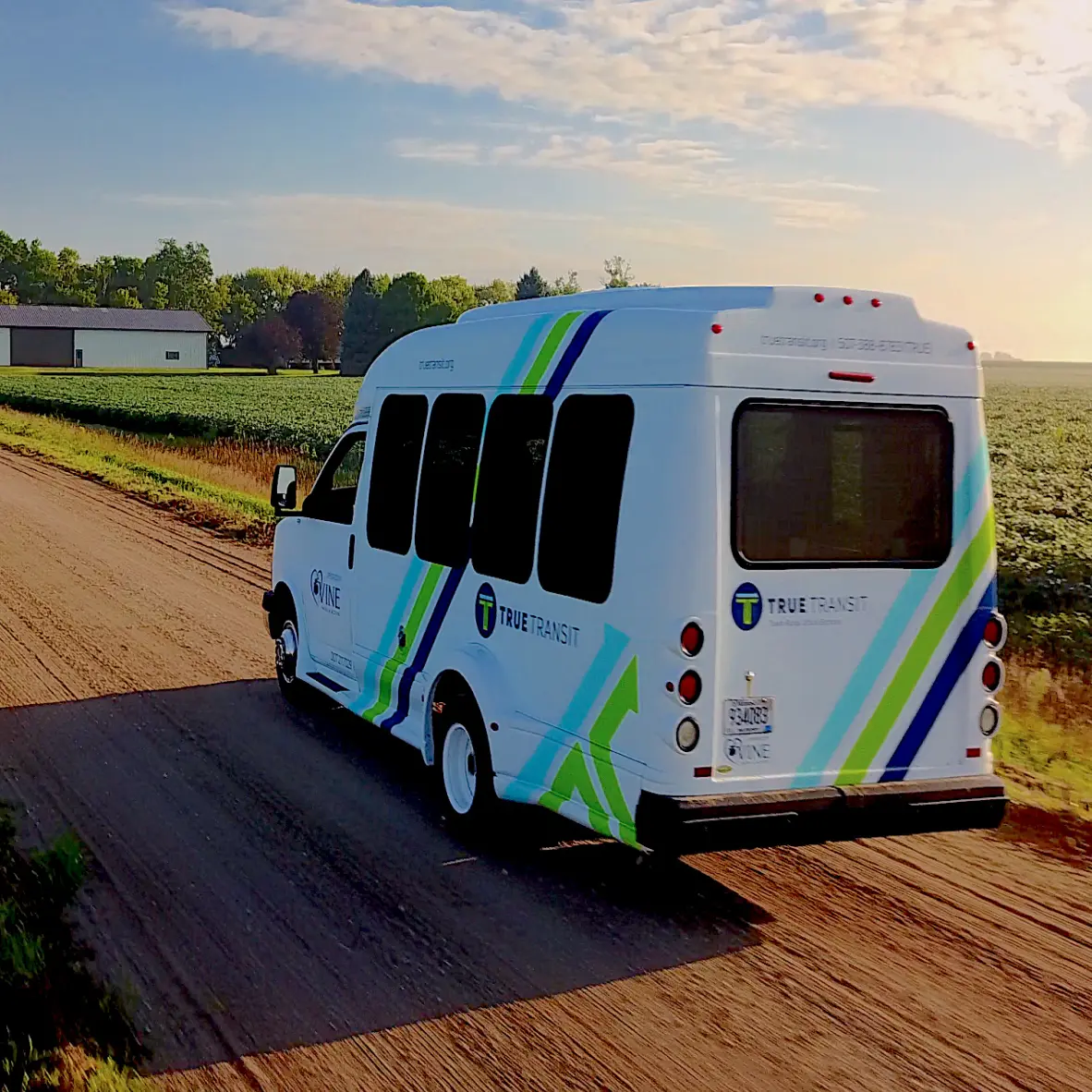
For decades, the conversation surrounding public transportation in the United States has predominantly centered on congested urban corridors, sprawling metropolitan light rails, and municipal bus networks. Yet, far from the gleaming subway platforms of New York, Chicago, or San Francisco, a quieter, more desperate struggle for mobility plays out daily across America’s vast rural landscape. In these low-density areas, public transit is not merely an alternative to driving; it is an essential lifeline connecting isolated populations to healthcare, employment, education, and basic commerce.
Now, that fragile lifeline faces an unprecedented threat. A newly advanced transportation bill spearheaded by congressional Republicans threatens to drastically slash funding and dismantle regulatory frameworks that sustain rural transit systems. While proponents of the legislation argue the measures are necessary for fiscal restraint and streamlining government operations, transportation advocates, regional planners, and rural community leaders warn of catastrophic consequences. According to policy analysts, rural communities—which already struggle to support basic transit infrastructure under the status quo—stand to bear the heaviest burden of these proposed federal rollbacks.
This in-depth report examines the mechanics of the proposed legislation, explores the unique vulnerabilities of rural transit systems, analyzes the cascading economic and social impacts of reduced federal support, and evaluates the contentious political debate shaping the future of American mobility.
Detailed Chronology: The Road to the Legislative Showdown
To understand the gravity of the current transportation bill, one must trace the trajectory of federal funding and legislative priorities that have governed rural mobility over the past decade.
1. The Post-Pandemic Funding Cliff (2021–2024)
In the wake of the COVID-19 pandemic, the federal government injected historic levels of capital into transportation systems nationwide via the Infrastructure Investment and Jobs Act (IIJA). While urban agencies utilized these funds to stave off bankruptcy amid plummeting ridership, rural transit providers—operating under Section 5311 of the Federal Transit Administration (FTA) code—used temporary relief funds to maintain baseline operations, purchase cleaner vehicles, and raise stagnant driver wages. However, as emergency federal outlays steadily dried up by late 2024 and 2025, rural operators found themselves facing a looming "fiscal cliff."
2. Drafting the Conservative Blueprint (Late 2025–Early 2026)
As the congressional majority shifted and budgetary pressures mounted in Washington, House Republicans began formulating a comprehensive legislative package aimed at reining in federal spending. Transportation and infrastructure committees, led by conservative lawmakers, prioritized highway expansion, freight mobility, and deregulation. Within these drafts, public transportation subsidies—particularly those earmarked for non-urbanized areas with low population densities—were targeted for significant spending reductions, block-grant restructuring, and stricter performance metrics.
3. Committee Markup and Floor Debates (Spring–Summer 2026)
By mid-2026, the transportation bill moved from committee discussions to heated markup sessions. Rural advocacy groups, alarmed by provisions that would strip dedicated funding streams and convert them into flexible state-administered block grants, began mobilizing opposition. Critics argued that shifting funds away from mandatory transit outlays would allow state legislatures—often dominated by suburban and rural anti-tax majorities—to divert transit dollars into highway paving projects, starving local vanpool and dial-a-ride programs.
4. The September Showdown (Current Status)
As of September 2026, the bill sits at the center of a fierce legislative battle on Capitol Hill. With the fiscal year coming to a close and deadlines for federal reauthorization looming, the debate has intensified. Lawmakers representing agricultural and remote districts find themselves divided along party lines, caught between party-line fiscal conservatism and the immediate, desperate needs of their constituents who rely on subsidized transit to reach chemotherapy appointments, grocery stores, and regional employment hubs.
Supporting Context & Metrics: The Fragile State of Rural Mobility
To grasp why the Republican transportation bill poses an existential threat, one must examine the stark economic and demographic realities defining contemporary rural America.
The Mathematics of Low Density
Urban transit systems achieve economic viability through high passenger volumes per mile. Conversely, rural transit is defined by long distances, scattered populations, and ultra-low passenger-per-mile ratios. Operating a fixed-route bus or a demand-responsive van service across a county spanning hundreds of square miles is inherently expensive.
According to data compiled by the Community Transportation Association of America (CTAA):
- Funding Reliance: Over 75% of rural transit agencies depend on federal funding formulas (primarily FTA Section 5311) for more than half of their operating budgets. State contributions vary wildly, and local tax bases in economically distressed rural counties are often too small to fill the revenue gap.
- The Demographics of Ridership: Approximately 45% of rural transit riders are seniors aged 65 and older, and another 25% are individuals with disabilities or medical conditions that prevent them from driving. For these populations, public transit is the only alternative to complete isolation or costly institutional care.
- Economic Access: Nearly 30% of rural transit trips are directly tied to healthcare access—dialysis, physical therapy, and routine check-ups—while another 35% connect workers to regional job centers, manufacturing plants, and agricultural facilities.
How the Proposed Bill Undermines the System
The pending legislation impacts rural transit through three primary mechanisms:
- Formula Reductions and Caps: The bill proposes capping federal matching funds for operating expenses, shifting a larger financial burden onto local governments that are already operating on razor-thin margins.
- Elimination of Dedicated Categorical Grants: Programs specifically designed to aid elderly and disabled passengers in non-urban areas (such as the Section 5310 program) are proposed to be folded into broad, discretionary block grants. Transport analysts warn this will pit transit funding directly against road maintenance, bridge repair, and highway expansion, where transit almost always loses.
- Regulatory Hurdles: The legislation introduces stringent administrative reporting requirements and performance-based thresholds. Rural agencies, which often operate with lean administrative staffs of two or three people, will struggle to comply, risking the forfeiture of remaining federal dollars.
Official Statements and Stakeholder Perspectives
The debate over the transportation bill has drawn sharp retorts from lawmakers, advocacy groups, and local transit operators across the ideological spectrum.

Proponents of the Legislation: Fiscal Responsibility and Flexibility
Supporters of the Republican-led bill defend the measures as a necessary course correction to curb federal overspending and empower local decision-making.
"For too long, Washington has dictated top-down mandates that ignore the unique needs of local communities," said a senior Republican committee aide speaking on background. "Our legislation modernizes federal transportation policy by eliminating redundant bureaucratic programs, reducing federal debt, and giving state and local leaders the flexibility to spend taxpayer dollars where they are needed most—whether that means fixing crumbling rural bridges or expanding highway capacity for freight and commuters."
Proponents also argue that market-based solutions, such as public-private partnerships with rideshare companies and volunteer driver networks, can fill gaps more efficiently than traditional government-run bus services in low-density regions.
Critics and Advocacy Groups: A Recipe for Isolation
Conversely, transit advocates and human services organizations argue that treating rural transit as a line item to be trimmed will inflict devastating human costs.
"Rural communities can hardly support transit as it is, and they’ll be hurt worst by Republicans’ transportation bill," stated Maya Lin, senior policy director at the National Rural Transit Coalition. "You cannot apply urban market logic to a county where the nearest grocery store is twenty miles away and the population density is five people per square mile. Cutting these funds doesn’t save money; it simply transfers the cost onto healthcare systems, emergency services, and families forced to choose between paying for gas and paying for medicine."
Local operators echo these concerns, noting that even minor reductions in federal aid force immediate service reductions—such as eliminating Saturday routes, shortening operating hours, or abandoning entire counties altogether.
Future Outlook: What Lies Ahead for Rural Transit?
As Congress hurdles toward legislative deadlines, the fate of rural mobility hangs in the balance. Several potential trajectories lie ahead:

1. The Legislative Compromise
If moderate lawmakers in both parties push back against the deep cuts, negotiations could yield a compromise package. This might involve preserving baseline Section 5311 funding while accepting minor structural reforms or increased reporting requirements. However, even level funding in an era of high inflation represents a de facto budget cut for rural agencies struggling with rising fuel, vehicle, and labor costs.
2. State-Level Disparities
Should the bill pass in its current form, the elimination of dedicated federal funding streams will create a fractured national landscape. States with progressive tax structures and a commitment to multi-modal transportation (such as Washington, Oregon, or Vermont) may step in with state-level subsidies to backfill federal losses. Conversely, in states with conservative legislatures prioritizing highway construction, rural transit systems could experience rapid, catastrophic collapse.
3. The Human and Economic Toll
Ultimately, the fallout will be measured not just in dollars and cents, but in missed medical treatments, unemployed rural workers, and isolated seniors. Without a reliable federal commitment to the infrastructure of mobility, the socioeconomic divide between America’s booming urban centers and its shrinking, neglected countryside is poised to widen dramatically.
As Streetsblog USA continues to monitor developments on Capitol Hill, the fundamental question remains: Will federal policymakers recognize rural transit as an essential public utility, or will budgetary austerity leave America’s most vulnerable rural citizens stranded by the side of the road?