











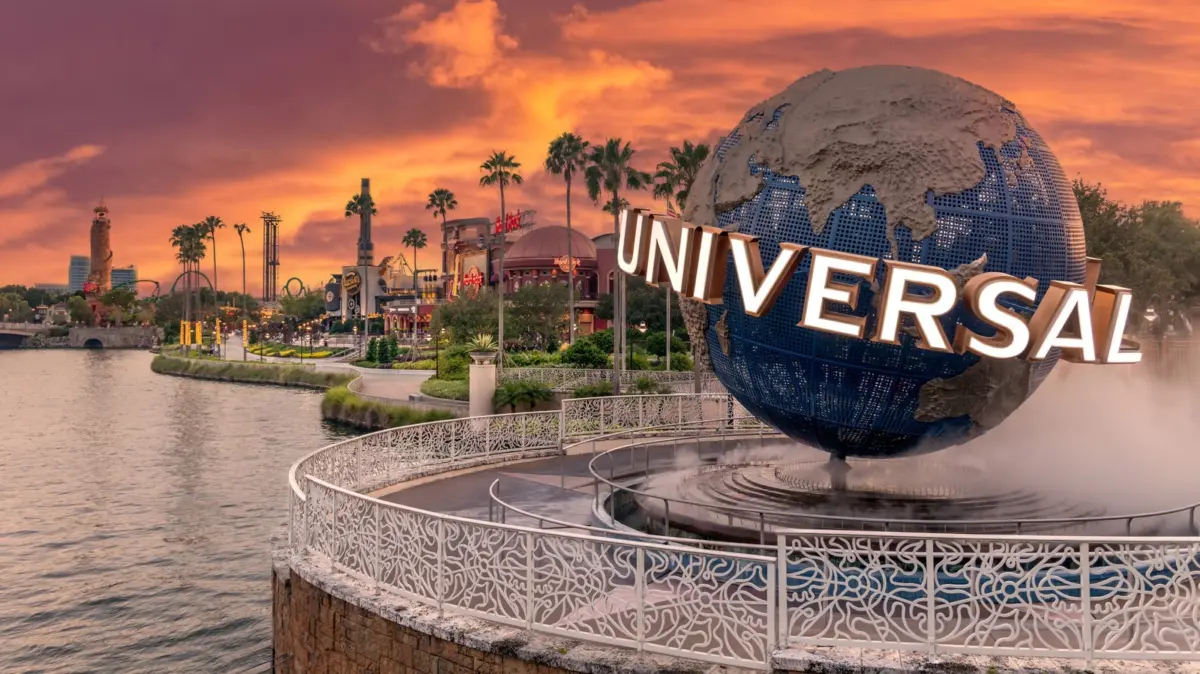
Alongside Disney, Universal Destinations & Experiences stands as one of the most recognizable and ubiquitous theme park brands in the global leisure landscape. What began in 1964 as a single behind-the-scenes studio tour on the backlot of Universal Studios Hollywood—where tourists boarded the iconic "Glamor Trams" to peer into movie magic—has grown exponentially over the past six decades. Today, the enterprise encompasses eight theme park properties distributed across North America and Asia.
The footprint spans the vast expanses of Universal Orlando Resort in Florida—which includes Universal Studios Florida, Islands of Adventure, Volcano Bay water park, and the newly debuted Epic Universe—alongside international destinations such as Universal Studios Hollywood, Universal Studios Japan, Universal Studios Singapore, and Universal Beijing Resort.
In these immersive domains, millions of global travelers step directly into multi-billion-dollar cinematic franchises like Harry Potter, Jurassic Park, Super Mario Brothers, How to Train Your Dragon, and Shrek. Because these properties are strategically positioned near major international population centers, a Universal vacation is accessible via a reasonable flight for a substantial portion of the world’s traveling public.
However, running a multi-national portfolio of world-class theme parks is an exercise in immense logistical complexity. Just as even the most celebrated magic kingdoms face consumer scrutiny, Universal Studios parks generate a robust volume of visitor grievances. To understand the friction points of the modern theme park experience, this report examines nine of the most common visitor complaints leveled against Universal Studios theme parks, drawing upon data from official resort portals, consumer watchdogs, firsthand accounts from TripAdvisor, Reddit, and Facebook, and extensive industry reporting.
Executive Overview
The contemporary theme park consumer is more discerning, cost-conscious, and vocal than ever before. With gate prices rising and multi-day vacations demanding thousands of dollars in discretionary spending, expectations for seamless operations, pristine upkeep, and absolute value are remarkably high. Universal Studios, while celebrated for pushing the envelope of ride engineering and immersive storytelling, is increasingly caught in the crossfire of its own rapid expansion.
From the historic footprints of older regional parks feeling cramped to the soaring costs of line-skipping privileges and strict digital dependencies, the brand faces distinct operational hurdles. This investigation breaks down the core pain points reported by parkgoers globally, categorizes the underlying systemic causes, and provides actionable, expert-backed strategies to help travelers navigate these friction points.
Detailed Chronology & Operational Evolution
To contextualize modern visitor complaints, one must understand the structural evolution of the Universal brand.

- 1964: Universal Studios Hollywood launches its official studio tour, establishing the foundational template for public-facing amusement derived from filmmaking operations.
- 1990: Universal Studios Florida opens in Orlando, transforming the brand from a single studio tour into a multi-day resort destination, though it immediately encounters early logistical and mechanical hurdles.
- 1999–2010: The opening of Islands of Adventure in Orlando, followed by the groundbreaking debut of The Wizarding World of Harry Potter in 2010, permanently alters guest expectations. Universal shifts toward hyper-immersive, highly detailed lands, but inadvertently creates massive capacity bottlenecks and heavy reliance on proprietary screen-based ride systems.
- 2010s–2020s: Universal expands aggressively overseas with Universal Studios Singapore (2010), Universal Studios Japan (2001, expanding heavily with Nintendo integration), and Universal Beijing Resort (2021). Simultaneously, digital transformation initiatives—such as mobile food ordering apps, mandatory digital ticketing, and virtual queue structures—introduce recurring software instability.
- May 2025: Universal Orlando Resort opens its much-anticipated fourth gate, Epic Universe, featuring cutting-edge attractions like Harry Potter and the Battle at the Ministry and the high-speed dueling coaster Stardust Racers.
- Late 2025–2026: While Epic Universe draws immense praise for technological innovation, it simultaneously brings heightened scrutiny regarding ride safety incidents, mechanical adjustments, surging Express Pass pricing, and crowd management strategies across the entire portfolio.
The 9 Common Visitor Complaints
1. The Parks Can Feel Small and Outdated
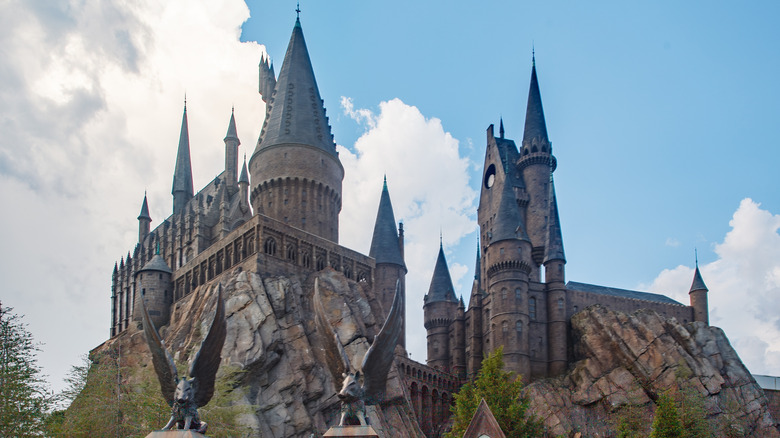
While the opening of Epic Universe in Orlando injected state-of-the-art ride technology and sprawling new lands into the resort’s portfolio, older parks in the system face growing criticism for spatial limitations and aging intellectual property.
Universal Studios Singapore, situated on Sentosa Island, occupies a mere 49 acres—less than half the footprint of Disney’s Magic Kingdom. Visitors frequently report exhausting the park’s offerings within four to five hours. Similarly, legacy areas of Universal Studios Florida and Universal Studios Hollywood have been critiqued by fan communities as feeling like "ghost towns" or suffering from dated ride rotations that no longer reflect modern cinematic relevance.
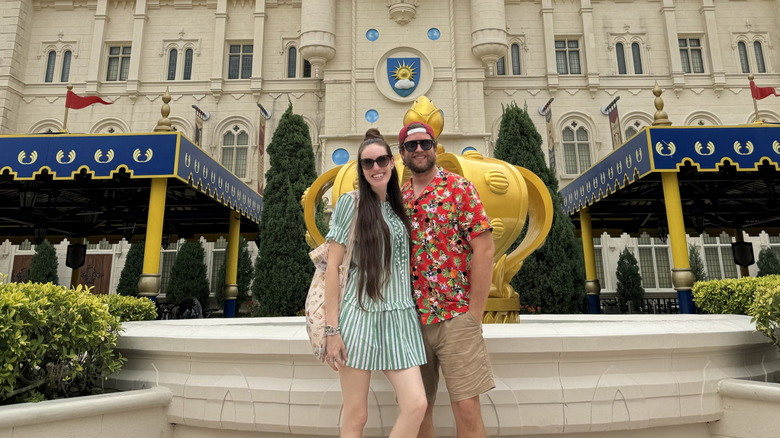
- Strategy for Travelers: Prioritize newer, heavily updated zones such as Super Nintendo World or The Wizarding World of Harry Potter. When visiting smaller international parks like Singapore, temper your schedule expectations to a half-day itinerary and focus heavily on high-yield anchor attractions like Battlestar Galactica or Jurassic Park Rapids Adventure.
2. Certain Rides Can Cause Severe Motion Sickness
Universal has leaned heavily into screen-based, motion-simulated attractions utilizing 3D glasses, projection mapping, and dynamic hydraulic bases. Rides such as Harry Potter and the Forbidden Journey, Transformers: The Ride-3D, The Simpsons Ride, and the King Kong encounters have earned sharp criticism from patrons who prefer traditional physical sets and animatronics.
More concerning for many visitors is the intense physiological toll these systems take. Forbidden Journey in particular is infamous for triggering vestibular disorientation and motion sickness, even in guests who rarely experience travel sickness.
- Strategy for Travelers: Consult ride warning signs and fan forums before boarding simulator-heavy attractions. Proactive measures include taking over-the-counter motion sickness medications like Dramamine or Meclizine, consulting a physician for prescription patches, or utilizing natural remedies such as ginger supplements prior to park entry.
3. Park Safety Has Been Called Into Question
While theme park engineering is governed by rigorous safety standards and millions of guests visit Universal properties annually without incident, high-profile accidents and guest injuries have brought safety protocols under public scrutiny.
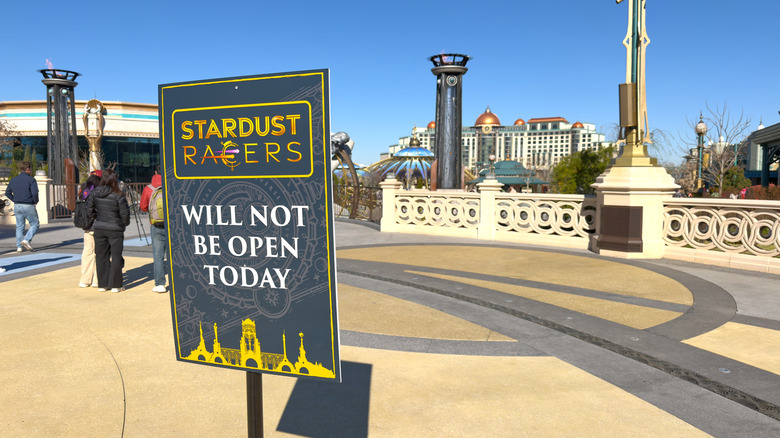
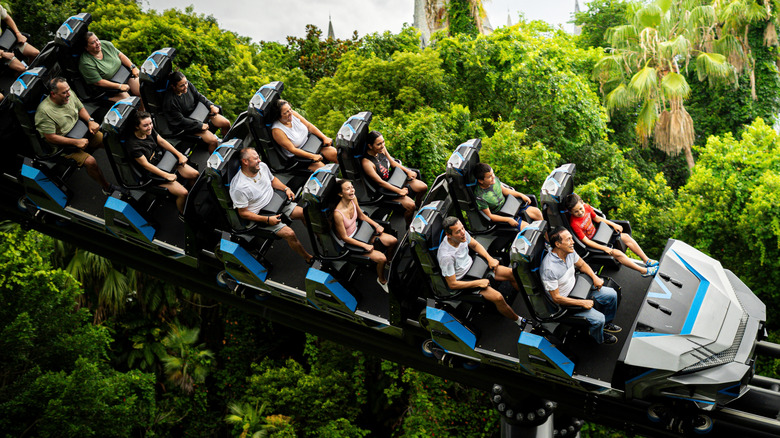
In September 2025, a tragic incident occurred on the Stardust Racers roller coaster at Epic Universe, resulting in the death of a 32-year-old guest from blunt-impact injuries. Though state and park investigations concluded the ride was not mechanically malfunctioning, high-profile legal representation and subsequent lawsuits raised questions about ride intensity, restraint pressures, and potential warning signs. Additional isolated incidents—such as guest injuries on high-speed coasters and historical mechanical failures—have left some visitors uneasy.
- Strategy for Travelers: Theme park rides are statistically very safe, but personal intuition remains a valuable safeguard. If you or a member of your traveling party feel physical apprehension or notice discomfort from ride restraints, exercise your right to step out of the queue. Always strictly adhere to posted health restrictions, height requirements, and physical warning notices.
4. Some Visitors Cannot Fit in Ride Vehicles
A persistent point of friction for plus-size travelers involves Universal’s ride vehicle dimensions and rigid safety restraint designs. Across multiple properties, guests frequently report reaching the boarding platform only to be turned away because lap bars or over-the-shoulder harnesses cannot secure properly.
Because fit depends heavily on individual body proportion, height-to-weight distribution, and muscle mass rather than a uniform clothing size, two people of identical weight may experience vastly different outcomes on rides like Harry Potter and the Escape from Gringotts or The Incredible Hulk Coaster.
- Strategy for Travelers: Universal provides "test seats" outside the queues of nearly all major attractions. Plus-size guests should utilize these demo seats before standing in long lines to verify seat and restraint clearance discreetly and stress-free.
5. Express Passes Are Prohibitively Priced
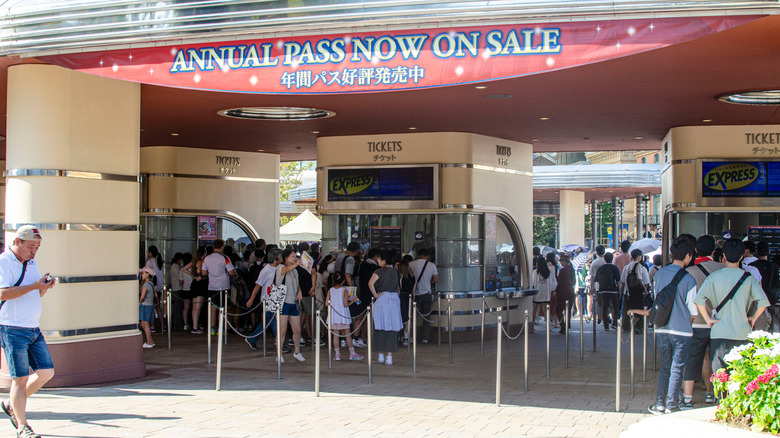
To bypass conventional standby queues, Universal offers the Express Pass system. However, standard and unlimited skip-the-line passes have climbed to extraordinary price points—often ranging from $150 to nearly $400 daily per person depending on the season and park demand.
While guests staying at Universal’s top-tier Signature hotels (such as Hard Rock Hotel or Loews Portofino Bay) receive complimentary Unlimited Express Passes, the baseline cost of these accommodations is inflated. For families traveling in large groups, purchasing individual Express Passes can easily dwarf the cost of base park admission.
- Strategy for Travelers: Weigh the financial investment against your party’s time constraints. If you are visiting during a slow off-peak weekday, Express Passes are rarely necessary. If traveling during peak holiday periods, consider booking a single night at an eligible Universal Signature hotel to secure multi-day Express benefits for your entire travel party.
6. The Park Application Can Be Glitchy
Modern theme park infrastructure relies heavily on companion mobile apps for ticketing, virtual queues, attraction wait times, and mobile food ordering. Unfortunately, Universal’s proprietary apps have earned a reputation for software instability.
Users frequently report frustrating glitches, including account login failures, disassociated ticket barcodes, broken Express Pass linkages, and mobile ordering payment errors. During peak operational periods, these bugs can cause severe bottlenecks at turnstiles and dining counters.
- Strategy for Travelers: Mitigate app dependency by downloading and updating the official resort app at least 48 hours before your trip. Link all tickets well in advance, take high-resolution screenshots of your ticket barcodes, and carry physical paper backup copies and reservation confirmation numbers in your park bag.
7. Strict Locker Requirements Can Be Annoying
Unlike Walt Disney World, where guests are generally permitted to carry small bags and personal items onto the vast majority of attractions, Universal enforces strict containment rules. Thirteen major rides across the Orlando properties prohibit loose articles altogether.
Guests are required to stow phones, cameras, backpacks, and loose items in rental lockers before boarding. Furthermore, rides like VelociCoaster, Incredible Hulk Coaster, and Stardust Racers require guests to pass through metal detectors. Navigating crowded locker bays can easily add 15 to 20 minutes of unexpected delay to your wait time.
- Strategy for Travelers: Adopt a minimalist approach to your park day. Leave bulky backpacks, excessive gear, and unnecessary items at your hotel. If you must bring essentials, utilize small, zippered fanny packs that are explicitly approved on select rides, or assign a non-riding member of your party to hold belongings.
8. Visitors Sometimes Feel Nickel-and-Dimed
Once inside the gates, standard admission covers entry, shows, and standard ride access. However, the accumulation of ancillary costs—such as preferred parking, interactive digital wands, Super Nintendo World Power-Up wristbands, premium character dining experiences, and separately ticketed seasonal events like Halloween Horror Nights—leaves many families feeling financially drained.
- Strategy for Travelers: Establish a dedicated vacation budget before departure. To combat food inflation, pack your own small, permitted snacks and refillable water bottles (subject to local park guidelines; note that Universal Beijing and certain international gates enforce stricter outside-food policies). Research add-on merchandise like interactive wands beforehand so children understand purchasing boundaries.
9. Popular Attractions Command Exceptionally Long Waits
High consumer demand paired with intermittent technical downtime frequently generates massive, multi-hour standby queues for premier attractions like Hagrid’s Magical Creatures Motorbike Adventure or Harry Potter and the Battle at the Ministry. Inconsistent digital wait-time boards and queue surges driven by Express Pass priority can leave standard ticket holders frustrated after hours of waiting.
- Strategy for Travelers: Master the "rope drop" strategy. Arrive at the park turnstiles 30 to 45 minutes before official opening time to access major headliner attractions immediately with minimal wait. Alternatively, monitor app wait times closely during peak afternoon lulls or late evening hours when queues naturally diminish.
Supporting Context & Metrics
To frame these complaints objectively, industry data indicates that guest satisfaction scores across major theme park resorts remain heavily polarized by external economic pressures. According to recent tourism sentiment surveys, operational costs and crowd congestion consistently rank as the top two pain points for vacationers.
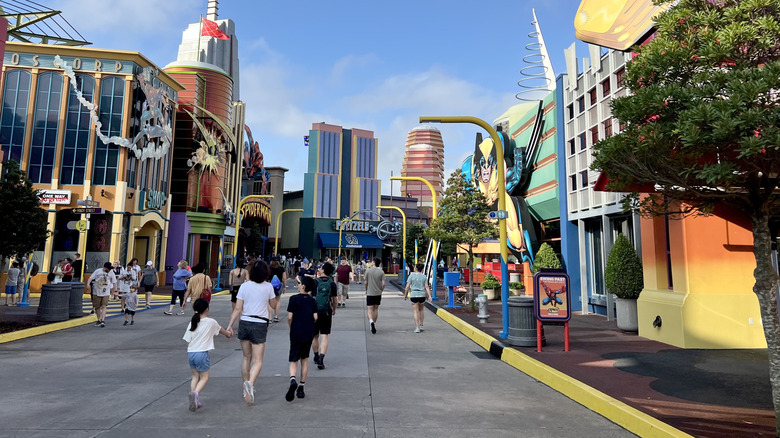
While Universal maintains high marks for creative execution, intellectual property integration, and thrill variety, customer service resolution speeds and digital infrastructure resilience are areas where regular patrons demand continuous improvement. The integration of Epic Universe into the Orlando market has successfully distributed crowds across a larger acreage, yet it has simultaneously heightened consumer expectations for overall resort modernization.
Official Statements & Corporate Response
Universal Destinations & Experiences has continually emphasized its commitment to guest safety, technological innovation, and immersive storytelling. In official communications regarding ride safety and operational integrity, resort representatives maintain that all attractions undergo rigorous, continuous daily testing and meet or exceed state and federal regulatory safety standards.
Regarding accessibility, the expansion of test seats at attraction entrances represents a concerted corporate effort to improve guest communication and transparency. Furthermore, ongoing software updates to regional apps are deployed regularly to address digital synchronization and linking glitches reported by international travelers.
Future Outlook
As the global theme park industry enters a new era defined by rapid technological integration, intellectual property expansion, and shifting consumer demographics, Universal Studios faces both immense opportunity and rigorous oversight.
Looking ahead, the ongoing maturation of Epic Universe and rumored international expansions will test the brand’s ability to scale operations without sacrificing guest comfort. For travelers, understanding these operational friction points—and utilizing proactive mitigation strategies—will remain the key to unlocking a seamless, highly memorable theme park vacation.


