The automotive landscape is undergoing a profound and pragmatic transformation. For years, the electric vehicle (EV) revolution faced a steep psychological and financial barrier: prohibitive sticker prices. Early adopters watched in dismay as luxury-tier EVs—such as early Tesla Model Y variants approaching $66,000, or heavy-duty electric pickups commanding upward of $70,000—suffered devastating depreciation drops. Coupled with intense political friction and the eventual rollback of federal incentives, mainstream consumers treated EVs with skepticism, viewing them as overpriced novelty items rather than practical utility vehicles.
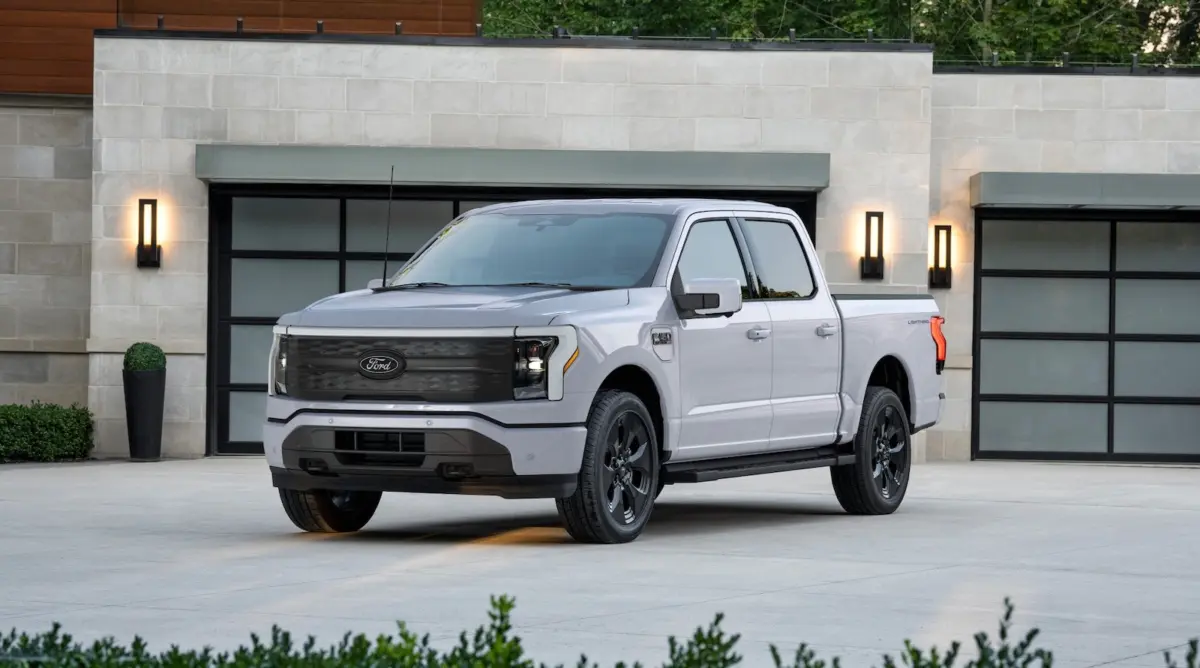
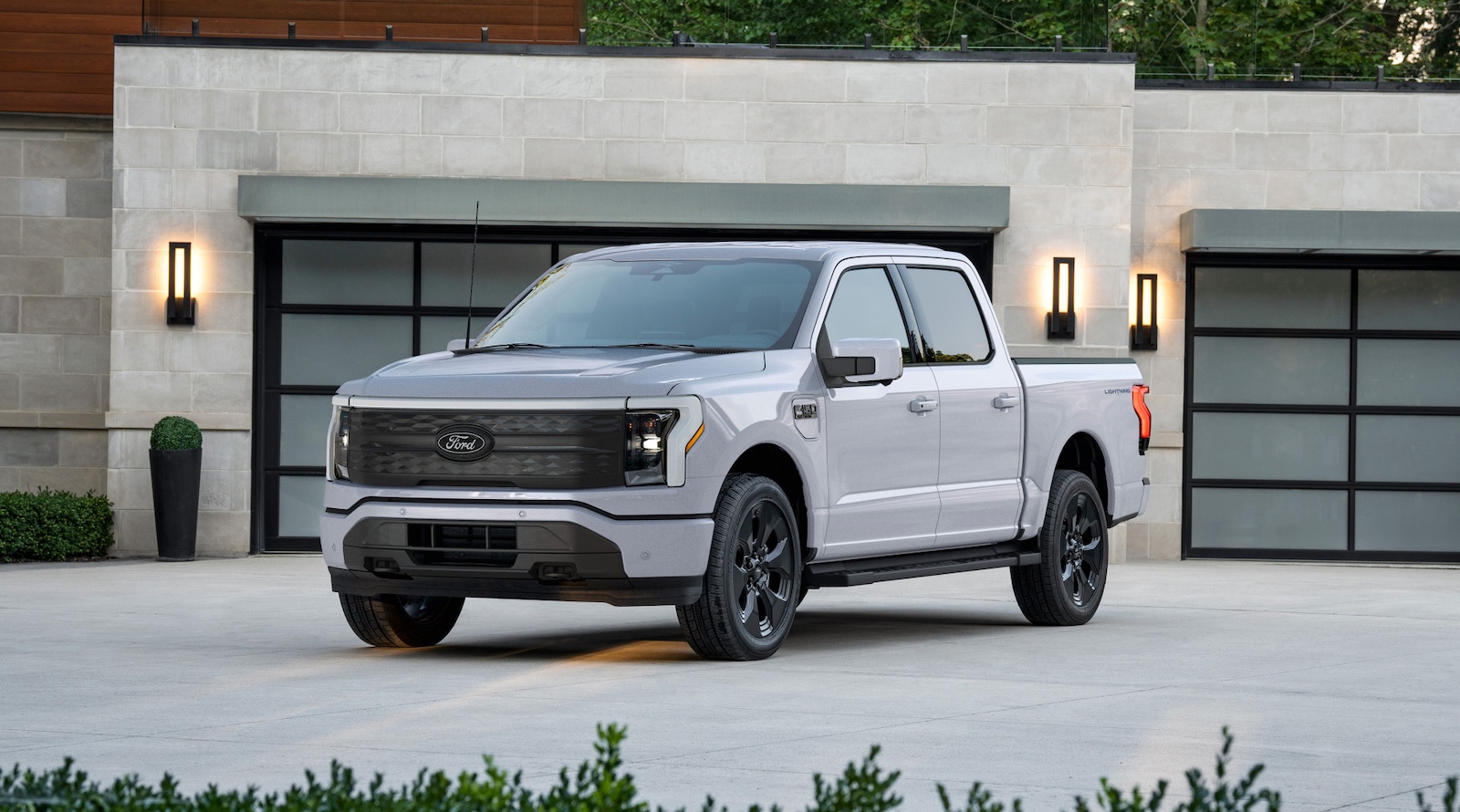
Today, however, the narrative has shifted dramatically. Driven by soaring fossil fuel costs, stabilizing inventory, and market-driven price corrections, the pre-owned electric vehicle market is experiencing an unprecedented boom. Leading the charge is the Ford F-150 Lightning, which has transitioned from an expensive, highly scrutinized luxury utility into one of the most coveted, rapidly moving assets in the American used car market.
This deep dive explores how economic pressure, total-cost-of-ownership realities, and shifting consumer behavior are reshaping the American transportation sector, moving EVs out of the realm of climate activism and squarely into the mainstream economy.
Detailed Chronology: From Early Exclusivity to the Used Market Boom
The Era of Prohibitive Pricing (2012–2024)
At the dawn of the modern EV movement, automakers leaned heavily into early-adopter enthusiasm and strong initial demand, pricing battery-powered vehicles at a premium.
2012: The introduction of foundational plug-in hybrids and EVs, such as the Chevrolet Volt, routinely pushed past the $40,000 threshold—a formidable price point for the average family sedan buyer.
Peak Pricing Years: As battery supply chains tightened and global demand surged, marquee vehicles reached staggering peaks. A Tesla Model Y soared to $66,000, while utility workhorses like the Ford F-150 Lightning routinely priced out blue-collar buyers at $70,000 or more.
The Depreciation Shock: Because initial buyers absorbed massive upfront costs, early EV owners faced catastrophic depreciation. Vehicles frequently lost half their value within a single year of ownership, leaving consumers frustrated and wary of future investments.
The Regulatory and Political Pivot (2024–2025)
Concurrently, the regulatory landscape shifted. In the United States, legislative and state-level resistance intensified. Lawmakers and regional factions pushed back aggressively against federal subsidies for EVs and public charging buildouts, framing incentives as government overreach.
Despite these headwinds—and the eventual expiration of federal tax credits in late 2025—market forces began to correct organically. The rush of consumers trying to secure subsidies before their expiration pulled forward demand, briefly masking a subsequent stabilization period. When the dust settled, the industry was forced to pivot toward structural affordability, laying the groundwork for true market-driven adoption.
The Present Renaissance: The F-150 Lightning Moment
By 2026, the intersection of high gas prices, plummeting used EV valuations, and consumer pragmatism created a perfect storm. The Ford F-150 Lightning stands at the center of this movement. Now trading at 50% to 60% of its original sticker price, the electric pickup has transformed into a high-demand commodity.
Rather than sitting on dealership lots for months as traditional used inventory often does, pre-owned Lightnings are turning over in an astonishing 20 days—roughly half the industry average for standard pre-owned vehicles.
Supporting Context & Metrics: Economics Favor EVs
The resurgence of the electric vehicle market is rooted entirely in cold, hard economics. As geopolitical tensions drive petroleum prices skyward, consumers are re-evaluating their monthly budgets through the lens of total cost of ownership (TCO).
The Math of Total Cost of Ownership
In a monthly payment-driven economy, vehicle affordability extends far beyond the dealership sticker price. Traditional internal combustion engine (ICE) pickups—such as the Ford F-150 King Ranch or high-trim Premium models—command between $66,000 and $69,000. While these gas-powered equivalents offer familiar refueling ranges, their vulnerability to volatile fuel prices exacts a heavy toll on everyday drivers.
Conversely, pre-owned electric trucks bridge the value gap. Trading in the $40,000 range, a used F-150 Lightning provides comparable luxury, staggering acceleration (outpacing many sports cars), and radical utility—including massive front trunks (frunks) and vehicle-to-home (V2H) power capabilities capable of running household appliances during grid outages.
Market Intelligence Metrics
Industry data underscores this profound shift in buyer sentiment:
Turnover Velocity: Used F-150 Lightnings fly off dealer lots in approximately 20 days. Dealership networks that previously wholesaled these trade-offs are now retaining them for in-house inventory to satisfy ravenous local demand.
Price Parity: Pre-owned EVs are rapidly approaching price parity with legacy gas-powered used cars, frequently offering newer model years and significantly lower mileage profiles.
The Fuel Price Correlation: Independent dealerships report a direct mathematical correlation between spikes at the gas pump and foot traffic on EV lots. Gas-guzzling trade-ins are flooding dealership lots as drivers aggressively seek insulation from volatile petroleum markets.
Official Statements & Industry Perspectives
Industry leaders and market analysts have captured the psychological and economic evolution currently sweeping the pre-owned and new vehicle landscapes:
"The surging demand shows that there is plenty of appetite for electric trucks among US drivers, provided the pickups aren’t too expensive. When Ford was selling it brand new, the math was complicated; but used, the Lightning is 50 to 60 percent of the sticker price and that is really a sweet spot. It’s an incredible truck for the money."
— Jimmy Douglas, CEO of Plug (Wholesale EV Dealer)
Douglas emphasizes that the era of ideological purchases has given way to pure pragmatism:
"This is not climate activism or early technology adopters any longer. Now, for many Americans, an electric vehicle is the most compelling vehicle they can afford."
Kevin Roberts, Director of Market Intelligence at CarGurus, reinforces this sentiment, noting:
"Used EV demand has shown customers are willing to consider electric when the value proposition is right."
On the ground level, traditional dealership skepticism is evaporating. Steve Renard, Executive Manager of Infiniti of Tacoma, observes:
"Overall, the skepticism on the EV segment is all but gone. Now, it’s not that difficult to show an EV to a gas customer. That never used to happen."
From a macroeconomic standpoint, Cox Automotive’s Stephanie Valdez Streaty notes that long-term stabilization relies on sub-$45,000 price points and ongoing improvements in public charging infrastructure.
Future Outlook: The Road Ahead
While the pre-owned market is surging, the new EV sales segment continues to navigate a complex transitional phase. Recent sales reports indicate temporary soft spots and declines for specific new models, including the Hyundai Ioniq 5, the Chevrolet Bolt, and various electric luxury nameplates. However, anomalies like the Toyota bZ series demonstrate that consumer appetite remains selectively robust.
Looking forward to 2027 and beyond, the trajectory of the North American electric vehicle market points toward deliberate consolidation and targeted manufacturing. Automakers are applying hard-earned lessons from early missteps.
The Next Generation of Trucks: Ford is already looking past the initial Lightning era, preparing to launch the all-new battery-electric Fathom midsize pickup truck in 2027, with aggressive internal projections targeting 100,000 annual sales. By focusing on form factors that natively appeal to traditional truck buyers, legacy manufacturers are aligning product engineering with market demand.
Infrastructure and Affordability: As the dust settles from expired federal subsidies and volatile political rhetoric, the long-term prognosis for electrification rests on a simple formula: lower initial manufacturing costs, expanded charging density, and undeniable operational savings.
The EV revolution is no longer a speculative future fueled by early adopters and subsidies; it is rapidly becoming the most sensible financial choice for the everyday driver navigating an unpredictable economic landscape.