Executive Overview
In an era where urban centers worldwide grapple with the pressing challenges of climate change, air pollution, and municipal waste management, Dundee, Scotland, has emerged as a beacon of forward-thinking urban planning. According to a comprehensive 2024 analysis conducted by Waste Direct—which evaluated 40 cities across the United Kingdom using stringent metrics from Numbeo and the World Population Review—Dundee was officially named the cleanest city in the UK.
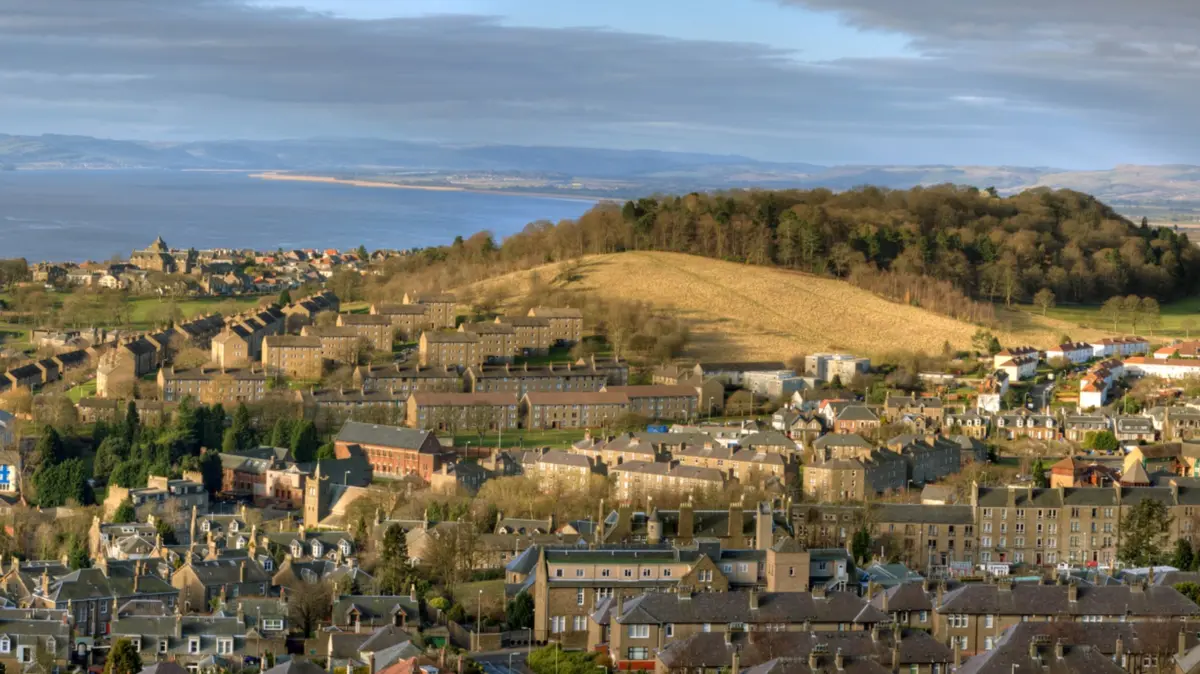
Beyond its spotless streets and minimal litter, the city boasts an extraordinary natural asset: a staggering 41% of its urban footprint consists of publicly accessible green space. This represents the highest proportion of any city in Scotland. Far from being a historical industrial casualty, Dundee has successfully reinvented itself into a harmonious blend of cutting-edge culture, maritime heritage, and lush, meticulously maintained natural reserves.
This report investigates the convergence of municipal policy, community mobilization, and geographical good fortune that propelled Dundee to the top of national environmental rankings. Furthermore, it explores the specific parks, nature reserves, and civic initiatives that make this coastal destination an unmissable stop for travelers seeking both urban sophistication and ecological immersion.

Detailed Chronology: The Evolution of Dundee’s Green Revolution
To understand Dundee’s triumph as the UK’s cleanest and greenest city, one must trace the deliberate trajectory of its urban transformation. For decades, Dundee was defined primarily by its robust industrial past—centered on jute, jam, and journalism. However, the decline of heavy industry left behind pockets of disused land and environmental challenges that local authorities and citizens were determined to address.
The Foundation Years (Late 20th Century)
As traditional manufacturing gave way to a service- and knowledge-based economy—spurred by the rise of its universities and the later establishment of institutions like the V&A Dundee—civic leaders recognized that economic revitalization required parallel environmental renewal. The seeds of Dundee’s modern green network were planted decades prior, notably through the mid-century development of sites like the Barnhill Rock Garden in the 1950s, which transformed a stretch of volcanic shoreline into a horticultural haven.
The Shift Toward Sustainability (2010s)
Throughout the 2010s, Dundee City Council intensified its focus on carbon reduction, waste management optimization, and the preservation of natural habitats. The integration of the Dundee Green Circular Cycle Path created a unified artery connecting disparate green spaces, encouraging non-motorized transit and reducing urban congestion. Parks that had previously suffered from underfunding were systematically upgraded, leading to an accumulation of prestigious accolades, most notably the Green Flag Awards administered by Keep Scotland Beautiful.
The 2024 Recognition and Current Status
The watershed moment arrived with the 2024 Waste Direct study. By systematically evaluating cities across parameters such as air purity, drinking water standards, garbage disposal efficiency, and noise pollution control, the study confirmed what local residents already knew: Dundee was operating at an elite environmental level. Earning a near-flawless score for its air and water quality, alongside an impressive 80 out of 100 for green space quality, the city solidified its international reputation. Today, initiatives like the "Take Pride in Your City" campaign continue to drive civic engagement, ensuring that Dundee’s environmental standards remain peerless into the mid-2020s and beyond.

Supporting Context & Metrics: Breaking Down the Data
Dundee’s ascent to the top of national environmental indices is supported by hard data. The Waste Direct research evaluated several key urban indicators, revealing why the city outperformed larger metropolises like London, Manchester, and Edinburgh in specific categories.
Key Analytical Metrics
- Total Public Green Space: 41% of the city’s total area is dedicated to accessible green space, placing it first among all Scottish municipalities.
- Green Flag Award Density: Eight distinct Dundee parks proudly hold the Green Flag Award, a testament to high standards of horticultural maintenance, safety, and community access. Notably, the Barnhill Rock Garden secured its 20th consecutive Green Flag Award in 2026, underscoring decades of sustained excellence.
- Air and Water Quality: Dundee achieved the highest combined air and water purity indices in the 2024 Waste Direct study, outperforming peer cities that struggle with vehicular emissions and industrial runoff.
- Green Space Quality Index: The city scored an exceptional 80/100 for the quality, accessibility, and biodiversity of its parks and recreational zones.
Geographic and Topographical Advantages
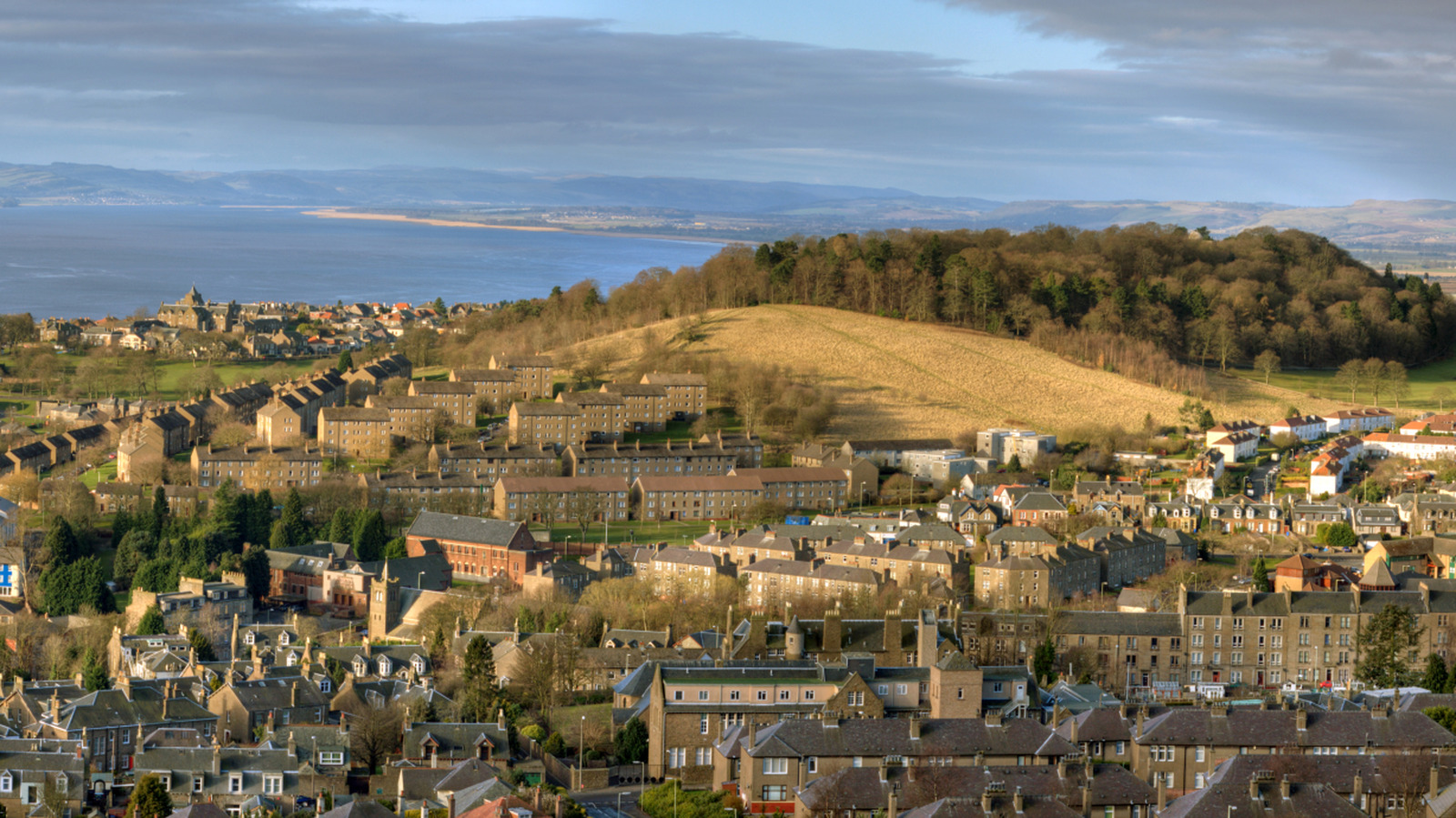
Dundee’s unique geography contributes significantly to its environmental health. Situated on the north bank of the Firth of Tay, the city benefits from natural coastal breezes that continuously disperse airborne pollutants, maintaining the pristine air quality noted in the Numbeo data. Furthermore, its topography—featuring striking geological formations like the volcanic outcrop of Dundee Law—allows for elevated panoramic vistas and natural drainage systems that naturally segment the urban landscape into distinct, easily navigable green corridors.
Official Statements and Civic Initiatives
The transformation of Dundee is not merely a byproduct of geography; it is actively maintained through structured partnerships between local government agencies, non-profit organizations, and everyday residents.
The "Take Pride in Your City" Campaign
At the heart of municipal cleanliness is Dundee City Council’s flagship initiative, Take Pride in Your City. This program moves beyond traditional top-down municipal cleaning by directly empowering residents and community groups. A cornerstone of the campaign has been the establishment of decentralized Litter Picking Hubs across the city. These hubs supply free clean-up equipment, gloves, and bags to volunteers, fostering a grassroots culture of stewardship.
In an official statement regarding the city’s cleanliness standards, local council representatives emphasized that municipal enforcement must be paired with community pride:
"Our high standings in national environmental indices are a direct reflection of both our dedicated sanitation workforce and the passionate residents who refuse to let litter mar our shared spaces. Keeping Dundee clean is a collaborative daily commitment."
Environmental Partnerships
Organizations such as Keep Scotland Beautiful play a vital role in validating these local efforts. By awarding Green Flag status to parks ranging from urban community spaces to remote nature reserves, these independent bodies ensure that Dundee’s green infrastructure meets rigorous international benchmarks for sustainability, community involvement, and environmental management.
Exploring Dundee’s Green Spaces: A Traveler’s Itinerary
For visitors accustomed to the concrete jungles of major European capitals, Dundee offers a refreshing counter-narrative. The seamless integration of nature into daily urban life means that a traveler can transition from exploring world-class museums to hiking up an ancient volcanic hill in a matter of minutes.
1. Dundee Law: The Volcanic Sentinel
Rising 572 feet above the city center, Dundee Law is the defining geographical feature of the urban landscape. Ranked at the top of local nature attractions on platforms like Tripadvisor, the hill is an extinct volcanic plug that offers panoramic views stretching across the Firth of Tay and out toward Fife.
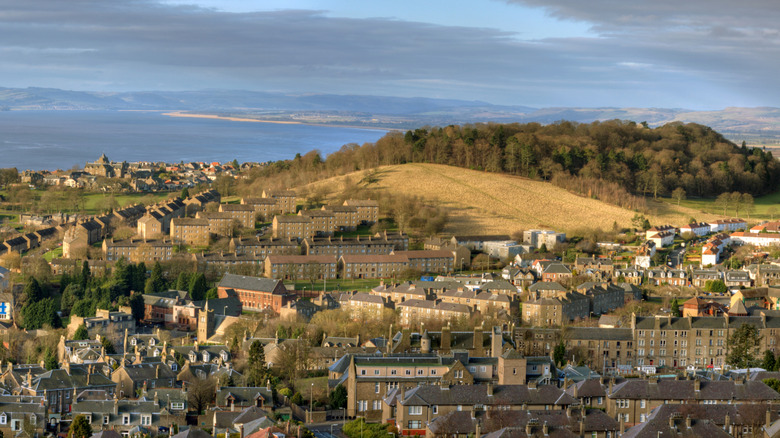
Walking paths and stone steps wind their way through native wildflowers and grassy meadows to the summit, where an observation point and a historic war memorial await. It serves as an ideal urban escape, allowing hikers and casual walkers alike to enjoy unspoiled nature without ever truly leaving the city.
2. Barnhill Rock Garden: Horticultural History by the River
Located in the seaside suburb of Broughty Ferry, the Barnhill Rock Garden represents a masterclass in creative landscape architecture. Established in the 1950s upon an old stretch of volcanic shoreline, this award-winning garden features winding stone pathways, tranquil ponds, and rare alpine and coastal flora. Its prime position adjacent to the River Tay makes it a favorite destination for birdwatchers and wildlife enthusiasts—visitors frequently report sightings of seals basking along the riverbanks.
3. Trottick Mill Ponds Local Nature Reserve: Industrial Heritage Reclaimed
For those looking to venture slightly off the beaten tourist path, the Trottick Mill Ponds Local Nature Reserve offers an intimate glimpse into the harmonious coexistence of nature and industrial history. Originally constructed to supply water to a historic bleach works, the ponds and surrounding woodlands have been thoroughly reclaimed by local wildlife.
Today, visitors can spot swans, herons, newts, and bats while traversing the tranquil walking trails. The reserve is also a key node along the Dundee Green Circular Cycle Path, making it easily accessible for cyclists looking to explore the city’s outer perimeter.
For travelers wishing to expand their Scottish itinerary further, Dundee acts as an ideal gateway. Situated just a short trip from Edinburgh and within a 45-minute drive of dramatic regional landscapes like the Lomond Hills, the city bridges the gap between urban convenience and wild Scottish adventure.
Future Outlook
As Dundee looks toward the future, its municipal leaders and environmental planners face the challenge of sustaining these hard-won accolades amid shifting climate pressures and urban growth. Plans are already underway to further expand the city’s biodiversity corridors, enhance cycling infrastructure, and integrate smart-city waste management technologies to reduce landfill reliance.
By proving that industrial heritage and ecological pristine conditions are not mutually exclusive, Dundee has established a new benchmark for British urbanism. For residents, it offers an exceptionally high quality of life; for travelers, it provides a compelling, clean, and deeply green destination that redefines what a modern Scottish city can be.