







Executive Overview
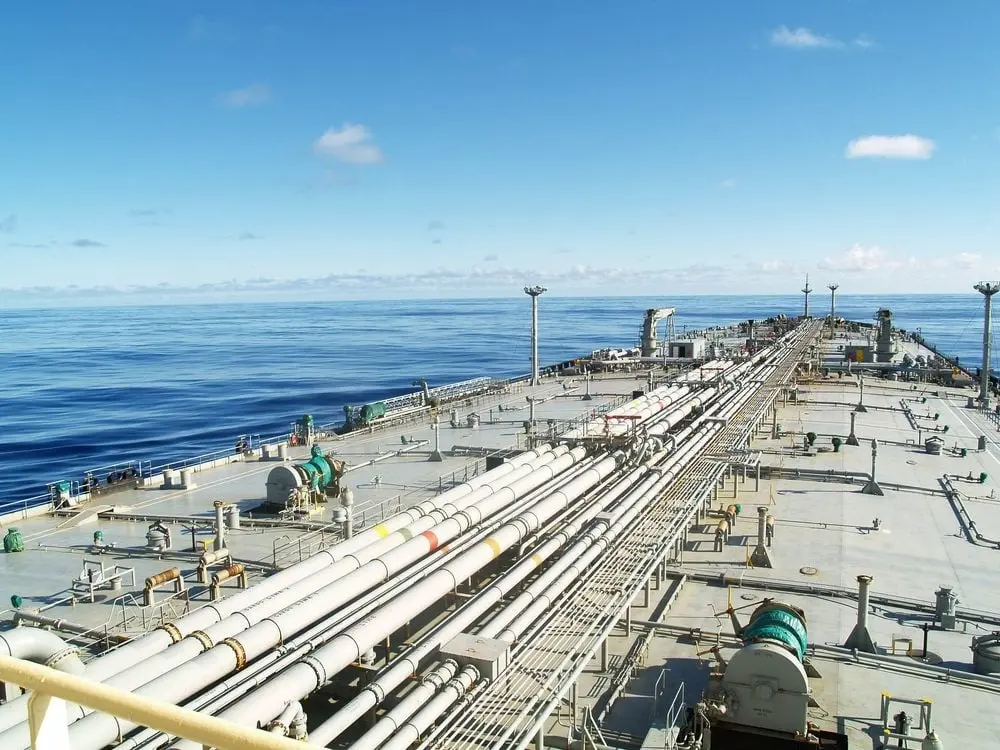
In a strategic move that highlights the evolving relationship between commodity trading giants and physical maritime assets, Trafigura Group has announced the launch of Volare Shipping Ltd. This newly established, Singapore-incorporated tanker spin-off is poised to consolidate Trafigura’s expanding footprint in the Very Large Crude Carrier (VLCC) sector. To fund this ambitious maritime vehicle, Trafigura is spearheading a private placement aiming to raise approximately $500 million, with immediate plans to list the company’s shares on the Euronext Growth Oslo exchange under the ticker symbol “VLCC.”
                       TRAFIGURA GROUP
                              │
                    (Majority Shareholder &
                     Commercial Manager)
                              │
                              ▼
                     VOLARE SHIPPING LTD.
                 (Incorporated in Singapore)
                              │
         ┌────────────────────┴────────────────────┐
         ▼                                         ▼
   Active Fleet                            Newbuild Pipeline
 (6 Modern VLCCs)                       (8 Dual-Fuel Newbuilds)
                                            [Delivery -> 2028]
This corporate maneuver represents a classic maritime financial playbook: carving out capital-intensive steel assets into a separately capitalized, publicly traded entity while retaining operational and commercial control. Trafigura will maintain a majority stake in Volare, routing the vessels directly into its global wet freight trading book.
The transaction comes at a critical juncture for the global tanker market. Geopolitical volatility, changing trade routes, and a historically low orderbook have combined to drive VLCC earnings to historic highs. By opening its modern, highly specialized VLCC fleet to public equity markets, Trafigura is capitalizing on investor appetite for yield and pure-play exposure to crude shipping. Simultaneously, the trader is de-risking its own balance sheet by outsourcing a portion of the heavy capital expenditure required for its extensive newbuilding program.
Detailed Chronology
The genesis and rapid-fire listing path of Volare Shipping Ltd. reflect the fast-paced nature of modern ship finance. Below is the chronological blueprint of the transaction, from corporate structuring to the targeted trading debut:
[Singapore Incorporation] ──► [Private Placement ($500M)] ──► [Euronext Growth Oslo Listing] ──► [Trading Debut (Oct 5)]Phase 1: Corporate Formation and Fleet Allocation
Trafigura quietly structured Volare Shipping Ltd. as a proprietary corporate vehicle incorporated in Singapore—a jurisdiction favored for its tax efficiency, robust maritime legal framework, and proximity to major Asian oil discharge terminals. Trafigura seeded the new entity with a baseline fleet of six modern VLCCs already operating on the water, alongside the contracts for eight state-of-the-art newbuilds currently booked at premier Asian shipyards.
Phase 2: The $500 Million Private Placement
To transition Volare from a wholly owned subsidiary to an independent public entity, Trafigura initiated a private placement targeting $500 million. This capital raise is designed to fully fund the remaining equity requirements and capital expenditure milestone payments for the eight newbuild vessels scheduled for delivery through 2028. By securing these funds prior to listing, Volare enters the public market without the overhang of unhedged capital commitments.
Phase 3: The Oslo Listing and Trading Debut
Subject to standard regulatory approvals from the Oslo Stock Exchange and the successful closing of the private placement, Volare is scheduled to commence trading on Euronext Growth Oslo on or about October 5. The company will trade under the ticker symbol "VLCC," offering public markets a pure-play investment vehicle focused entirely on the largest class of crude tankers.
Phase 4: Fleet Expansion and Maturity (2024–2028)
As the eight newbuilds are progressively delivered from shipyards over the next four years, Volare’s fleet will expand from six to fourteen vessels. By October 2028, when the final newbuild is scheduled to join the fleet, the average age of Volare’s 14-strong VLCC fleet will be a remarkably low three years, positioning the company as one of the youngest and most fuel-efficient heavy tanker operators globally.
Supporting Context & Metrics
The Volare Fleet Profile: Technical Specifications and Versatility
The fleet design of Volare Shipping represents a departure from standard, commoditized VLCC designs, prioritizing cargo flexibility and environmental compliance:
- The Core Fleet: Comprises 14 VLCCs (6 on the water, 8 on order).
- Enhanced Cargo Flexibility: The eight newbuild vessels are designed to be slightly larger than standard VLCCs. Crucially, they are being built with specialized internal tank coatings and advanced heating systems. While traditional VLCCs are strictly limited to carrying unheated, raw crude oil grades, Volare’s enhanced vessels will be capable of transporting a broader spectrum of liquid cargoes, including heavy fuel oils, vacuum gas oil (VGO), and specialized feedstocks.
- Future-Proof Propulsion: In line with tightening International Maritime Organization (IMO) carbon intensity regulations, the newbuilds will feature dual-fuel propulsion systems designed to be "ammonia-ready." This allows Volare to transition its fleet to zero-carbon green ammonia propulsion once the global supply chain and engine technologies mature, shielding the company from future regulatory obsolescence.
┌──────────────────────────────────────────────────────────┐
│              Volare VLCC Fleet Evolution                 │
├──────────────────────────────┬───────────────────────────┤
│ Active Fleet (On the Water)  │ 6 VLCCs                   │
├──────────────────────────────┼───────────────────────────┤
│ Newbuilds (Delivery -> 2028) │ 8 VLCCs                   │
├──────────────────────────────┼───────────────────────────┤
│ Total Projected Fleet        │ 14 VLCCs                  │
├──────────────────────────────┼───────────────────────────┤
│ Average Fleet Age (Oct 2028) │ ~3.0 Years                │
└──────────────────────────────┴───────────────────────────┘
Trafigura’s Broader Shipping Footprint
Trafigura is not merely a passive financial sponsor; it is one of the world’s largest charterers and operators of wet and dry bulk tonnage. The group manages an active fleet of approximately 500 vessels across various asset classes, of which approximately 250 are oil tankers.
By retaining commercial management of the Volare fleet, Trafigura ensures that these 14 premium VLCCs remain integrated into its global trading network. This setup guarantees Volare high utilization rates through Trafigura’s internal cargo flows, while Trafigura retains access to a captive fleet of modern, highly efficient tankers without carrying the full weight of the physical assets on its corporate balance sheet.
       TRAFIGURA GLOBAL MANAGED FLEET (~500 Vessels)
┌─────────────────────────────────────┬─────────────────────────────────────┐
│          Oil Tankers (~250)         │       Dry Bulk & Others (~250)      │
│  (Including Volare's 14 VLCCs)      │                                     │
└─────────────────────────────────────┴─────────────────────────────────────┘
Why Oslo? The Maritime Capital Market
The choice of Euronext Growth Oslo as the listing venue is highly strategic. Oslo has long been recognized as the premier global hub for maritime capital and ship finance. The exchange offers several distinct advantages for a company like Volare:
- Deep Sector Expertise: Oslo’s investment community, analyst pool, and investment banks possess a sophisticated understanding of shipping cycles, asset values, and macroeconomic drivers.
- Efficient Capital Mobilization: The Norwegian OTC and Euronext Growth markets are structured to facilitate rapid, high-volume private placements with lower administrative hurdles than US exchanges, allowing issuers to capture favorable market windows quickly.
- Peer Group Valuation: Oslo hosts a critical mass of peer companies (such as Frontline, Hunter Group, and Okeanis Eco Tankers), ensuring that Volare will be benchmarked accurately against comparable premium tanker operators.
The Macroeconomic Backdrop: A VLCC Supercycle
The launch of Volare comes amid a highly favorable market environment for crude tanker owners, driven by structural supply constraints and geopolitical disruptions:
- The Geopolitical Risk Premium: Escalating tensions and disruptions around key maritime chokepoints, notably the Strait of Hormuz and the Bab-el-Mandeb/Red Sea corridor, have forced tankers to take longer, alternative routes around the Cape of Good Hope. This ton-mile expansion effectively reduces global vessel supply, driving spot freight rates upward.
- Astronomical Daily Earnings: These disruptions, combined with inelastic demand for crude transport, have pushed spot earnings on key long-haul routes toward—and occasionally above—the psychological threshold of $1 million per day for short, highly volatile periods, with average sustainable spot rates remaining highly profitable.
- The Supply Bottleneck: The global shipyard orderbook for VLCCs remains near historic lows. For several years, shipyards in South Korea and China prioritized high-margin LNG carrier and container ship orders, leaving minimal berth space for crude tankers. Consequently, the supply of new VLCCs entering the global market over the next three years is extremely constrained, supporting strong freight rates for existing modern tonnage.
Official Statements
The leadership teams of both Trafigura and Volare Shipping have expressed strong confidence in the timing and structural design of the spin-off, emphasizing asset modernization and market fundamentals.
Andrea Olivi, Trafigura’s Global Head of Shipping and newly appointed Chairman of Volare Shipping, detailed the strategic rationale behind the joint venture:
"Trafigura’s growing footprint in the VLCC segment has revealed a clear opportunity to invest further in modern tonnage, alongside outside investors. We see highly supportive long-term fundamentals for crude oil transportation. Furthermore, we view Oslo’s shipping-focused capital market as the ideal platform for expanding the fleet and accessing highly liquid, specialized maritime capital."
Alexandre Duff, Chief Executive Officer of Volare Shipping, emphasized the financial security and long-term viability of the company’s capital structure:
"Once the remaining newbuild vessels are delivered, we will own 14 modern VLCCs. The contemplated private placement will fully fund our current newbuilding programme. This ensures that our investors are entering a vehicle with zero funding risk regarding our existing orderbook, allowing us to focus entirely on operational excellence and capitalizing on an exceptionally strong market cycle."
Future Outlook
The launch of Volare Shipping Ltd. represents a broader trend of structural transformation within the global energy supply chain. As the transition to cleaner energy sources progresses alongside continued demand for crude oil, Volare’s dual-pronged strategy of cargo flexibility and ammonia-ready propulsion positions it well for the future.
       VOLARE SHIPPING: TWO-PILLAR STRATEGY FOR THE FUTURE
┌─────────────────────────────────────────┬─────────────────────────────────────────┐
│        Medium-Term Optimization         │          Long-Term Transition           │
├─────────────────────────────────────────┼─────────────────────────────────────────┤
│ • Premium spot earnings via Trafigura   │ • Ammonia-ready dual-fuel propulsion    │
│ • Tank coatings for cargo flexibility   │ • Ultra-young fleet (avg. 3 years)      │
│ • High utilization in tight markets     │ • Decarbonization regulatory compliance │
└─────────────────────────────────────────┴─────────────────────────────────────────┘
Decarbonization and Fleet Modernization
By ensuring that its eight newbuilds are equipped with ammonia-ready dual-fuel engines, Volare is mitigating the primary risk facing shipowners today: asset obsolescence driven by carbon taxes and environmental regulations. As the European Union’s Emissions Trading System (EU ETS) for shipping expands and FuelEU Maritime regulations take effect, charterers will increasingly pay a premium for eco-efficient, low-emission vessels. Volare’s ultra-young fleet—averaging just three years of age by 2028—will likely command a significant commercial premium over older, conventional steam or standard diesel-powered VLCCs.
Structural Shift in Commodity Trading Finance
For Trafigura, the successful listing of Volare provides a highly replicable blueprint for capital management. If Volare performs well, Trafigura may look to replicate this model across other segments of its massive managed fleet, such as its dry bulk or product tanker divisions. By establishing independent, publicly listed asset-owning entities, trading houses can maintain the massive logistics networks required to dominate global trade while shifting the heavy capital expenditure of fleet renewal to public equity markets.
In the near term, all eyes will be on the Oslo Stock Exchange around October 5. The market’s reception of the "VLCC" ticker will serve as a key barometer for investor confidence in the longevity of the current tanker supercycle and the appetite for institutional-grade, trader-backed shipping platforms.