









Executive Overview
Chicago O’Hare International Airport (ORD) stands as a foundational pillar of modern global aviation. Spanning an expansive 7,627 acres across the northwest side of Chicago, O’Hare functions not merely as a regional transit point, but as one of the most vital connectivity hubs on earth. Official municipal data highlights its immense scale: on any given day, an astonishing volume of arrivals and departures positions O’Hare among the world’s absolute busiest airports, averaging a takeoff or landing roughly every 37 seconds.
However, this unrivaled volume comes at a cost. Recent aviation and travel analyses ranked O’Hare as the most stressful major airport hub in the United States. Its massive footprint—comprising four active terminals, nine lettered concourses, and a labyrinthine design—presents a daunting gauntlet for first-time visitors and seasoned frequent flyers alike. While ORD links the Chicagoland area to virtually every corner of the globe, the sheer operational strain of managing millions of passengers annually has generated widespread friction.
To unpack the realities of traveling through this Midwest giant, this report synthesizes data from the official Fly Chicago portal, reports from regional news outlets including CBS News, NBC Chicago, and WGN TV, data analytics from Simple Flying, and a vast cross-section of firsthand traveler accounts from community forums such as Reddit, Facebook, and FlyerTalk. Below is a comprehensive examination of the ten most prevalent traveler complaints at Chicago O’Hare International Airport, paired with strategic methodologies to mitigate each hurdle.
Detailed Breakdown: The 10 Most Common Traveler Complaints
1. Chronic and Cascading Flight Interruptions
Because O’Hare operates primarily as a high-volume mega-hub, a disruption in one corner of the national airspace network instantly snowballs across the airport’s schedule. Delays and cancellations stem from a complex mix of mechanical problems, tightly managed and frequently scarce gate availability, and localized weather events.
Chicago’s notoriously volatile climate makes ORD uniquely vulnerable to sky-high disruptions. While winter storms routinely cause massive ground stops—such as a March 2026 weather event that saw over 500 flights scrapped across Chicago’s O’Hare and Midway combined—summer and autumn bring their own atmospheric wrath. Heavy rainfall events have grounded hundreds of flights in a single afternoon, leaving passengers stranded overnight and triggering frantic rebooking cascades.
- Mitigation Strategy: While unpredictable weather cannot be controlled, scheduling strategies can minimize risk. Whenever possible, book early-morning flights before delays have time to compound. Utilize real-time flight tracking platforms like FlightAware to monitor inbound aircraft paths rather than relying solely on airline app notifications.
2. Excessive Tarmac Taxi Times
Travelers frequently experience a false sense of security upon touching down on O’Hare’s tarmac, assuming the hardest part of their journey is complete. In reality, ORD frequently records some of the longest taxi times in the nation. Local investigative reports underscore that average post-landing taxi times can stretch to an astonishing 28 minutes, independent of deplaning and baggage retrieval.
For passengers arriving on long-haul international flights, this wait can easily exceed an hour, occasionally culminating in planes parking in remote holding areas—colloquially known as "airplane graveyards"—while awaiting an open gate. This delay frequently breaks tight connections.

- Mitigation Strategy: When constructing itineraries that require a connection at O’Hare, intentionally build in extended layover buffers. Rushing through a tight connection after an hour-long taxi is a recipe for missed flights and severe travel fatigue.
3. The Exhausting Dash for Connecting Flights
O’Hare’s massive physical layout means that a connection time that looks entirely reasonable on paper can feel remarkably tight in practice. The airport features nine lettered concourses spanning four active terminals. While Terminals 1, 2, and 3 are physically interconnected post-security, the walking distances between them are staggering.
Navigating from a remote gate in Terminal 1 to the far reaches of Terminal 3 requires a lengthy, high-speed trek. Social media feeds are filled with accounts of travelers sporting disheveled hair from sprinting across concourses, lamenting the grueling distances required to reach their boarding gates.
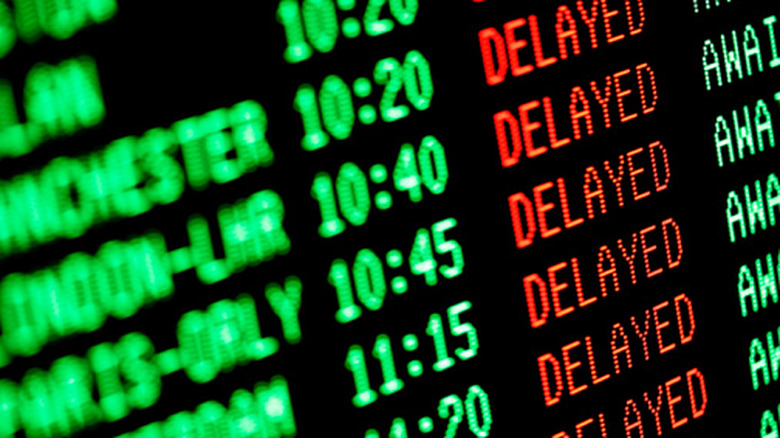
- Mitigation Strategy: Keep a close eye on your airline’s mobile application and airport monitors for gate updates. If mobility is a concern, take advantage of complimentary wheelchair assistance well in advance, or utilize the airport’s internal transit options where applicable.
4. Terminal 5 Disorientation and Disconnection
While domestic terminals provide seamless internal transitions, Terminal 5—the dedicated hub for international arrivals and select international carriers—exists as an isolated island. Built independently from the core domestic complex, Terminal 5 features no pedestrian walkways connecting it to Terminals 1, 2, or 3.
This architectural separation creates immense confusion. Passengers attempting to transfer between domestic and international flights must navigate complex transport schedules. During peak operational hours, the Terminal Transfer Bus serves eligible passengers who hold valid onward boarding passes, keeping them airside. Outside of these operating hours, travelers must exit security entirely, board the Airport Transit System (ATS), and re-clear TSA checkpoints—a process that easily consumes over an hour.
- Mitigation Strategy: Factor in a minimum of three hours for any itinerary requiring a terminal shift between international arrivals and domestic departures, factoring in U.S. Customs, baggage re-checking, and security re-entry.
5. Wildly Fluctuating Security Wait Times
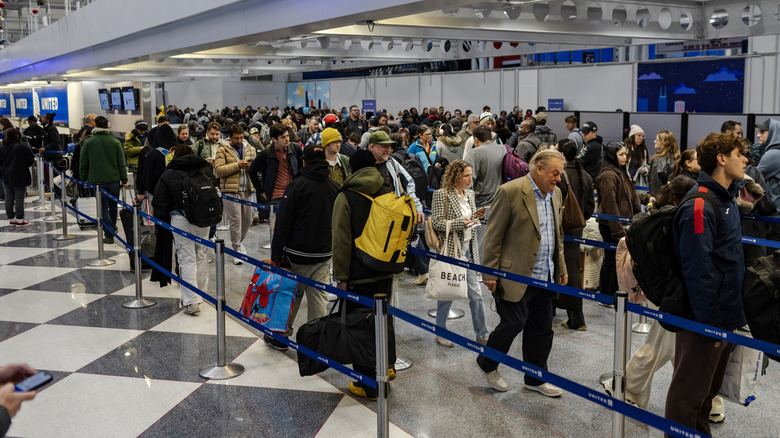
Predicting TSA checkpoint queues at O’Hare is notoriously difficult. Wait times can swing wildly from a breeze-through 10 minutes to grueling, serpentine lines stretching for nearly an hour. These fluctuations depend entirely on shifting staffing levels, banking hours of flight departures, and unexpected surges in passenger volume.
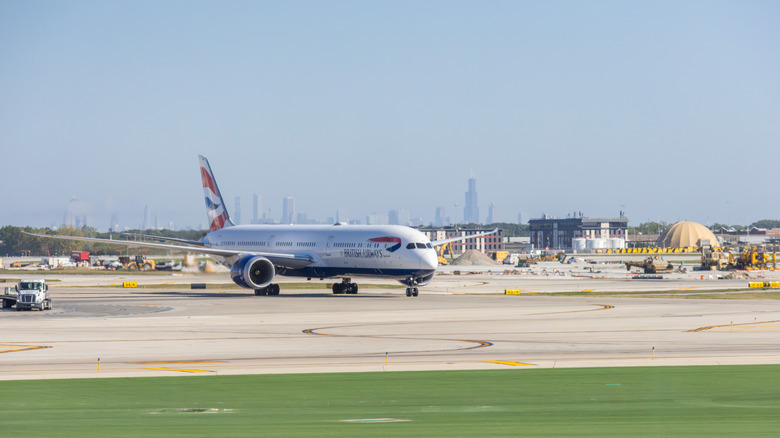
Travelers frequently report arriving for early morning weekday flights only to encounter massive bottlenecks that defy standard low-traffic assumptions, while mid-afternoon queues occasionally remain surprisingly empty.
- Mitigation Strategy: Adhere strictly to the two-hour rule for domestic flights and three hours for international departures. Utilize live crowd-sourced tracking tools and official airport status dashboards to monitor checkpoint wait times prior to entering the terminal.
6. A Confusing, Labyrinthine Layout
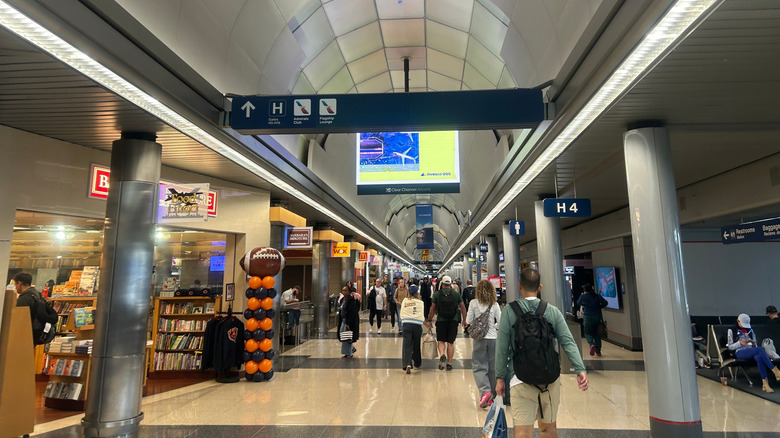
First-time visitors frequently describe navigating O’Hare as an exercise in psychological endurance. Terminal 1 houses Concourses B and C (with the latter accessible only via an underground neon-lit walking tunnel); Terminal 2 hosts E and F; Terminal 3 branches into G, H, K, and L; and Terminal 5 manages the M gates.
Adding to the spatial confusion is the vertical stratification of the airport: baggage claims, ground transportation nodes, ticketing counters, and departures sit on completely different levels, forcing heavy reliance on elevators and escalators. The persistent absence of a "Terminal 4" further adds to the geographic bewilderment of casual travelers.
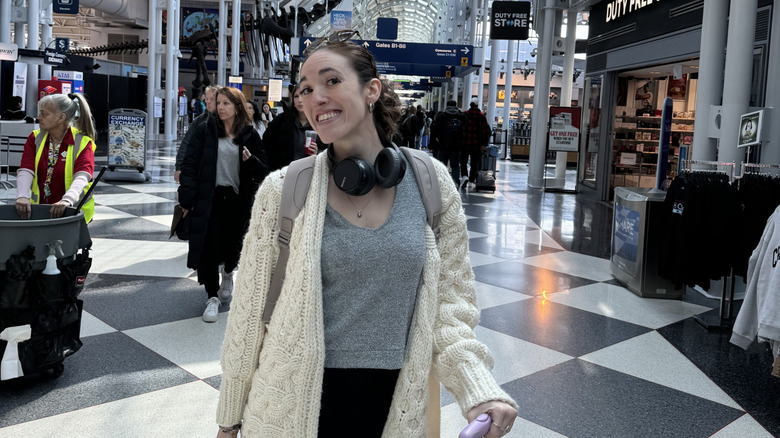
- Mitigation Strategy: Study terminal maps ahead of time and always cross-reference digital app directions with physical airport signage and departure boards, as gate reassignments are frequent.
7. Stressful Pickup and Rideshare Logistics
Securing ground transportation upon arrival at O’Hare can be a logistical minefield. The airport heavily segregates personal vehicles, traditional taxis, and rideshare applications (Uber and Lyft) across different levels and specific zones.
Rideshare pickups for Terminals 2 and 3 are relegated to designated upper-level zones (such as 2A-2G and 3G-3K), meaning passengers landing in Terminal 1 or Terminal 5 must travel substantial distances to reach their designated loading bays. Meanwhile, personal vehicle curbside pickups face strict anti-congestion enforcement under the O’Hare Driver Safety Act, which prohibits idling.
- Mitigation Strategy: Instruct friends and family members picking you up to wait in the designated cell phone parking lot until you have officially retrieved your luggage and reached the curb, avoiding frustrating security crackdowns. For rideshares, carefully match your app’s zone instructions before messaging your driver.
8. Exorbitant On-Site Parking Fees
For travelers driving themselves, parking at O’Hare represents a major financial bite. The main parking garage and Terminal 5 adjacent structures command a steep daily rate of $43, which can quickly eclipse $300 over the course of a standard week-long trip.
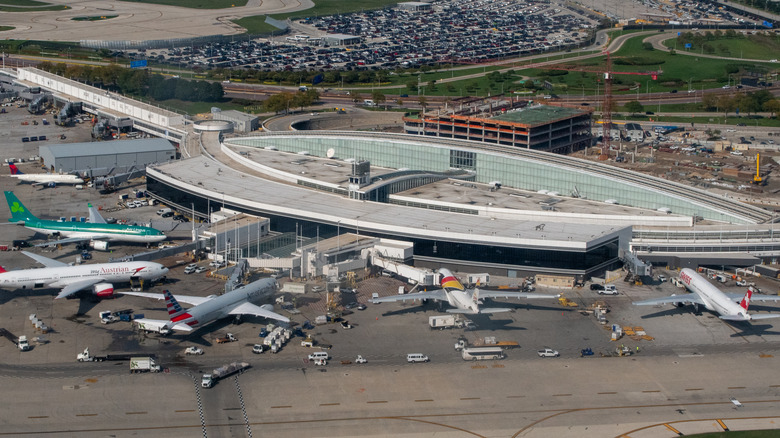
While economy options exist (such as Lot F at $30 per day and Lots G/H at $16 per day), they require dragging heavy luggage onto the Airport Transit System or shuttle buses before ever stepping foot inside a terminal.
- Mitigation Strategy: Consider off-site airport partner hotels that offer stay-and-park packages with complimentary shuttle services, which frequently reduce long-term parking expenses by more than half.
9. Premature Restaurant Closures
O’Hare boasts an impressive culinary footprint featuring local Chicago icons like Billy Goat Tavern, Garrett Popcorn Shops, Reggio’s Pizza, and Publican Tavern. However, these establishments operate on rigid business hours that frequently catch evening and red-eye travelers off guard.
A significant portion of airport dining options shut down between 7:00 PM and 8:00 PM, leaving passengers arriving on late flights or waiting through evening connections with severely restricted food choices.
- Mitigation Strategy: Do not rely on finding a sit-down meal during late-night hours. Major fast-casual staples like Starbucks and Dunkin’ generally maintain longer operational hours for basic provisions.
10. Persistent, Long-Term Construction Disruptions
O’Hare has been in a perpetual state of infrastructure overhaul for years, a reality driven by multi-billion-dollar modernization initiatives like the "ORD Next" program. While these projects—including the upcoming Concourse D and the slated Global Terminal—promise a vastly superior facility by the mid-2030s, the intermediate construction phase creates active daily frustrations.
Travelers frequently find their usual pathways blocked, temporary walking detours in place, and gates relocated to distant concourses due to active work zones. Furthermore, airfield construction has historically constrained aircraft movement capacity, prompting direct federal oversight.
Supporting Context & Metrics
The operational complexities at O’Hare are not merely matters of subjective passenger frustration; they are backed by hard regulatory and statistical data:
- Traffic Volume: As of early 2026 data, O’Hare officially claimed the title of the world’s busiest airport by daily arrival and departure frequency.
- Spatial Scale: The airport covers 7,627 acres, housing four active terminals, nine concourses, and over 190 gates.
- Federal Intervention: Due to chronic congestion and taxiway bottlenecks exacerbated by construction, the Federal Aviation Administration (FAA) enacted formal operational limitation orders to cap and regulate flight scheduling thresholds through late 2027.
- Taxi Delays: Regional investigations place O’Hare’s average post-landing taxi times at the top of national metrics, hovering around 28 minutes under normal operating conditions.
Official Statements and Industry Response
Aviation authorities and municipal leaders acknowledge the acute growing pains associated with maintaining the world’s busiest air hub. Representatives for the Chicago Department of Aviation (CDA) emphasize that modernization programs like ORD Next are engineered precisely to alleviate these historical chokepoints. By expanding gate capacities, modernizing terminal baggage systems, and reconfiguring airfield taxiways, the city aims to future-proof the airport for the next several decades.
Simultaneously, major domestic carriers operating out of O’Hare—most notably United Airlines and American Airlines—have ramped up internal messaging to passengers, urging early arrivals, proactive digital tracking, and increased utilization of mobile transfer assistants to combat terminal congestion and transit confusion.
Future Outlook
Chicago O’Hare International Airport remains an indispensable engine of global commerce and travel. The ongoing friction points—ranging from labyrinthine terminal layouts and high parking costs to weather-induced delays and early restaurant closures—are the growing pains of a transit hub operating at absolute maximum capacity.

Looking forward, the completion of major infrastructural milestones slated for the late 2020s and early 2030s promises to reshape the passenger experience. Until then, successful navigation of O’Hare requires a blend of rigorous pre-trip planning, generous time buffers, and strategic awareness of the airport’s unique operational rhythms.