






Executive Overview
Maritime authorities have released a comprehensive and harrowing investigation report regarding the catastrophic allision of the rigid inflatable boat (RIB) Peaky Blinder with a fixed navigation beacon in Portsmouth Harbour, England. The high-speed nocturnal collision, which occurred on August 14, 2025, resulted in the tragic deaths of two individuals and left the local maritime community grappling with profound questions regarding vessel safety, night navigation, and the pervasive dangers of operating watercraft under the influence of alcohol.
The Marine Accident Investigation Branch (MAIB) published its definitive findings, shedding light on the sequence of events that transformed a routine recreational voyage into a fatal disaster. According to the report, the Peaky Blinder—a high-performance, open-cockpit rigid inflatable boat capable of immense speeds—was being operated in restricted visibility and darkness when it violently struck a concrete-and-steel navigation mark within the bustling confines of one of the United Kingdom’s most strategically vital naval harbors.
The incident has reignited a fierce, long-standing debate within the British maritime sector concerning the legal frameworks governing recreational boating. Unlike commercial shipping and driving on public roads, the operation of recreational vessels in UK waters is not subject to a specific, hard legal limit for blood alcohol concentration (BAC)—a regulatory gap that safety advocates and marine investigators have campaigned to close for decades.

As the maritime industry digests the sobering conclusions of the MAIB report, pressure is mounting on legislators to enact sweeping reforms. This tragedy serves as a grim reminder that the rules of the road—and the water—exist for a reason, and that the intersection of high speeds, confined waterways, and impaired judgment remains a lethal cocktail.
Detailed Chronology of the Event
To understand how the Peaky Blinder met its devastating end, investigators reconstructed the vessel’s final hours through radar tracking, witness testimony, forensic analysis of the wreckage, and electronic navigation logs.
The Buildup and Departure
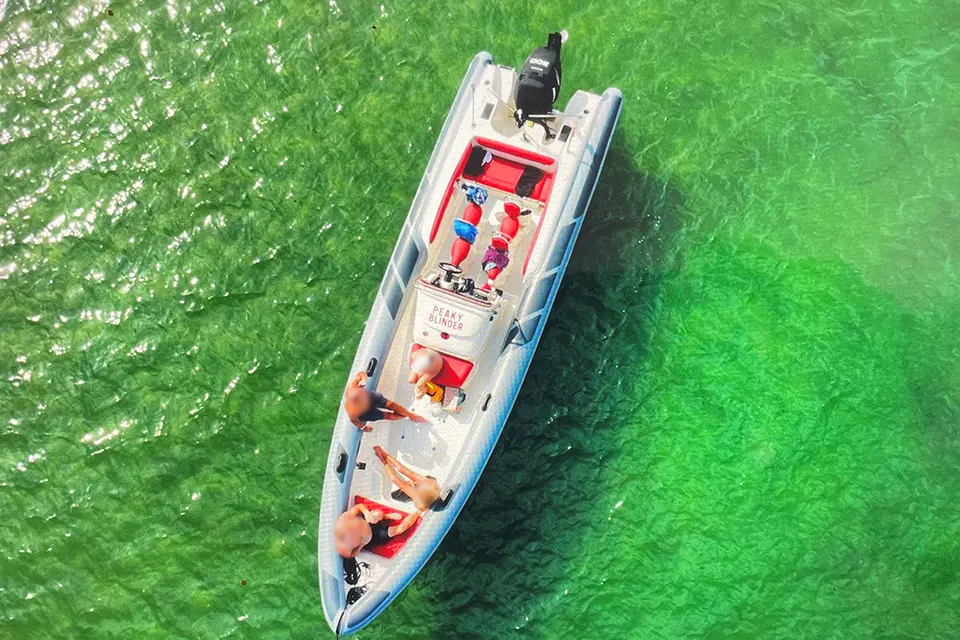
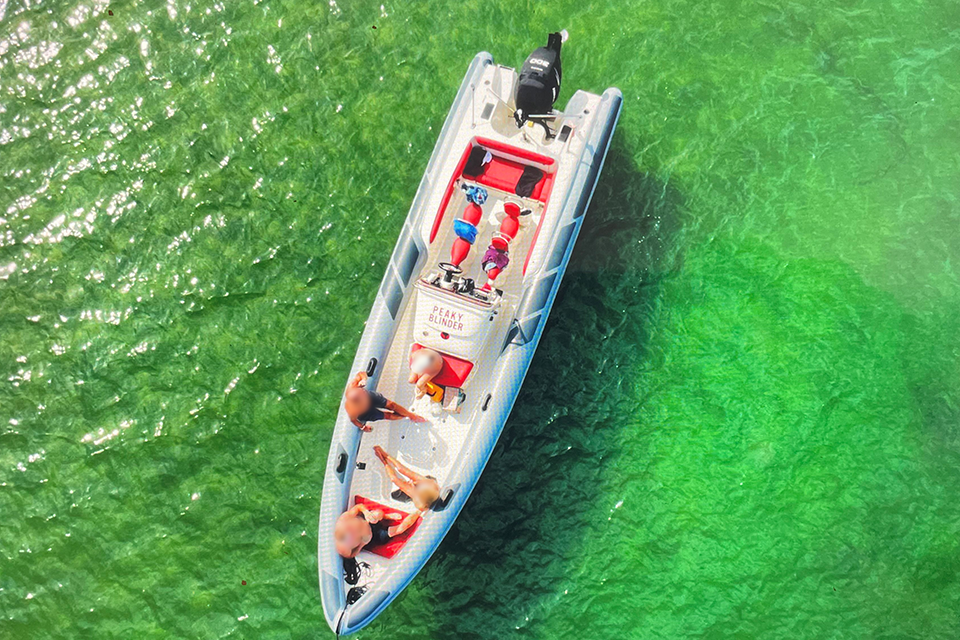
On the evening of August 14, 2025, the Peaky Blinder was moored in the vicinity of Portsmouth Harbour. Weather conditions were characteristic of late summer: localized calm patches interspersed with variable visibility, typical of the Solent’s complex tidal currents and atmospheric shifts. The vessel, a specialized RIB equipped with powerful outboard engines designed to deliver rapid acceleration and high top speeds, was manned by a small complement of occupants.
In the hours leading up to the departure, evidence gathered by the MAIB indicated that alcohol had been consumed. While the exact quantities and timelines varied among the individuals on board, subsequent toxicological evaluations confirmed that the operator’s faculties were significantly compromised. Despite the gathering gloom and the inherent risks of navigating high-speed craft in low-light conditions, the decision was made to cast off and head out into the harbor.
Entering the Harbour Waters
Portsmouth Harbour is a heavily trafficked, tightly controlled expanse of water. It serves as the home base for the Royal Navy’s surface fleet, accommodating massive aircraft carriers, destroyers, and submarines, alongside a relentless stream of commercial ferries, fishing vessels, and recreational leisure craft. Navigating this environment demands absolute concentration, precise positioning, and a thorough working knowledge of local aids to navigation, including lighted beacons, channel markers, and buoyage systems.
As the Peaky Blinder cleared the immediate marina areas and gained open water within the harbor channels, the vessel accelerated. High-performance RIBs offer exceptional maneuverability, but they also demand constant physical and mental engagement from the helm. At speed, the horizon narrows dramatically, and the glare of lights from shore—ranging from urban developments to port infrastructure—can easily disorient an operator, masking critical navigational hazards in the dark.
The Fatal Impact
Investigators established that the Peaky Blinder was traveling at a substantial and inappropriate speed for the prevailing conditions when it approached one of the harbor’s established navigation beacons. These structures, designed to mark shallow water, channel edges, and submerged obstructions, are typically constructed of robust materials engineered to withstand impacts from heavy swells and minor chafing—making them immovable hazards to any vessel colliding with them at velocity.
With little to no evasive action recorded prior to the crash, the RIB struck the base of the navigation beacon head-on. The kinetic energy of the collision was catastrophic. The sudden deceleration shredded the forward structures of the fiberglass and fabric hull, throwing the occupants violently forward against the rigid framework, consoles, and the unyielding mass of the beacon itself.
The structural integrity of the Peaky Blinder was critically compromised in a fraction of a second. The force of the impact inflicted unsurvivable traumatic injuries on two of the occupants, while others sustained varying degrees of physical trauma and shock.
Immediate Aftermath and Emergency Response
The emergency response was swift, coordinated by UK Coastguard services, Hampshire Constabulary marine units, and local harbour master patrols. Emergency medical personnel rushed to the scene, pulling the casualties from the wreckage and initiating advanced life-saving procedures. Despite their rapid intervention, two individuals were pronounced dead at the scene, their injuries proving fatal upon impact.
The harbor was temporarily closed to non-essential traffic as rescue boats secured the floating debris field and towed the shattered hull of the Peaky Blinder to a secure location for forensic examination by MAIB inspectors. The local community, accustomed to the maritime hustle and bustle of Portsmouth, was left in a state of shock as details of the accident began to emerge.
Supporting Context & Metrics: The Hazards of High-Speed RIBs and Impairment
The MAIB report into the Peaky Blinder disaster is not viewed in isolation; rather, it forms part of a growing body of safety data highlighting the unique vulnerabilities associated with modern recreational boating.
The Rise of High-Performance RIBs
Over the past two decades, rigid inflatable boats have transitioned from specialized commercial, military, and rescue platforms into highly popular recreational vessels. Valued for their buoyancy, stability in rough seas, and incredible acceleration, modern RIBs can easily achieve speeds exceeding 40 or 50 knots.
However, this performance profile brings distinct safety challenges. Unlike displacement vessels, which offer enclosed cabins, stable platforms, and predictable handling, open-cockpit RIBs expose operators and passengers directly to the elements. Wind noise, spray, engine vibration, and rapid shifts in G-forces can induce sensory fatigue—a phenomenon known as "boater’s fatigue" or motion-induced interruption. When combined with darkness and restricted visibility, the margin for error shrinks to near zero.
The Alcohol Factor in Maritime Incidents
Perhaps the most contentious and critical issue highlighted by the Peaky Blinder tragedy is the role of alcohol consumption in recreational boating accidents. While commercial mariners are bound by strict statutory alcohol limits (often matching or exceeding those for road transport), recreational boaters occupy a regulatory gray area in many jurisdictions worldwide, including the United Kingdom.
Under current UK maritime law, there is no blanket, specific blood alcohol limit for operating a private pleasure vessel, unlike the strict 80mg of alcohol per 100ml of blood (or lower in Scotland) applied to automobile drivers. Instead, enforcement relies on broader legislation, such as the Railways and Transport Safety Act 2003, which addresses the "improper operation" of ships by individuals whose ability is impaired by drink or drugs. Proving impairment after the fact often requires complex witness testimony, behavioral assessments, or post-incident toxicological reports.
Safety advocacy groups and marine accident investigators have long argued that this legislative vacuum creates a false sense of security among weekend boaters. Statistics compiled by maritime safety organizations consistently demonstrate that alcohol impairs balance, coordination, visual acuity, reaction times, and risk assessment—all of which are vital when navigating complex waters at high speeds.
When an operator consumes alcohol on the water, the physiological effects are frequently exacerbated by environmental stressors such as sun exposure, wind, and wave motion (a condition known as "boating syndrome," which intensifies the intoxicating effects of alcohol). The Peaky Blinder report serves as a tragic case study of how these cumulative factors can lead inexorably to disaster.
Official Statements and Regulatory Perspectives
The publication of the MAIB report has prompted a wave of reaction from senior maritime officials, safety advocates, and lawmakers, all focusing on the urgent need to address the systemic vulnerabilities exposed by the crash.
Chief Inspector of Marine Accidents
In his official statement accompanying the release of the report, Chief Inspector of Marine Accidents Rob Loder did not mince words regarding the underlying causes of the tragedy:
"It is well understood that consumption of alcohol results in an elevated risk of having an accident. The introduction of alcohol limits for recreational boaters has been the subject of previous MAIB recommendations. It is to be hoped that action will now be taken, such that fatal accidents in which excessive alcohol consumption is a contributing factor become a thing of the past."
Loder’s remarks underscore a growing frustration within investigative bodies. The MAIB has repeatedly highlighted the dangers of alcohol-impaired navigation in previous safety bulletins and accident reports, yet substantive legislative change has been slow to materialize. By explicitly linking the Peaky Blinder fatalities to excessive alcohol consumption, the Chief Inspector has placed the issue squarely back onto the political and regulatory agenda.
Maritime Safety Agencies and Port Authorities
Portsmouth Harbour Master and local maritime authorities also issued statements expressing their condolences to the families of the victims while emphasizing the critical importance of harbor safety compliance. Operating within a busy naval port requires adherence to strict local bylaws, speed limits, and navigational protocols. Port officials reiterated their commitment to working alongside national agencies to educate recreational boaters and crack down on reckless behavior within harbor limits.
Representatives from the Royal National Lifeboat Institution (RNLI) echoed these sentiments, noting that their volunteer crews are too frequently called out to rescue individuals whose judgment has been clouded by alcohol. Search and rescue organizations view public education and legislative reform as twin pillars in the ongoing effort to reduce preventable maritime fatalities.
Future Outlook: Toward a Safer Maritime Culture
As the immediate shock of the Portsmouth Harbour tragedy gives way to institutional reflection, the maritime community is looking toward the future. The pivotal question is whether the Peaky Blinder disaster will serve as the watershed moment that drives meaningful, lasting change in UK boating culture and law.
The Push for Legislative Reform
The primary battleground in the wake of the MAIB report will undoubtedly be the halls of Parliament. Campaigners are renewing calls for the introduction of explicit, enforceable blood alcohol concentration (BAC) limits for all operators of recreational craft. Proponents of such legislation argue that a clear numeric limit—similar to that applied to motorists—would provide law enforcement agencies with a definitive, objective tool to intercept impaired operators before they cause harm.
Opponents of statutory limits have historically argued that recreational boating is a leisure activity that should not be overly burdened by red tape, and that existing laws regarding "improper operation" are sufficient. However, the weight of evidence from fatal incidents like the Peaky Blinder allision is increasingly difficult for lawmakers to ignore. Public opinion, galvanized by the preventable loss of life, is shifting firmly in favor of enhanced accountability on the water.
Technological and Educational Solutions
Beyond legislation, the report highlights the critical need for improved education and technological safeguards within the recreational marine sector.
- Training and Certification: Unlike commercial skippers, recreational boaters are often entirely self-taught or hold basic qualifications that may not adequately cover night navigation, radar interpretation, or the dangers of high-speed handling in confined waters. Expanded access to professional training courses is seen as vital.
- Vessel Safety Equipment: Modern marine electronics, including advanced chartplotters, collision avoidance systems (AIS), and geofencing capabilities, can warn operators when they are approaching fixed hazards at unsafe speeds. Integrating these tools more widely into the recreational fleet could prevent future tragedies.
- Cultural Shift: Ultimately, safety experts emphasize that cultural attitudes must change. Just as driving under the influence of alcohol has become socially unacceptable in modern society, the maritime community must foster a zero-tolerance culture regarding drinking at the helm.
Conclusion
The accident involving the Peaky Blinder in Portsmouth Harbour is a tragedy of profound proportions that robbed two individuals of their futures and left families and communities in mourning. By laying bare the chain of events—from the impairing effects of alcohol to the unforgiving nature of a concrete navigation beacon in the dark—the MAIB investigation report has provided a vital service.
It is now incumbent upon legislators, regulators, port authorities, and recreational boaters alike to heed the warnings of the Chief Inspector of Marine Accidents. Only through a combination of robust legal frameworks, enhanced education, and a renewed commitment to personal responsibility can the maritime sector ensure that such preventable disasters are relegated to the past.