








Executive Overview
Few situations on the water test a boater’s composure quite like turning the ignition key to find absolute silence, or worse, the rapid-fire clicking of a failing starter motor. Engine failure on the water is more than an inconvenience; it represents an immediate operational challenge that can quickly escalate into a genuine maritime emergency depending on local weather, currents, and proximity to navigational hazards.
When a vessel refuses to start away from the dock, the natural human instinct is often to panic, pump the throttle, or continuously crank the engine in hopes that it will magically catch. According to maritime safety experts and on-water assistance providers, this is the single most dangerous mistake a boater can make. Continuous, futile cranking rapidly depletes the battery’s reserve power, plunging the vessel into total electrical darkness and eliminating any possibility of a late-stage restart, even if the underlying mechanical glitch was initially minor.
This comprehensive guide explores the protocol every mariner must follow when faced with an unresponsive engine. Moving far beyond basic troubleshooting, this article outlines the vital importance of situational stabilization, examines the anatomy of common marine engine failures—from electrical gremlins to fuel delivery blockages—and details the precise threshold where DIY diagnostics must end and professional marine towing must begin. Drawing from decades of on-water rescue expertise, we provide an authoritative roadmap to protect your passengers, safeguard your vessel, and navigate a mechanical breakdown with absolute confidence.

Detailed Chronology: What Happens in the First Five Minutes of Engine Failure
The trajectory of a marine breakdown is almost entirely determined during the first three hundred seconds following the incident. When the engine dies or fails to turn over, the clock starts ticking against your vessel’s drifting vector. Here is the chronological framework of action required to transition from panic to control.
T+0 to T+60 Seconds: Cease Cranking and Assess the Immediate Threat
The moment the engine fails to start, halt all ignition attempts. Resist the urge to grind the starter. Instead, turn your immediate attention away from the dashboard and toward your environment. Look outside the hull:
- Vector and Drift: Which way are the wind and tide pushing you?
- Proximity Hazards: Are you drifting toward rocky shoals, active commercial shipping lanes, bridge pylons, or shallow mudflats?
- Sea State: Are cross-waves or boat wakes causing the vessel to roll uncomfortably?
T+1 to T+3 Minutes: Prioritize Personnel and Safety Gear
Machinery can be repaired or towed; human lives cannot. The captain must immediately issue clear, calm instructions to all passengers:
- Account for every soul on board.
- Mandate the immediate donning of properly fitted Personal Flotation Devices (PFDs/life jackets) for all passengers, regardless of their swimming ability or age.
- Assign a lookout if visibility is poor or traffic is dense.
T+3 to T+5 Minutes: Establish Positional Stability
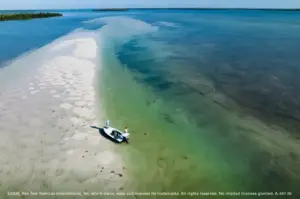
If your drift analysis reveals that you are moving toward danger—or if you simply want to stop the vessel from rolling violently in a beam sea—deploy your anchor if water depth and bottom conditions permit.
- Ensure the anchor line is secured to a heavy-duty bow cleat, never the stern, as anchoring from the stern can cause a wave to swamp the vessel.
- Once the anchor is set and holding, the boat is stabilized, buying you precious time to safely evaluate the situation without the immediate pressure of an impending collision or grounding.
Supporting Context & Metrics: The Anatomy of Marine Engine Failures
Understanding why marine engines fail helps demystify the breakdown and prevents hazardous misdiagnoses on the water. Unlike automotive engines, which can often be pulled to the side of the road, marine powerplants operate in a punishing, high-moisture, corrosive environment subject to constant vibration and thermal shock.
1. Battery and Electrical Faults (The #1 Culprit)
Marine batteries are subjected to heavy accessory loads—livewells, GPS chartplotters, VHF radios, stereo systems, and downriggers—often while the engine is idling or switched off.
- The Chemistry of Failure: Lead-acid marine batteries degrade over time, and a battery that successfully started the boat at the launch ramp may lack the cold-cranking amps (CCA) required after a day of deep-cycle drain.
- Corrosion and Connections: Saltwater intrusion creates microscopic films of oxidation on battery terminals. A loose wing nut or a heavily corroded positive terminal can completely sever the flow of high-amperage current to the starter, even though the dash lights still glow dimly.
2. Fuel Delivery Complications
An internal combustion engine requires three fundamental elements: air, spark, and fuel. When fuel delivery fails, the engine will crank endlessly but refuse to fire.
- Contamination and Phase Separation: Ethanol-blended fuels (E10) are notorious for attracting ambient moisture. If water accumulates in the fuel tank, it separates from the gasoline and sinks to the bottom—precisely where the fuel pickup tube draws from.
- Clogged Filters: Water-separating fuel filters trap debris and moisture. When these filters become saturated or choked with varnished old fuel, starvation occurs instantly under load or during startup sequences.
3. The Emergency Cut-Off Switch (ECOS / Kill Switch)
Often overlooked in moments of high stress, the lanyard-style Emergency Cut-Off Switch is a vital safety device designed to shut down the engine if the operator is thrown from the helm.
- If the red plastic clip has slipped out of position, or if the magnetic lanyard has been dislodged by a stray elbow or life jacket strap, the ignition circuit is broken. The starter motor may or may not crank depending on the specific manufacturer’s wiring, but the engine will definitively refuse to ignite.
4. Starter Motor and Solenoid Degradation
When turning the key yields a loud, rapid clicking sound rather than a robust engine turnover, the culprit is usually insufficient electrical current reaching the starter solenoid, or a failing starter motor itself. The clicking sound is the solenoid attempting to engage the starter gear against the flywheel without enough electrical muscle to complete the circuit.
Official Guidelines: Safe On-Water Diagnostics vs. Dangerous Overreach
When safe stabilization has been achieved, qualified boaters may perform a limited checklist of non-invasive diagnostic steps. However, standard marine safety guidelines dictate strict boundaries to prevent injury or environmental disaster.
Safe Checks You Can Perform
- Verify the ECOS: Check the emergency engine shut-off switch to ensure the lanyard clip is fully and securely seated.
- Check the Gear Shift: Ensure the control box is securely in neutral. Many modern outboards and stern drives feature safety switches that prevent starting if the transmission is engaged.
- Inspect Battery Terminals: Visually check battery switches and terminal connections for obvious looseness or heavy corrosion, provided you can do so without exposing yourself to electrical shock or acid burns.
- Review Fuel Gauges and Primers: Confirm you actually have fuel in the tank and check whether the primer bulb (on outboard setups) is firm.
What NOT to Do on the Water
- Do Not Disassemble Fuel Lines: Attempting to bleed fuel injectors, disconnect fuel hoses, or open carburetors on a rolling boat deck introduces highly flammable vapors into the bilge space, creating an extreme fire and explosion hazard.
- Do Not Bypass Solenoids with Metal Tools: Jumping a starter solenoid with a screwdriver or wrench can create blinding electrical arcs, weld the tool to the terminals, and trigger an electrical fire.
- Do Not Panic-Crank: As emphasized previously, repeating the ignition cycle dozens of times drains the battery to zero, disables your VHF radio’s ability to transmit long-range distress calls, and overheated starter motors can catch fire.
When Troubleshooting Ends and Professional Towing Begins
Recognizing the exact threshold where DIY troubleshooting becomes futile is the hallmark of an experienced, responsible skipper. Continuing to tinker with an unresponsive motor while drifting into active shipping lanes or toward breaking surf is a recipe for disaster.
You must transition immediately from a troubleshooting mindset to a rescue-coordination mindset under the following conditions:
- Drift Hazard: Your anchor fails to hold, or you are in water too deep to anchor, and the wind/current is carrying your vessel toward fixed structures, shallow reefs, or heavy commercial marine traffic.
- Inclement Weather: Squalls, high winds, rapidly building seas, or declining visibility (fog/darkness) make remaining adrift dangerous for your passengers.
- Total Electrical Failure: You have zero battery power left, disabling your navigation lights, bilge pumps, and communication gear.
- Unknown Mechanical Catastrophes: You suspect internal engine damage, see oil or fuel pooling in the bilge, or smell burning electrical insulation.
The Role of Professional On-Water Assistance: How Sea Tow Operates
When a mechanical breakdown exceeds your capacity to resolve it safely, calling for professional maritime assistance ensures that you and your passengers are brought home without hazard. Established leaders in on-water marine assistance—such as Sea Tow, which has provided trusted support to boaters since 1983—transform a stressful ordeal into a controlled, professional operation.
What Licensed Captains Do When They Arrive
- Assess and Triage: Upon coming alongside your vessel, the professional captain evaluates the physical condition of all passengers, checks for medical needs, and assesses the environmental hazards of your precise location.
- Secure the Rigging: Experienced captains utilize specialized, heavy-duty towing bridles and lines engineered specifically to distribute towing stress evenly across your boat’s cleats without ripping hardware out of the fiberglass.
- Safe Transport: Whether towing you back to your home slip, a local boat ramp, or a commercial repair facility, Sea Tow captains navigate complex navigational channels and tidal flows with local waterway expertise, ensuring your vessel is safely docked.
Frequently Asked Questions
Why won’t my boat start on the water when it started fine at the dock?
Conditions on the water differ significantly from the slip. Engine vibration, battery drain from running accessories, fuel sloshing that exposes contaminated tank sediment, or a loose electrical connection shifting under wave action can all trigger sudden failure miles from shore.
Should I keep trying to crank the engine if it stutters?
No. Limit yourself to one or two measured attempts. Continuous cranking overheats the starter motor, drains the battery reserves, and can flood the cylinders with unburned fuel, compounding your mechanical problems.
Is an un-startable boat considered a legal distress emergency?
Not automatically, but it can quickly escalate into one. If you are drifting into danger, losing communication capability, or facing worsening weather, it transitions from a routine mechanical tow to a safety emergency requiring immediate assistance.
Can I accept a tow from a passing recreational boater?
While well-meaning recreational boaters often offer to help, towing another vessel involves significant liability. Improper line rigging can rip cleats from hulls, and snap-back forces from stiff nylon tow lines can cause severe personal injury. Professional towing services carry specialized equipment and commercial insurance designed specifically for these operations.
Future Outlook: Technology and Marine Reliability
As marine propulsion technology evolves into the late 2020s and beyond, the landscape of on-water breakdowns is shifting. The rapid adoption of digital switching, lithium-ion marine house banks, advanced electronic fuel injection (EFI) diagnostics, and integrated telematics is changing how boaters interact with their machinery.
Modern smart-boating systems now stream real-time engine telemetry directly to multi-function displays or captain’s smartphones, flagging minor voltage drops, overheating warnings, or fuel pressure anomalies before the engine shuts down entirely. Furthermore, the rise of electric and hybrid marine propulsion systems introduces quieter operation with fewer moving parts, though it places an even higher premium on advanced battery management and electrical safety protocols.
Despite these technological leaps, the fundamental realities of the marine environment remain unchanged: salt, water, vibration, and human error will always conspire against mechanical perfection. For the modern mariner, combining proactive preventative maintenance with a cool head, strict safety discipline, and a reliable membership with professional on-water assistance providers remains the ultimate formula for peace of mind on the water.