






Executive Overview
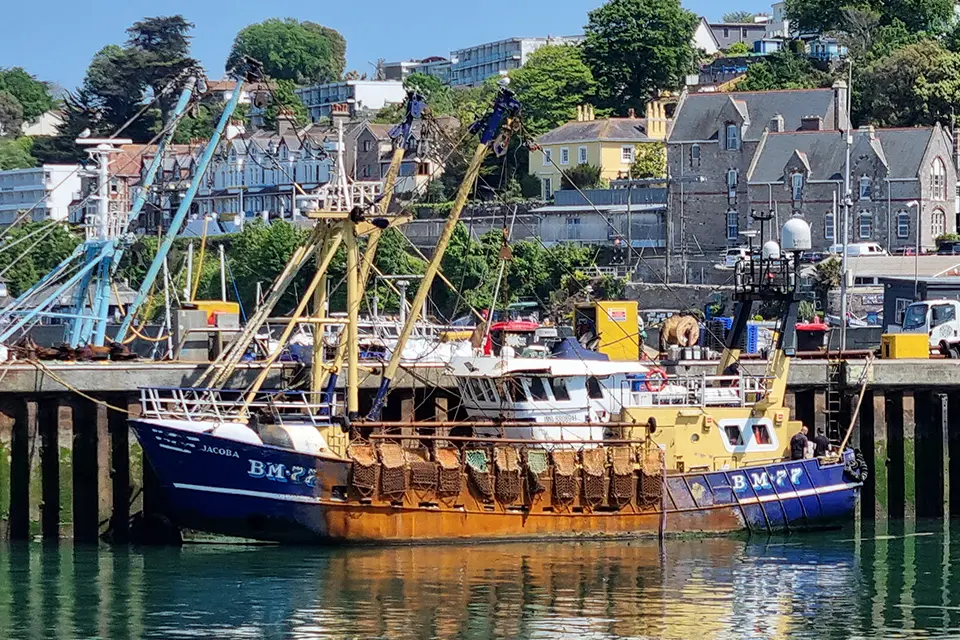
Maritime safety authorities have officially published their comprehensive accident investigation report detailing a severe, life-altering injury sustained by a crew member aboard the UK-registered scallop dredger Jacoba (BM77). The incident, which occurred on May 10, 2025, unfolded approximately 29 nautical miles south-south-east of Beachy Head off the coast of England, thrusting the inherent dangers of commercial fishing back into the spotlight.
The publication of the report by the Marine Accident Investigation Branch (MAIB) marks a critical milestone in understanding the cascading mechanical, operational, and human factors that contributed to the mishap. Beyond merely chronicling the timeline of events, the investigative dossier serves as a stark reminder of the unforgiving nature of maritime environments, particularly within the specialized and physically demanding sector of scallop dredging.
The primary objective of the investigation was not to apportion blame, but rather to uncover systemic vulnerabilities within onboard operations, vessel familiarization protocols, and gear handling procedures. By dissecting the sequence of events leading up to the trauma, marine safety experts aim to prevent similar tragedies across the wider fishing fleet. In tandem with the main report, authorities have released a targeted safety flyer directed squarely at the fishing industry, designed to prompt immediate introspection and procedural reviews among vessel owners, skippers, and deckhands alike.
As the commercial fishing industry continues to grapple with high injury rates and persistent safety challenges, the findings regarding the Jacoba (BM77) underscore an urgent need for robust safety cultures, comprehensive onboarding procedures, and unyielding vigilance on the deck. This in-depth feature examines the anatomy of the incident, the regulatory implications, and the broader lessons the maritime community must heed to protect those who harvest the seas.
Detailed Chronology of the Incident
The Setting and the Voyage
On the morning of May 10, 2025, the scallop dredger Jacoba (BM77) was actively operating in English waters, roughly 29 nautical miles south-south-east of Beachy Head—a notoriously busy and environmentally challenging maritime area known for strong tidal streams and variable weather conditions. The vessel, designed for heavy-duty towing of multiple steel dredges across the seabed, was engaged in routine commercial harvesting operations.
At the time of the incident, the crew was working through a standard hauling and shooting cycle, a high-tempo phase of fishing operations characterized by heavy machinery in motion, high-tension wires, swinging steel frames, and restricted working spaces on deck.
The Sequence of Events
While specific details regarding the exact mechanical failure or pinch-point have been meticulously mapped out in the full MAIB documentation, the sequence unfolded rapidly, leaving little time for human intervention. The injured crew member, whose exact identity and tenure aboard the Jacoba (BM77) have been withheld for privacy, was positioned near the operational gear when an unexpected shift in equipment occurred.

MAIB Annual Report 2025
Heavy steel dredging apparatus, subjected to immense mechanical loads and wave action, moved in an unintended trajectory, catching the crew member and inflicting severe physical trauma. The chaotic nature of the deck environment during active dredging meant that hazards were manifold, and the margin for error was virtually non-existent.
Emergency Response and Medical Evacuation
Immediate crisis management protocols were initiated by the skipper and remaining crew members upon realizing the severity of the injury. Operations were brought to a sudden halt as the crew transitioned from commercial harvesting to emergency response mode. First aid was administered on scene, and distress communications were established with Her Majesty’s Coastguard to coordinate an urgent medical evacuation (MEDEVAC).
Given the vessel’s offshore position—nearly 30 nautical miles south of Beachy Head—coordination involved maritime rescue coordination centers, search and rescue (SAR) helicopter assets, and potentially life-boat services. The transfer of a severely injured individual from the unstable deck of a commercial fishing vessel to a hovering rescue helicopter in open sea conditions represents one of the most perilous maneuvers in maritime operations.
Following a successful extraction, the injured crew member was airlifted to a specialized trauma center on the mainland for emergency surgical intervention and critical care. While the individual survived the acute phase of the trauma, the injuries sustained are understood to be severe and life-changing, permanently altering their capacity to work at sea.
Supporting Context & Metrics: The Hazards of Commercial Fishing
The High-Risk Landscape of Scallop Dredging
To fully comprehend the gravity of the incident aboard the Jacoba (BM77), one must analyze the unique mechanical and physical stressors inherent to scallop dredging. Unlike static net fishing or potting, dredging requires the deployment of heavy steel frames equipped with rows of spring-loaded teeth and mesh bags that are dragged along the seabed to scoop up scallops.
The gear is exceptionally heavy, often weighing several hundred kilograms per dredge, and is managed via powerful winches, derrick cranes, warps, and towing wires. The forces involved are immense; if a dredge snags on an underwater obstruction or if a wire parts under tension, the stored energy is released catastrophically, creating a lethal whip effect or causing heavy steel components to swing uncontrollably across the deck.
Furthermore, deck operations frequently take place in adverse weather conditions, under the cover of darkness, or during grueling, sleep-deprived watch rotations. The combination of fatigue, wet and slippery deck surfaces, heavy moving machinery, and high-tension rigging creates an occupational hazard profile that consistently ranks commercial fishing among the most dangerous professions in the world.
Regulatory Frameworks and Industry Statistics
Maritime safety agencies, including the MAIB and the Maritime and Coastguard Agency (MCA), continuously monitor safety performance across the UK fishing fleet. Despite decades of regulatory oversight, technological advancements, and targeted safety campaigns, serious injuries and fatalities remain stubbornly prevalent.
Statistical analyses consistently reveal that crew members—particularly those who are new to a specific vessel, inexperienced in the industry, or working on older tonnage—are disproportionately represented in accident reports. Familiarization shortfalls frequently emerge as a recurring root cause in maritime investigations. When a crew member joins a vessel, the physical layout, the idiosyncrasies of the deck machinery, the emergency shutdown locations, and the unwritten safety habits of the skipper and fellow crew represent an entirely new operating environment.
The MAIB’s decision to issue a dedicated safety flyer alongside the Jacoba (BM77) report highlights a persistent industry-wide concern: the gap between formal safety management systems on paper and the practical, high-pressure reality of day-to-day deck work.
Official Statements and Regulatory Findings
Key Takeaways from the MAIB Report
The official investigation report into the Jacoba (BM77) incident provides a granular, step-by-step breakdown of the factors that allowed the accident to happen. While the complete findings are accessible via the official government publication portal, preliminary highlights focus heavily on operational safety barriers, communication on deck, and risk mitigation strategies.
Investigators evaluated whether appropriate risk assessments had been conducted for the specific configuration of the gear being used, whether the crew had received adequate instructions regarding safe working loads and pinch points, and how effectively the vessel’s safety management system was being implemented in practice.
Crucially, the report examines the human element: situational awareness, fatigue management, and the communication protocols between the wheelhouse and the working deck. In environments where visual contact can be obscured and ambient noise from engines and winches is deafening, clear signals and fail-safe operational procedures are absolute prerequisites for injury prevention.
The Companion Safety Flyer
Recognizing that lengthy investigation reports do not always reach every working deckhand or busy vessel owner, the MAIB has published a supplementary document: "Are your crew familiarised with the vessel and its hazards?"
This safety flyer translates the complex lessons learned from the Jacoba (BM77) investigation into actionable, digestible guidance. It emphasizes that vessel familiarization is not a one-off paperwork exercise conducted upon signing a contract, but an ongoing, active process of integration and training.
The flyer calls upon skippers and vessel owners to ensure that every new or reassigned crew member:
- Receives a thorough, documented walkthrough of the vessel’s layout, paying specific attention to hazardous machinery, winches, blocks, and heavy hanging loads.
- Is fully briefed on emergency procedures, including the immediate location and operation of emergency engine stops, alarm systems, and life-saving appliances.
- Understands the specific operational risks associated with scallop dredging gear, including safe standing zones, clear pathways, and communication protocols during shooting and hauling.
- Feels empowered to halt operations if they identify an unsafe condition or feel unsure about a task—fostering a genuine "safety-first" culture rather than a culture of silence driven by production pressures.
Future Outlook: Industry Implications and Recommendations
Driving Cultural Change Across the Fleet
The incident aboard the Jacoba (BM77) will undoubtedly trigger ripples throughout the domestic and international fishing sectors. Regulatory bodies, fishermen’s federations, and safety charities will utilize the case study in upcoming safety seminars, skipper training courses, and deckhand certification programs.
However, rules, regulations, and reports alone cannot eliminate accidents. The fundamental challenge facing the commercial fishing industry is cultural. For generations, a certain degree of physical risk has been accepted as an inevitable byproduct of making a living at sea. Shifting this mindset requires active leadership from vessel owners and skippers who must demonstrate that operational efficiency and safety are not mutually exclusive, but rather interdependent.
Technological and Procedural Innovations
Looking ahead, the fallout from the Jacoba (BM77) investigation may accelerate the adoption of safer deck configurations and advanced safety technologies across modern fishing vessels. Industry stakeholders are increasingly looking toward innovations such as:
- Remote Emergency Stop Systems: Wearable kill-switches or strategically placed panic buttons that allow deckhands to instantly cut power to winches and hauling gear if an entanglement or crush hazard occurs.
- Physical Guarding: Engineering solutions that restrict access to dangerous nip points, rotating drums, and high-tension blocks without compromising the efficiency of the catch-handling process.
- Enhanced Training Standards: Standardized, mandatory practical safety certifications for all entrants into the commercial fishing sector, ensuring a baseline competency in risk assessment and hazard identification before stepping onto a working deck.
Conclusion and Next Steps
The serious injury aboard the scallop dredger Jacoba (BM77) on May 10, 2025, is a sobering reminder of the hazards lurking on the deck of every working fishing vessel. While the publication of the MAIB accident investigation report and the accompanying safety flyer provides invaluable analytical closure and educational material, the true measure of success will be found in how the fishing community responds.
Vessel owners, skippers, and crew members are strongly urged to review the published findings, evaluate their own onboard safety practices, and implement the recommended familiarization and risk mitigation protocols immediately. By turning tragedy into a catalyst for lasting change, the maritime community can honor the sacrifices of those injured at sea and work toward a safer, more resilient future for commercial fisheries.
Media Contact Information
For press inquiries, interview requests, or further information regarding the Jacoba (BM77) investigation report and safety flyer, media professionals are advised to contact the relevant authorities via the designated telephone channels below:
- Media Enquiries (Office Hours): 01932 440015
- Media Enquiries (Out of Hours): 0300 7777878
Note: All media inquiries must be conducted via telephone. Direct links to the full investigation report and the industry safety flyer remain accessible through the official government web portals for verification and download.