






By the Environmental News Desk
Published: September 2026
Estimated Reading Time: 7 Minutes
Executive Overview
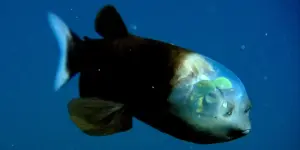
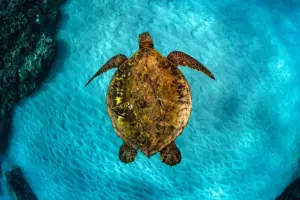
Every year, nature performs some of the most awe-inspiring migrations on Earth. Humpback whales traverse thousands of miles of open ocean to reach ancestral breeding grounds, while every single night, trillions of microscopic plankton, fish, and squid ascend from the pitch-black ocean depths toward the surface to feed. These rhythmic, generational movements are as reliable as the tides, functioning like clockwork within the planet’s vast marine ecosystems.
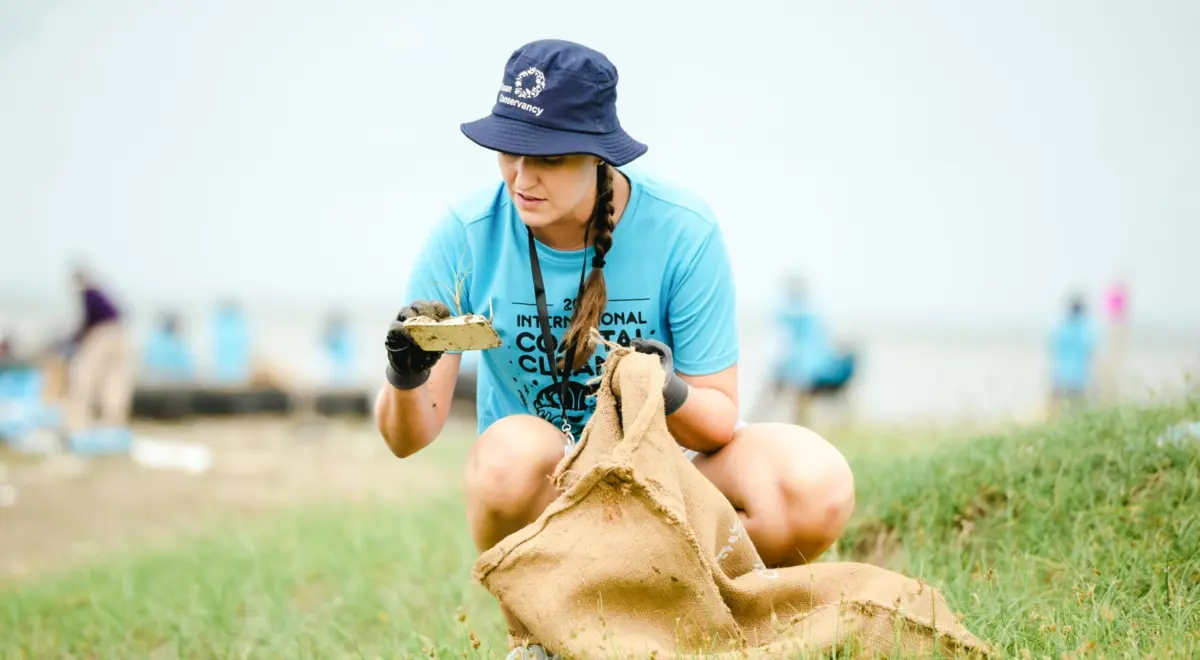
Yet, a new kind of migration has quietly joined these natural wonders—one driven not by instinct, but by human conscience and urgency. Every year, hundreds of thousands of volunteers across the globe flock to shores, riverbanks, and lakefronts to remove dangerous debris and single-use plastics from waterways.
This monumental grassroots movement is Ocean Conservancy’s International Coastal Cleanup® (ICC). As the initiative launches its landmark 41st season, organizers, scientists, and communities are pausing to reflect on the immense scale of the crisis, the profound impact of citizen science, and the deeply personal reasons why humanity feels called to protect the world’s oceans.
Detailed Chronology: The Evolution of a Global Movement
From Local Shores to a Worldwide Phenomenon
When the International Coastal Cleanup® was first conceptualized over four decades ago, it began as a localized effort to address the growing visibility of trash accumulating on beaches. What started as small groups of concerned citizens hauling away discarded glass and fishing nets has since evolved into the world’s largest volunteer effort for ocean health.
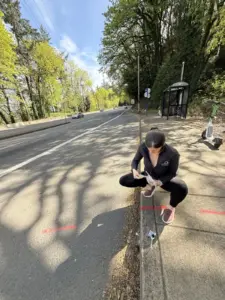
Over the decades, the ICC transformed from a simple cleanup event into a sophisticated, data-driven global mobilization. Cleanups are no longer confined to a single weekend in September; they now occur 365 days a year across continents. Whether organized through large corporate coalitions, local schools, or spontaneous family outings, participants utilize modern technology—specifically Ocean Conservancy’s proprietary Clean Swell® mobile application—to log every piece of trash they encounter.
A Personal Milestone for the 41st Season
For Sarah Weller, Associate Director of the International Coastal Cleanup®, the 41st season holds a deeply personal significance. Marking a generational passing of the torch, Weller is heading into this year’s mobilization with her eight-month-old daughter in tow—the first of what she hopes will be a lifetime of environmental stewardship.
"Like so many of our supporters, I dream of a future where my daughter and her generation do not have to do cleanups, and the plastic pollution crisis is a thing of the past," Weller notes. "And that dream is not too far away. The tools and solutions exist; we just have to prioritize and implement them."
Supporting Context & Metrics: The Scale of the Crisis and Impact
To understand the necessity of the ICC, one must examine the staggering volume of waste infiltrating global aquatic ecosystems. Plastic pollution is no longer merely an aesthetic issue; it is a systemic threat to planetary health, food security, and biodiversity.
The Numbers Behind the Mission
Data collection remains the bedrock of the International Coastal Cleanup®. Every bottle cap, plastic bag, cigarette butt, and food wrapper logged by a volunteer feeds into an extensive, open-access global database. This repository allows researchers, policymakers, and environmental advocates to trace pollution back to its sources and formulate structural legislative solutions.
The metrics from previous campaigns illustrate both the massive scale of human-derived pollution and the extraordinary dedication of volunteers:
- Total Volunteers: More than 630,000 individuals participated in the most recent flagship cleanup cycle.
- Weight Removed: Volunteers successfully extracted an astounding 7.9 million pounds (3.4 million kilograms) of trash from global waterways.
- Items Tallied: A staggering 13.8 million individual pieces of debris were documented, categorized, and removed from the environment.
Quantifying Wildlife Protection in Real-Time
Cleaning up trash has immediate, life-saving consequences for marine wildlife. Recognizing this direct correlation, Ocean Conservancy scientists spearheaded groundbreaking research that recently earned the prestigious Cozzarelli Prize for scientific excellence.
Building on these insights, the organization developed the innovative Wildlife Impact Calculator, now integrated directly into the Clean Swell® app. When volunteers submit their cleanup data, the tool calculates in real-time how many marine birds, sea turtles, and marine mammals have been spared from entanglement, ingestion, or chemical toxicity as a direct result of their cleanup efforts.
Official Voices and Community Perspectives: What the Ocean Means to Us
The impetus behind the International Coastal Cleanup® goes far beyond statistics; it is anchored in a profound emotional and cultural connection to the sea. Ocean Conservancy recently surveyed its vast network of supporters, asking a fundamental question: What does the ocean mean to you, and why do you feel called to protect it?
The responses reflect a universal reverence for Earth’s life support system:
"I would love for future generations to be able to see the beautiful ocean we have. We need to stop the destruction of pollution, overfishing, and warming of our oceans."
— Debra E."It is our future! And it is an honor to explore it at times. I wish everyone could see its beauty below the surface."
— Suzy W."It’s one of the most important places on the planet, and it is still as unknown to us as outer space… Now more than ever, our future depends on a healthy, thriving ocean."
— Derek H."The ocean and wildlife were part of my childhood. It was where I felt like I belonged. I want to protect it so future generations can have the connection that I had."
— Cynthia K."The ocean is life itself; a vast, breathing force whose rhythms sustain the planet, nourish entire ecosystems, and cradle an extraordinary tapestry of wildlife… It is both a wonder and a responsibility, a reminder that we must protect the oceans if we hope to protect ourselves and the future of every living thing."
— Laurie S.
Future Outlook: Charting a Course Beyond Pollution
As the 41st International Coastal Cleanup® gets underway, the overarching goal remains twofold: immediate remediation and long-term prevention. While picking up trash along coastlines, lakes, and rivers provides an essential service to local ecosystems, it is fundamentally a treatment of symptoms rather than the root cause.
Experts agree that turning the tide on ocean plastics requires a multi-pronged global strategy:
- Upstream Reductions: Pressuring corporations and manufacturers to redesign packaging, phase out single-use plastics, and invest in circular economies.
- Policy Implementation: Strengthening international treaties and municipal legislation regarding waste management, recycling infrastructure, and plastic production caps.
- Citizen Empowerment: Continuing to mobilize millions of volunteers worldwide through initiatives like the ICC and Clean Swell to hold industries and governments accountable through transparent data collection.
The annual migration of people to the water’s edge is more than just an environmental campaign—it is a testament to human resilience and shared responsibility. By rolling up their sleeves year after year, ICC volunteers are not only healing damaged coastlines; they are actively forging a sustainable path forward for the entire blue planet.
Take Action Today
The fight for a clean ocean requires every hand on deck. Whether you join an organized cleanup event in your community or head out independently with the Clean Swell® app, your actions matter. Join the International Coastal Cleanup® and help secure a healthy ocean and a thriving planet, forever and for everyone.