








Executive Overview
Lake Tahoe has long reigned as the undisputed crown jewel of the Sierra Nevada, drawing millions of visitors each year to its crystal-clear sapphire waters, bustling resort towns, and sandy beaches. However, this global popularity comes with a heavy price: bumper-to-bumper traffic, packed trailheads, skyrocketing lodging costs, and a constant hum of humanity that can overshadow the region’s raw natural beauty.
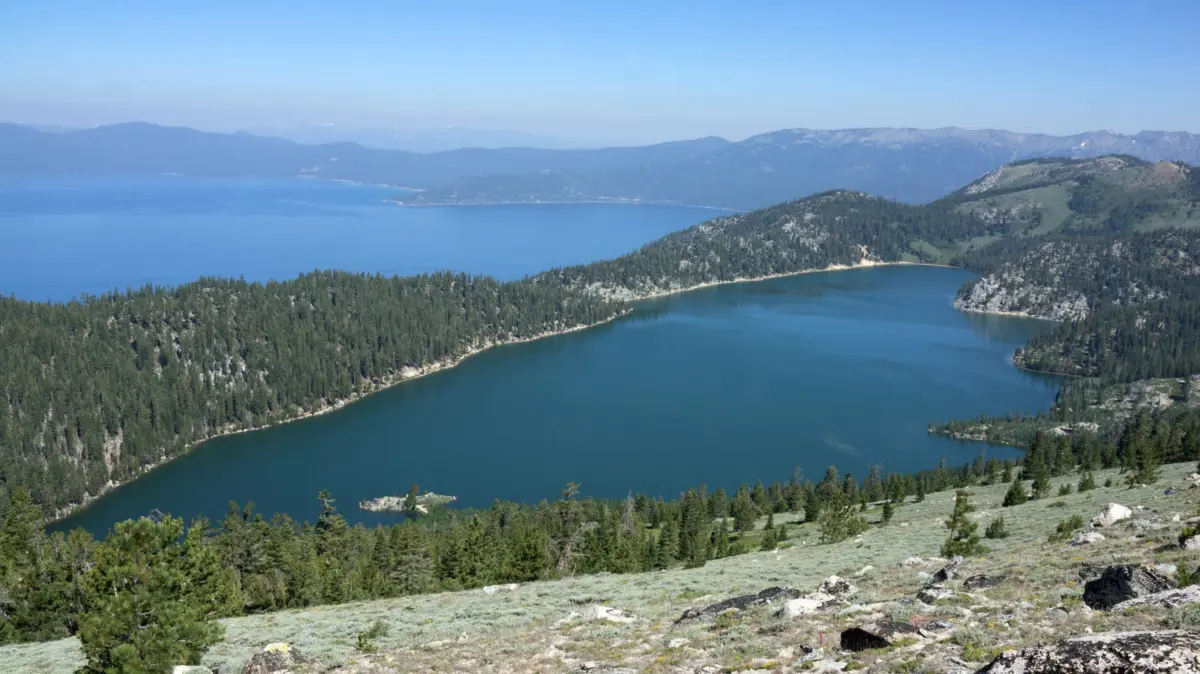
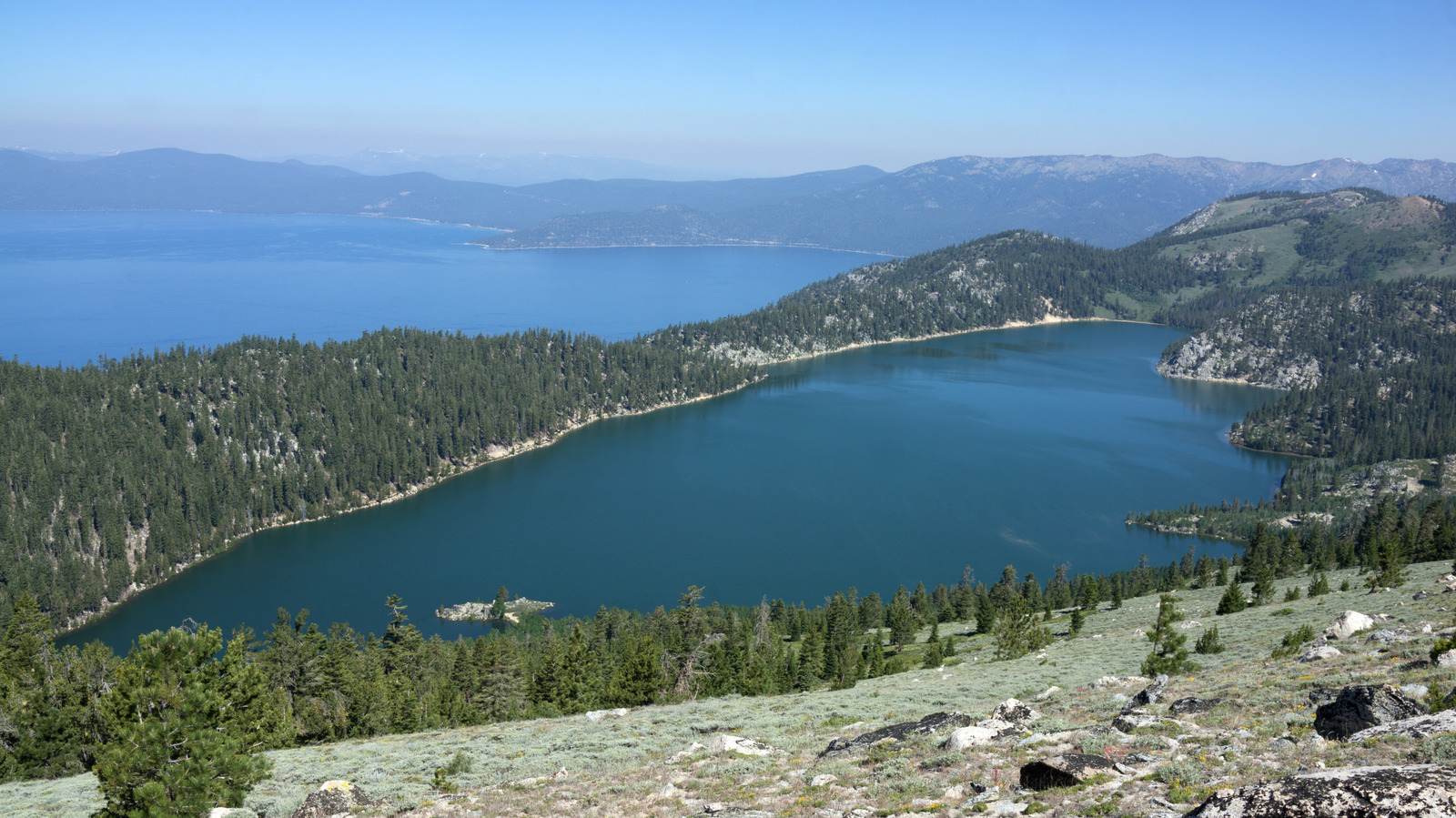
For travelers and outdoor enthusiasts seeking the soul-stirring tranquility of the Sierra without the congestion, a pristine alternative waits just over the ridge. Located in Carson City, Nevada, roughly 10 miles "as the crow flies" from Lake Tahoe’s eastern shore, Marlette Lake offers a masterclass in secluded alpine splendor.
Established in the 1870s through the construction of a historic dam designed to manage local water supplies, this high-elevation reservoir delivers classic Sierra Nevada vistas, exceptional trout fishing, and rugged hiking trails. Yet, because reaching its shores demands a strenuous, roughly 5-mile one-way trek from Spooner Lake, Marlette Lake remains blessedly isolated. This comprehensive guide explores the rich history, logistical realities, recreational opportunities, and ongoing infrastructure updates surrounding Northern Nevada’s premier hidden alpine gem.
Detailed Chronology: From Industrial Lifeline to Wild Sanctuary
To understand Marlette Lake, one must look beyond its current status as a sanctuary for hikers and anglers and examine its fascinating industrial roots. The story of Marlette Lake is inextricably linked to the booming mining economy of the late 19th century.
The Comstock Era and the Birth of the Reservoir (1870s)
In the 1870s, the Comstock Lode in nearby Virginia City was one of the wealthiest silver and gold mining districts in the world. However, the burgeoning mining operations and rapidly growing population faced a critical bottleneck: a severe lack of water. Mining mills and domestic households alike desperately needed reliable, abundant water sources to sustain their operations.
Engineers and entrepreneurs recognized the potential of the high-elevation bowl cradled in the Carson Range, just east of Lake Tahoe. By constructing a dam across Marlette Creek, developers created an artificial reservoir designed to capture snowmelt and spring runoff. This water was then channeled through a complex, gravity-fed system of flumes, inverted siphons, and pipelines—including the historic Marlette-Flume system—carrying precious water down the steep mountain slopes and across the desert to Virginia City and the mills along the Carson River. What is today a serene playground for wildlife and backcountry recreationists was once a vital industrial lifeline that fueled the silver-mining economy of the American West.
Transition to Public Stewardship and Conservation (20th Century)
As the mining boom faded, the infrastructure surrounding Marlette Lake transitioned from private industrial management to public stewardship. Recognizing the ecological and recreational value of the Carson Range watershed, state and federal agencies stepped in to protect the land.
The management of Marlette Lake eventually fell under the jurisdiction of the Nevada Department of Wildlife (NDOW) and the Nevada Division of State Parks, who incorporated the area into the broader Lake Tahoe Nevada State Park system. This transition shifted the purpose of the water from industrial extraction to environmental conservation, wildlife management, and low-impact recreation. Today, the lake serves as a protected fishery and an important component of the region’s delicate alpine ecosystem, managed carefully to balance human access with the preservation of native flora and fauna.
Supporting Context & Metrics: Navigating the Marlette Lake Experience
Visiting Marlette Lake is not a casual stroll; it is an alpine expedition that requires careful planning, physical preparation, and respect for high-elevation wilderness environments.
Trail Logistics and Terrain Metrics
Most visitors access Marlette Lake via the trailhead at Spooner Lake, located off Highway 28 near the junction of Highway 50. From this staging area, outdoor enthusiasts have a few options to reach the reservoir: hiking, mountain biking, or horseback riding.
- Distance: Approximately 5 miles one-way (roughly 10 miles round-trip).
- Elevation Gain: Over 1,700 feet of total elevation gain from Spooner Lake to Marlette Lake.
- Trail Difficulty: Rated as "hard" by trail-mapping platforms like AllTrails due to the sustained steep climbs, loose gravel, and high altitude.
- Elevation Profile: Spooner Lake sits at roughly 7,150 feet, while Marlette Lake rests at an elevation of approximately 7,823 feet. The trail climbs significantly before offering a descent down to the shoreline.
Angling and Fishery Metrics
Marlette Lake is renowned among regional anglers for its exceptional trout fishing, though strict regulations govern the water to protect the ecosystem.
- Seasonality: Due to high elevation, snowpack, and seasonal temperature fluctuations, the fishing season at Marlette Lake typically opens on mid-July and runs through the end of September.
- Species: The Nevada Department of Wildlife regularly stocks the lake with several species of trout, prominently featuring rainbow trout and cutthroat trout.
- Technique: Fly fishing is exceptionally popular on the lake. The calm morning waters provide ideal conditions for casting dry flies and nymphs, mimicking the aquatic insects that thrive in the chilly reservoir. Local northern Nevada fly shops offer specialized guidance, gear recommendations, and up-to-date reports on which flies are currently hatching.
Infrastructure and Campground Metrics
For those who wish to extend their stay beyond a day trip, rudimentary accommodations are available near the lake.
- Marlette Peak Campground: Located near the lake, this primitive backcountry campground offers a genuine wilderness experience.
- Amenities: While classified as primitive, the campground provides essential facilities including vault restrooms, fire rings, and sturdy bear-proof food storage boxes to keep campers safe from local wildlife.
- Water Access: Visitors must pack in all drinking water or utilize proper backcountry filtration systems, as untreated surface water from the lake and surrounding streams can carry harmful parasites like Giardia.
Official Statements and Infrastructure Updates
Managing a historic, high-elevation wilderness reservoir requires continuous maintenance, particularly when dealing with aging 19th-century infrastructure. Recent statements and advisories from state land and wildlife management agencies highlight ongoing efforts to preserve Marlette Lake while ensuring public safety.
Dam Rehabilitation and Maintenance Advisories
As of recent reporting periods, Marlette Lake has undergone active construction and engineering evaluations focused on repairing and modernizing the historic dam structure. State water engineers and park officials have emphasized that while the reservoir’s foundational purpose remains intact, the century-and-a-half-old infrastructure requires rigorous oversight to meet modern seismic and safety standards.
"Infrastructure dating back to the late 1800s demands proactive, meticulous engineering intervention," noted a representative familiar with regional watershed management in Northern Nevada. "Our primary objective with the ongoing Marlette Lake projects is to safeguard regional water management capabilities while protecting the pristine natural environment that visitors have cherished for generations. We urge all trail users to check current park advisories before embarking, as construction staging and heavy equipment transport may periodically impact specific access routes around the basin."
Wildlife and Conservation Guidelines
The Nevada Department of Wildlife maintains strict oversight of Marlette Lake’s aquatic ecosystem. Because the lake serves as a vital spawning and rearing habitat, fishing regulations are strictly enforced. State wildlife officials routinely remind visitors to secure all fishing licenses prior to casting a line, adhere strictly to catch-and-release guidelines when mandated, and pack out all trash to maintain the pristine integrity of the Carson Range.
Furthermore, state park rangers emphasize the importance of preparedness. Because the trail from Spooner Lake is grueling and weather in the Sierra Nevada can shift rapidly from bright sunshine to sudden afternoon thunderstorms or unexpected temperature drops, officials continuously advocate for the "Leave No Trace" ethos and responsible backcountry travel.
Future Outlook: Preserving the Solitude of Northern Nevada’s Alpine Gems
As popular destinations across the American West grapple with the pressures of "over-tourism," the value of hidden sanctuaries like Marlette Lake cannot be overstated. The future of the Northern Sierra region depends heavily on dispersing visitor traffic away from hyper-congested hubs like Lake Tahoe’s southern and western shores and directing adventurous travelers toward sustainable, low-impact alternatives.
The Shift Toward Sustainable Recreation
Regional tourism boards and environmental coalitions are increasingly promoting lesser-known gems—such as Marlette Lake, nearby Duck Lake, and various high-elevation tarns scattered throughout the Sierra Nevada. By encouraging travelers to embrace longer hikes, mountain biking excursions, and primitive camping, land managers hope to foster a deeper, more respectful connection with the wilderness.
The physical barrier of a 10-mile round-trip trek with 1,700 feet of elevation gain acts as a natural filter. It ensures that those who visit Marlette Lake are genuinely invested in preserving its quiet atmosphere, leaving casual crowds behind in favor of solitude, reflection, and raw natural beauty.
What Lies Ahead for Travelers
Looking forward, visitors to Marlette Lake can expect a continuation of balanced stewardship: restricted motorized access, protected fisheries, well-maintained but challenging trails, and ongoing preservation of its historic industrial architecture.
For the modern traveler willing to trade the convenience of roadside lookouts for the earned rewards of a strenuous mountain climb, Marlette Lake stands ready. It offers a rare glimpse into the quiet, untamed heart of the Northern Sierra—a place where the echoes of 19th-century engineering fade softly into the whispering pines, the ripple of rising trout, and the timeless stillness of an alpine horizon.