





Executive Overview
For decades, the standard Southeast Asian travel itinerary has drawn millions of tourists toward the sun-drenched shores and bustling night markets of Thailand. From the limestone karsts of Krabi to the legendary party beaches of Koh Phangan, Thailand remains a premier destination for global travelers. Yet, just across the South China Sea and the Bohol Sea lies an archipelago boasting over 7,600 islands—vastly outnumbering Thailand’s 1,430 landmasses—where raw ecological diversity and untamed landscapes still reign supreme.
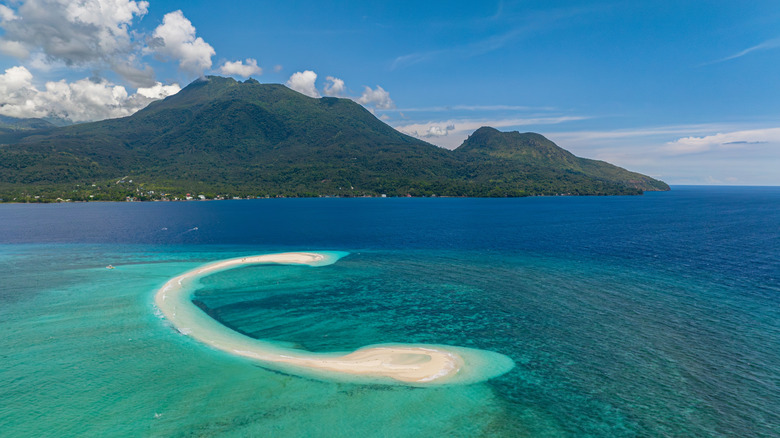
While Thailand offers superior tourist connectivity, expansive lodging options, and slightly lower baseline costs, the true magic of the Philippines lies in its splendid isolation. Leading the charge of undiscovered island paradises is Camiguin Island, a slow-paced Eden situated in the middle of the Bohol Sea. Known distinctively as "The Island Born of Fire," this oval-shaped speck of land spans roughly 92 square miles and packs an astonishing geological punch. Home to seven volcanoes, including the 4,370-foot Mount Hibok-Hibok, Camiguin presents a visually intoxicating tapestry of turquoise seas, cascading waterfalls, geothermal and cold springs, and a shifting sandbar oasis just off its coast.
Remarkably, despite its staggering natural beauty, Camiguin remains shielded from the crushing weight of mass tourism. Offering an affordable daily travel budget ranging from $35 to $60 USD—which comfortably covers lodging, three square meals, transportation, and activities—it serves as the ultimate budget-friendly tropical getaway for travelers looking to trade crowded tourist hotspots for an authentic, soul-reviving retreat.
Detailed Chronology: The Geological Evolution and History of Camiguin
To truly understand Camiguin is to understand its volatile, fiery birth and the historical events that continue to shape its landscape today.
Volcanic Genesis
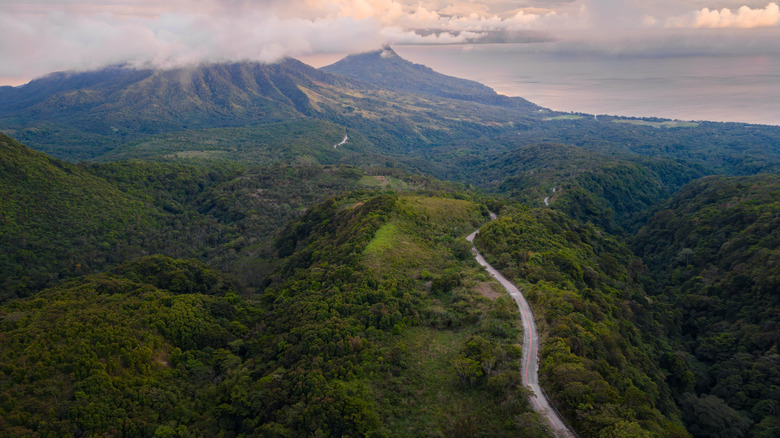
Millennia of tectonic activity forged Camiguin into a geological marvel. Unlike typical coral-atoll islands, Camiguin has more volcanoes per square mile than any other island in the world. Its mountainous spine is dominated by seven distinct volcanic centers. The most famous of these, Mount Hibok-Hibok, stands as an active stratovolcano. Its most recent major eruption occurred in 1953, leaving behind fertile volcanic soil that nourishes the island’s hyper-lush rainforests, exotic fruit orchards, and dense flora.
The Tragedy of the Sunken Cemetery (1871)
The island’s most iconic and haunting historical landmark dates back to the late 19th century. On May 1, 1871, a series of violent earthquakes rocked Camiguin, culminating in the eruption of Vulcan Volcano. The catastrophic event caused a large portion of the town of Bonbon—including its main cemetery—to sink beneath the waves of the Bohol Sea.
Today, this submerged resting place is marked by a massive white cross erected above the water’s surface. What was once a tragedy has evolved into one of the Philippines’ most unique underwater environments. The sunken headstones and church ruins now serve as an artificial reef, offering a haunting yet vibrant snorkeling and diving experience where marine life thrives among the historical remains.
The Modern Tourism Transition
For generations, Camiguin remained an isolated farming and fishing community, largely dependent on copra (dried coconut meat lanzones fruit farming, and coastal fisheries. It was only in the late 20th and early 21st centuries that the island began appearing on the radar of intrepid backpackers and eco-tourists. Despite improvements in regional infrastructure—including the expansion of Camiguin Airport (CGM)—the island has successfully resisted the rapid, high-rise commercialization that transformed other Southeast Asian destinations. It retains a peaceful, village-centric pace of life where community ties remain strong and traditions are fiercely preserved.
Supporting Context & Metrics: Navigating Camiguin’s Landscape
Geographical Overview and Biodiversity
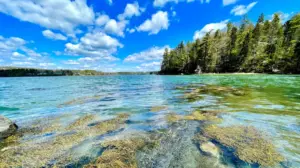
Positioned off the northern coast of Mindanao and just south of Bohol, Camiguin is an oval-shaped island defined by sharp contrasts. Its rugged interior is cloaked in deep rainforests, while its perimeter is hugged by a striking ombre of aqua, azure, and sapphire waters.
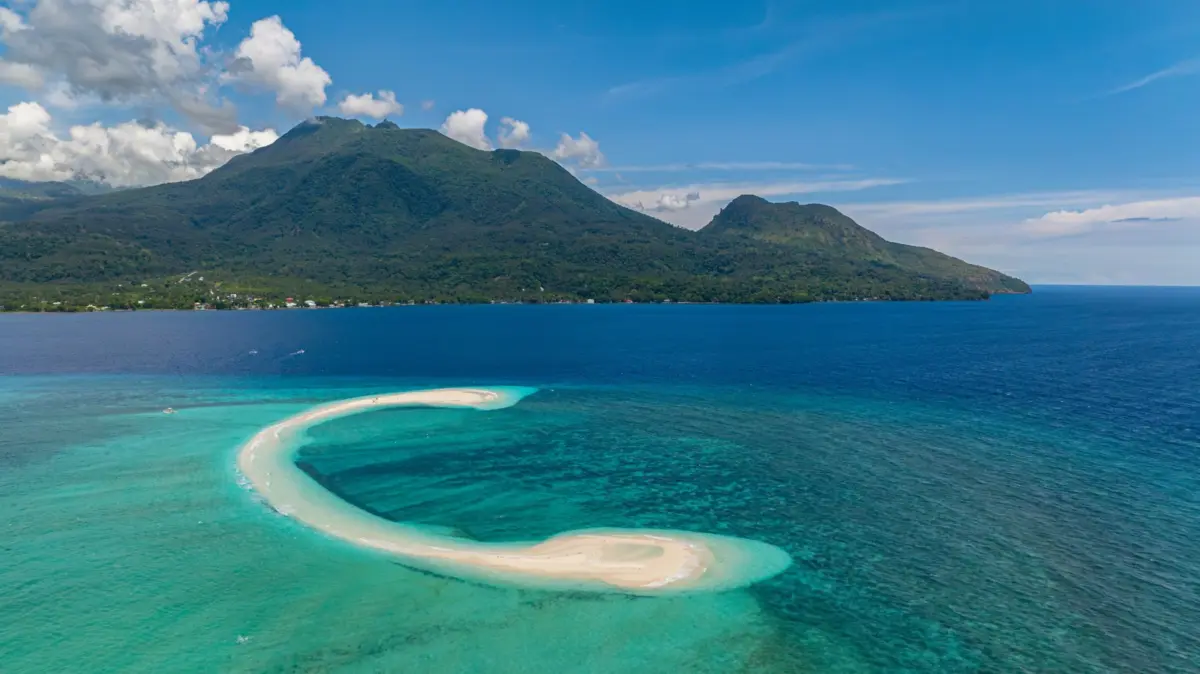
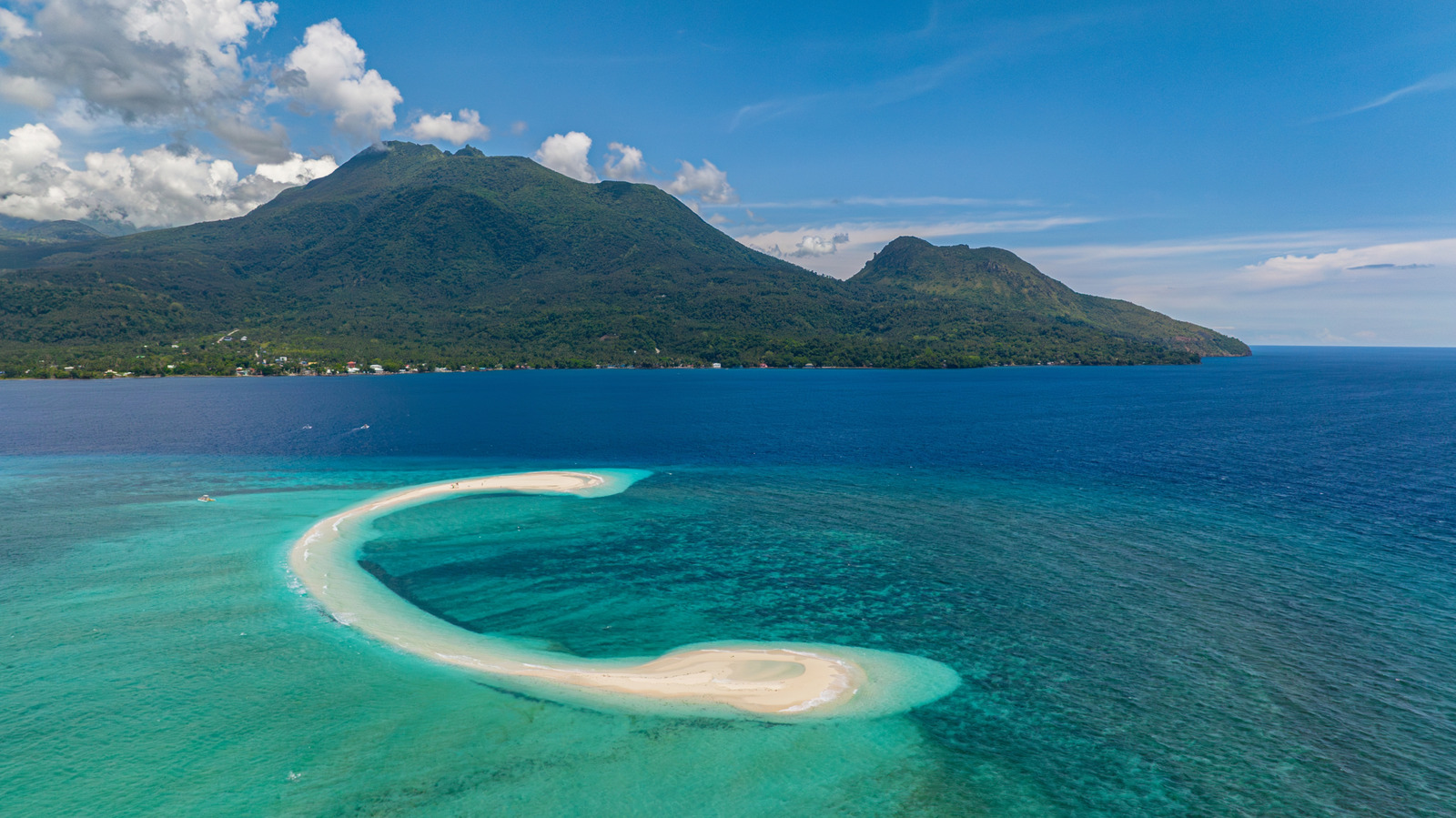
Just a short 20-minute boat ride from the island’s eastern coast lies Mantigue Island, a protected marine sanctuary managed by local fishing cooperatives. Encircled by pristine coral reefs, Mantigue is a haven for green sea turtles, blue-spotted stingrays, and schools of barracuda, making it a world-class snorkeling destination. Meanwhile, White Island—an uninhabited, crescent-shaped sandbar lying just off the northern coast—offers shifting white sands and unobstructed views of Mount Hibok-Hibok and Mount Vulcan.
Hydrological Wonders: Springs and Waterfalls
Camiguin’s volcanic history has blessed it with an intricate network of natural springs and waterfalls that set it apart from typical beach destinations:
- Ardent Hot Springs: Located at the northern base of Mount Hibok-Hibok, these geothermal pools are heated by the volcano’s subterranean chambers, offering soothing temperatures ideal for evening relaxation.
- Bura Soda Water Pool: A rare geological phenomenon where cool, naturally carbonated water bubbles up from the earth. Visitors can swim in the refreshing pools and even drink directly from spigots featuring the slightly sweet, mineral-rich "soda water."
- Katibawasan Falls: Plunging approximately 250 feet down a verdant cliff face into a shallow, refreshing pool, this is the island’s tallest and most photographed waterfall, accessible via a short, easy trek through tropical foliage.
Financial Metrics and Cost of Living
For budget-conscious travelers, Camiguin presents exceptional value. According to leading Southeast Asian tourism indices, travelers can comfortably navigate the island on a daily budget of $35 to $60 USD.
- Accommodation: Basic guesthouses and family-run homestays start as low as $15–$25 per night, while mid-range resorts and eco-lodges generally range from $40 to $80 per night.
- Dining: Local eateries (carinderias) offer hearty Filipino meals for $2 to $5, while mid-range restaurants serving fresh seafood average $10 to $20 per meal.
- Transportation: Renting a scooter typically costs around $8 to $10 per day, providing the most cost-effective and flexible way to explore the island’s 39-mile coastal ring road. Shared transport options, such as multicabs and traditional motorelas (Camiguin’s unique variation of the tricycle), charge nominal local fares.
Official Statements and Travel Advisories
When planning an international trip, safety and regional stability are paramount. Travelers eyeing Camiguin must understand the nuances of the geopolitical landscape in the southern Philippines.
U.S. State Department Travel Guidance
As of the current travel advisory period, the U.S. Department of State maintains a Level 2 ("Exercise Increased Caution") travel advisory for the Philippines as a whole, with specific regions in Mindanao—such as Marawi City and portions of the Zamboanga Peninsula—elevated to Level 3 or Level 4 due to ongoing risks of terrorism and civil unrest.
However, travel authorities and local tourism boards emphasize that Camiguin Island is geographically and politically isolated from the mainland Mindanao conflict zones. Situated safely off the northern coast, Camiguin operates as an independent island province with its own distinct municipal security infrastructure, boasting a remarkably low crime rate and a peaceful, welcoming local community.
Local Tourism Board Perspective
The Department of Tourism (DOT) in Northern Mindanao frequently highlights Camiguin as a model for sustainable, community-led eco-tourism. In promotional briefings, regional tourism officials emphasize the island’s commitment to preserving its natural assets:
"Camiguin is not just a destination; it is a living sanctuary. Our focus has always been on slow tourism, cultural preservation, and protecting our fragile marine and volcanic ecosystems from the pressures of overdevelopment. We invite travelers who respect nature to experience the authentic heartbeat of the Philippines."
Travelers echoing these sentiments frequently take to global review platforms. As one recent visitor noted on TripAdvisor:
"What makes Camiguin extra special is the warm, friendly spirit of the locals and the peaceful, authentic vibe of the island. It’s like a tropical garden paradise that hasn’t been overrun by mass tourism—pure, relaxing, and soul-reviving."
Future Outlook: Sustainability vs. Expansion
As global tourism rebounds and travelers increasingly seek off-the-beaten-path alternatives to overcrowded destinations like Bali, Phuket, and Boracay, Camiguin stands at a critical crossroads.
Infrastructure Development
Regional development plans include minor upgrades to the Camiguin Airport (CGM) to accommodate larger regional aircraft, potentially opening up direct connections beyond Cebu. Improved ferry networks connecting Balingoan in Misamis Oriental to Benoni Port on Camiguin have already streamlined cargo and passenger transit, making the island more accessible than ever.
The Imperative of Sustainable Ecotourism
The central challenge facing Camiguin in the coming decade will be balancing economic growth with environmental conservation. Because the island relies heavily on fragile ecosystems—such as its coral reefs, volcanic watersheds, and subterranean aquifers—local government units (LGUs) have implemented strict environmental ordinances. These include waste management regulations, carrying capacity limits on fragile islets like White Island and Mantigue, and community-led coral reef restoration projects.
For the discerning traveler, the window to experience Camiguin in its purest, most tranquil state is open right now. Whether you are soaking in the geothermic warmth of Ardent Springs, snorkeling through the historical ruins of the Sunken Cemetery, or watching the sunset over the turquoise expanse of the Bohol Sea, Camiguin offers a rare reminder of what tropical paradise felt like before the crowds arrived. For those willing to look beyond Thailand’s well-trodden paths, the "Island Born of Fire" promises an unforgettable, deeply authentic escape.