






Executive Overview
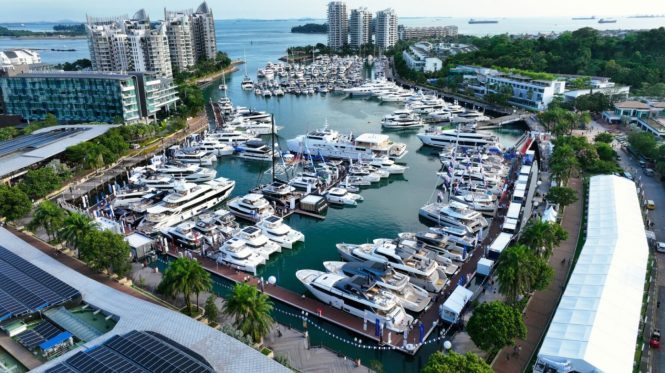
The fourth edition of the Singapore Yachting Festival (SYF) concluded its landmark run at ONE°15 Marina Sentosa Cove, sealing its reputation as the premier gateway to Asia’s rapidly expanding maritime, superyacht, and luxury charter markets. Cementing its status as an unmissable fixture on the global nautical calendar, the 2026 showcase delivered unprecedented metrics: a record-shattering 14,280 visitors and an expansive assembly of 211 global brands converged on the Lion City. This represented the largest and most internationally diverse lineup in the festival’s history.
Far from being a mere exhibition of maritime opulence, SYF 2026 served as a vital commercial barometer for the region. The event underscored a profound structural shift in regional demand. Bolstered by surging wealth creation throughout the Asia-Pacific (APAC) corridor, progressive marina infrastructure developments, and a cultural pivot toward experiential luxury, Southeast Asia is no longer viewed merely as an emerging cruising alternative. Instead, it has transitioned into a core, self-sustaining ecosystem for global charter operators, fleet managers, and shipbuilders.
Throughout the multi-day event, robust commercial engagement translated into qualified leads, multi-million-dollar sales inquiries, and a surge in forward-looking charter bookings. As high-net-worth individuals (HNWIs) across Asia increasingly view yachting not as an inaccessible status symbol but as an integral lifestyle choice, the commercial runway for charter companies operating in the region has never looked clearer—or more lucrative.
Detailed Chronology & Event Highlights: A Week of Maritime Milestones
The trajectory of the Singapore Yachting Festival 2026 was marked by high-energy openings, meticulously curated exhibitions, and an immersive operational cadence that distinguished it from past iterations.
Opening Momentum and Record Attendance
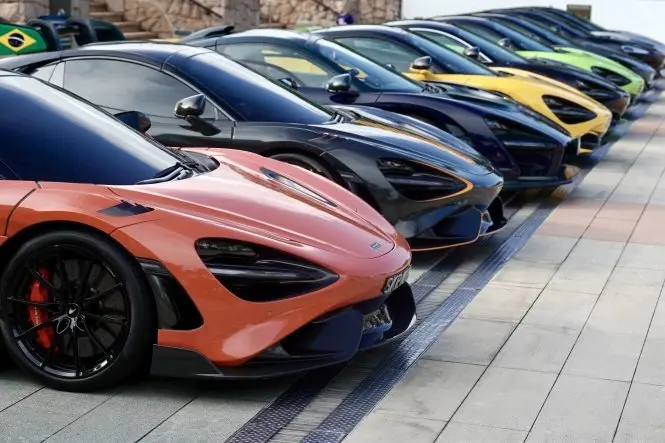
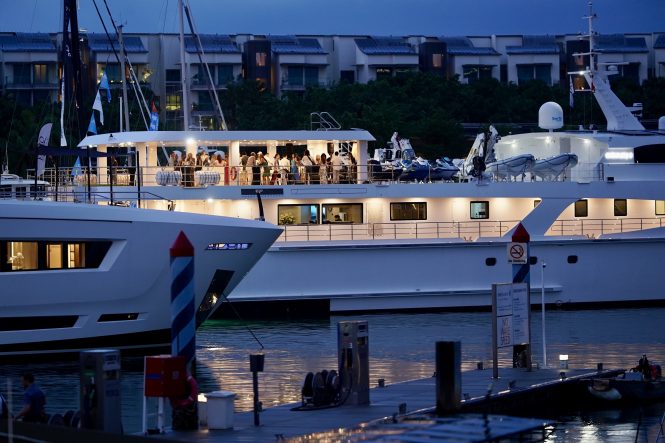
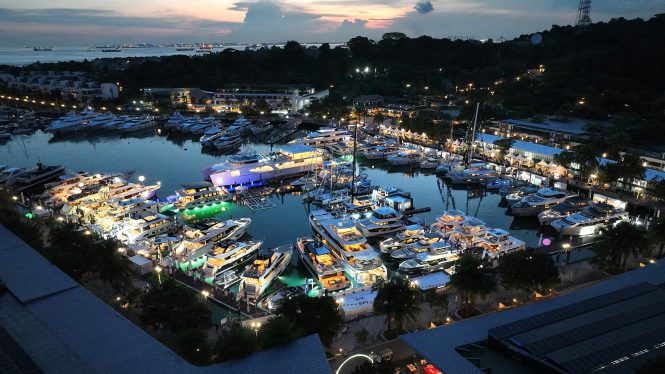
From the moment the docks opened on day one, the atmosphere at ONE°15 Marina Sentosa Cove was electric. Industry professionals, yacht owners, prospective buyers, and lifestyle enthusiasts flooded the pontoons. Organizers confirmed that visitor numbers surged past all previous benchmarks, culminating in the milestone of 14,280 attendees. This foot traffic was mirrored by the sheer scale of the exhibition floor and marina berths, which hosted 211 distinct brands spanning naval architecture, marine electronics, luxury automobiles, high-end water toys, and elite lifestyle services.
The Vessel Lineup: From Multihulls to Tri-Deck Superyachts
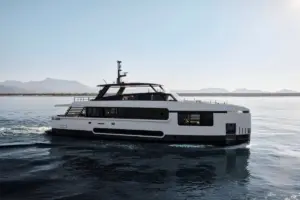
The display of watercraft at SYF 2026 offered a comprehensive cross-section of the global maritime market, specifically tailored to the nuances of Southeast Asian cruising grounds. The spectrum ranged from nimble, easily maneuverable sailing catamarans designed for entry-level charterers to expansive, tri-deck superyachts capable of long-range ocean passages.
Among the most talked-about vessels drawing crowds along the pontoons were several high-profile flagship models:
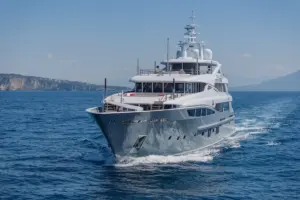
- The Princess Y95: Exemplifying modern British craftsmanship, this vessel showcased the pinnacle of volume, expansive deck spaces, and sophisticated interior design, proving intensely popular among buyers looking for volume and luxury in a manageable footprint.
- The Nomad 101: Representing Gulf Craft’s engineering prowess, this long-range cruiser highlighted the exact blend of rugged capability and lavish comfort required for extended exploration of remote island chains.
- The Sanlorenzo SD118: A masterclass in asymmetrical design and Italian elegance, the SD118 captured the attention of sophisticated connoisseurs looking for custom layout configurations and seamless indoor-outdoor living.
Experiential Programming and On-Water Engagement
A defining characteristic of the 2026 festival was its departure from static viewings in favor of dynamic, hands-on participation. Understanding that modern luxury consumers demand tactile experiences, organizers engineered a series of interactive touchpoints that deeply engaged the public.
Chief among these were the daily "joy rides" to Singapore’s picturesque Southern Islands. Consistently oversubscribed, these excursions provided novices and prospective charter clients with their maiden voyage on luxury platforms. By removing the intimidation factor often associated with superyachts, these sea trials played a critical conversion role, translating curious onlookers into committed charter leads.
Concurrently, demonstrations of cutting-edge watersports equipment, Seabobs, electric foils, and wellness-centric lifestyle sessions drew enthusiastic crowds. These activities signaled a broader industry evolution: today’s charter clientele are not looking to simply anchor and admire the view; they demand immersive itineraries anchored by activity, wellness, and adventure.
Supporting Context & Metrics: The Economics of the Asian Charter Market
Behind the glittering displays of luxury yachts and supercars lies a compelling economic narrative. The data emerging from SYF 2026 highlights a mature, high-yielding market that is fundamentally reshaping global marine industry projections.
The Superyacht Economic Ripple Effect
Economic impact models and estimates presented during the festival shed light on the tangible value that visiting superyachts bring to regional economies. Industry figures indicate that a single visiting superyacht contributes an estimated S$110,000 per visit directly to local service providers. This economic footprint extends far beyond marina berth fees, rippling outward into provisioning, fuel bunkering, luxury tourism, high-end hospitality, private security, and localized technical maintenance. As Southeast Asian governments—particularly in Singapore, Thailand, Indonesia, and Malaysia—streamline customs clearances and upgrade port facilities, the region is capturing a significantly larger share of global superyacht cruising itineraries.
A Maturing Domestic Ownership and Charter Base
For decades, the Asian yachting market was viewed through the lens of transient international tourism or Western expatriate patronage. SYF 2026 shattered that outdated paradigm.
Key statistical insights underline a profound domestic maturation:
- Global Market Share: The Asia-Pacific region currently accounts for approximately 23% of total global yacht charter revenue.
- Indigenous Ownership: Crucially, the vast majority of superyachts stationed in Asian waters are now owned by Asian nationals.
- Consumer Demographics: This structural shift points to a self-sustaining regional market where charter demand is increasingly driven by local entrepreneurs, corporate captains of industry, and domestic HNWIs, rather than solely by visitors from Europe or the Americas.
Changing Vessel Preferences: Multihulls and Hybrid Efficiency
The composition of fleets on display at Sentosa Cove also revealed changing preferences in vessel design. The heavy presence of multihulls—specifically modern catamarans—alongside hybrid propulsion systems and yachts with expansive beach club configurations, reflects the specific geographic demands of Southeast Asian cruising.
With island-hopping itineraries, shallow-draft anchorages, and relatively short charter durations favored in destinations like the Riau Islands, Phuket, and the Mergui Archipelago, charterers increasingly prioritize stability, deck space, fuel efficiency, and effortless water access. Modern catamarans and volume-optimized yachts deliver these qualities in abundance, aligning perfectly with the lifestyle demands of contemporary charter guests.
Official Statements and Industry Insights
The sentiment on the docks during SYF 2026 was overwhelmingly bullish, with industry leaders and regional executives voicing confidence in the trajectory of the Asian maritime sector.
Navigating the nuances of this expanding market requires strategic foresight from regional leaders. Discussing the broader strokes of regional manufacturing and market penetration, Gulf Craft CEO Erwin Bamps, in an exclusive industry dialogue, emphasized the critical need for localized design adaptation. Bamps noted that Asian clientele increasingly demand vessels optimized for family-centric cruising, entertaining on a grand scale, and seamless climate-control integration—factors that European shipyards are increasingly rushing to incorporate into their semi-custom platforms.
Furthermore, leading charter brokers and marina operators at the event reported a noticeable acceleration in booking inquiries. A senior representative from a leading regional brokerage remarked:
"What we witnessed at SYF 2026 was not casual window shopping. The profile of the attendee has evolved dramatically. Clients arrive informed, with specific geographical itineraries in mind, and ready to secure vessels ranging from 80 feet to well over 150 feet. The infrastructure catch-up in Southeast Asia has finally met the capital appetite."
Fleet managers echoed these sentiments, noting that charter contracts originating from Singaporean and regional hubs are trending toward longer durations, higher-tier provisioning requests, and multi-destination cruising blueprints that cross national maritime boundaries.
Future Outlook: Looking Ahead to SYF 2027 and Beyond
As the anchor drops on the 2026 edition, planning for the future is already well underway. Organizers have officially confirmed that the Singapore Yachting Festival will return in April 2027, promising an even more ambitious footprint, deeper B2B networking components, and an expanded focus on charter-led discovery programs.
Strategic Roadmap for 2027
Looking toward next year, SYF intends to double down on the initiatives that proved overwhelmingly successful in 2026:
- Expanded On-Water Access: Plans are already in motion to increase the scale and frequency of the popular "joy rides," opening up even more accessible entry points for first-time boat buyers and aspiring charter clients.
- Sustainability and Innovation: With global maritime regulations tightening, the 2027 showcase will place a heightened emphasis on hybrid propulsion, solar integration, and sustainable marina operations—key concerns for the environmentally conscious next generation of Asian wealth.
- Cross-Border Cruising Synergy: Organizers are actively collaborating with regional tourism boards in neighboring countries to streamline multi-destination charter regulations, aiming to make seamless cross-border itineraries between Singapore, Malaysia, and Indonesia a reality.
The Verdict for Charter Professionals
The overarching message resonating from the Singapore Yachting Festival 2026 is unambiguous: Asia has officially graduated from an emerging frontier to a core, indispensable growth engine for the global yachting and charter industries.
For charter brokers, fleet managers, and marine service providers, the window of opportunity is wide open. Backed by expanding maritime infrastructure, a rapidly scaling pool of domestic HNWIs, and an insatiable appetite for experiential luxury, the Southeast Asian charter market is moving at full throttle—and its momentum shows no signs of slowing down.
For those seeking tailored guidance on securing an elite vessel for the upcoming cruising season, prospective clients are invited to contact our expert charter management team today to explore bespoke itineraries across Asia’s most breathtaking waters.