








Executive Overview
For nearly a quarter of a century, the whitewater paddling industry has chased a ghost. Ever since participation metrics peaked around the turn of the millennium—coinciding with the aging out of the Baby Boomer demographic—paddling federations, gear manufacturers, and instructional schools have steadily watered down their pitch. In an effort to make the sport more palatable, accessible, and non-threatening to risk-averse consumers, marketing departments have systematically sanded away the rough edges of whitewater kayaking and canoeing.
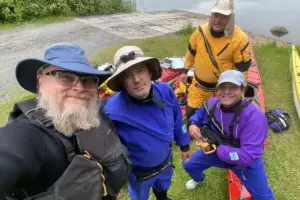
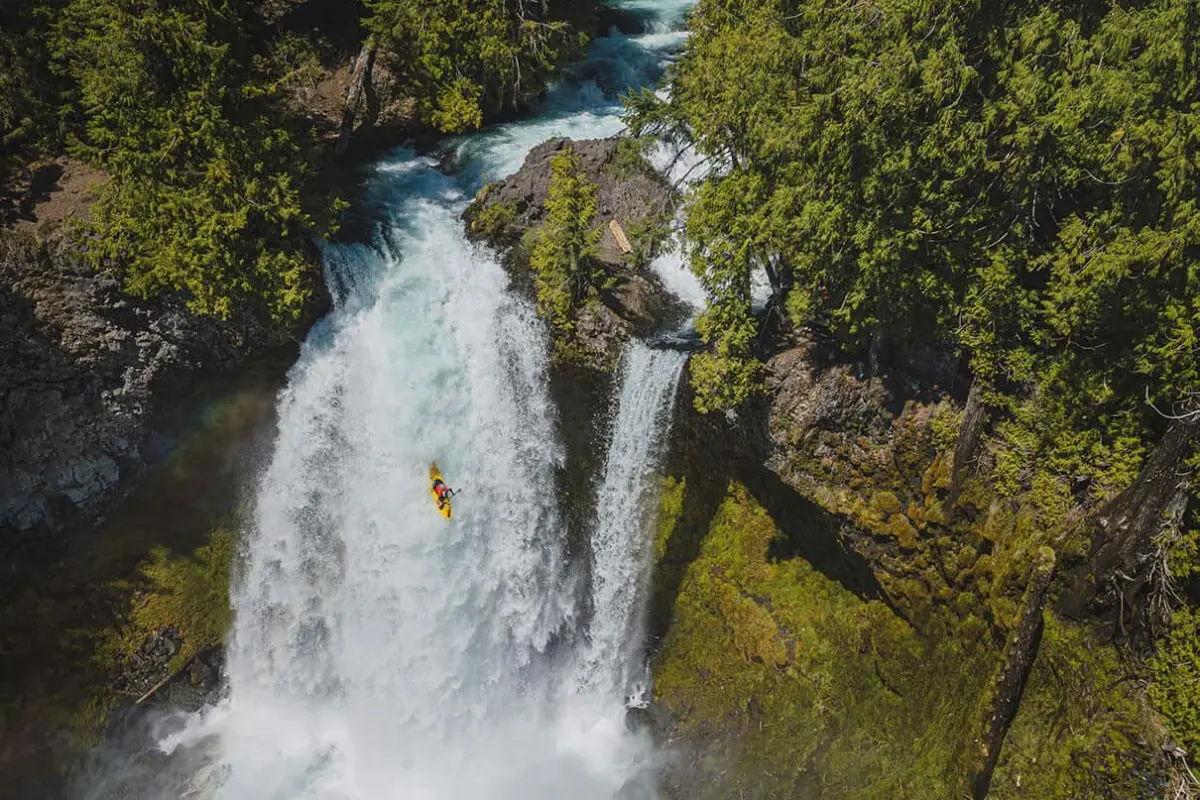
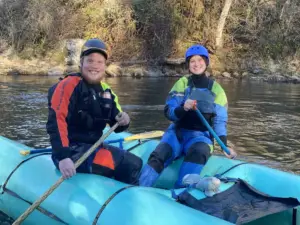
The strategy has been uniform and pervasive: replace adrenaline-soaked imagery of plummeting waterfalls with serene photographs of smiling students shoulder-to-shoulder in calm eddies. Swap out discussions of raw power, fear, and consequence for comforting assurances about pool-practice roll sessions, gentle Class II rivers, and post-paddle camaraderie.
Yet, as this extensive analysis reveals, this sanitation of the sport may be doing more harm than good. By overcorrecting to soothe the apprehensions of the hesitant, the industry risks alienating the exact demographic it needs most: individuals naturally drawn to the raw, untamed badassness of whitewater sports. Drawing on industry trends, historical marketing shifts, and comparative outdoor recreation models like skiing and snowboarding, this report investigates whether the sport’s existential crisis stems from embracing too much risk—or failing to own up to it.
Detailed Chronology: The Evolution of Whitewater Marketing
To understand how the whitewater industry arrived at its current promotional paradox, one must examine the historical trajectory of outdoor adventure marketing over the last thirty years.
The Peak and the Pivot (Late 1990s – Early 2000s)
During the height of the whitewater boom in the late 1990s, the sport enjoyed a robust cultural footprint fueled by rugged exploration, cinematic river documentaries, and a demographic wave of Boomer enthusiasts. However, as that core generation aged out of high-impact river running around 2001, participation rates flatlined and began a slow, stubborn decline.
Faced with shrinking customer pipelines, outfitters and instructional hubs realized that traditional marketing—often dominated by extreme images of boaters running steep drops—was hitting a brick wall. The general public viewed whitewater not as an exciting hobby, but as an extreme, high-mortality hazard reserved for adrenaline junkies and reckless thrill-seekers.
The Gentle Revolution (2005 – 2015)
In response, the industry initiated a soft-sell revolution. Paddling schools, tourism boards, and gear brands began sanitizing their public-facing profiles. Instruction campaigns shifted focus away from the river’s intimidating mechanics and onto safety, comfort, and inclusivity. Prominent figures, including legendary whitewater Olympian, instructor, and author Kent Ford, crisscrossed the country on campaigns explicitly designed to "make Class II cool again."

While the underlying safety precautions and the promotion of manageable river sections were pedagogically sound, the cultural side effect was profound. Marketing imagery pivoted toward yoga-retreat aesthetics: serene paddle high-fives, gourmet riverside lunches, and placid water.
The Identity Crisis of Modern Paddling Media (Present Day)
Today, outdoor media outlets and equipment manufacturers find themselves caught in a tug-of-war between authenticity and accessibility. Editors face institutional pressure to tone down photography, shelving heavy-consequence drops in favor of family-friendly, low-consequence environments.
This brings us to a modern-day thought experiment: Imagine if the ski industry operated under the same sanitized logic. If ski magazines refused to publish aspirational imagery of athletes like Glen Plake, Scot Schmidt, or Ingrid Backstrom; if premier ski films exclusively showcased green groomers; and if the sport attempted to recruit newcomers by highlighting the awkward, halting snowplow turns of a beginner beside a magic carpet. While skiing would technically remain accessible to all, its cultural magnetism would evaporate.
Supporting Context & Metrics: The Cost of Sanitizing Adventure
The core issue facing the whitewater community is a fundamental misunderstanding of conversion psychology. Are risk-averse skeptics actually being converted into lifelong enthusiasts by watered-down marketing? Or are we simply filtering out the exact personalities who would thrive in the sport if presented with its genuine, unfiltered nature?
The "Megan" Phenomenon at The Den
Consider a common scene in mountain towns like Revelstoke, British Columbia. At a local establishment like The Den, a seasoned river runner chats with a bartender named Megan. Megan is a hardcore snowboarder who regularly sends it off natural features on the mountain; she possesses the coordination, fear management, and spatial awareness ideal for whitewater kayaking. Yet, when asked if she paddles whitewater, her response is immediate and defensive: "Too scary."
The instinctual reaction of the seasoned paddler is defensive reassurance: “It’s not all 30-foot waterfalls. You can learn to roll in the pool. It’s all in the hips.”
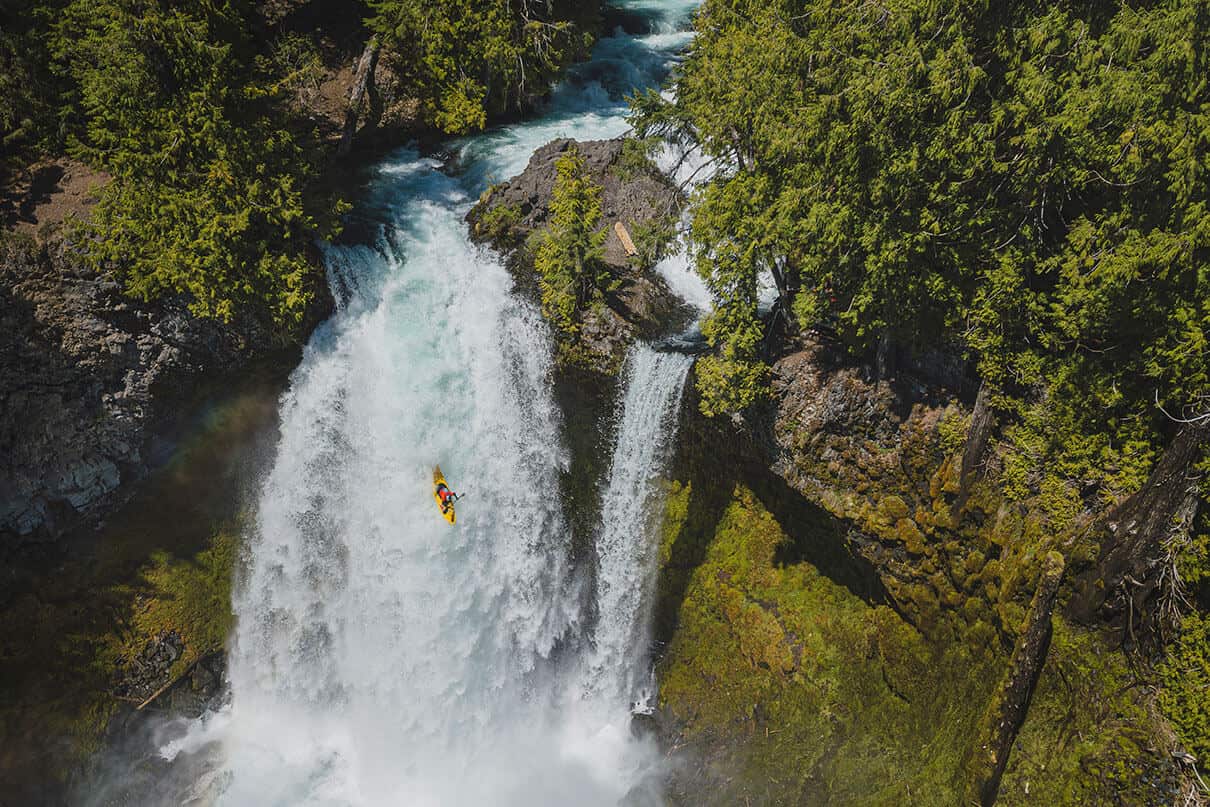
It is the exact same pitch the community has been reciting for decades—and it almost never works. Megan’s boyfriend likely told her the exact same thing. She isn’t biting because the pitch itself feels disingenuous. It attempts to invalidate a very real, healthy respect for moving water rather than acknowledging the legitimate challenge of the sport.
Comparative Industry Models: Snowsports vs. Paddling
The contrast between how skiing and whitewater market themselves is stark. Snowsports embrace a dual-track strategy:
- The Reality: Beginners learn on bunny hills, make mistakes, and execute awkward snowplow turns.
- The Aspiration: Major media, films, and gear brands constantly beam high-consequence, gravity-defying athletic feats into the public consciousness.
Skiers do not hide the steep, jagged peaks; they use them as a beacon. Whitewater, conversely, has frequently hidden its steep, jagged peaks in an attempt to make the bunny hill look like the destination itself. By burying the inherent adventure and edge of the sport, the industry risks stripping away the very mythology that creates long-term brand loyalty and cultural cachet.
Official Perspectives & Industry Insights
To reverse this trend, outdoor educators and media veterans argue that the paddling industry needs to fundamentally alter its foundational dialogue with newcomers.
Rethinking the Initial Hook
For generations, paddling schools have focused extensively on addressing why people shouldn’t be afraid. Instructors spend hours breaking down safety statistics, emphasizing rescue gear, and normalizing fear. However, in doing so, they rarely ask students the most vital diagnostic question: What attracted you to whitewater in the first place?
Industry insiders note that introductory courses rarely survey students on their underlying motivations. Are modern participants driven by generic buzzwords like adrenaline and adventure? Or are they chasing deeper goals:
- Exploring remote wilderness corridors inaccessible by land?
- Surfing dynamic river waves?
- Navigating complex technical drops or testing speed through competitive gates?
If the industry does not understand what naturally pulls individuals toward the sport today, it cannot effectively market to them. Instead of tailoring the message to the most hesitant demographic—those who may never truly embrace the river—brands should focus on amplifying the authentic motivations of those who feel a natural, albeit intimidating, pull toward moving water.
Embracing the Reality of the Learning Curve
Reframing the marketing strategy does not mean abandoning safe instructional practices. Introductory courses will—and should—continue to take place on manageable, forgiving Class II sections of river. Students will inevitably wobble, miss eddies, and flip over on their first attempts, just as generations of paddlers did before them.
The difference lies in the emotional framing. The experience should still be communicated as extreme, challenging, and adventurous. The splashy smiles and paddle high-fives will still be there—they will simply be earned through an honest acknowledgment of the river’s power, rather than a sugar-coated minimization of it.
Future Outlook: Reclaiming the Edge of Adventure
As the outdoor recreation landscape evolves in an increasingly digital and hyper-connected world, authenticity is currency. Consumers can easily spot manufactured marketing designed to minimize risk to an unrealistic degree.
To secure the next generation of paddlers, the whitewater community must consider a bold pivot:
- Stop Apologizing for the Risk: Acknowledge that whitewater is inherently challenging, dynamic, and serious. Respect the fear; do not try to erase it with marketing platitudes.
- Restore Aspirational Imagery: Bring back the dynamic, high-energy media that showcases the upper limits of the sport. Let beginners know that while they are learning on Class II, they are stepping into a discipline with deep, rich, and thrilling performance traditions.
- Listen to the Newcomer’s Core Desires: Shift market research away from mitigating fear and toward understanding ambition. Find out what people want to achieve on the water—whether it is wilderness solitude or technical mastery—and build marketing narratives around those goals.
By aligning promotional strategies with the genuine spirit of adventure that has always defined river sports, the whitewater community can stop chasing reluctant skeptics and start inspiring the next wave of passionate river stewards.