





Executive Overview
For millions of travelers across the globe, the word "Hawaii" conjures images of emerald-green valleys, white-sand beaches, and dramatic sea cliffs crashing into the Pacific. It is the ultimate bucket-list destination—a tropical sanctuary offering world-class surfing, pristine hiking trails, and secluded beachfront resorts. Yet, beneath the postcard-perfect vistas and laid-back "aloha" spirit lies a harsh, grinding reality that locals have navigated for years and that visitors are increasingly forced to confront: getting around by car.
According to a comprehensive new study released by personal finance powerhouse WalletHub, the Aloha State has been ranked dead last, earning the dubious distinction of being America’s worst state to drive in for 2026.
Scoring a dismal 43.34 out of a possible 100 points, Hawaii lagged behind notoriously congested and sprawling states like California (47.67), New York (57.52), and Florida (61.17). By comparison, the Green Mountain State of Vermont claimed the top spot in the country with a score of 63.08.

At first glance, this ranking might baffle those who picture empty coastal byways and gentle ocean breezes. However, WalletHub’s methodology cuts deeper than surface aesthetics, evaluating states across four critical pillars:
- Cost of ownership and maintenance
- Traffic and infrastructure
- Safety
- Access to vehicles and maintenance
While Hawaii posted strong numbers in driver safety, it plummeted to the bottom of the index due to skyrocketing vehicle maintenance costs, prohibitive vehicle access metrics, punishing rental car taxes, and relentless traffic bottlenecks. This investigative report breaks down the factors that earned Hawaii this unwanted crown, examines what the data truly means for tourists and residents alike, and explores whether the driving headache is worth the tropical payoff.
Detailed Chronology: How the Aloha State Hit Rock Bottom
To understand how Hawaii secured the bottom slot in WalletHub’s 2026 rankings, it is necessary to examine the compounding pressures that have transformed the state’s transportation landscape over the last decade.
The Post-Pandemic Rental Car Crunch (2020–2022)
The structural vulnerabilities of Hawaii’s transportation system were laid bare during the COVID-19 pandemic. When global travel ground to a sudden halt in early 2020, rental car companies in the islands—facing catastrophic revenue losses—sold off massive portions of their fleets to maintain liquidity. Thousands of vehicles were shipped to the mainland or auctioned off.

When tourism roared back faster and stronger than anticipated in late 2021 and 2022, a severe vehicle shortage ensued. Rental car prices skyrocketed to unprecedented levels, with daily rates occasionally eclipsing $500 a day on islands like Maui and Kauai. While fleets have largely rebounded by 2026, the baseline cost of operating, registering, and maintaining vehicles in an isolated island chain has structurally shifted upward, cementing Hawaii’s low scores in "access to vehicles and maintenance."
Infrastructure Strain and the Housing-Tourism Clash (2023–2025)
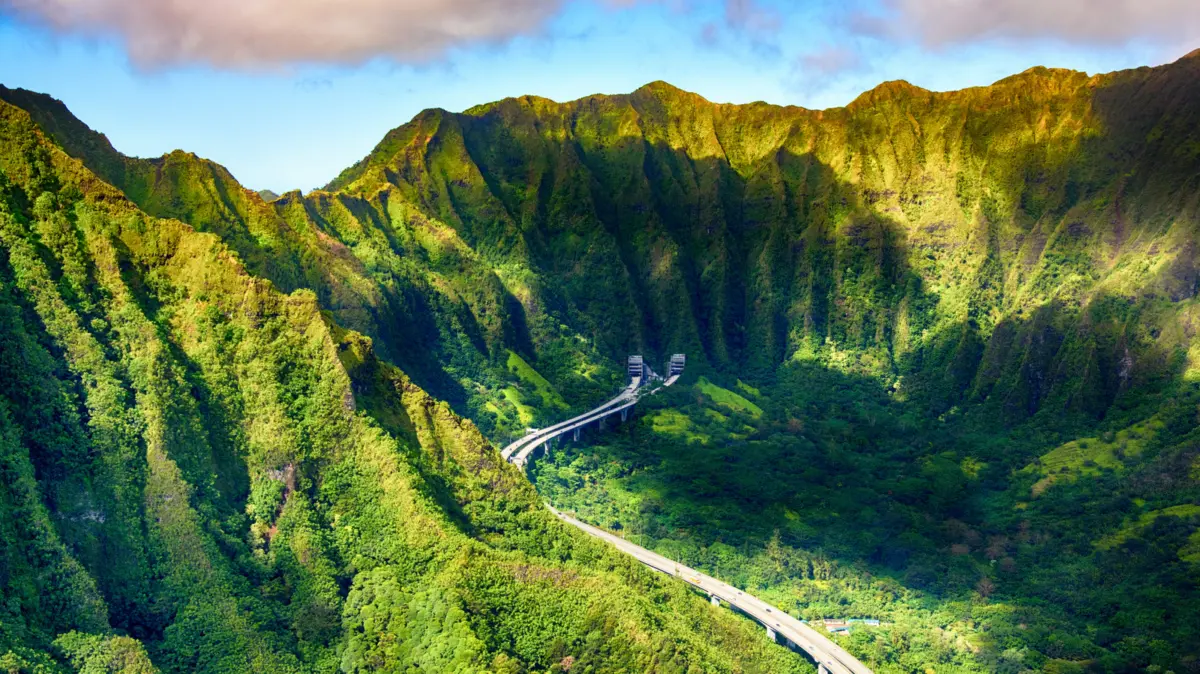
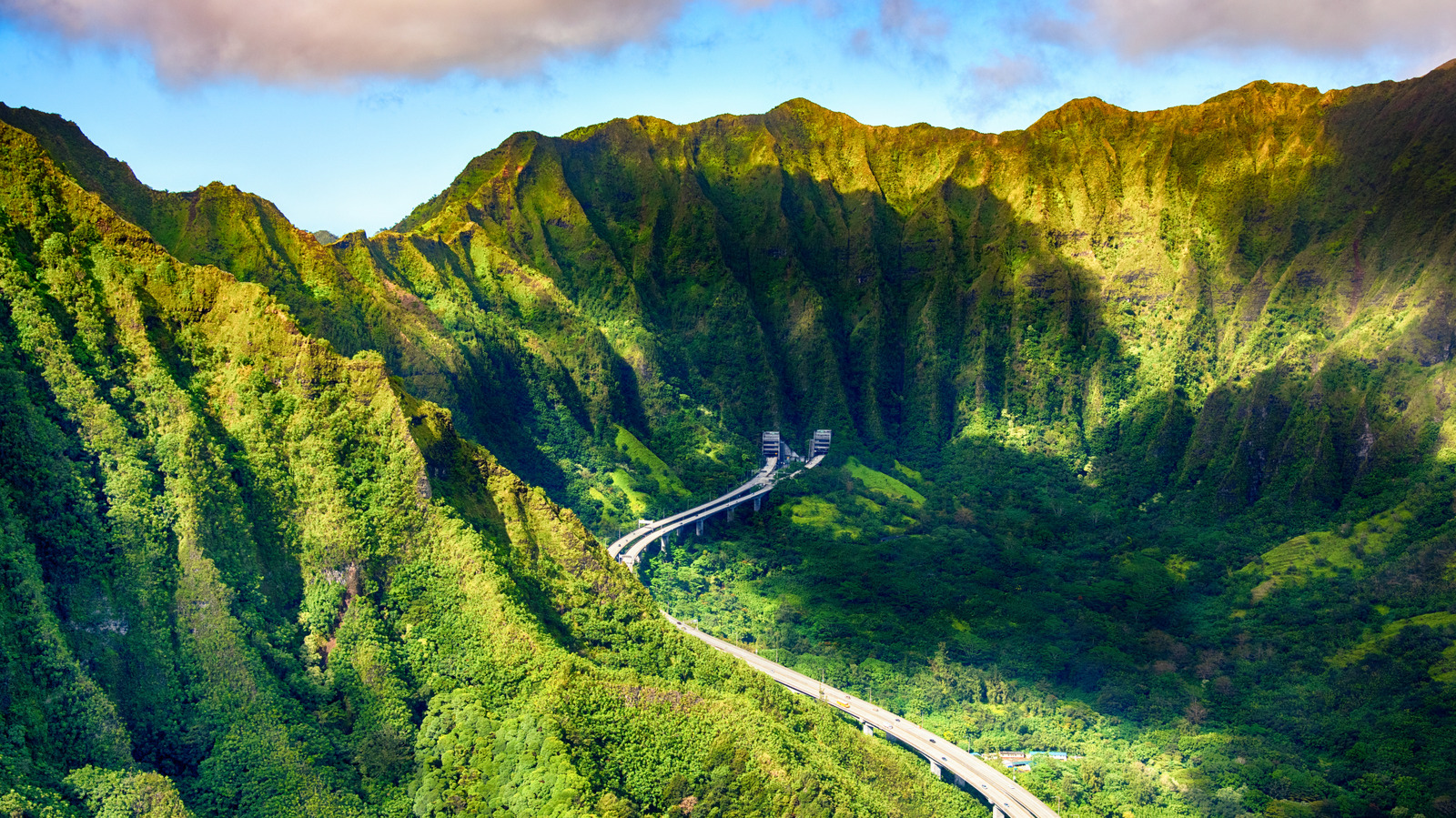
As visitor arrivals bounced back to near-record highs, the state’s limited infrastructure began to buckle under the strain. Unlike mainland states, where interstate highways can be widened or alternate routes can be paved through open land, Hawaii’s geography strictly limits road expansion. Dense urban developments, steep mountain ranges, and fragile ecosystems mean that engineers cannot simply "build their way out" of traffic congestion.
Over the past three years, local municipalities have grappled with the dual pressures of residential commuter traffic and tourist-heavy rental car caravans clogging historical thoroughfares like the Road to Hana on Maui and the H-1 corridor on Oahu. These localized gridlocks directly penalized Hawaii in WalletHub’s "Traffic and Infrastructure" evaluations.
The 2026 Index Release
The culmination of these long-term structural challenges arrived with the publication of the 2026 Best & Worst States to Drive In report. WalletHub’s data analysts synthesized dozens of metrics—ranging from average gas prices and car insurance rates to rush-hour congestion and road quality indices. When all points were tallied, Hawaii’s cumulative score of 43.34 anchored it firmly at the bottom of the 50-state roster.
Supporting Context & Metrics: Breaking Down the Numbers
A closer inspection of WalletHub’s data reveals a fascinating paradox: the metrics that drag Hawaii down to last place are largely financial and infrastructural, while the metrics concerning human behavior on the road tell a surprisingly positive story.
The Cost Barrier: Ownership, Rentals, and Fuel
Hawaii’s isolation presents a unique economic hurdle for anyone operating a motor vehicle. Because virtually every vehicle, spare part, and gallon of refined petroleum must be shipped thousands of miles across the Pacific Ocean, the cost of ownership and maintenance is remarkably high. In WalletHub’s sub-metrics, Hawaii ranked a miserable 49th in cost of ownership and maintenance.
For tourists renting a car—an absolute necessity for exploring off-the-beaten-path attractions outside of Honolulu—these costs manifest immediately:
- The Rental Car Tax Burden: According to data from the nonpartisan Tax Foundation, the city and county of Honolulu levies a staggering 19.5% tax on rental cars, placing it among the highest in the nation. When combining state surcharges, tourism fees, and local levies, total taxes and fees tacked onto a rental car bill can reach an eye-watering 42%. On Maui, base rental rates routinely hover around $50 per day before fees, taxes, and mandatory insurance options are applied.
- Punitive Fuel Prices: Gasoline in the Aloha State is consistently among the highest in the nation. Average gas prices frequently exceed $5.00 per gallon, sometimes pushing past $5.50 in remote areas of the Big Island or Kauai. A standard one-week vacation involving extensive island exploration can easily add $60 to $180 in pure fuel costs to a traveler’s itinerary.
- Vehicle Access and Availability: Hawaii ranked 46th in access to vehicles and maintenance, reflecting the logistical challenges of servicing complex modern fleets on islands where specialized automotive parts can take weeks to arrive via cargo ship.
Traffic Congestion and Infrastructure Bottlenecks
While mainland drivers contend with sprawling interstate systems, Hawaii’s drivers are funneled into narrow, high-density arteries.
On Oahu, the H-1 freeway serves as the primary economic lifeline, connecting West Oahu and suburban communities to downtown Honolulu and the primary industrial zones. During morning and evening rush hours, this corridor grinds to a agonizing crawl. However, local traffic patterns have a distinct rhythm: midday and late-evening windows offer clear sailing, making timing a critical strategy for savvy commuters and travelers.
Outside of Oahu, rural island routes face entirely different congestion challenges. The famous Road to Hana on Maui—a 64-mile stretch featuring roughly 600 curves and 59 bridges—regularly experiences severe tourist-related congestion. Rental cars creeping along at 15 miles per hour to take in the breathtaking views of waterfalls and coastal cliffs can create miles-long tailbacks, frustrating both locals trying to go about their daily lives and visitors seeking an authentic wilderness experience.
The Bright Spot: Road Safety
Despite its last-place overall finish, Hawaii holds a secret weapon that separates it from other low-ranking states: exceptional road safety.
While states like California and New York struggle with aggressive driving habits, high accident frequencies, and aggressive road rage incidents, Hawaii’s drivers are remarkably docile. According to comprehensive driving safety analyses conducted by insurance giant Allstate, Honolulu has frequently been recognized as one of the safest cities in the United States for motorists.
Local drivers exhibit lower rates of hard-braking, speeding, and mobile phone distraction behind the wheel. WalletHub’s data reflects this phenomenon, awarding Hawaii a stellar 4th-place ranking in the safety category. For travelers anxious about navigating unfamiliar foreign or domestic roads, this statistic provides immense peace of mind: while you may pay dearly for your rental car and sit in traffic, you are sharing the pavement with some of the most courteous and cautious drivers in the country.
Official Statements and Expert Perspectives
The release of the 2026 rankings has sparked widespread debate among transportation officials, tourism boards, and economic analysts across the islands.
Transport economists point out that the WalletHub index utilizes a broad brush that does not fully account for the unique socio-economic realities of island life. “When you evaluate a state like Hawaii using mainland metrics—such as highway miles per capita or cross-state commuting times—the island model is fundamentally disadvantaged,” noted a Honolulu-based urban planning consultant who requested anonymity. “We are dealing with fragile ecosystems, severe geographic constraints, and an economy heavily reliant on a delicate balance between resident needs and visitor influx.”
Meanwhile, tourism advocacy groups emphasize that the high cost of driving should not deter travelers from exploring beyond their resort walls. Representatives from the Hawaii Tourism Authority have consistently stressed the importance of mindful driving and alternative transit options. In recent years, state and county officials have heavily promoted localized shuttle services, bike-sharing networks, and regional bus routes (such as Maui’s bus system and Oahu’s expansive TheBus network) to alleviate the crush of rental cars at overcrowded hotspots like Hanauma Bay, Diamond Head, and the Road to Hana.
Travel industry analysts suggest that the ranking should serve as a wake-up call for budget-conscious vacationers. “Rent-a-car sticker shock is real in Hawaii,” says Sarah Jenkins, senior travel trends analyst for a leading consumer advocacy publication. “Travelers need to factor hidden taxes, parking fees at resort hotels—which can easily run $50 to $70 a night—and high fuel prices into their initial budget, rather than treating them as an afterthought.”
Future Outlook: Navigating the Road Ahead in Paradise
As Hawaii looks toward the latter half of the decade, state lawmakers and transportation agencies are actively grappling with the infrastructure crisis highlighted by the WalletHub report.
Smart Infrastructure and Traffic Management
To combat chronic gridlock on Oahu, city officials are continuing to evaluate and expand mass transit initiatives, most notably the troubled yet advancing Skyline rail project. While the rail line has faced years of political friction and budget overruns, proponents argue that fully integrating the rail system with regional bus networks is the only long-term solution to relieving the crushing vehicular burden on the H-1 corridor.
On the neighbor islands, destination management action plans are increasingly shifting toward visitor dispersal and permit systems. By requiring advance reservations for heavily touristed areas (such as the summit of Haleakala National Park or specific state parks), Maui and Kauai county governments are attempting to smooth out the jagged peaks of tourist traffic, ensuring a safer and more predictable driving environment.
What This Means for Future Visitors
For travelers planning a Hawaiian getaway in 2026 and beyond, the message from the data is clear: do not let the "worst state to drive in" headline scare you away, but plan accordingly.
Driving remains the absolute best way to unlock the true magic of the islands—whether you are chasing hidden waterfalls along the Pepeekeo Scenic Drive on the Big Island, marveling at the lunar landscapes of Haleakala, or cruising the windward coast of Oahu. However, preparation is paramount:
- Budget Realistically: Anticipate high rental car base rates, steep local taxes, and elevated fuel costs. Always check your resort’s overnight parking fees before booking.
- Time Your Trips: Avoid rush hour (typically 6:00 AM to 8:30 AM and 3:30 PM to 6:00 PM) on Oahu, and plan your scenic drives for early morning hours to beat the congestion.
- Embrace the Aloha Spirit on the Road: Remember that Hawaii’s roadways are exceptionally safe precisely because the local culture emphasizes patience and courtesy. Yield to locals, resist the urge to tailgate on winding mountain passes, and take your time.
Ultimately, while Hawaii may sit at the bottom of WalletHub’s spreadsheet for cost and infrastructure, the breathtaking views waiting at the end of those winding, expensive, and crowded roads remain entirely peerless.