






Executive Overview
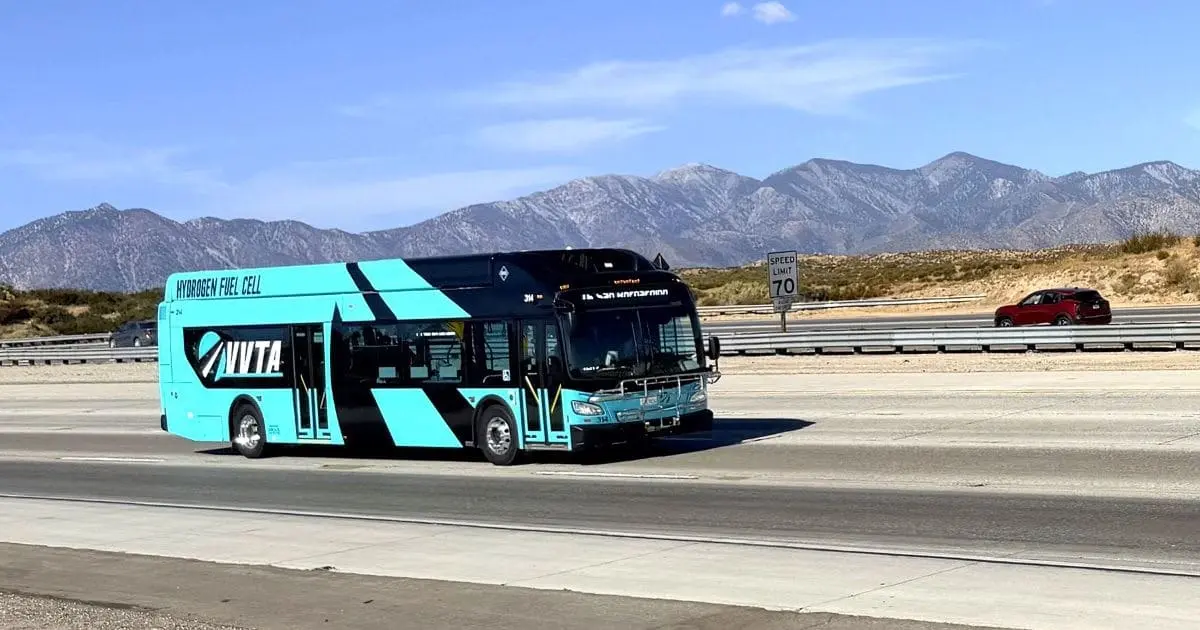
In a milestone development for sustainable public transportation in the American Southwest, the Victor Valley Transit Authority (VVTA) has officially ushered its fleet of advanced hydrogen fuel cell electric buses into active passenger service. Unveiled during a high-profile ribbon-cutting ceremony on January 14, the deployment marks the culmination of years of meticulous strategic planning, inter-agency collaboration, and heavy infrastructure investments designed to transform transit across California’s rugged High Desert region.
The initial rollout encompasses a fleet of 13 state-of-the-art zero-emission buses, which are currently being integrated into daily operations across VVTA’s expansive and geologically diverse service area. Passengers boarding key regional lifelines—most notably Route 15, which links the Victor Valley Transportation Center (VVTC) directly with San Bernardino, Fontana, and the sprawling campus of California State University, San Bernardino (CSUSB)—are already experiencing the quieter, cleaner ride firsthand.
This transition from planning boards to real-world deployment highlights a critical evolutionary step in California’s aggressive broader mandate to eliminate fossil fuel-dependent transit systems entirely. For VVTA, hydrogen technology represents far more than a regulatory box-checking exercise; it is an engineered solution tailored to the unique operational challenges of the High Desert. Characterized by extreme temperature swings, vast geographical expanses, and a complex mixture of urban, rural, and long-distance commuter corridors, the region demands an alternative fuel powertrain capable of matching the endurance of diesel without the environmental toll.
By incorporating hydrogen fuel cells alongside its existing battery-electric fleet—which first debuted in 2019—VVTA is establishing a resilient, diversified zero-emission framework. As these hydrogen buses steadily increase their footprint on local roads, the agency is not only cutting greenhouse gas emissions but also providing a scalable blueprint for regional transit authorities nationwide grappling with the friction between zero-emission mandates and demanding operating ranges.
Detailed Chronology: From Concept to Pavement
The arrival of hydrogen fuel cell buses on California thoroughfares did not happen overnight. The initiative represents a multi-year journey of technical harmonization, engineering design, financial structuring, and multi-sector coordination.
Years of Foundation and Procurement
The groundwork for VVTA’s hydrogen program was laid well before the first vehicle touched asphalt. Recognizing the state’s stringent 2040 targets for complete transition to zero-emission public fleets (under the California Air Resources Board’s Innovative Clean Transit regulation), VVTA leadership began evaluating alternative propulsion technologies years in advance. While battery-electric buses (BEBs) proved highly effective for urban circulator and short-haul routes introduced in 2019, agency planners quickly identified range limitations and charging infrastructure bottlenecks when scaling BEBs to long-distance commuter routes traversing desert mountain passes.
To bridge this gap, VVTA pivoted toward hydrogen fuel cell electric buses (FCEBs). The procurement process required navigating complex supply chains, securing federal and state capital grants, and coordinating with prominent industry manufacturers. The finalized fleet of 13 advanced buses was brought to life through major partnerships with bus manufacturer New Flyer, fuel cell pioneer Ballard Power Systems, and industrial gas leader Linde, which helped develop the necessary fueling infrastructure.
The January 14 Unveiling
The formal debut of the program took place on January 14, during a heavily attended ribbon-cutting ceremony. The event served as a nexus for regional, state, and federal transportation leaders, alongside technical partners who had worked in the trenches to bring the project to fruition. Dignitaries praised the project as a testament to public-private cooperation and a vital leap forward for air quality in the Inland Empire and High Desert basins.
Rather than deploying all 13 buses simultaneously in a high-risk "big bang" approach, VVTA implemented a deliberate, data-driven phased rollout.
The Phased Operational Strategy
As the buses entered active passenger service following the launch, agency officials deliberately paced their distribution across the transit network. This phased deployment serves a dual purpose:
- Real-World Performance Evaluation: Engineers and fleet managers are actively collecting live operational data under the grueling environmental conditions of the High Desert—ranging from freezing winter desert nights to scorching summer heatwaves.
- Staff and Maintenance Acclimatization: Maintenance personnel, drivers, and safety coordinators are systematically integrating the new handling, fueling, and servicing protocols into their daily routines.
According to agency reports, this method ensures maximum reliability and safety, allowing VVTA to optimize the deployment curve as more hydrogen vehicles integrate seamlessly into everyday schedules.
Supporting Context & Metrics: The Science and Geography of High Desert Transit
To fully appreciate the significance of VVTA’s transition, one must examine both the underlying engineering of hydrogen fuel cells and the geographic realities of the region the agency serves.
How Hydrogen Fuel Cell Technology Operates
At its core, a hydrogen fuel cell electric bus is an electric vehicle. However, instead of relying exclusively on massive, heavy lithium-ion battery packs charged solely from the electrical grid, an FCEB generates its own electricity onboard through an electrochemical reaction.
- The Fuel Source: Compressed hydrogen gas is stored in reinforced onboard tanks, typically mounted safely on the vehicle’s roof or undercarriage.
- The Electrochemical Process: Hydrogen is fed into the fuel cell stack, where it meets oxygen drawn from the ambient air.
- The Output: The combination of hydrogen and oxygen produces electricity, which is routed directly to the electric drive motors and secondary onboard batteries.
Crucially, the chemical reaction bypasses combustion entirely. The only byproducts emitted from the tailpipe are pure water vapor and heat. This process provides the immediate torque and smooth acceleration of an electric vehicle while completely eliminating particulate matter, nitrogen oxides ($textNO_x$), and carbon dioxide ($textCO_2$) emissions at the point of operation.
Overcoming the Geographic Tyranny of Distance
VVTA manages one of the most geographically diverse and expansive transit jurisdictions in Southern California. The agency’s routes do not merely circle a single dense urban core; instead, they span across the expansive High Desert, stitch together remote rural communities, and push deep into the urban centers of San Bernardino County via long-distance commuter runs.
+-----------------------------------------------------------------+
|                       VVTA SERVICE ECOSYSTEM                    |
+-----------------------------------------------------------------+
|  [High Desert / Rural] --------> [Route 15 Corridor] ---------> [Urban Cores]
|  - Extreme Temperatures           - 90+ Mile Commutes           - San Bernardino
|  - Vast Distances                 - Heavy Passenger Loads       - Fontana
|  - Sparse Infrastructure          - Mountain Pass Grades        - CSUSB Campus
+-----------------------------------------------------------------+
Consider Route 15, one of the flagship routes now serviced by the new hydrogen fleet. It connects the Victor Valley Transportation Center with major urban hubs and educational institutions like California State University, San Bernardino (CSUSB). This route requires traversing challenging topography, significant elevation changes, and distances exceeding 90 miles round trip under heavy passenger loads.
While traditional battery-electric buses often face diminished battery range when operating heavy HVAC systems in extreme desert heat—or when tackling steep inclines—hydrogen fuel cell buses maintain consistent operating ranges. Refueling a hydrogen bus takes a fraction of the time required to fast-charge a large battery-electric bus, mirroring the rapid turnaround times of conventional diesel coaches and ensuring maximum fleet availability.
Official Statements: Leadership Perspectives on a Sustainable Future
The successful launch of the hydrogen initiative drew enthusiastic commentary from top agency executives and municipal leaders who view the deployment as a turning point for regional air quality and operational resilience.
Rod Goldman, Chief Executive Officer of the Victor Valley Transit Authority, captured the sentiment of the transition during the deployment phase:
"This is an exciting moment for VVTA because our investment in hydrogen technology is no longer something we’re simply planning for; it’s here, and our passengers are starting to benefit from this today. These buses represent our commitment to providing safe and reliable transportation while continuing to embrace technologies that make public transit cleaner, more efficient, and more sustainable for the areas we serve."
Goldman’s remarks emphasize a pragmatic shift in the transit industry: moving away from experimental pilot concepts toward operational integration. For passengers riding the newly outfitted routes, the transition translates directly into a quieter ride, cleaner air in local communities, and modern, reliable transit service.
Regional planning stakeholders have similarly echoed these thoughts, noting that the infrastructure developed to support VVTA’s hydrogen buses—including high-capacity fueling stations and safety protocols—creates a foundational asset for the entire High Desert corridor. By attracting state and federal grant funding, VVTA has demonstrated that smaller and mid-sized regional transit authorities can successfully pioneer cutting-edge clean tech solutions previously thought exclusive to major metropolitan transit mega-agencies.
Future Outlook: Scaling Sustainability and the Road Ahead
As the 13 hydrogen fuel cell buses transition deeper into regular revenue service, VVTA is already looking toward the horizon. The phased rollout is not an isolated project, but rather the cornerstone of a long-term modernization strategy.
Expanding the Fleet and Refining Infrastructure
Over the coming months, agency analysts will review telemetry, maintenance logs, and passenger feedback gathered during the initial deployment phase. This data will prove invaluable as transit planners design the next phases of fleet expansion. As green hydrogen production scales up regionally and statewide, costs are projected to decline, paving the way for future procurement cycles that could see hydrogen buses make up an even larger percentage of VVTA’s overall active roster.
Furthermore, the supporting fueling infrastructure established in partnership with industrial leaders like Linde is designed with scalability in mind. The current station architecture possesses the foundational capacity to support a growing fleet, ensuring that as additional hydrogen vehicles are acquired, the refueling bottlenecks that historically plagued early clean-fuel initiatives are avoided entirely.
Broadening Regional Connectivity
The deployment of zero-emission technology on long-haul commuter corridors like Route 15 aligns seamlessly with broader state infrastructure initiatives, such as the ongoing evolution of the High Desert Corridor and regional rail integrations. By proving that hydrogen technology can reliably conquer the demanding topography and climate extremes of the High Desert, VVTA is positioning itself as a national model for rural-to-urban transit electrification.
In conclusion, the Victor Valley Transit Authority’s introduction of hydrogen fuel cell buses is far more than a fleet upgrade. It is a calculated, forward-thinking investment in public health, environmental stewardship, and technological resilience. As passengers step aboard these sleek, zero-emission vehicles traversing the High Desert highways, they are riding not just toward their personal destinations, but toward a cleaner, more sustainable future for public transit in California and beyond.