








By Blake Aued
Published: September 1, 2026
Executive Overview
In modern American journalism, few editorial disconnects are as glaring—or as lethal—as the mainstream media’s framing of urban infrastructure. When major publications like The New York Times turn their lens toward the expansion of urban bike lanes, pedestrian plazas, and traffic-calming measures, they routinely slip into a predictable, tired register. Rather than evaluating these interventions through the empirical lens of public health, traffic safety, and mortality statistics, mainstream reporting frequently reduces structural street redesigns to the status of a high-stakes partisan chessboard.
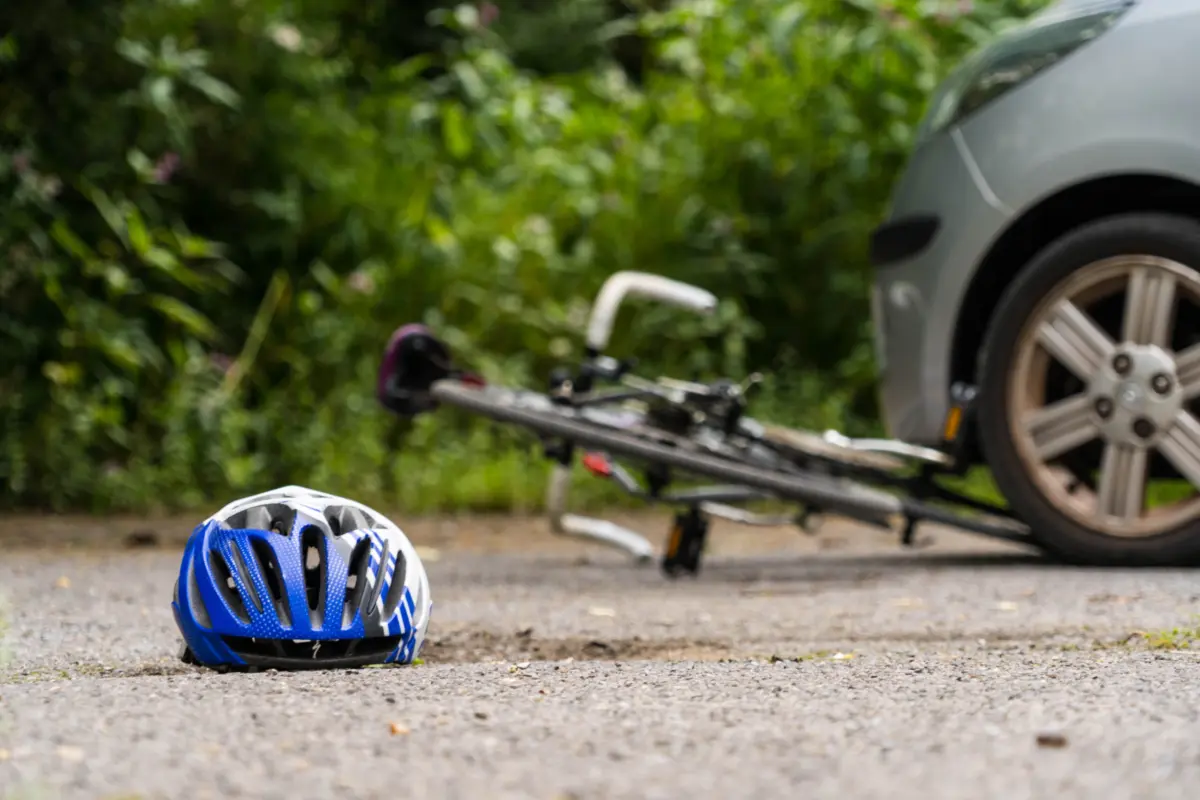
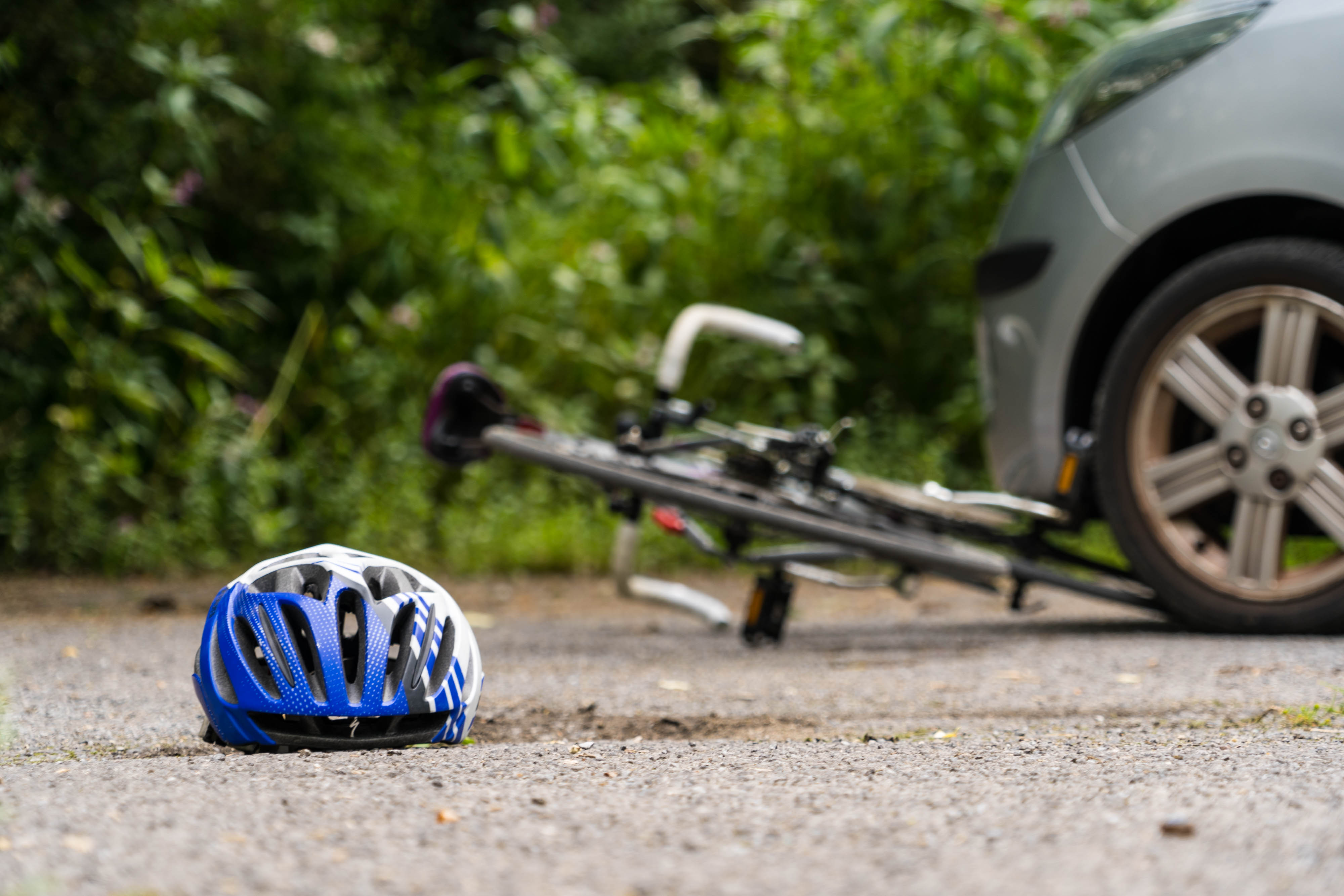
The ongoing narrative treats protected bike lanes not as evidence-backed tools designed to save human lives, but as cultural flashpoints—convenient proxies for broader identity politics, municipal bickering, and ideological warfare. By framing critical infrastructure projects primarily through the lens of political fallout, media outlets ignore a fundamental reality: protected bike lanes are matters of life and death. When a driver accelerates past a faded painted line and crashes into a cyclist or a pedestrian, the ensuing tragedy is not an abstract ideological debate. It is a preventable catastrophe. This article examines the dangerous disconnect between mainstream political journalism and the hard-hitting reality of urban street safety, exploring why legacy media outlets continue to miss the forest for the trees when covering America’s ongoing mobility revolution.

Detailed Chronology: How Infrastructure Became a Partisan Sport
To understand how the conversation surrounding urban street design devolved into a culture-war proxy, one must examine the shifting trajectory of municipal planning over the past two decades.
Phase One: The Vision Zero Awakening (Early 2010s)
In the wake of early progressive urban planning initiatives—most notably New York City’s Vision Zero campaign under the Bloomberg administration—bike lanes and pedestrianization were initially framed as technocratic solutions. Planners, civil engineers, and public health officials pointed to international models like Copenhagen and Amsterdam, arguing that reducing vehicular speeds and physical separation of vulnerable road users would naturally drive down traffic fatalities. During this era, mainstream coverage largely treated bike lanes as quirky local updates: the addition of green paint on asphalt was seen as a nod to environmentalism and municipal modernization.
Phase Two: The Suburbanization and Politicization of Commuting (Late 2010s)
As protected bike infrastructure spread from dense urban cores into commercial strips, outer boroughs, and mid-sized cities, the political calculus shifted. Business owners worried about lost parking spots; motorists chafed at reduced lane widths designed to curb speeding; and conservative commentators began painting bike lanes as symbols of gentrification, state overreach, and coastal elitism.
Mainstream outlets seized on these local grievances, discovering that controversy drove clicks. Articles began focusing disproportionately on neighborhood blowups at community board meetings rather than the steady, downward trend of traffic injuries where infrastructure was successfully installed.
Phase Three: The Cultural and Ideological Framing of the 2020s
By 2026, the mainstream press had fully embraced a framing mechanism that equates urban planning with political polarization. Outlets frequently analyze bicycle infrastructure through the lens of cultural identity—at times absurdly attempting to link traffic engineering choices to contemporary Diversity, Equity, and Inclusion (DEI) debates, or framing them simply as political victories and defeats for incumbent mayors.
When a city council votes to approve or strip out a protected corridor, the coverage fixates on the next election cycle, the anger of frustrated commuters, or the optics of political compromise. Lost entirely in the cacophony of punditry is the voices of crash survivors, grieving families, and traffic safety experts who view asphalt and concrete not as political statements, but as shields against kinetic violence.
Supporting Context & Metrics: The Human Cost of Misinformed Coverage
The failure of mainstream reporting to accurately prioritize the gravity of street safety has tangible consequences. When infrastructure is debated as a mere lifestyle choice or a partisan luxury, it becomes much easier for local governments to delay, water down, or entirely scrap life-saving projects under pressure from vocal, car-centric minorities.

The Lethality of American Roads
The United States remains an outlier among wealthy nations regarding traffic violence. According to data compiled by the National Highway Traffic Safety Administration (NHTSA) and the Governors Highway Safety Association (GHSA), tens of thousands of pedestrians and cyclists are killed on American roads every year—a rate that dwarfs per-capita fatalities in Western Europe and parts of Asia.
[Traditional Street Design]  ---> High Speeds, Painted Lines ---> Elevated Mortality Rates
[Protected Infrastructure]  ---> Physical Barriers, Narrower Lanes ---> Significant Drop in Crashes
Empirical studies consistently demonstrate that painted lines offer little to no protection against distracted or impaired motorists. Protected bike lanes—those featuring physical barriers such as concrete medians, parked cars, or bollards—reduce cyclist injuries and fatalities by up to 50% or more on busy urban corridors.
The Cost of Media Misdirection
When outlets like The Times prioritize the political fallout of a bike lane over its engineering efficacy, they implicitly validate the narrative that bike lanes are dispensable amenities. This creates a dangerous double standard:
- Road Widening: Treated as an objective, neutral response to economic growth or traffic congestion.
- Bike Lane Installation: Treated as a controversial, highly ideological intrusion on the status quo that requires constant political justification.
This skewed baseline distorts public perception. It frames the status quo—where thousands of citizens are maimed or killed annually by multi-ton motor vehicles—as safe and natural, while characterizing attempts to civilize the streetscape as radical experiments.
Official Statements and Industry Perspectives
Urban planners, safety advocates, and municipal leaders have increasingly spoken out against the superficial framing of street safety debates in national media.

"When a journalist reduces a protected bike lane to a political headache for a mayor, they are erasing the human beings who rely on that infrastructure to get to work, school, and home safely every single day," says Dr. Elena Vance, a professor of urban mobility at Columbia University. "We do not debate the ‘political fallout’ of adding guardrails to a dangerous mountain pass. So why do we treat urban streets like a political debate club when lives are actively on the line?"
Advocacy groups have similarly criticized mainstream editorial boards for granting outsized airtime to complaints about traffic delays while ignoring the existential stakes for non-motorized road users.
- The Safe Streets Coalition: Released a white paper in mid-2026 arguing that media coverage focusing purely on "business backlash" or "mayoral popularity" acts as a direct impediment to achieving Vision Zero goals nationwide.
- National League of Cities: Noted in a recent urban planning brief that local politicians are increasingly hesitant to implement proven traffic-calming strategies due to the hostile, culture-war framing propagated by regional and national media outlets.
Future Outlook: Reclaiming the Narrative on Urban Mobility
As American cities grapple with population growth, climate change, and the urgent need to decarbonize transportation, the battle over our public right-of-way will only intensify. The outcome of this struggle will dictate not just how we move, but who survives.
If mainstream journalistic institutions refuse to evolve past the tired trope of viewing bike lanes through a purely political lens, cities will continue to pay a heavy price in blood and congestion. However, a shift is possible—and necessary.
Recommendations for Better Journalistic Practice:
- Center Safety First: Infrastructure stories must begin and end with data on traffic speeds, injury rates, and mortality figures, rather than starting with neighborhood political disputes.
- De-escalate Culture War Tropes: Avoid framing transportation choices through partisan buzzwords or identity politics. A concrete barrier protecting a child riding a bicycle to school is a matter of public safety, not partisan ideology.
- Amplify Impact Over Optics: Give voice to the families of traffic violence victims and transportation equity advocates who understand that changing the physical street is the only proven way to change motorist behavior.
Until the media recognizes that the asphalt beneath our feet is a life-and-death canvas rather than a political playground, the senseless slaughter on American streets will continue unabated, masked behind headlines that care more about the next poll than the next life saved.