



Executive Overview
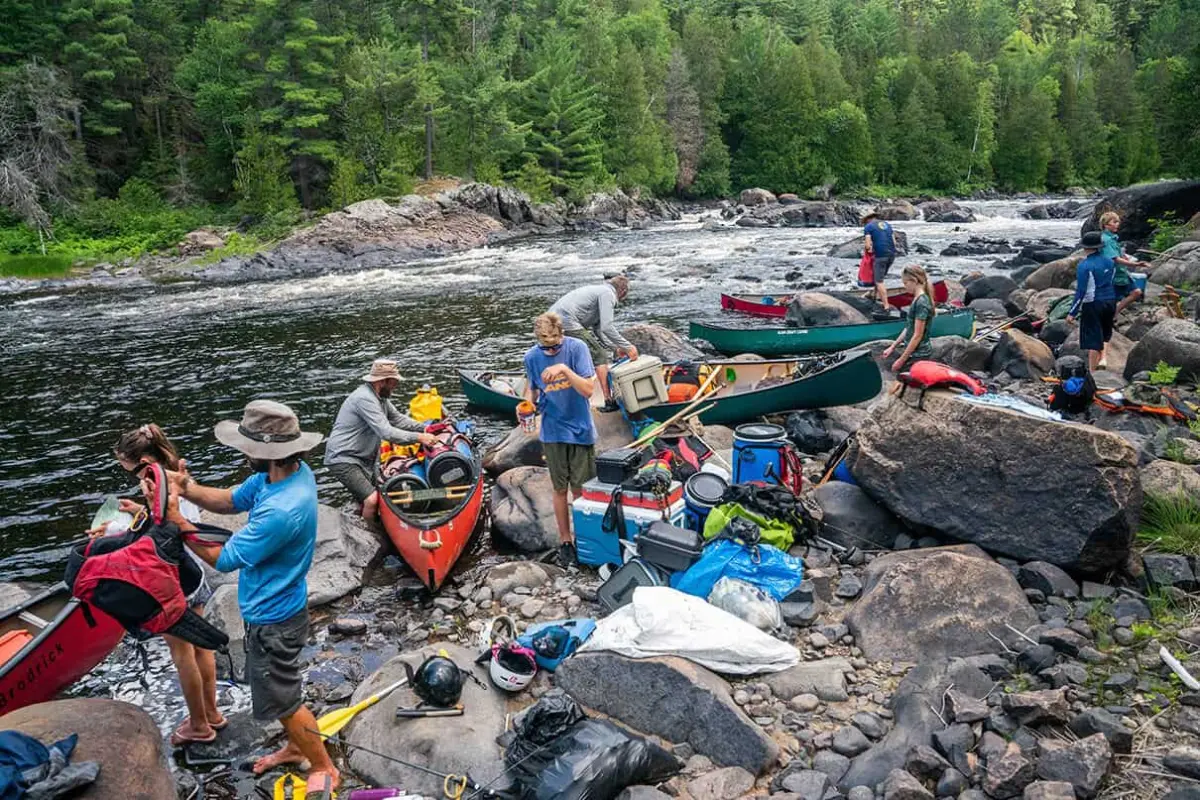
For decades, the unspoken contract of the backcountry was simple: solitude in exchange for sweat, planning, and a willingness to embrace the raw elements. Wilderness was an escape from the hum of modern life, a place where a paddler could glide across a glassy northern lake for hours without seeing another soul, let alone wait in a queue at a portage trail.
Today, that social contract is fraying.
Across North America, a post-pandemic surge in outdoor recreation has packed park campgrounds, triggered fiercely contested permit lotteries, and turned once-remote waterways into bustling nautical highways. Behind this transformation is a modern paradox. For generations, outdoor advocates, conservationists, writers, and outfitters championed a singular crusade: Get people outside. The underlying philosophy was pure and logical—foster a deep, experiential love for nature, and a generation of fierce environmental defenders will naturally emerge to protect it.
Yet, as record-breaking visitation numbers flood national and provincial parks, veterans of the backcountry are confronting the unintended consequences of their own success. Bumper-to-bumper canoe traffic, worn-thin tent pads, scarce firewood, and crowded take-outs have left many wondering if the very act of evangelizing the wilderness is loving it to death.
This is the story of that dilemma—an examination of how the great outdoor awakening is reshaping our wild spaces, testing infrastructure, altering park management, and forcing a reckoning among the very writers and advocates who opened the door.
Detailed Chronology: From Quiet Waters to the Modern Backcountry Boom
To understand how North America’s canoe country reached its current saturation point, it is necessary to trace the evolution of outdoor recreation over the past half-century.
The Era of Solitude (1970s–1990s)
For decades, wilderness travel was largely considered a niche pursuit. While camping had its proponents, multi-day backcountry canoeing required specialized gear, heavy aluminum canoes, intricate route-planning via paper maps, and a high tolerance for physical discomfort. Parks were managed with a hands-off approach; permits were often filled out on a self-serve basis at the trailhead, and solitude was practically guaranteed outside of peak summer weekends. Guidebooks were sparse, often passed down like lore through tight-knit communities of outfitters and outdoor clubs.

The Digital Shift and the Rise of the Guidebook (2000s–2010s)
As outdoor gear evolved—becoming lighter, more accessible, and easier to use—barriers to entry began to lower. Authors, photographers, and journalists began meticulously documenting routes, publishing comprehensive guidebooks, and launching digital blogs detailing hidden gems, secret campsites, and must-paddle rivers. The intent was educational and inspirational: to share the transformative power of nature. However, these publications also served as unintentional roadmaps, systematically cataloging and broadcasting fragile ecosystems to a broader public.
The Pandemic Catalyst and Record Crowds (2020–Present)
The COVID-19 pandemic acted as an unprecedented accelerant for outdoor recreation. Locked down, stressed, and searching for safe, socially distanced avenues of escape, millions of people fled to public lands. What began as a temporary release valve transformed into a permanent cultural shift. Suddenly, canoeing, kayaking, and backcountry camping morphed from subcultures into mainstream lifestyle choices, overwhelming park agencies ill-equipped for the sheer volume of human foot (and paddle) traffic.
Supporting Context & Metrics: The Scale of the Surge
The anecdotal complaints of crowded portages and full parking lots are validated by hard data from across the continent. Visitation metrics paint a vivid picture of a public rediscovering the outdoors on an unprecedented scale.
- United States National Parks: In 2024, the U.S. National Park Service reported a staggering 331.9 million visits, cementing a multi-year trend of soaring numbers that began during the pandemic and show no signs of slowing down.
- Parks Canada: North of the border, the transformation is equally striking. Parks Canada sites recorded more than 23 million visitors in the 2024–2025 fiscal year, a massive leap from the 16 million visitors recorded in 2018–2019.
- General Camping Demographics: According to comprehensive industry reports, 82.4 million Americans went camping last year—representing roughly a quarter of the entire U.S. population. Crucially, this total includes 2.6 million first-time campers, proving that the influx of novices is an ongoing wave rather than a one-time blip.
These numbers illustrate a profound cultural victory for conservation advocacy. More citizens than ever value public lands, understand the importance of fresh air, and seek physical mental health restoration in natural settings. However, the physical footprint of this influx has introduced severe management challenges. Campgrounds face unprecedented wear-and-tear; fragile shorelines suffer from soil compaction; and traditional waste-disposal systems are severely strained.
Official Statements and Perspectives from the Front Lines
The tension between accessibility and preservation has forced park administrators, conservationists, and veteran outdoor writers to re-evaluate how wild spaces are managed.
The Voice of the Guidebook Author
Veteran outdoor writers, who spent decades crafting guidebooks to inspire a love for nature, find themselves caught in a reflective loop. When faced with a six-canoe backup at a remote portage trail—on a route that was once a lonely refuge—the question naturally arises: Should I have written those books?
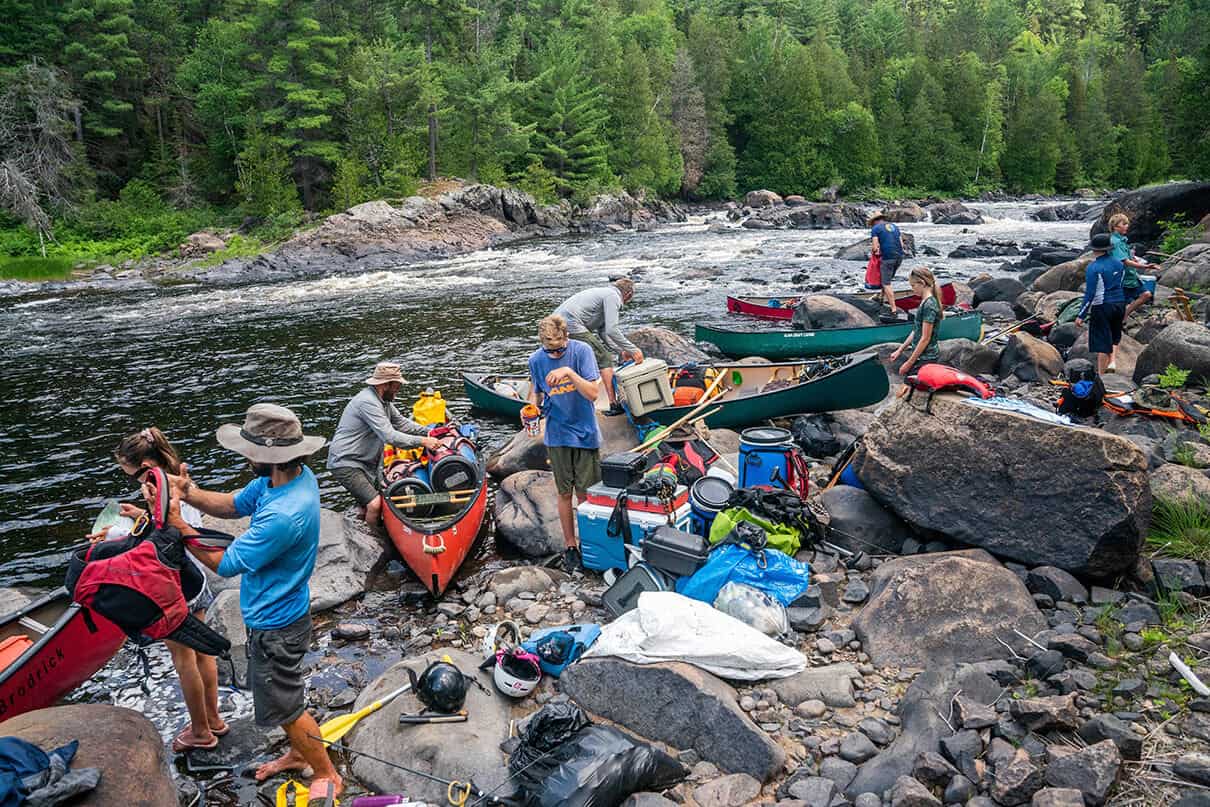
Yet, the consensus among seasoned wilderness advocates leans heavily toward acceptance rather than regret. The rationale remains steadfast: Busy parks do not have to be broken parks.
"Writing canoeing guidebooks seemed innocent enough at the time. I figured if you get more people out into wilderness areas, then they’ll fall in love with it and want to protect it when it comes into peril," reflects long-time author and wilderness advocate Kevin Callan. "At the end of the day, would I have done anything different? Should I have kept all those awe-inspiring secret routes and wilderness escapes to myself? Definitely not. We asked more people to care about wild places. Hopefully, now they do."
The Evolution of Backcountry Etiquette
While the physical impacts—such as worn tent pads, scarce firewood, and occasional litter in fire rings—are undeniable, park officials and outfitters note a simultaneous positive shift in visitor behavior.
Unlike the casual campers of thirty years ago, today’s backcountry paddlers arrive largely prepared. Armed with modern maps, digital permit confirmations, high-grade personal flotation devices (PFDs), and a baseline knowledge of outdoor ethics, the modern novice is remarkably receptive to stewardship education.
Decades of concerted messaging from magazines, outdoor brands, and social media influencers have mainstreamed critical ecological practices:
- Leave No Trace (LNT) principles have become standard vernacular.
- Practices such as bear hangs, proper cathole disposal, and fire bans are widely understood and respected.
- The prohibition of feeding wildlife is heavily enforced and socially policed by campers themselves.
Park rangers and veteran guides report that the vast majority of modern backcountry users are remarkably kind, generous, and ethical. Instances of campers proactively cleaning up trash left by careless visitors have become a testament to an evolving, self-regulating outdoor culture.
Future Outlook: Managing the Success of the Wild
As North America looks toward the future of outdoor recreation, the central challenge is no longer about attracting people to nature, but rather managing that connection sustainably. The paradigm has shifted from marketing wilderness to rationing and protecting it.
1. Advanced Reservation and Quota Systems
To prevent ecological collapse in fragile watersheds, park authorities are increasingly turning to data-driven management tools. Day-use quotas, tiered permit lotteries, and strictly enforced booking windows are becoming the new normal. While these systems frustrate spontaneous travelers, they are essential to ensuring that the carrying capacity of a lake or river system is not breached.
2. Infrastructure Investment and Ecological Hardening
Public agencies are being forced to adapt. Funding must increasingly prioritize the hardening of high-use areas—installing durable tent platforms, modernizing backcountry latrines, and creating designated portage infrastructure that can withstand heavy foot traffic without eroding surrounding soil and root systems.
3. Education as Infrastructure
The education of first-time visitors must be treated as critical infrastructure. Outfitters, gear manufacturers, and digital media platforms share a collective responsibility to integrate conservation ethics directly into the consumer journey. When someone purchases a canoe or books a rental package, environmental stewardship education—how to build a low-impact campfire, how to navigate wildlife encounters, and how to pack out every scrap of waste—must be part of the package.
Conclusion
The crowded portage trail is not a sign of failure; it is the physical manifestation of a successful conservation movement. For decades, advocates fought to ensure that the public valued, funded, and fought for wild places. Now that the public has answered the call in historic numbers, the outdoor community must rise to meet the logistical and ecological realities of that victory.
The solitude of the past may require more effort to find—demanding deeper trip planning, off-peak scheduling, or exploration of lesser-known watersheds. But the core mission remains intact: getting people outside ensures that wilderness remains a priority in the modern world. The crowds are simply the growing pains of a population rediscovering its connection to the earth.