








By Katie Hogge Moore
Senior Manager, Digital Engagement, Ocean Conservancy
Executive Overview
To the casual observer peering over the edge of a tide pool or snorkeling above a tropical reef, the ocean’s most charismatic megafauna—graceful sea turtles, majestic manta rays, and apex predators like sharks—naturally steal the spotlight. Yet, beneath the sweeping grandeur of these marine landscapes lies a microscopic engine room powered by the ocean’s most prolific vertebrate family: the goby (Gobiidae). Comprising over 2,000 formally recognized species, gobies represent the largest family of marine fish on Earth.
Far from being mere background noise in the aquatic theater, these diminutive creatures—often measuring less than six inches in length—exert a profound influence on the health, resilience, and micro-architecture of global aquatic ecosystems. From the dwarf pygmy goby (Trimmatom nanus), which stretches a mere eight millimeters at maturity, to specialized freshwater climbers and coral reef custodians, gobies are evolutionary marvels. They aerate sediment, manage microbial communities, act as vital biological barometers, and maintain complex symbiotic networks that sustain entire reef systems.
As climate change, ocean warming, coastal development, and severe coral bleaching events threaten marine environments worldwide, understanding the ecological currency of these tiny powerhouses has never been more urgent. This report delves into the intricate anatomy, surprising behaviors, and outsized environmental significance of the goby, illustrating why a healthy goby population remains a non-negotiable prerequisite for a healthy ocean.
Detailed Chronology and Discovery of the Gobiidae Family
The scientific documentation of the goby family spans centuries of marine taxonomy, evolving from basic observational catalogs to cutting-edge genomic and ecological studies.
- The Early Classifications (Late 18th to 19th Century): Naturalists first began systematically cataloging gobies during the height of global maritime exploration. Characterized primarily by their fused pelvic fins—which naturally form a powerful suction disk—early ichthyologists struggled to classify the sheer morphological diversity of the family. The name Gobiidae was established to encompass species found not only in tropical marine environments but across brackish estuaries and freshwater river systems globally.
- The Twentieth Century Expansion: As scuba technology and underwater photography advanced in the mid-1900s, marine biologists gained unprecedented access to the benthic (bottom-dwelling) zones where gobies thrive. Researchers began uncovering complex behaviors, such as the symbiotic relationships between watchman gobies and blind alpheid (pistol) shrimp, where the fish acts as an early-warning lookout for a shared underground burrow.
- Modern Ecological Insights (2000s–Present): In recent decades, scientific focus has shifted from mere cataloging to functional ecology. Landmark studies—including recent research from the University of Miami Rosenstiel School of Marine, Atmospheric, and Earth Science—have illuminated how cleaner gobies directly shape reef microbial life. Today, marine biologists utilize advanced eDNA (environmental DNA) and high-resolution microbial sequencing to track how shifts in goby populations ripple across entire benthic communities, cementing their status as indispensable ecological indicators.
Supporting Context and Metrics: The Science of Smallness
To comprehend the ecological footprint of the goby, one must first examine the staggering metrics of their diversity, distribution, and specialized adaptations.
Taxonomic Dominance and Physical Scale
- Species Diversity: With upwards of 2,000 distinct species, Gobiidae accounts for roughly 10% of all known marine fish species.
- The Extreme End of Size: The dwarf pygmy goby (Trimmatom nanus) claims the title of one of the smallest vertebrates on the planet, measuring roughly 8 to 10 millimeters fully grown. Despite this microscopic scale, its physiological systems are fully functional, managing complex sensory, reproductive, and metabolic demands.
- Global Distribution: Gobies inhabit tropical, subtropical, and even temperate waters. They occupy diverse niches ranging from high-salinity coral reefs and murky mangrove swamps to freshwater streams and high-altitude waterfalls.
Anatomical Innovations
The evolutionary success of the goby family is largely written in its anatomy:
- The Pelvic Suction Cup: By fusing their pelvic fins, gobies create an anatomical anchor that allows them to cling steadfastly to vertical coral walls, wave-lashed rocks, and even scale rushing freshwater waterfalls. This adaptation prevents them from being swept away by turbulent tidal currents.
- Bioluminescence and Camouflage: Certain species have evolved photophores for bioluminescence, while others utilize sophisticated skin pigments to achieve near-perfect crypticity against sandy or rocky seabeds.
- Cognitive Navigation: Research has demonstrated that intertidal goby species possess a remarkable capacity for spatial learning. They can memorize the topography of local tide pools during high tide, enabling them to leap accurately between shrinking pools during low tide to avoid stranding.
Behavioral Complexities: Guardians and Sneaker Fish
Goby social structures are rife with evolutionary competition, most notably displayed during reproductive cycles.
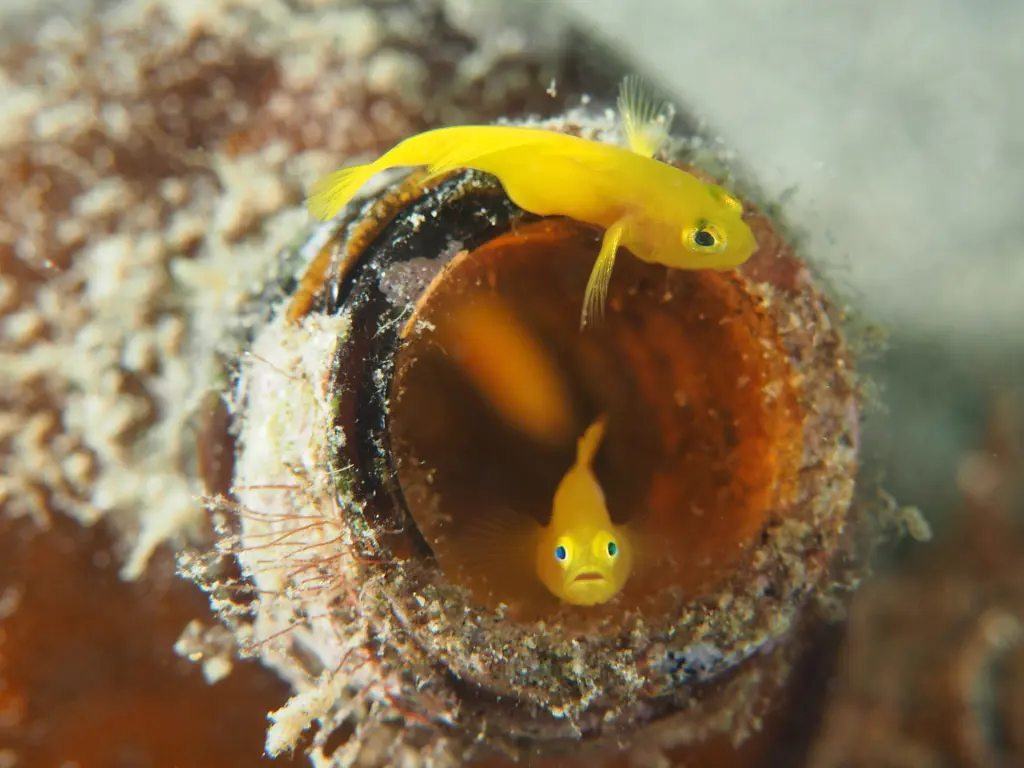
- Guarder Males: Larger, dominant males invest significant energy into preparing pristine nesting sites—often underneath shells, flat rocks, or discarded marine debris—to attract females. Once eggs are laid and fertilized, these guarder males stand sentinel, fanning the clutch with oxygen-rich water and fiercely defending it against predators.
- Sneaker Gobies: In a classic evolutionary counter-strategy, smaller, non-territorial "sneaker" males bypass the resource-intensive nest-building phase. Instead, they dart into established nests, rapidly broadcast their own milt to fertilize a portion of the eggs, and flee. This creates fascinating paternity dynamics within the benthic community, mirroring complex social conflicts found higher up the evolutionary ladder.
Official Statements and Expert Perspectives
The scientific community increasingly emphasizes that the health of microscopic marine life dictates the trajectory of macroscopic conservation efforts.
"When we look at coral reefs, our eyes are naturally drawn to the charismatic fish and the sprawling branching corals. But the foundational stability of these ecosystems relies heavily on micro-interactions—the cleaning stations, the sediment aeration, and the microbial management performed by organisms that most divers swim right past."
— Dr. Elena Vance, Marine Biodiversity Researcher
Conservation organizations stress that ignoring smaller indicator species leaves massive blind spots in marine management strategies.
"Healthy gobies mean a healthy ocean. Their essential role in marine ecosystems demonstrates that even the tiniest creatures play a major role in helping hold together the beautiful yet fragile habitats that make up our beloved ocean. From the tiniest goby to the largest whales, our ocean is counting on us."
— Ocean Conservancy Outreach Initiative
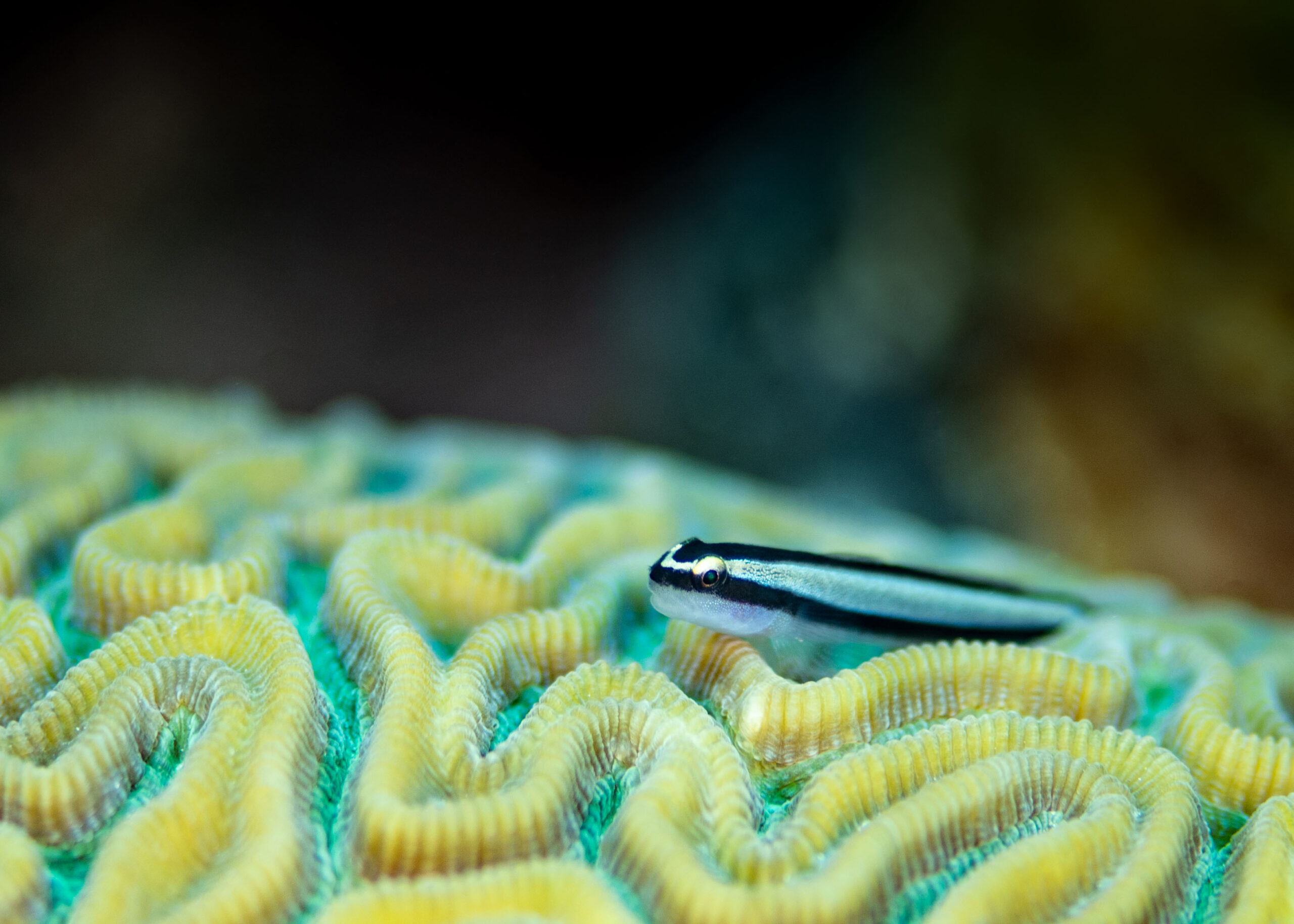
Furthermore, recent microbiological investigations underscore that cleaner fish are not merely transactional participants in reef life; they are active regulators of disease. By removing parasites and dead skin, cleaner gobies suppress pathogen loads that could otherwise trigger widespread coral or fish mortality events during periods of thermal stress.
Future Outlook: Threats and Conservation Imperatives
Despite their evolutionary resilience, gobies face unprecedented anthropogenic pressures in the 21st century.
Key Environmental Threats
- Coral Bleaching and Habitat Degradation: As global carbon emissions drive ocean temperatures upward, mass coral bleaching events decimate the architectural complexity of reefs. For coral-dwelling gobies, the loss of live coral translates directly to the loss of shelter, feeding grounds, and spawning sites.
- Coastal Development and Runoff: Estuarine and freshwater goby species face severe threats from shoreline hardening, industrial runoff, agricultural sedimentation, and dam construction, which fragment migratory pathways between freshwater spawning sites and marine growth zones.
- Ocean Acidification: Changing chemical balances in seawater can interfere with the sensory systems of larval fish, impairing their ability to navigate toward suitable settlement habitats.
Pathways to Protection
Safeguarding the future of the goby—and by extension, the complex food webs they support—requires a multi-tiered conservation approach:
- Marine Protected Areas (MPAs): Establishing and enforcing no-take zones helps preserve complex benthic habitats, allowing micro-predator populations to rebound naturally.
- Climate Action: Curbing greenhouse gas emissions to stabilize ocean temperatures remains the single most critical intervention to halt devastating coral bleaching cascades.
- Citizen Engagement: Raising public awareness about the interconnectedness of marine life encourages grassroots support for ocean advocacy policies.
As we look toward the future of global marine conservation, the goby serves as a profound reminder that ecological magnitude is not measured in body size. Protecting our blue planet requires defending every link in the marine chain—ensuring that even the smallest fish continue to play their mighty role for generations to come.
To join the movement and take action to protect fragile ocean habitats, visit the Ocean Conservancy Action Center.