





Executive Overview
In an era where modern cruising often means navigating packed harbors, rigid schedules, and over-commercialized ports of call, the dual-island federation of St. Kitts and Nevis offers a rare, refreshing counter-narrative. Governed by the local philosophy of "rush slowly," these Leeward Islands present an enticing dichotomy: a seamless blend of understated Caribbean charm and world-class, ultra-luxury maritime infrastructure.
For the discerning superyacht owner, captain, and blue-water cruiser, this destination bridges the gap between rugged, eco-conscious adventure and sophisticated indulgence. From the state-of-the-art berths at Christophe Harbour on St. Kitts to the historic, unhurried mooring fields of Nevis across The Narrows, the federation rewards those willing to dial back the knots and absorb the Lesser Antilles at a deliberate pace.
This deep-dive report examines the navigational logistics, historical landmarks, gastronomic hotspots, and onshore highlights that make St. Kitts and Nevis one of the Caribbean’s most compelling cruising grounds. Whether you are stepping ashore for a challenging ascent up a 3,232-foot volcanic peak, clearing customs at a technologically advanced port of entry, or sampling the island’s legendary local rum punch, this guide provides an authoritative blueprint for an unforgettable voyage.
Detailed Chronology & Geographical Itinerary
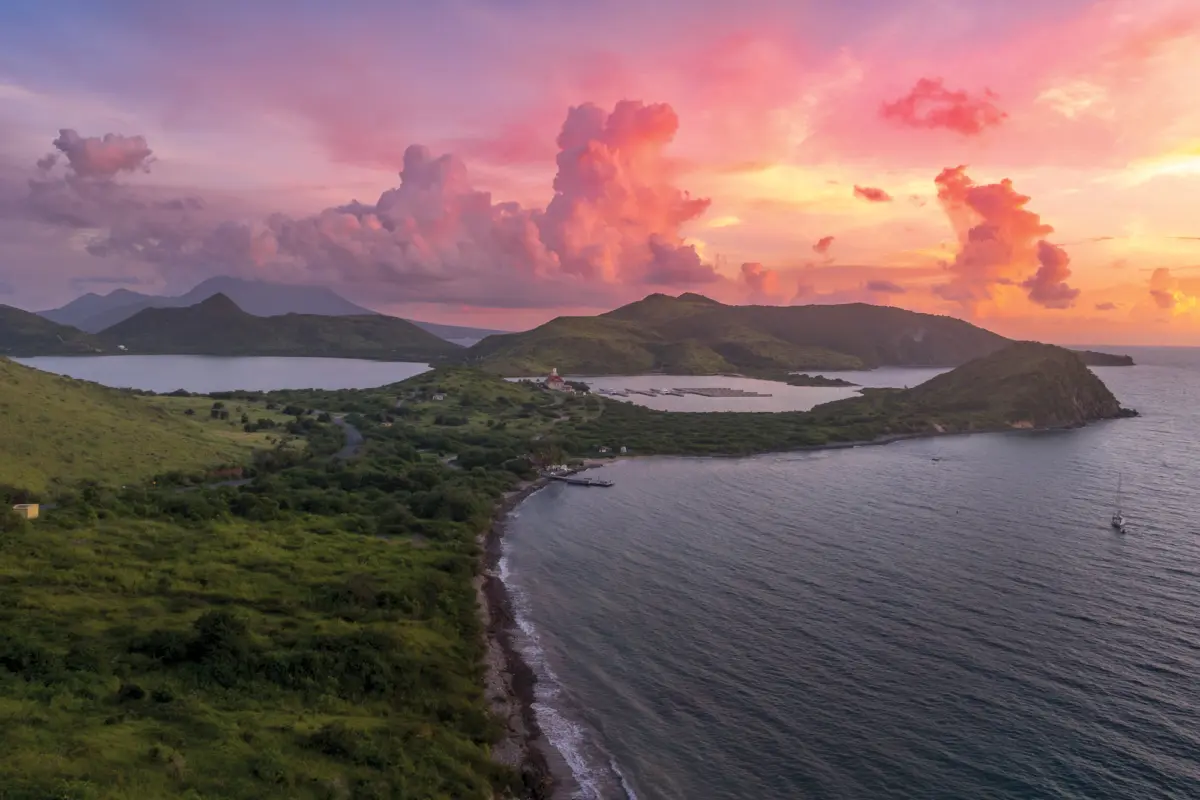
Navigating the waters of St. Kitts and Nevis requires an understanding of their unique maritime geography. Cruisers typically approach the islands during the winter yachting season, moving smoothly between the developed infrastructure of St. Kitts and the wilder, more pastoral anchorages of Nevis.
[St. Kitts: Christophe Harbour / Port Zante]
         │
         ▼ (Cross The Narrows: 2-3 miles)
[Nevis: Charlestown / Pinney's Beach]
         │
         ▼ (Exploration & Heritage)
[Mount Liamuiga / Brimstone Hill / Mount Nevis]
Phase 1: Arrival and St. Kitts Infrastructure
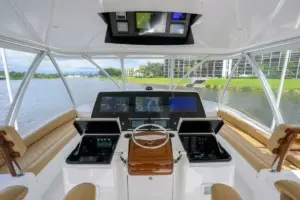
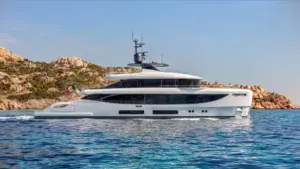
Your journey typically begins on the larger island of St. Kitts. For mega-yachts and superyachts up to 250 feet, the Marina at Christophe Harbour on the southeastern peninsula is the premier port of entry. Featuring alongside mooring, deep-water basins, and streamlined on-site customs and immigration clearance, it serves as the ultimate modern sanctuary for high-end vessels.
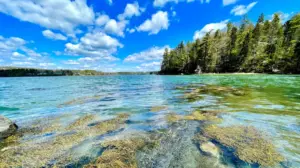
For those operating closer to the capital city of Basseterre, Port Zante Marina offers year-round operations with 36 dedicated slips. As you make your way down the coast, iconic anchorages such as Ballast Bay and White House Bay provide exceptional holding grounds alongside world-class snorkeling opportunities over vibrant coral reefs.
Phase 2: Transiting The Narrows to Nevis
Leaving St. Kitts behind, captains navigate their vessels across The Narrows—a 2- to 3-mile-wide channel separating the two islands. Currents can be brisk through this passage, requiring careful tide monitoring. Upon arrival in Nevis, Charlestown serves as the official port of entry.
Unlike its sister island, Nevis maintains a more traditional footprint: instead of sprawling concrete marinas, it offers well-maintained mooring balls capable of accommodating vessels up to 90 feet. These moorings are conveniently positioned just off the legendary shores of Pinney’s Beach, placing crews within immediate reach of local culture and commerce.
Phase 3: Inland Exploration and Cultural Immersion
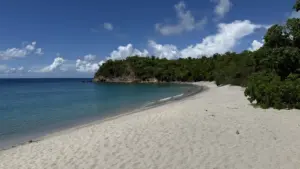
Once secure on anchor or dock, the focus shifts ashore. On St. Kitts, maritime travelers frequently charter inland transport to visit the historic Brimstone Hill Fortress—the "Gibraltar of the West Indies"—before ascending the lush, emerald-green slopes of Mount Liamuiga. On Nevis, the stakes are raised with a challenging trek up Mount Nevis. The journey culminates in a descent back to sea level for leisurely afternoons along saffron-colored coastlines and historic estate tours.
Supporting Context & Metrics
To truly appreciate the operational landscape and experiential value of St. Kitts and Nevis, one must examine the critical metrics, physical dimensions, and infrastructural data points that define the destination.
Navigational and Geographic Data
| Metric / Feature | St. Kitts | Nevis |
|---|---|---|
| Primary Port of Entry | Christophe Harbour / Port Zante | Charlestown |
| Max Vessel Accommodation | Superyachts up to 250 feet (Christophe Harbour) | Vessels up to 90 feet (Mooring balls) |
| Channel Crossing | The Narrows (2 to 3 miles wide separating both islands) | The Narrows |
| Highest Volcanic Peak | Mount Liamuiga (2,000 ft climb / 3,792 ft total) | Mount Nevis (3,232 ft) |
| Customs & Immigration | On-site at Christophe Harbour & Port Zante | Available at Charlestown |
Historical and Cultural Touchpoints
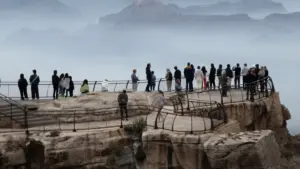
- Brimstone Hill Fortress: An architectural marvel of the 18th century, designated a UNESCO World Heritage site. On clear days, its battlements offer panoramic visibility stretching across six distinct neighboring islands.
- Alexander Hamilton Museum: Situated in Charlestown, Nevis, this institution marks the birthplace and early Caribbean life of one of the founding fathers of the United States.
- St. Kitts Scenic Railway: Originally constructed to transport sugar cane from the island’s plantations to processing facilities in Basseterre, this narrow-gauge railway now serves as a panoramic double-decker viewing platform for tourists and cruisers alike.
Culinary Landscape Matrix
The gastronomic scene across the federation is as diverse as its topography, ranging from casual beach shacks serving fresh catches to upscale culinary destinations:
- Upscale Dining:
- Salt Plage (Christophe Harbour, St. Kitts): Celebrated for sunset views, craft mixology, and sophisticated Caribbean small plates.
- The Rocks (Nevis): Acclaimed for dramatic cliffside views, creative cocktails, and exceptional seafood selections.
- Bananas at Hamilton Estates (Nevis): Set within a sprawling jungle garden, renowned for authentic local preparations like goat water stew and lobster linguine.
- Casual Fare & Beach Bars:
- Sunshine’s Beach Bar & Grill (Pinney’s Beach, Nevis): Home of the world-famous, highly potent "Killer Bee" rum punch.
- ShipWreck Beach Bar and Grill (St. Kitts): A go-to spot for relaxed afternoon dining and legendary fish tacos.
- Spice Mill (Cockleshell Bay, St. Kitts): Famous for merging beachfront atmosphere with premier seafood dishes.
Official Perspectives: The Philosophy of "Rush Slowly"
Local authorities, tourism directors, and marina operators continually emphasize that the true luxury of St. Kitts and Nevis lies in its deliberate resistance to over-industrialization.
"The phrase ‘rush slowly’ is more than just a local saying; it is an operating framework for everyone who visits our shores," notes a senior regional tourism representative. "When superyacht captains and independent cruisers arrive, they often bring the fast-paced energy of corporate ports. Within forty-eight hours of experiencing our rainforest trails, deep-water bays, and quiet coastal towns, that urgency dissolves. We have intentionally built our infrastructure—from the world-class berths at Christophe Harbour to the minimalist moorings off Charlestown—to protect that unhurried rhythm."
Maritime infrastructure planners echo this sentiment, stressing that modern updates to ports like Port Zante and Christophe Harbour were designed specifically to harmonize with the natural environment rather than overwhelm it. The objective has always been to provide uncompromised technical support—such as secure deep-water drafts and streamlined customs processing—while preserving the untouched aesthetic of the Leeward Islands.
Future Outlook: Sustainable Cruising and Marine Tourism
Looking toward the horizon, St. Kitts and Nevis are positioning themselves at the forefront of sustainable Caribbean maritime tourism. As environmental pressures mount across the wider region, the federation is investing in initiatives aimed at preserving its delicate marine ecosystems, coral reefs, and inland rainforests.
Key Focus Areas for Future Development:
- Eco-Friendly Marina Operations: Christophe Harbour and local marine stakeholders continue to adopt green technologies, reducing carbon footprints, implementing advanced wastewater management, and promoting eco-friendly yachting practices.
- Protected Marine Sanctuaries: Expanded efforts are underway to safeguard key snorkeling and diving locations—such as Ballast Bay, White House Bay, and the surrounding waters of The Narrows—from anchor damage through the strategic expansion of mooring ball networks.
- Heritage Tourism Preservation: Continued funding is being channeled into the restoration of historic sites, including the Montpelier estate botanical collections and the Alexander Hamilton Museum, ensuring that the islands’ rich narratives remain intact for future generations of travelers.
For the modern voyager, St. Kitts and Nevis represent a rare sanctuary where cutting-edge maritime luxury coexists peacefully with untouched natural beauty and deep historical roots. By embracing the philosophy to "rush slowly," mariners unlock an authentic Caribbean experience that will resonate long after the anchor is weighed and the sails are set for the horizon.